
 EN
EN
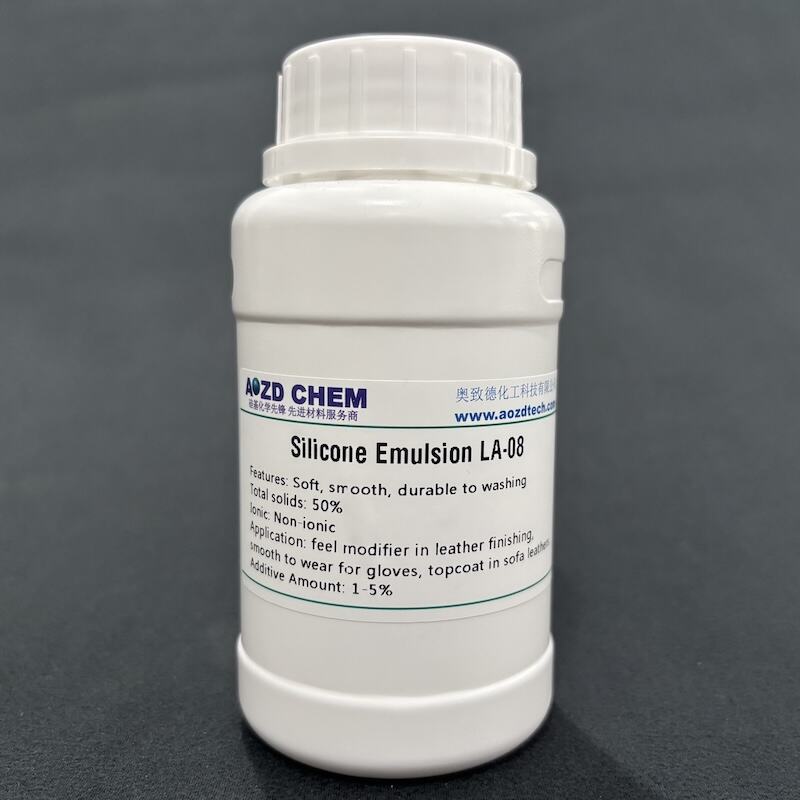
في التصنيع الصناعي، تؤدي عوامل الإفلات دورًا حاسمًا في ضمان فصلٍ نظيف بين القوالب والمنتجات النهائية. ومع ذلك، لا توفر جميع عوامل الإفلات نتائج متسقة. فكثير من التركيبات تواجه صعوبات في التغطية غير المتجانسة، أو تراكم البقايا، أو التحلل الحراري — وهي مشكلات تؤدي إلى رفض القطع المنتجة، وزيادة أوقات التوقف عن التشغيل، وارتفاع التكاليف التشغيلية. وهذا بالضبط المكان الذي يبرز فيه مستحلبات السيليكون كعنصرٍ تحويلي، حيث يوفِّر للمصنِّعين وسيلةً موثوقةً لرفع فعالية عوامل الإفلات في بيئات الإنتاج الصعبة.
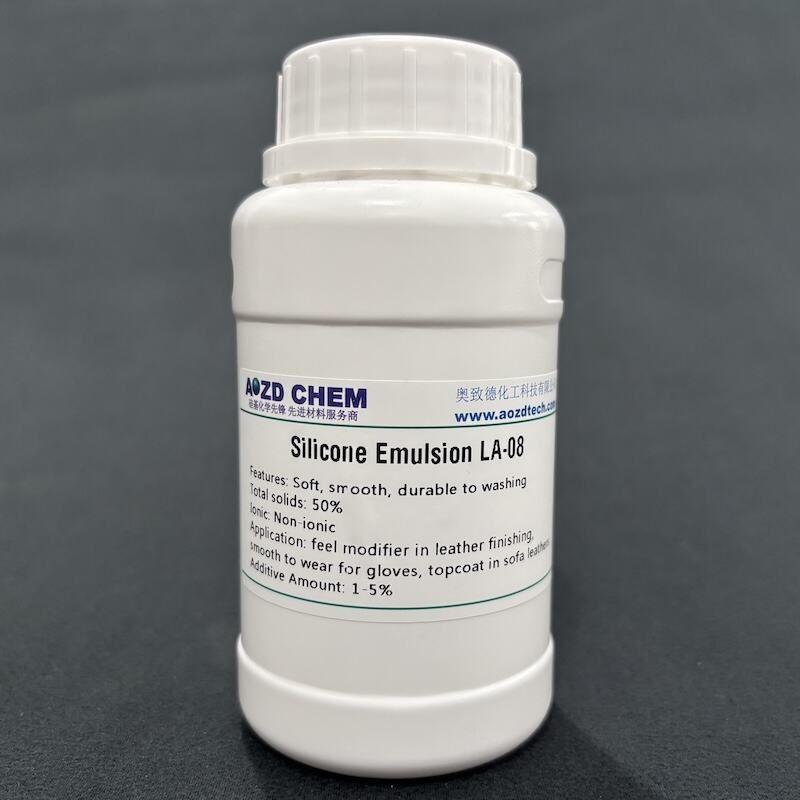
يتطلب فهم كيفية مساهمة مستحلب السيليكون في أداء عوامل الإفلات دراسة خصائصه الكيميائية وكذلك سلوكه العملي في بيئات الإنتاج. فمنذ صناعة المطاط بالقوالب وحتى الصب بالقالب المعدني (Die Casting) ووصولاً إلى تصنيع رغوة البولي يوريثان، أظهر مستحلب السيليكون قدرةً ملموسةً على تحسين الانزلاقية، والتجانس السطحي، والمقاومة الحرارية. وتستعرض هذه المقالة الآليات المحددة وراء تلك التحسينات، ما يساعد محترفي المشتريات وتطوير التركيبات على اتخاذ قراراتٍ مستنيرةٍ بشأن دمج مستحلب السيليكون في أنظمة عوامل الإفلات الخاصة بهم.
الدور الوظيفي لـ مستحلبات السيليكون في أنظمة عوامل الإفلات
كيف تُمكّن كيمياء السيليكون من تحقيق أداءٍ استثنائيٍ في مقاومة الالتصاق
تتكوّن مستحلب السيليكون من بولي ديميثيل سيلوكسان (PDMS) أو بوليمرات السيليكون المُعدَّلة المُعلَّقة في الماء بمساعدة عوامل مستحلبة. ويُسهِّل هذا الشكل القائم على الماء تخفيف المستحلب وتطبيقه، بينما يوفّر مكوّن السيليكون الفوائد الوظيفية الأساسية. وتشكّل سلاسل بوليمر السيليكون مواد ذات طاقة سطحية منخفضة بطبيعتها، ما يعني أنها تقلّل الالتصاق عند الواجهة بين القالب والمادة المُصبوبة بكفاءة استثنائية.
عند تطبيق عامل إفلات يحتوي على مستحلب السيليكون على سطح القالب، ينتقل السيليكون إلى الواجهة عند التجفيف ويشكّل غشاءً رقيقًا ومتجانسًا. ويمنع هذا الغشاء المادة المُصبوبة من الالتصاق بسطح الأداة. والنتيجة هي إفلاتٌ نظيفٌ وثابتٌ باستمرار، مما يقلّل من خطر حدوث عيوب سطحية أو تمزّق في القطعة. وبما أن مستحلب السيليكون يشكّل طبقة واجهية مستقرة جدًّا، فإنه يتفوّق بشكلٍ كبيرٍ على عوامل الإفلات التقليدية القائمة على الشمع أو البترول من حيث ثبات الإفلات عبر دورات متعددة.
كما يضمن تنسيق المستحلب توزيعًا متساويًا للسيليكون على سطح القالب. فعلى عكس زيوت السيليكون النقية، التي قد تتجمع أو تهاجر بشكل غير متساوٍ، يوفّر مستحلب السيليكون أحجامًا مضبوطةً لقطرات السيليكون وتشتيتًا مستقرًّا، ما يُترجم إلى طبقة تغطية أكثر انسجامًا عند التطبيق. ويكتسب هذا التوحُّد أهميةً بالغةً في عمليات الصب عالية الدقة، حيث لا يمكن التنازل عن جودة التشطيب السطحي.
نظام التوصيل القائم على الماء والمزايا البيئية
يُعَدُّ نظام التوصيل القائم على الماء من أبرز المزايا التي يتمتَّع بها مستحلب السيليكون في تركيبات عوامل الإفلات الحديثة. ومع تشديد اللوائح التنظيمية باستمرار بشأن المركبات العضوية المتطايرة (VOCs)، يواجه المصنعون ضغوطًا متزايدةً لإعادة صياغة عوامل الإفلات الخاصة بهم. ويُعَدُّ مستحلب السيليكون حلاًّ عمليًّا في هذا السياق، لأنه يتوافق مع الأنظمة القائمة على الماء دون التأثير سلبًا على الأداء.
يؤدي التحول نحو عوامل الإفلات القائمة على الماء إلى خفض انبعاثات المركبات العضوية المتطايرة (VOC) في مكان العمل، مما يسهم في تحسين صحة وسلامة العاملين. وتندمج مستحلبات السيليكون بسلاسة في هذه الأنظمة مع الحفاظ على درجة التزليق العالية وكفاءة الإفلات التي تشتهر بها كيمياء السيليكون. وهذه الفائدة المزدوجة — وهي الامتثال التنظيمي جنبًا إلى جنب مع التميُّز الوظيفي — تجعل من مستحلب السيليكون مكوِّنًا متزايدَ الاعتماد عليه في تركيبات عوامل الإفلات المتطورة الجيل القادم.
وبالإضافة إلى ذلك، فإن الطبيعة القائمة على الماء لمستحلب السيليكون تسهِّل عملية التنظيف وتقلل من خطر التعرُّض للمذيبات القابلة للاشتعال أثناء الاستخدام. وفي البيئات مثل مصانع إنتاج المطاط أو الرغوة، حيث تُطبَّق كميات كبيرة من عامل الإفلات يوميًّا، فإن هذا الملفّ الأمني يكتسب قيمة تشغيلية واضحة.
التحسينات الرئيسية في الأداء التي يوفِّرها مستحلب السيليكون
تحسين التزليق وكفاءة إفلات القالب
الانزلاقية هي المقياس الأساسي لأي عامل إفلات، وتُحسِّن مستحلب السيليكون هذه الخاصية بشكلٍ ملحوظ داخل التركيبة. فالفيلم البوليمري للسيليكون الذي يترسب على أسطح القوالب يقلل معامل الاحتكاك بين القالب والقطعة، مما يسمح بفصل القطعة بسلاسة دون الحاجة إلى تطبيق قوة أو حدوث تمزق أو ترك علامات على السطح. ولهذا الأمر أهمية بالغة في قطاعات مثل تصنيع الحشوات المطاطية، حيث يؤدي أي تلف سطحي طفيف إلى خفض جودة المنتج.
وعند دمج مستحلب السيليكون في عامل الإفلات، يمكن ضبط الانزلاقية الفعالة بدقة من خلال تعديل تركيز بوليمر السيليكون ووزنه الجزيئي. فمستحلبات السيليكون ذات اللزوجة المنخفضة تميل إلى الانتشار بسهولة أكبر واختراق التراكيب المجهرية السطحية للقوالب، بينما توفر المستحلبات ذات اللزوجة الأعلى فيلمًا تشحيميًّا أكثر سمكًا ومتانةً. وهذه المرونة تتيح لمُحضِّري التركيبات تخصيص أداء عامل الإفلات وفقًا للركيزة المحددة، وهندسة القالب، ودرجة حرارة الإنتاج.
كما أن تحسين الانزلاقية يطيل من فترات الخدمة بين إعادة تطبيق العامل المُفرِّغ للقالب. وفي الإنتاج عالي الحجم، يؤدي خفض تكرار تطبيق العامل المُفرِّغ مباشرةً إلى مكاسب في الإنتاجية. وغالبًا ما تُظهر عوامل التفريغ القائمة على مستحلب السيليكون فعاليةً في التفريغ عبر عدد أكبر من الدورات قبل الحاجة إلى إعادة التطبيق، مقارنةً بالتركيبات التي لا تحتوي على السيليكون.
الثبات الحراري في عمليات درجات الحرارة المرتفعة
تنطوي العديد من عمليات الصب والتشكيل على درجات حرارة مرتفعة — مثل عملية ت Vulcanization المطاط، والصب بالحقن في القوالب المعدنية (Die Casting)، وتشكيل البولي يوريثان الصلب، والتي تتعرّض فيها عوامل التفريغ للحرارة التي قد تؤدي إلى تحلل مواد التشحيم العضوية التقليدية. ويتفوق مستحلب السيليكون في هذه الظروف لأن هيكله الجزيئي السيليكوني يتمتع باستقرار حراري عند درجات الحرارة التي تُسبب تحلل الأحماض الدهنية والشمع والعديد من مواد التشحيم الاصطناعية.
بولي دايميثيل سيلوكسان، وهو البوليمر الرئيسي في معظم مستحلبات السيليكون، يحتفظ بخصائصه التشحيمية والنشطة على السطح حتى عند درجات حرارة تتجاوز ٢٠٠°م. وهذا يعني أن فيلم الإفلات يظل وظيفيًّا طوال دورة الصب بدلًا من التحلل جزئيًّا أثناء الدورة وترك بقايا مكربنة على القالب. ويُعَد تراكم البقايا إحدى الأسباب الرئيسية لتلوث القوالب وتكوين العيوب السطحية، لذا فإن المقاومة الحرارية لمستحلب السيليكون تقلل مباشرةً من عبء الصيانة ومعدلات إعادة المعالجة.
وفي العمليات التي تتضمن دورات حرارية متكررة، مثل الت Vulcanization المستمر أو صب المطاط الدفعي، تعني المتانة الحرارية لمستحلب السيليكون الحاجة إلى عدد أقل من دورات التطبيق لكل وردية. وهذا لا يحسّن الإنتاجية فحسب، بل ويقلل أيضًا الكمية الإجمالية لعامل الإفلات المستهلكة، ما يسهم في الكفاءة التكلفة على المدى الطويل.
سيناريوهات التطبيق التي يُحدث فيها مستحلب السيليكون فرقًا قابلاً للقياس
صب المطاط والمطّاطيات
يُعَدّ صب المطاط أحد أكثر البيئات تطلباً لعوامل الإفلات. فتجمّع الحرارة والضغط والمكونات المطاطية اللزجة يخلق ظروفاً لا تتمكن فيها عوامل الإفلات التقليدية في كثيرٍ من الأحيان من توفير فصلٍ كافٍ. وتتصدى عوامل الإفلات المستندة إلى مستحلب السيليكون لهذه التحديات عبر تشكيل طبقة كيميائية مستقرة ومنخفضة الالتصاق، تقاوم الامتصاص داخل مركب المطاط أثناء عملية الت Vulcanization (التكبر).
وفي صب المطاط بالحقن، يجب أن تتحمل طبقة مستحلب السيليكون ضغوط الحقن مع الحفاظ على سلامتها على سطح القالب. وتسمح خصائص تشكيل الطبقة لدى مستحلب السيليكون بأن تبقى هذه الطبقة مرتبطةً بسطح قالب المعدن بدلاً من أن تُزيحها مادة المطاط الداخلة. وينتج عن ذلك إفلاتٌ متسقٌ عبر كامل سطح القالب، مما يقلل من حالات التصاق الأجزاء أو الإفلات غير الكامل الذي يتطلب تدخلاً يدوياً.
للمقاطع المطروقة من المطاط، تُطبَّق عادةً مستحلب السيليكون على شكل رذاذ أو غمر أثناء مرحلة التبريد اللاحقة للطرق. وهنا يمنع هذا المستحلب التصاق المقاطع في قنوات التبريد وعلى أحزمة النقل، مما يحافظ على الدقة الأبعادية وجودة السطح طوال خط الإنتاج. كما يمنح مستحلب السيليكون المقاطع المطاطية لمعانًا سطحيًّا خفيفًا، وهو ما يُرغَب فيه غالبًا لأسباب تتعلق بالجودة الجمالية والحسية.
الرغوة البولي يوريثانية والقولبة الصلبة
يطرح تصنيع الرغوة البولي يوريثانية تحديات فريدة خاصة به فيما يتعلق بالإفلات من القوالب. فأنظمة البولي يوريثان التفاعلية ترتبط ارتباطًا قويًّا بأسطح القوالب، وبخاصة أثناء المرحلة التفاعلية الطاردة للحرارة. ويجب أن تُكوِّن مواد الإفلات المستخدمة في قولبة البولي يوريثان حاجزًا يمنع هذا الارتباط الكيميائي دون التدخل في ديناميكية توسع الرغوة أو في تركيب خلايا سطحها.
تُعدّ مستحلب السيليكون مناسبًا جدًّا لهذا الاستخدام لأن طاقته السطحية المنخفضة تمنع الالتصاق اللاصق بين نظام البولي يوريثان (PU) والقالب، بينما لا تؤثِّر بنيته الفيلمية المستقرة على تكوُّن الطبقة السطحية الخارجية للرغوة. والنتيجة هي قطعة رغوية نظيفة ذات سطح أملس تُزال بسهولة من القالب دون تمزُّق أو ترك أي بقايا من عامل الإفلات على سطح القطعة.
وبالنسبة لمكونات البولي يوريثان الصلبة، مثل تلك المستخدمة في تطبيقات السيارات والبناء، فإن عوامل الإفلات المستندة إلى مستحلب السيليكون تدعم أيضًا الدقة الأبعادية عن طريق السماح للقطعة بأن تتصلَّب دون أن تتعرَّض لإجهادات ناتجة عن التصاقها بجدران القالب. ويكتسب هذا الأمر أهمية متزايدةً مع سعي المصنِّعين إلى تقليل خطوات التشطيب اللاحقة للقولبة وتقليل التكلفة الإجمالية للإنتاج.
اعتبارات التركيب عند دمج مستحلب السيليكون
التركيز والاستقرار والتوافق
يتطلب دمج مستحلب السيليكون في تركيبة عامل الإفلات الانتباه إلى عدة متغيرات فنية. ويجب معايرة تركيز مستحلب السيليكون وفقًا لطريقة التطبيق ومتطلبات السطح المراد معالجته. فاستخدام كمية قليلة جدًّا من السيليكون يؤدي إلى تغطية غير كافية وكفاءة ضعيفة في عملية الإفلات، بينما قد يتسبب الاستخدام المفرط للسيليكون في ظهور عيوب تشبه «عيون السمكة» على الأجزاء التي تُدهن أو تُغلف لاحقًا.
ويُعد استقرار المستحلب عاملًا حاسمًا آخر. وينبغي أن يحافظ مستحلب السيليكون عالي الجودة على توزيعٍ ثابتٍ لحجم القطرات مع مرور الزمن، وأن يقاوم الانفصال الطوري حتى عند تخفيفه بالماء أو خلطه بمكونات أخرى في التركيبة. وقد يؤدي عدم استقرار المستحلبات إلى تطبيق غير متسق وأداء متغير في عملية الإفلات عبر دفعات الإنتاج المختلفة — ما يشكّل خطرًا كبيرًا على الجودة في التصنيع الدقيق.
يجب أيضًا التحقق من توافق المستحلب السيليكوني مع مكونات عوامل الإفلات الأخرى، مثل الشموع ومثبِّطات التآكل والمواد المبيدة للجراثيم. ويتمتَّع المستحلب السيليكوني عمومًا بتوافقٍ عالٍ مع هذه المكونات، لكن الطابع الأيوني المحدَّد لنظام المستحلِّب — سواء أكان سالبًا أم موجبًا أم غير أيوني — يؤثر في طريقة تفاعل المستحلب مع العناصر الأخرى في تركيبة عامل الإفلات. وينبغي لمُحضِّري التركيبات أن يختاروا مستحلبًا سيليكونيًّا يكون نظام مستحلِّبه متوافقًا مع جميع المكونات الفعَّالة الأخرى في خليط عامل الإفلات.
طرق التطبيق وتحسين العمليات
يمكن تطبيق مستحلب السيليكون باستخدام الرش أو الفرشاة أو الغمر أو الأسطوانة حسب بيئة الإنتاج وهندسة القالب. ويُعد تطبيق الرش هو الأكثر شيوعًا في البيئات الصناعية لأنه يوفّر تغطية متجانسة على أسطح القوالب المعقدة مع أقل قدر ممكن من الهدر. ويؤثر معدل التخفيف لعامل الإفلات القائم على مستحلب السيليكون في لزوجة الرش وسماكة الفيلم، ويجب تحسين هذه المعايير أثناء التحقق الأولي من العملية.
وفي خطوط الإنتاج الآلية، يمكن قياس عوامل الإفلات القائمة على مستحلب السيليكون وتطبيقها بدقة عالية، مما يضمن اتساق سماكة الفيلم في كل دورة صب للقالب. ويمثّل هذا الاتساق إحدى الأسباب الرئيسية التي جعلت مستحلب السيليكون المكوّن النشط المفضّل في أنظمة عوامل الإفلات الآلية — إذ إن سلوكه القابل للتنبؤ يدعم التحكم في العملية ويقلّل من التباين.
بعد التطبيق، يضمن السماح بفترة كافية لتجفيف المادة قبل بدء دورة التشكيل أن يكون الماء قد تطاير بالكامل وأن فيلم السيليكون قد تشكل بشكلٍ صحيح. وقد يؤدي نقص فترة التجفيف إلى احتجاز الرطوبة أسفل الفيلم، ما يؤدي إلى عيوب سطحية في القطعة النهائية. وبالتالي، فإن تحسين العملية لعوامل الإفلات القائمة على مستحلب السيليكون يتضمن كلًّا من معايير التطبيق والمعالجة الحرارية لسطح القالب قبل كل دورة.
الأسئلة الشائعة
ما التركيز المعتاد لمستحلب السيليكون المستخدم في تركيبات عوامل الإفلات؟
تتراوح تركيز مستحلب السيليكون في تركيبة عامل الإفلات عادةً بين ١٪ و١٠٪ وزنًا، وذلك حسب نوع التطبيق. ففي التطبيقات خفيفة التحميل مثل بثق المطاط أو إزالة القوالب من الرغوة، غالبًا ما تكون التركيزات المنخفضة كافية. أما في التطبيقات الأكثر تطلبًا مثل صب المطاط بالحقن عند درجات حرارة مرتفعة أو إزالة القوالب من مكونات البولي يوريثان الصلبة، فقد يتطلب الأمر تركيزات أعلى لتكوين طبقة إفلات متينة وفعّالة. ويجب دائمًا إجراء تجارب تطبيقية لتحديد التركيز الأمثل لسطح الأساس المحدد وظروف الإنتاج الخاصة بك.
هل يمكن استخدام عوامل الإفلات المستندة إلى مستحلب السيليكون على جميع مواد القوالب؟
عوامل الإفلات المائية السيليكونية متوافقة مع معظم مواد القوالب الصناعية، بما في ذلك الفولاذ والألومنيوم والفولاذ المطلي بالكروم والأسطح المطلية بالنيكل. ومع ذلك، لا يُوصى عمومًا باستخدامها على قوالب المطاط السيليكوني، لأن التلامس بين السيليكون والسيليكون قد يؤدي إلى انتفاخ القالب أو تدهور سطحه. أما بالنسبة للقوالب المصنوعة من مواد متخصصة، فيُنصح إجراء اختبارات التوافق قبل الاستخدام الكامل في الإنتاج للتأكد من أن المستحلب السيليكوني لا يؤثر سلبًا على نعومة سطح القالب أو دقته الأبعادية.
هل يترك المستحلب السيليكوني بقايا على الأجزاء المُشكَّلة؟
عامل إزالة قائم على مستحلب السيليكون مُحضَّر بشكلٍ مناسب، ويُطبَّق عند التركيز الصحيح ويُجفَّف جيدًا قبل عملية التشكيل، يجب أن ينقل إلى سطح القطعة كميةً ضئيلةً جدًّا من البقايا الكيميائية المستقرة فقط. وفي معظم تطبيقات المطاط والرغوة، فإن هذه الطبقة الرقيقة من البقايا تكون مقبولةً أو حتى مفيدةً. ومع ذلك، في التطبيقات التي ستُطلَى فيها القطع أو تُلصَق لاصقًا أو تُغطَّى بعملية الحقن فوق القالب (Over-molding)، قد تشكِّل تلوث السطح الناتج عن انتقال السيليكون مشكلةً. وفي هذه الحالات، ينبغي النظر في استخدام تركيزات منخفضة جدًّا من مستحلب السيليكون أو معالجة سطحية للقطعة بعد خروجها من القالب لضمان توافق العملية اللاحقة.
كيف يقارن مستحلب السيليكون بالزيت النقي للسيليكون من حيث أداء عامل الإزالة؟
توفر مستحلب السيليكون مزايا عملية عديدة مقارنةً بزيت السيليكون النقي في تطبيقات عوامل الإفلات. ويُمكِّن تنسيق المستحلب من التوصيل القائم على الماء، وهو ما يجعله أكثر أمانًا، وأكثر توافقًا مع المتطلبات البيئية، وأسهل في التطبيق بشكل متجانس مقارنةً بزيت السيليكون النقي. كما يوفِّر مستحلب السيليكون تشكُّل طبقة أكثر تحكمًا، لأن بنية القطرات المتناثرة تعزِّز الانتشار المتجانس عند الجفاف. أما زيت السيليكون النقي فقد يهاجر أو يتجمَّع بشكل غير متجانس على أسطح القوالب، مما يؤدي إلى خصائص إفلات غير متجانسة. ولذلك، يُفضَّل عادةً استخدام مستحلب السيليكون بدلًا من زيت السيليكون النقي كمكون سيليكوني وظيفي في تركيبات عوامل الإفلات الصناعية.