
 EN
EN
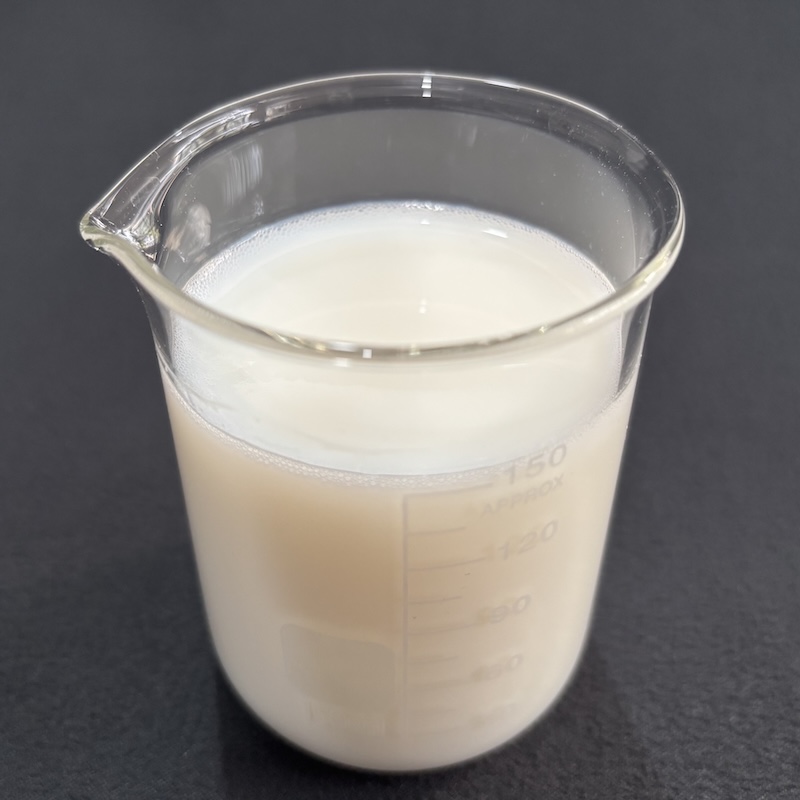
Surface spotting on textiles remains one of the most frustrating quality challenges in fabric finishing operations. When your silicone emulsion causes uneven discoloration, bare patches, or visible blemishes across treated fabric surfaces, production costs rise, customer complaints multiply, and brand reputation suffers. Understanding why your silicone emulsion creates these defects is the first step toward eliminating them and restoring consistent, professional-quality fabric finishes. The root causes of spotting are often interconnected—ranging from emulsion stability issues to application technique problems—and require a systematic diagnostic approach.
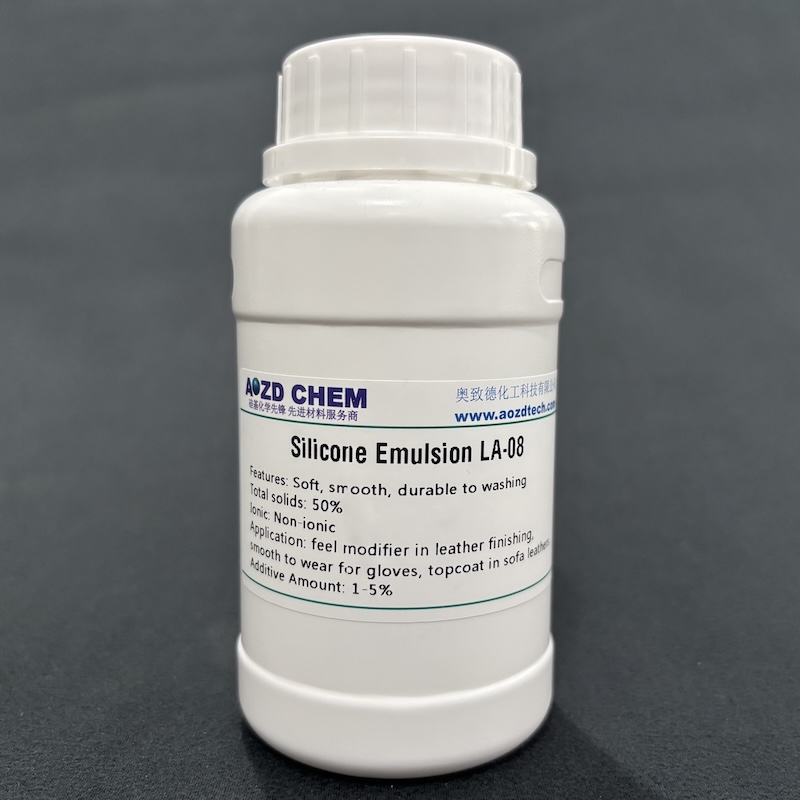
Your current silicone emulsion may cause spotting due to poor particle distribution, degraded stability during storage, or incompatible interaction with your fabric substrate and dyes. The chemistry of silicone emulsion systems is sensitive to temperature fluctuations, pH imbalances, and mechanical stress. When these conditions are not controlled, the emulsion breaks down unevenly, depositing silicone-rich clusters on fabric surfaces instead of forming a uniform, invisible protective layer. This article explores the key mechanisms behind spotting problems and provides actionable insights to help you select, maintain, and apply silicone emulsion products that deliver flawless finishes every time.
Understanding Silicone Emulsion Composition and Stability
How Particle Size and Emulsifier Balance Affect Spotting Risk
Silicone emulsion is a complex formulation where tiny silicone oil droplets are suspended in water using surfactants and stabilizing agents. The quality and consistency of this suspension directly determine whether your fabric receives an even coating or develops visible defects. When silicone emulsion particles are too large or unevenly distributed, they cannot spread uniformly during application, creating pools of silicone that appear as dark spots or greasy patches on the fabric surface. Conversely, premium silicone emulsion products maintain extremely fine, consistent particle sizes—typically in the 1 to 5 micron range—ensuring complete, invisible penetration into fiber structures.
The emulsifier package in your silicone emulsion plays a critical role in preventing particle aggregation and settlement. If the emulsifier concentration is inadequate or the wrong emulsifier type is chosen for your production conditions, silicone emulsion particles will begin to coalesce within days or weeks of storage. This coalescence creates viscous clumps and irregular deposits that spray or pad onto fabrics unevenly, producing the exact spotting problems you are experiencing. Proper emulsifier selection ensures that silicone emulsion maintains its fine, stable suspension throughout the product shelf life and during all application processes.
Temperature and pH Sensitivity in Silicone Emulsion Systems
Temperature fluctuations are a silent killer of silicone emulsion performance. When your silicone emulsion is exposed to temperatures above 50°C or below 5°C during storage or transport, the delicate balance between emulsion components destabilizes. Warm conditions accelerate particle coalescence, while cold conditions can cause phase separation where silicone oil begins to separate from the aqueous carrier. Both scenarios result in a compromised silicone emulsion product that will cause surface spotting when applied to fabrics. Industrial facilities with uncontrolled warehouse conditions—particularly in hot, humid climates—frequently encounter this problem.
pH imbalance is equally damaging to silicone emulsion stability. Most emulsifier systems work optimally within a narrow pH window, typically between 6.5 and 8.5. When silicone emulsion is mixed with acidic dyes, alkaline finishing agents, or untreated water, the pH can drift outside this ideal range, causing the emulsifier to lose its protective function. The result is rapid coagulation of silicone emulsion droplets and severe surface spotting on treated fabrics. Monitoring and controlling pH throughout your production workflow is essential for preventing spotting defects related to your silicone emulsion application.
Application Techniques and Environmental Factors That Trigger Spotting
Spray Application Issues and Uneven Distribution
How you apply your silicone emulsion is just as important as the product chemistry itself. Spray application remains the most common method for depositing silicone emulsion onto fabric surfaces, but improper nozzle selection, incorrect pressure, or poor spray pattern can lead to inconsistent coating density and visible spotting. When silicone emulsion is sprayed at pressures that are too high, the fine particles break apart and recombine unevenly; when pressure is too low, coverage is incomplete and streaky. The ideal spray application of silicone emulsion requires calibrated equipment, consistent nozzle positioning, and careful velocity control.
Air humidity during spray application also affects how silicone emulsion deposits on fabric. In high-humidity environments, water from the air can dilute the silicone emulsion droplets mid-flight, altering their adhesion properties and causing uneven spotting patterns. Conversely, extremely dry conditions can cause silicone emulsion to dry too quickly, preventing proper leveling and fiber penetration. Maintaining humidity between 45 and 65 percent during silicone emulsion application minimizes these variables and supports uniform fabric coating.
Water Quality and Incompatible Additives
The water used to dilute or mix your silicone emulsion significantly impacts final fabric quality. Hard water containing dissolved minerals, chlorine, or iron will immediately destabilize silicone emulsion formulations, causing particle precipitation and surface spotting on treated fabrics. Many textile mills overlook water quality as a source of silicone emulsion problems, assuming that tap water is suitable for industrial applications. High-quality silicone emulsion products are engineered to work optimally with deionized or softened water; using untreated water introduces contamination that ruins the emulsion stability and fabric finish.
Incompatible additives pose another hidden spotting risk with silicone emulsion applications. When you combine your silicone emulsion with certain softeners, antimicrobial agents, or dye auxiliaries without proper chemical compatibility testing, complex reactions occur that destabilize the emulsion and cause aggregation. These incompatibilities may not show up immediately in lab testing but appear as progressive spotting defects during production runs. Any new additive introduced to your silicone emulsion workflow requires confirmation of compatibility before full-scale use.
Quality Control and Selection Strategies to Prevent Spotting
Choosing the Right Silicone Emulsion for Your Substrate
Not all silicone emulsion products are created equal, and selecting the wrong formulation for your specific fabric type guarantees spotting problems. Different fiber substrates—natural cellulose, synthetic polyester, protein-based wool—have varying surface energies and moisture absorption characteristics. A silicone emulsion optimized for cotton may fail on polyester blends; conversely, silicone emulsion formulated for synthetics often leaves visible residue on wool. Premium silicone emulsion suppliers offer substrate-specific variants that account for these differences, delivering flawless finishes across diverse fabric types.
The silicone emulsion concentration in your finishing bath must also match your target hand feel and durability requirements. Over-concentration causes spotting through excessive silicone deposition; under-concentration fails to deliver desired fabric properties and requires multiple application passes that increase spotting risk. Establishing the correct silicone emulsion concentration for your production workflow, documented in clear standard operating procedures, is fundamental to preventing quality defects and maintaining consistent results.
Storage, Testing, and Preventive Maintenance
Proper storage of your silicone emulsion is non-negotiable for maintaining emulsion stability and preventing spotting problems downstream. Store silicone emulsion in cool, dark, temperature-controlled environments between 15°C and 25°C, away from direct sunlight and sources of vibration. Frequent temperature cycling causes the emulsion structure to break down progressively, even if the product has not yet visibly separated. Implement a first-in-first-out inventory rotation system to ensure that older silicone emulsion batches are used before newer ones, reducing the risk of using aged, destabilized product.
Regular quality testing of your silicone emulsion before production use catches stability problems early. Simple tests—such as visual inspection for phase separation, viscosity measurement, and particle size analysis—reveal whether silicone emulsion has degraded or been contaminated. Many textile facilities skip these tests to save time, only to encounter spotting defects that cost far more to remediate. Establish a testing protocol where every new silicone emulsion batch is verified for stability, pH, and particle distribution before entering production. This preventive approach eliminates the majority of spotting problems caused by compromised emulsion chemistry.
FAQ
What causes silicone emulsion to separate during storage?
Silicone emulsion separates when temperature control is inadequate, when the product is stored too long past its recommended shelf life, or when contamination introduces incompatible substances. Temperature swings between hot and cold accelerate particle coalescence; storing silicone emulsion in uninsulated warehouses or vehicles is a common cause of separation. To prevent this, maintain constant storage temperature between 15°C and 25°C and replace silicone emulsion stock regularly according to manufacturer guidelines.
Can dilution water quality affect silicone emulsion spotting?
Yes, water quality is critical to silicone emulsion performance. Hard water, chlorinated tap water, or water contaminated with iron will destabilize silicone emulsion immediately, causing particles to coalesce and create spotting on treated fabrics. Always dilute silicone emulsion with deionized water or softened water; never assume tap water is suitable for industrial applications. Testing your water quality before using it with silicone emulsion can prevent entire batches of spotted fabric.
How can I tell if my silicone emulsion is degraded?
Degraded silicone emulsion typically shows visible signs: the product may appear cloudy, separated into layers, or have an unpleasant odor. Particle size analysis using a lab instrument will reveal whether silicone emulsion particles have enlarged due to coalescence. If spray application produces inconsistent coverage or fabric consistently shows spotting with no other process changes, degraded silicone emulsion is a likely culprit. Always compare current batches against a fresh reference sample to confirm quality shifts.