
 EN
EN
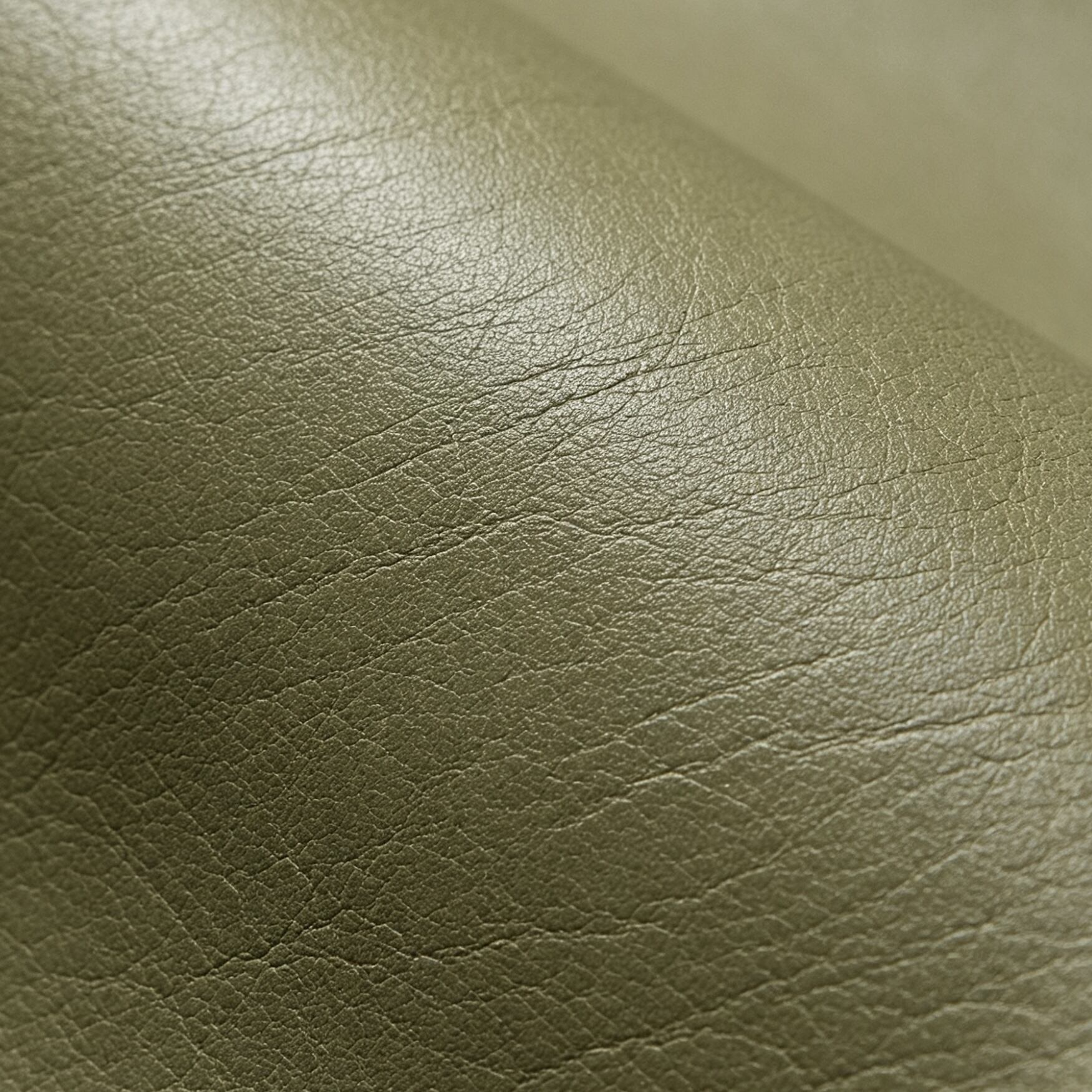
Achieving a truly silky hand feel in synthetic fabrics is one of the most sought-after goals in modern textile finishing. Consumers today expect garments and technical textiles to feel soft, smooth, and luxurious against the skin — even when those materials are made from polyester, nylon, or other man-made fibers. For textile manufacturers and finishing chemists, meeting this expectation means understanding the science behind surface texture, friction reduction, and fiber modification at a molecular level.
The challenge is not simply about making a fabric soft. A genuine silky hand feel involves a precise combination of smoothness, subtle lubricity, mild coolness on first contact, and a drape that gives the material a fluid, elegant character. Synthetic fibers, by their nature, can feel stiff, coarse, or plasticky without proper treatment. Fortunately, modern finishing chemistry provides powerful tools to transform those raw sensory qualities into something consumers associate with premium quality — and this article explains exactly how that transformation works.
Understanding What Creates Hand Feel in Synthetic Fabrics
The Physical Basis of Tactile Perception
When a person touches a fabric, the nervous system is registering a complex combination of signals: surface roughness or smoothness, thermal conductivity, compressibility, and inter-fiber friction. The brain processes these signals simultaneously to form an overall judgment about hand feel. In natural silk, the triangular cross-section of the fiber and the sericin protein coating work together to create low inter-fiber friction and a characteristic cool-warm response — qualities that synthetic fibers inherently lack.
Synthetic fibers like polyester and nylon are produced with circular or near-circular cross-sections and smooth, non-porous surfaces. While this makes them strong and uniform, it also creates high fiber-to-fiber friction and an absence of the micro-surface features that contribute to a premium hand feel. Understanding this physical reality is the first step toward choosing the right finishing strategy. Without deliberate intervention, a polyester fabric will almost always feel inferior to its natural-fiber counterparts, regardless of how fine the denier count is.
Textile engineers have long recognized that achieving a desirable hand feel in synthetic substrates requires modifying the surface energy and the frictional dynamics at the fiber level. This is where specialty chemical finishes, mechanical processes, and fabric construction all play important roles.
How Fiber Structure Influences the Final Feel
The denier — or fineness — of the individual fibers is a foundational factor in hand feel outcomes. Microfiber polyester fabrics, produced with fibers finer than one denier, naturally exhibit a softer texture simply because more fibers are packed into a given cross-section, creating a denser, more flexible structure. However, fineness alone is not sufficient to produce a truly silky sensation. Even ultra-fine microfibers can feel rough or draggy without proper surface treatment.
The weave or knit structure also significantly affects how a fabric feels. A tightly woven plain weave may feel firmer, while a satin or charmeuse construction allows more fibers to lie on the surface, reducing points of contact and creating a smoother interaction with skin. Knit fabrics have inherent stretch and recovery that can contribute to a softer hand feel, but the surface texture is still heavily dependent on finishing chemistry. In practice, structure and chemistry must work together to reliably produce the silky hand feel that both brands and consumers demand.
The Role of Chemical Finishing in Achieving a Silky Hand Feel
How Softeners and Feeling Agents Work
Chemical finishing agents are the most direct and controllable method for engineering a specific hand feel in synthetic fabrics. Softening agents and silky feeling agents work by depositing a thin, functional layer on fiber surfaces, reducing inter-fiber friction and altering how the surface interacts with skin. The mechanism is essentially one of lubrication — but at a molecular scale, and with lasting durability requirements that simple lubricants cannot meet.
Cationic softeners, for example, are attracted to the negatively charged surface of most fibers and form a positively charged lubricious layer. This reduces the coefficient of friction significantly, giving the fabric a measurable improvement in hand feel. Silicone-based softeners go a step further — particularly high-molecular-weight amino-functional silicones — because they can create an exceptionally smooth, elastic film that gives synthetic fabrics a close approximation of natural silk's characteristic slip and bounce.
For applications where a particularly refined, silky hand feel is required, specialty silky feeling agents represent the current state of the art. These are formulated with reactive or self-crosslinking silicone emulsions that not only reduce friction but also improve drape, add subtle body, and enhance the visual sheen that consumers associate with luxury fabrics. A well-formulated hand feel agent can transform the tactile and aesthetic profile of a synthetic fabric fundamentally and durably.
Application Methods and Process Variables
The effectiveness of any chemical finishing agent depends heavily on how it is applied. The most common industrial method is pad-dry-cure — the fabric is passed through a bath containing the finishing agent, squeezed through rollers to achieve a precise wet pickup percentage, dried to remove water, and then cured at elevated temperature to fix the chemistry onto the fiber. Each of these process steps has variables that directly influence the final hand feel outcome.
Wet pickup percentage determines how much active chemistry is deposited on the fabric. Too little results in an underwhelming improvement in hand feel; too much can cause problems like stickiness, yellowing, or poor washing durability. The curing temperature and dwell time are critical for reactive finishes, as insufficient curing leads to poor wash fastness and a noticeable decline in hand feel after the first laundering cycle. Exhaust application in jet dyeing machines is another option, particularly suitable for knitted fabrics where pad processes are less practical.
For manufacturers working with delicate or heat-sensitive substrates, low-temperature curing formulations have been developed specifically to deliver excellent hand feel performance without risking thermal damage to the fabric. The choice of application method should always be matched to the substrate, the finishing agent chemistry, and the performance requirements of the end product.
Fabric Construction and Pre-Treatment Strategies That Support Silky Hand Feel
Preparatory Processes That Set the Stage
Before any finishing chemistry is applied, the fabric must be properly prepared. Residues from spinning, weaving, or knitting — including sizing agents, lubricants, and processing aids — can interfere significantly with how finishing agents bond to fiber surfaces. A thorough scouring step removes these contaminants, ensuring that the hand feel chemistry has full and even access to the fiber surface for optimal deposition.
Heat setting is another preparatory step with direct relevance to hand feel. For polyester fabrics, proper heat setting stabilizes the crystalline structure of the fiber, removes internal stresses introduced during weaving or knitting, and creates a flatter, more uniform surface. A properly heat-set polyester fabric will accept finishing agents more evenly and will exhibit better drape and smoothness than one that has been inadequately stabilized. Skipping or shortcutting these preparatory steps almost always results in uneven or disappointing hand feel results, regardless of how sophisticated the finishing chemistry is.
Mechanical Finishing Techniques as Complementary Tools
Mechanical finishing processes can work alongside chemical treatments to enhance or modulate hand feel. Calendering — passing the fabric between heated rollers under pressure — compresses the surface and can impart a smoother, more lustrous texture that contributes to a silkier feel. The effect is particularly noticeable on tightly woven synthetic fabrics where the surface is otherwise uneven due to yarn interlacing geometry.
Emerizing or sueding uses abrasive surfaces to raise a fine, dense nap of short fiber ends on the fabric surface. While this creates a soft, peach-skin hand feel rather than a silky one, it demonstrates the principle that hand feel can be engineered mechanically as well as chemically. In some product categories, a combination of emerizing followed by silicone finishing produces a uniquely luxurious texture — soft, smooth, and subtly silky — that is extremely difficult to achieve through either method alone.
Stenter framing, which stretches and fixes the fabric to a precise width under controlled heat, also plays a role in hand feel by ensuring consistent tension and flat fabric geometry. Fabric that has been properly framed will process more consistently through finishing operations and will deliver a more uniform hand feel across the entire width and length of the roll.
Durability and Performance Expectations for Silky Hand Feel Treatments
Wash Durability and End-Use Requirements
One of the most critical performance criteria for any hand feel treatment is how well it survives repeated laundering. Consumers naturally expect that the softness and silkiness of a garment will persist through washing. For industrial or technical textile applications, durability requirements may be even more demanding — fabrics used in hospitality, healthcare, or sportswear must maintain their hand feel through dozens or even hundreds of wash cycles.
Reactive silicone systems and crosslinked finishing technologies generally offer superior wash durability compared to conventional softeners. The chemical bonds formed during curing anchor the silicone network to the fiber, making it resistant to hydrolysis and mechanical agitation. When evaluating a hand feel agent for a durability-sensitive application, it is important to test the finished fabric under real-world laundry conditions rather than relying solely on laboratory assessments, since variables like water hardness, detergent chemistry, and mechanical action can all affect how quickly the treatment degrades.
Some applications require a balance between durability and re-treatability. In industrial laundry operations, for example, fabrics may be re-finished periodically to restore hand feel performance. In these cases, a less permanently bonded finishing system may actually be preferred, as long as the re-treatment process is operationally feasible and economically viable.
Compatibility with Other Functional Finishes
Modern synthetic fabrics often carry multiple functional finishes simultaneously — moisture management, antimicrobial treatment, UV protection, or durable water repellency may all be required alongside an excellent hand feel. Ensuring compatibility between these finishes is a significant technical challenge. Some finishing chemistries interact negatively when combined, leading to reduced effectiveness of one or more functions, uneven deposition, or unexpected changes in hand feel.
As a general principle, hand feel agents should be evaluated in the context of the complete finishing recipe rather than in isolation. Pilot trials using the full formulation sequence on representative fabric samples provide the only reliable basis for predicting how the final product will perform. Finishing chemists should pay particular attention to the ionic compatibility of the components in the bath — cationic, anionic, and non-ionic species can interact in ways that cause bath instability, poor pickup uniformity, or compromised hand feel results.
FAQ
What types of synthetic fabrics benefit most from silky hand feel treatments?
Polyester and nylon fabrics benefit most significantly, as these synthetic fibers naturally have smooth, low-friction surfaces that still feel plasticky or coarse without treatment. Microfiber constructions respond particularly well to silky feeling agents because the high surface area of fine fibers allows excellent deposition and adhesion. Blended fabrics — such as polyester-spandex or nylon-elastane — also benefit greatly, especially in activewear and lingerie where skin contact and hand feel are primary quality drivers.
How is hand feel measured objectively in a textile testing context?
Objective hand feel measurement typically uses instruments such as the Kawabata Evaluation System or the FAST (Fabric Assurance by Simple Testing) system, which measure parameters like bending rigidity, surface friction, compressibility, and extensibility. These measurements can be correlated to subjective human assessments using trained panels. Coefficient of friction testing and surface roughness analysis using contact profilometry are also used to quantify the smoothness component of hand feel. While instruments provide useful data, sensory panel evaluation remains an important component of comprehensive hand feel assessment.
Can hand feel agents cause yellowing or discoloration in light-colored fabrics?
Certain amino-functional silicone softeners are known to cause yellowing in white or pastel fabrics, particularly when cured at high temperatures or exposed to nitrogen oxide gases during storage. This is a recognized limitation of some conventional silicone finishing systems. Modern hand feel agents are often formulated with modified silicone chemistries — such as polyether-modified or epoxy-modified silicones — that offer significantly reduced yellowing tendency while still delivering excellent hand feel performance. Testing on actual production fabric under realistic conditions is always recommended before committing to full-scale production.
How many grams per liter of hand feel agent is typically used in padding applications?
Application concentrations for hand feel agents in padding baths typically range from 10 to 50 grams per liter, depending on the product type, the substrate, and the intensity of effect desired. Higher concentrations are used for heavyweight fabrics or when a particularly rich, silky hand feel is required. The wet pickup percentage of the padding mangle also affects the effective add-on — a lower wet pickup with a higher bath concentration can produce similar results to a higher wet pickup with a lower concentration. Manufacturers of specialty finishing agents generally provide recommended application guidelines that should be treated as a starting point for optimization trials rather than fixed parameters.
Table of Contents
- Understanding What Creates Hand Feel in Synthetic Fabrics
- The Role of Chemical Finishing in Achieving a Silky Hand Feel
- Fabric Construction and Pre-Treatment Strategies That Support Silky Hand Feel
- Durability and Performance Expectations for Silky Hand Feel Treatments
-
FAQ
- What types of synthetic fabrics benefit most from silky hand feel treatments?
- How is hand feel measured objectively in a textile testing context?
- Can hand feel agents cause yellowing or discoloration in light-colored fabrics?
- How many grams per liter of hand feel agent is typically used in padding applications?