
 EN
EN
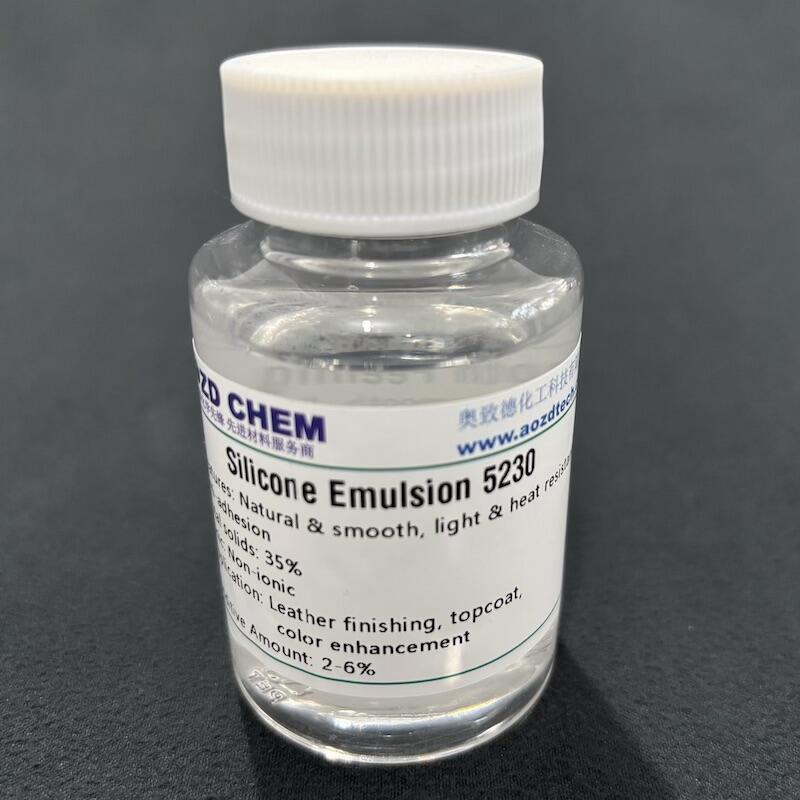
Water resistance stands as one of the most critical performance characteristics in modern coating applications across industries ranging from automotive to marine environments. Traditional coatings often struggle to maintain their protective properties when exposed to moisture, leading to degradation, corrosion, and premature failure. The integration of silicone dispersion technology has revolutionized how coatings achieve superior water resistance while maintaining other essential performance attributes. This advanced additive creates a unique molecular barrier that fundamentally alters the interaction between water molecules and the coating surface, resulting in enhanced durability and extended service life.
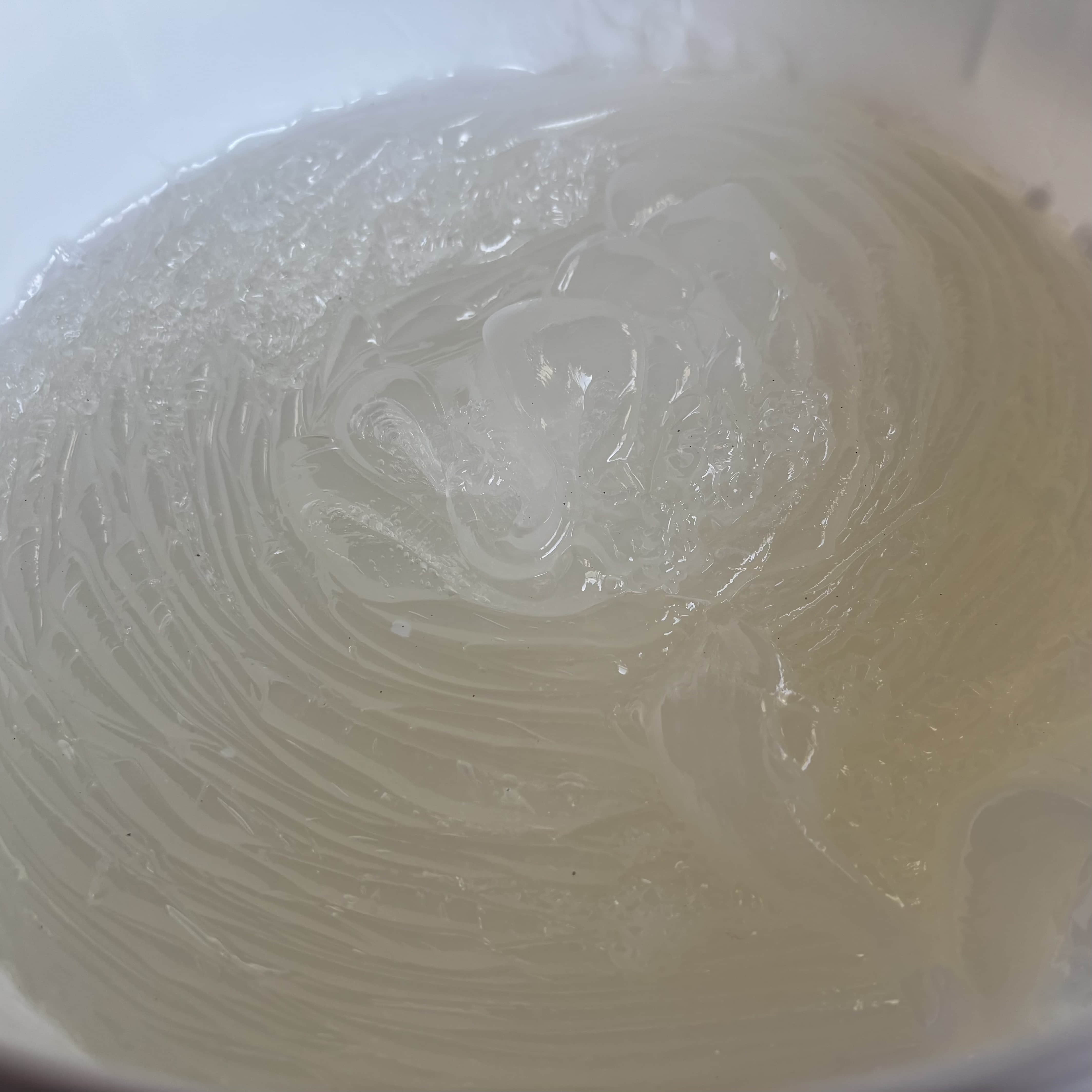
Understanding Silicone Dispersion Technology
Molecular Structure and Properties
The effectiveness of silicone dispersion in coating applications stems from its unique molecular architecture featuring silicon-oxygen backbone chains with organic side groups. This hybrid structure combines the flexibility and thermal stability of silicone polymers with the compatibility characteristics needed for seamless integration into various coating systems. The silicon-oxygen bonds provide exceptional resistance to UV radiation and temperature extremes, while the organic substituents enable proper dispersion throughout the coating matrix without compromising adhesion properties.
Modern silicone dispersion formulations utilize advanced emulsification techniques to achieve particle sizes in the nanometer range, ensuring uniform distribution and optimal performance enhancement. The controlled particle size distribution prevents agglomeration and maintains stable suspension properties throughout the coating's shelf life. This molecular engineering approach allows formulators to achieve precise control over hydrophobic properties while maintaining the mechanical integrity and appearance characteristics demanded by end-users.
Dispersion Mechanisms in Coating Systems
The incorporation of silicone dispersion into coating formulations involves complex physicochemical interactions that determine the final performance characteristics. During the mixing process, silicone particles migrate toward the coating surface due to their lower surface energy, creating a concentration gradient that enhances water repellency. This migration phenomenon occurs without disrupting the coating's internal structure or compromising adhesion to the substrate, making it an ideal solution for enhancing existing formulations.
Surface tension reduction represents another critical mechanism through which silicone dispersion improves coating performance. The presence of silicone molecules at the coating-air interface significantly lowers surface energy, creating conditions that promote water beading and rapid drainage. This effect becomes particularly pronounced in outdoor applications where efficient water shedding prevents the accumulation of contaminants and reduces the risk of biological growth on coated surfaces.
Water Resistance Enhancement Mechanisms
Hydrophobic Surface Modification
The primary mechanism through which silicone dispersion enhances water resistance involves the creation of hydrophobic surface characteristics that fundamentally alter water-coating interactions. When properly incorporated, silicone molecules orient themselves at the coating surface with hydrophobic groups extending outward, creating a low-energy interface that minimizes water adhesion. This molecular orientation occurs spontaneously during the curing process, driven by thermodynamic principles that favor the lowest energy configuration.
Contact angle measurements consistently demonstrate the dramatic improvement in water repellency achieved through silicone dispersion integration. Untreated coatings typically exhibit contact angles below 90 degrees, indicating hydrophilic behavior, while silicone-enhanced formulations routinely achieve contact angles exceeding 110 degrees. This transformation from hydrophilic to hydrophobic behavior represents a fundamental shift in surface chemistry that provides long-lasting protection against water-related degradation mechanisms.
Barrier Formation and Permeability Reduction
Beyond surface hydrophobicity, silicone dispersion creates an effective barrier against water penetration by modifying the coating's internal structure and permeability characteristics. The flexible silicone chains fill microscopic voids and imperfections within the coating matrix, creating a tortuous path for water molecules attempting to penetrate the protective layer. This barrier effect becomes particularly important in applications where complete water exclusion is critical for substrate protection.
The barrier properties of silicone-enhanced coatings extend beyond simple water exclusion to include resistance against water vapor transmission and ionic transport. This comprehensive protection mechanism prevents the initiation of corrosion processes and maintains coating integrity even under challenging environmental conditions. Laboratory testing demonstrates that silicone dispersion can reduce water vapor transmission rates by up to 70% compared to untreated formulations, providing quantifiable evidence of enhanced protective performance.
Application Benefits Across Industries
Automotive and Transportation
The automotive industry has embraced silicone dispersion technology as a solution for achieving superior paint durability and appearance retention in challenging environmental conditions. Vehicle coatings enhanced with silicone dispersion demonstrate exceptional resistance to water spotting, a common problem that occurs when mineral-rich water evaporates on painted surfaces. The hydrophobic properties promote rapid water drainage, preventing the formation of dried water spots that can permanently etch the coating surface.
Additionally, automotive applications benefit from the self-cleaning properties imparted by silicone dispersion integration. The low surface energy created by silicone molecules reduces the adhesion of dirt, pollutants, and other contaminants, allowing natural rainfall to effectively clean the vehicle surface. This characteristic significantly reduces maintenance requirements and helps preserve the vehicle's appearance throughout its service life, contributing to higher resale values and customer satisfaction.
Marine and Offshore Applications
Marine environments present some of the most challenging conditions for coating performance, combining constant water exposure with salt spray, UV radiation, and mechanical stress from wave action. Silicone dispersion technology addresses these challenges by providing exceptional saltwater resistance and maintaining coating flexibility under thermal cycling conditions. The enhanced water repellency prevents salt accumulation on coated surfaces, reducing the driving force for corrosion initiation.
Offshore structures benefit particularly from the long-term stability of silicone-enhanced coatings, which maintain their protective properties despite prolonged exposure to harsh marine conditions. The resistance to biological fouling represents another significant advantage, as the low-energy surface created by silicone dispersion inhibits the attachment of marine organisms. This anti-fouling effect reduces maintenance requirements and helps maintain the hydrodynamic efficiency of vessel hulls and offshore equipment.
Performance Optimization and Formulation Considerations
Concentration Effects and Dosage Guidelines
Achieving optimal water resistance enhancement requires careful attention to silicone dispersion concentration within the coating formulation. Research indicates that performance benefits increase progressively with concentration up to an optimal level, typically ranging from 1% to 5% by weight depending on the specific application requirements. Beyond this optimal range, excessive silicone content can lead to compatibility issues and may compromise other coating properties such as adhesion or gloss development.
The relationship between concentration and performance follows a complex curve influenced by factors including coating chemistry, substrate type, and environmental conditions. Formulators must balance water resistance enhancement with other performance requirements to achieve the optimal overall coating system. Advanced analytical techniques such as dynamic light scattering and surface tension measurements provide valuable tools for optimizing silicone dispersion concentration during formulation development.
Compatibility with Different Coating Systems
Modern silicone dispersion products demonstrate excellent compatibility with a wide range of coating chemistries, including acrylics, polyurethanes, epoxies, and alkyd systems. This versatility allows formulators to enhance existing products without requiring complete reformulation, reducing development time and costs. The key to successful integration lies in understanding the specific interaction mechanisms between silicone dispersion and the host coating chemistry.
Compatibility testing protocols should evaluate both immediate mixing behavior and long-term stability under accelerated aging conditions. Parameters such as viscosity stability, color retention, and performance property maintenance provide critical data for formulation optimization. Successful silicone dispersion integration requires attention to mixing procedures, cure conditions, and storage requirements to ensure consistent performance across production batches.
Testing and Quality Assurance Methods
Water Resistance Evaluation Techniques
Comprehensive evaluation of silicone dispersion effectiveness requires standardized testing protocols that accurately simulate real-world exposure conditions. Contact angle measurement represents the most direct method for assessing surface hydrophobicity, providing quantitative data on water repellency characteristics. Advanced goniometry techniques enable precise measurement of both static and dynamic contact angles, offering insights into water droplet behavior under various conditions.
Water vapor transmission testing provides complementary data on barrier properties, measuring the coating's ability to prevent moisture penetration over extended periods. This testing becomes particularly important for applications requiring long-term protection against humidity and condensation. Salt spray testing, conducted according to ASTM B117 or equivalent standards, evaluates performance under accelerated corrosion conditions that simulate marine and industrial environments.
Accelerated Weathering and Durability Assessment
Long-term performance validation requires accelerated weathering protocols that compress years of natural exposure into manageable testing timeframes. UV exposure chambers equipped with controlled temperature and humidity systems provide standardized conditions for evaluating coating durability. These tests reveal how silicone dispersion affects coating degradation mechanisms and helps predict service life under various environmental conditions.
Cyclic testing protocols that alternate between wet and dry conditions provide particularly valuable insights into coating performance under realistic exposure scenarios. These tests evaluate the coating's ability to maintain water resistance after repeated wetting and drying cycles, which can cause stress cracking and property degradation in poorly formulated systems. Advanced characterization techniques such as atomic force microscopy and scanning electron microscopy enable detailed analysis of surface morphology changes during weathering exposure.
Future Developments and Emerging Technologies
Nanotechnology Integration
The convergence of silicone dispersion technology with nanotechnology opens new possibilities for achieving unprecedented levels of water resistance and multifunctional coating performance. Nanostructured silicone particles offer enhanced surface area and improved dispersion characteristics, enabling lower usage levels while maintaining or exceeding current performance standards. These advanced materials can create hierarchical surface structures that amplify hydrophobic effects through micro and nano-scale surface texturing.
Research into self-assembling silicone nanostructures promises to revolutionize coating application methods by enabling in-situ formation of optimized surface morphologies. These systems could automatically adapt to substrate characteristics and environmental conditions, providing customized protection levels without requiring complex formulation adjustments. The integration of smart materials capable of responding to environmental triggers represents another frontier in advanced coating technology development.
Sustainable and Bio-Based Alternatives
Environmental considerations are driving research into sustainable alternatives to traditional silicone dispersion products, focusing on bio-based raw materials and reduced environmental impact throughout the product lifecycle. These developments aim to maintain the performance advantages of silicone technology while addressing growing demands for environmentally responsible coating solutions. Advanced polymer chemistry techniques enable the synthesis of bio-derived silicone analogs with comparable performance characteristics.
Circular economy principles are influencing the development of recyclable and biodegradable silicone dispersion products that minimize long-term environmental impact. These innovations require careful balance between performance requirements and environmental considerations, often leading to hybrid approaches that combine traditional and sustainable technologies. The success of these developments depends on continued collaboration between coating manufacturers, raw material suppliers, and end-users to establish performance standards and acceptance criteria.
FAQ
What is the optimal concentration of silicone dispersion for maximum water resistance
The optimal concentration typically ranges from 1% to 5% by weight, depending on the specific coating system and application requirements. Lower concentrations around 1-2% are often sufficient for general water resistance enhancement, while demanding applications such as marine coatings may require concentrations up to 5%. Beyond 5%, additional silicone content rarely provides proportional performance benefits and may negatively impact other coating properties such as adhesion or appearance.
Can silicone dispersion be added to existing coating formulations without major modifications
Yes, modern silicone dispersion products are designed for easy integration into existing formulations with minimal modifications required. The key considerations include proper mixing procedures to ensure uniform distribution and compatibility testing to verify that the silicone dispersion does not adversely affect other coating properties. Most formulations can accommodate silicone dispersion addition with only minor adjustments to application parameters or cure conditions.
How long does the water resistance enhancement from silicone dispersion typically last
The durability of water resistance enhancement depends on environmental conditions and coating formulation quality, but properly formulated systems typically maintain enhanced water repellency for 5-10 years or longer. Marine and industrial environments may reduce this timeframe due to aggressive exposure conditions, while indoor or mild outdoor applications often exceed the expected performance duration. Regular maintenance and recoating according to manufacturer recommendations help maximize the longevity of silicone-enhanced coatings.
Does silicone dispersion affect the appearance or color of the coating
High-quality silicone dispersion products are formulated to be optically clear and should not affect the coating's appearance or color when used at recommended concentrations. Some lower-grade products may impart a slight haze or affect gloss levels, which is why selection of appropriate silicone dispersion grades is critical for applications where appearance is important. Compatibility testing during formulation development helps identify and resolve any potential appearance issues before commercial production.
Table of Contents
- Understanding Silicone Dispersion Technology
- Water Resistance Enhancement Mechanisms
- Application Benefits Across Industries
- Performance Optimization and Formulation Considerations
- Testing and Quality Assurance Methods
- Future Developments and Emerging Technologies
-
FAQ
- What is the optimal concentration of silicone dispersion for maximum water resistance
- Can silicone dispersion be added to existing coating formulations without major modifications
- How long does the water resistance enhancement from silicone dispersion typically last
- Does silicone dispersion affect the appearance or color of the coating