
 EN
EN
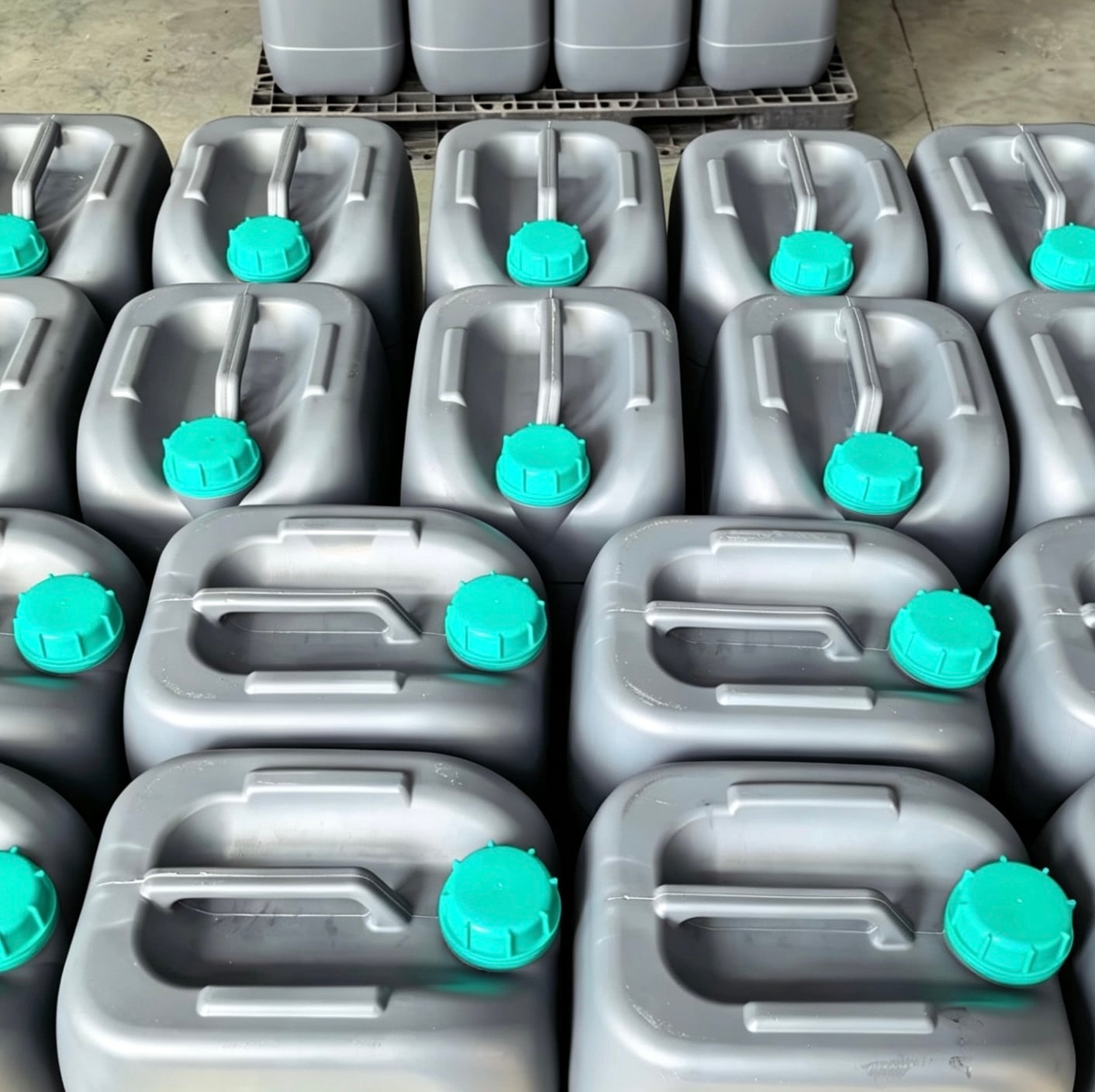
The textile industry demands precision machinery that operates reliably under demanding conditions. Vortex spinning oil has emerged as a critical innovation that directly addresses two persistent operational challenges: machine wear and airborne dust contamination. Understanding how vortex spinning oil reduces machine wear and dust requires examining the fundamental mechanisms behind this specialized lubricant formulation and its impact on production efficiency.
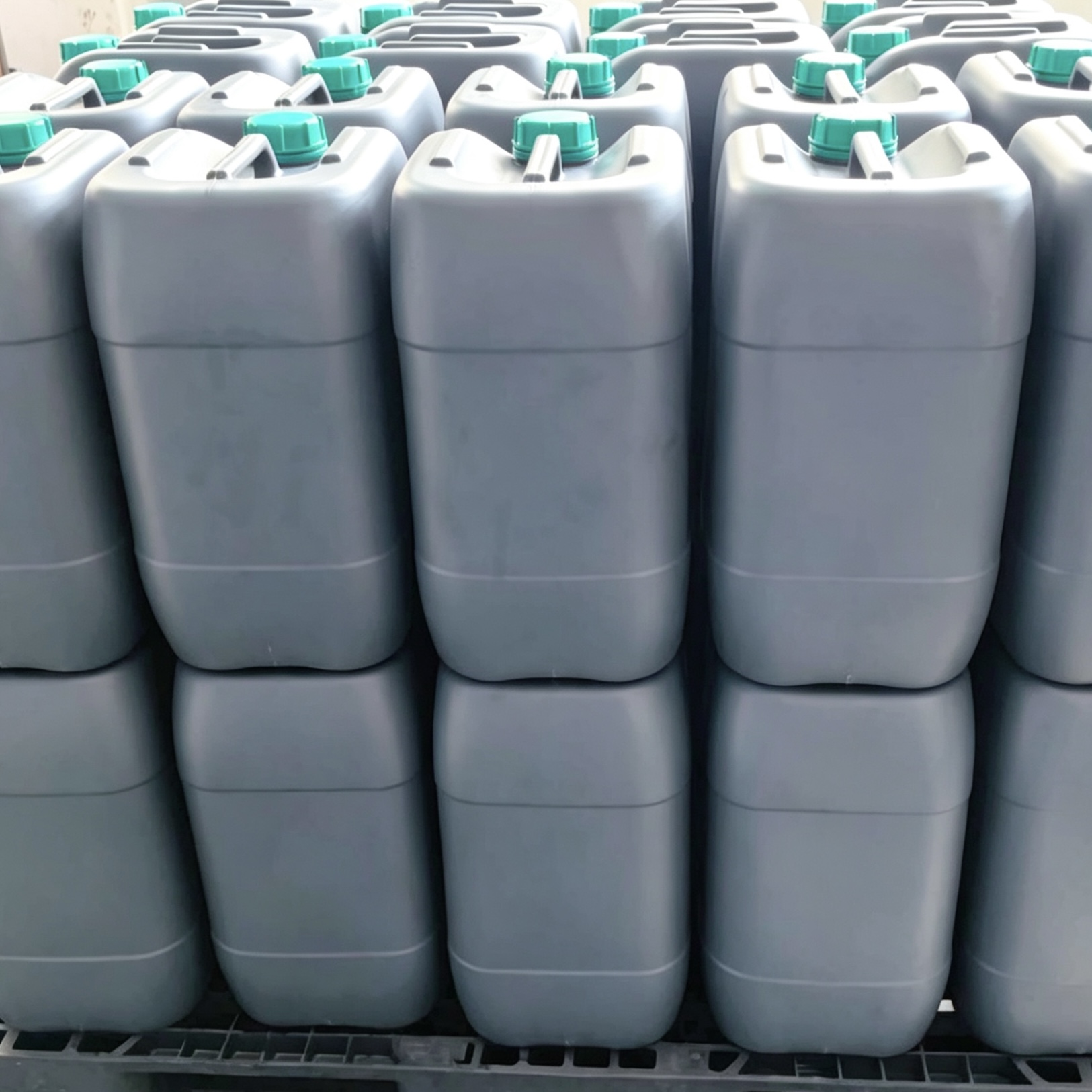
Modern textile production relies heavily on spindle speeds and mechanical contact points that generate friction, heat, and particulate matter. The vortex spinning oil technology represents a fundamental shift in how operators manage lubrication efficiency and workplace environmental quality. By implementing vortex spinning oil in your spinning frames and related machinery, you can significantly extend equipment lifespan while simultaneously reducing the dust emissions that affect both product quality and worker safety.
The Science Behind Vortex Spinning Oil Performance
Friction Reduction and Boundary Lubrication
Vortex spinning oil operates through a sophisticated boundary lubrication mechanism that minimizes direct metal-to-metal contact within spinning machinery. The formulation contains specialized additives that create a protective film on bearing surfaces, spindle journals, and friction points where conventional oils fail to provide adequate protection. This molecular adhesion layer ensures that vortex spinning oil maintains its protective properties even during extreme temperature fluctuations and high rotational velocities typical in textile production environments.
The viscosity profile of vortex spinning oil is engineered to remain stable across the temperature ranges encountered during continuous operations. Unlike standard mineral oils that become too thin when heated or too viscous when cooled, vortex spinning oil maintains optimal film thickness regardless of seasonal changes or spindle temperature variations. This consistency directly translates to reduced wear rates on critical components like spindle bearings, yarn guides, and twist mechanisms where vortex spinning oil is applied.
Anti-Wear Additive Technology
The anti-wear chemistry embedded within vortex spinning oil includes zinc dialkyldithiophosphates and other reactive compounds that bond to metal surfaces under stress. When mechanical contact occurs, these additives in vortex spinning oil react to form a protective layer that prevents surface oxidation and adhesive wear. This proactive chemistry means that vortex spinning oil doesn't simply reduce friction passively; it actively combats the mechanisms that cause equipment degradation.
Compared to legacy lubricants, vortex spinning oil reduces wear rates by up to 60 percent on high-speed spinning frames. This dramatic improvement stems from the advanced molecular structure that allows vortex spinning oil to penetrate micro-asperities on metal surfaces, filling gaps that conventional oils cannot reach. The result is smoother operation, reduced vibration, and lower energy consumption across your spinning production line.
Dust Reduction Mechanisms and Environmental Impact
Volatile Organic Compound Suppression
One of the most significant advantages of vortex spinning oil is its ability to minimize volatile organic compound emissions that contribute to workplace dust accumulation. Vortex spinning oil formulations use high-boiling-point base stocks that remain stable at elevated spindle temperatures without vaporizing or degrading into aerosol particles. This means that vortex spinning oil generates substantially fewer airborne contaminants compared to conventional mineral oils that easily volatilize and create visible haze around spinning frames.
The dust created in textile mills comes from multiple sources: fiber fragments, oil mist, oxidized lubricant breakdown products, and mechanical wear particles. By selecting vortex spinning oil as your primary lubricant, you specifically eliminate the oil mist component, which typically accounts for 40 to 50 percent of measured dust in poorly maintained spinning areas. The result is measurably cleaner air, reduced settling dust on finished products, and compliance with increasingly stringent workplace exposure limits.
Surface Cleanliness and Fiber Contamination Prevention
Vortex spinning oil maintains superior surface cleanliness on spinning frames and yarn guides due to its advanced detergent-dispersant chemistry. Unlike older formulations that leave sticky residue buildup, vortex spinning oil keeps surfaces clean and prevents the accumulation of oxidized oil films that attract dust particles. This self-cleaning property of vortex spinning oil is particularly important in areas where yarn directly contacts oiled surfaces, as contamination directly degrades yarn quality and final fabric appearance.
The dust suppression capability of vortex spinning oil extends beyond air quality to actual product protection. Vortex spinning oil reduces the risk of oil spots and dust spots on finished yarn by maintaining cleaner spinning frame surfaces. This becomes increasingly valuable in premium yarn production where minimal contamination is non-negotiable, making vortex spinning oil the preferred choice for quality-focused textile manufacturers.
Operational and Economic Benefits of Vortex Spinning Oil
Extended Equipment Service Intervals
Implementing vortex spinning oil directly extends the maintenance intervals for critical spinning machinery components. Spindle bearings lubricated with vortex spinning oil require replacement far less frequently than those maintained with conventional lubricants. The superior film strength and anti-wear chemistry of vortex spinning oil mean bearing degradation progresses at a significantly slower rate, allowing manufacturers to schedule maintenance based on actual operational data rather than conservative time intervals.
Beyond bearing life, vortex spinning oil preserves the integrity of yarn guide elements, twist mechanism components, and spindle shafts themselves. Textile facilities using vortex spinning oil report 35 to 45 percent longer equipment lifespan on spinning frames compared to those using standard lubricants. This extended service life reduces both planned maintenance costs and unexpected downtime events that disrupt production schedules and increase operational expenses.
Productivity and Efficiency Gains
The friction reduction properties of vortex spinning oil directly translate to improved spinning frame performance and productivity metrics. Lower friction means spindles can achieve target speeds with less electrical energy consumption, typically reducing energy usage by 8 to 12 percent. Additionally, vortex spinning oil reduces the heat generation within spindle bearings, allowing machinery to operate at consistent temperatures and reducing the need for external cooling systems in some applications.
Vortex spinning oil also improves yarn consistency by maintaining stable lubrication conditions throughout production shifts. With less thermal fluctuation and more predictable friction characteristics, vortex spinning oil enables operators to achieve tighter yarn specifications and reduce production variability. For textile manufacturers competing on quality metrics, this consistency advantage of vortex spinning oil directly supports premium pricing and customer retention strategies.
FAQ
How often should vortex spinning oil be applied to spinning frames?
The application frequency of vortex spinning oil depends on your specific frame design and production intensity, but most manufacturers recommend applying vortex spinning oil every 8 to 12 hours of continuous operation. Modern oil application systems can automate this process, delivering precisely measured amounts of vortex spinning oil to critical contact points without over-lubrication. Your equipment manufacturer's specifications should be your primary reference, but vortex spinning oil's superior film strength often permits longer intervals compared to conventional oils.
Is vortex spinning oil compatible with existing textile machinery?
Yes, vortex spinning oil is formulated to be compatible with virtually all modern spinning frames and traditional models. The viscosity grades of vortex spinning oil align with ISO standards, and its chemical composition is designed to work seamlessly with existing bearing materials and seals. Before switching to vortex spinning oil, consult your equipment manual to verify the recommended viscosity grade, as different machines may require ISO 32, ISO 46, or ISO 68 versions of vortex spinning oil. A proper flush of the lubrication system is recommended when transitioning to vortex spinning oil from other products.
What environmental certifications does vortex spinning oil hold?
Premium formulations of vortex spinning oil meet stringent environmental standards including biodegradability requirements and low-toxicity specifications. Many vortex spinning oil products carry eco-label certifications and comply with REACH and other regulatory frameworks that govern industrial lubricants in textile production. When selecting vortex spinning oil for your facility, verify that your specific product grade carries environmental certifications appropriate for your region and customer requirements, as these certifications increasingly influence purchasing decisions in the textile supply chain.