
 EN
EN
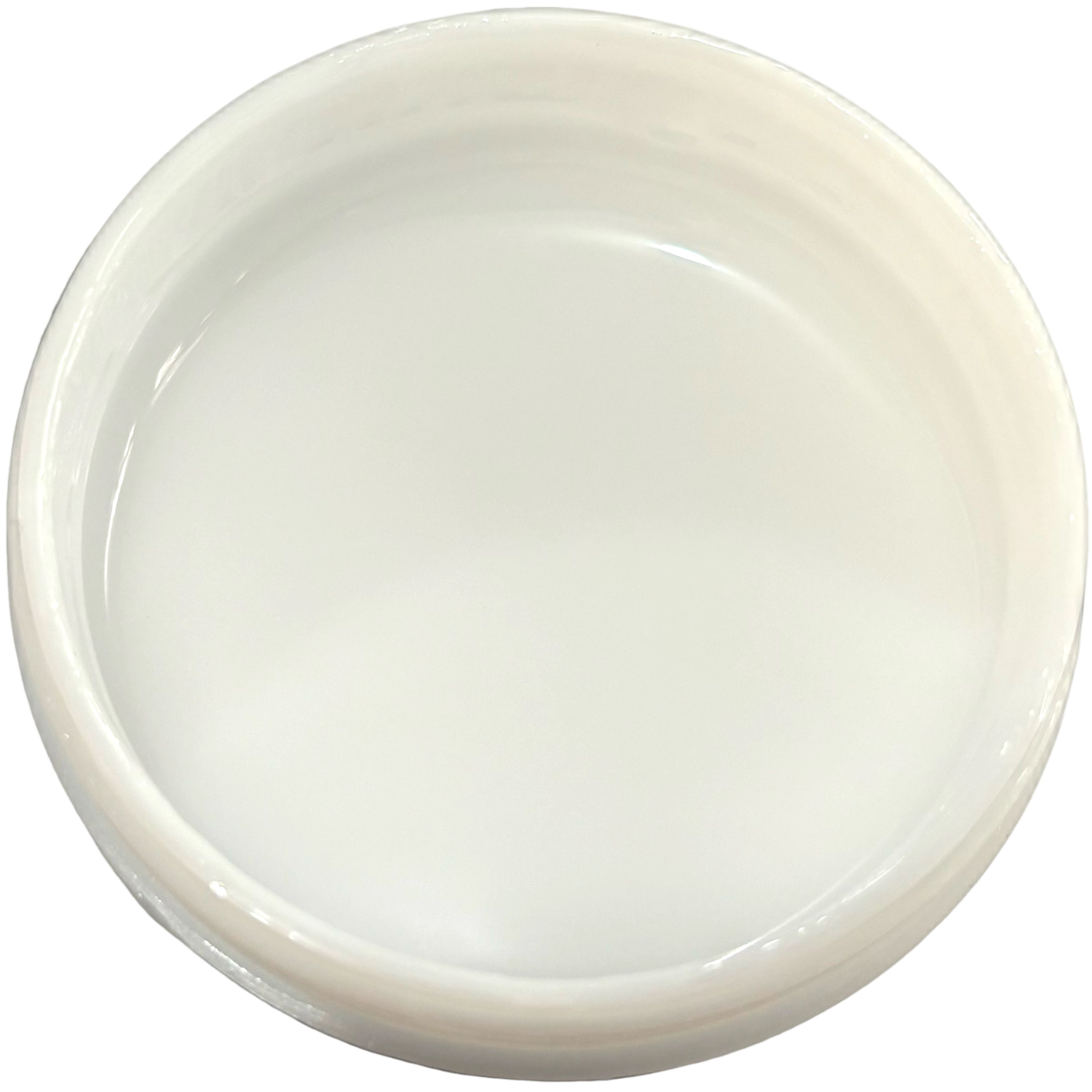
Long-term storage of silicone dispersion can present significant challenges for manufacturers and formulators across diverse industries. One of the most common issues encountered is phase separation, where the silicone dispersion loses its homogeneous consistency and begins to stratify into distinct layers. This phenomenon not only compromises product performance but also raises questions about shelf life, quality control, and overall production reliability. Understanding the root causes of why silicone dispersion separates during extended storage is essential for anyone working with these specialized materials in coatings, adhesives, elastomers, or personal care applications.
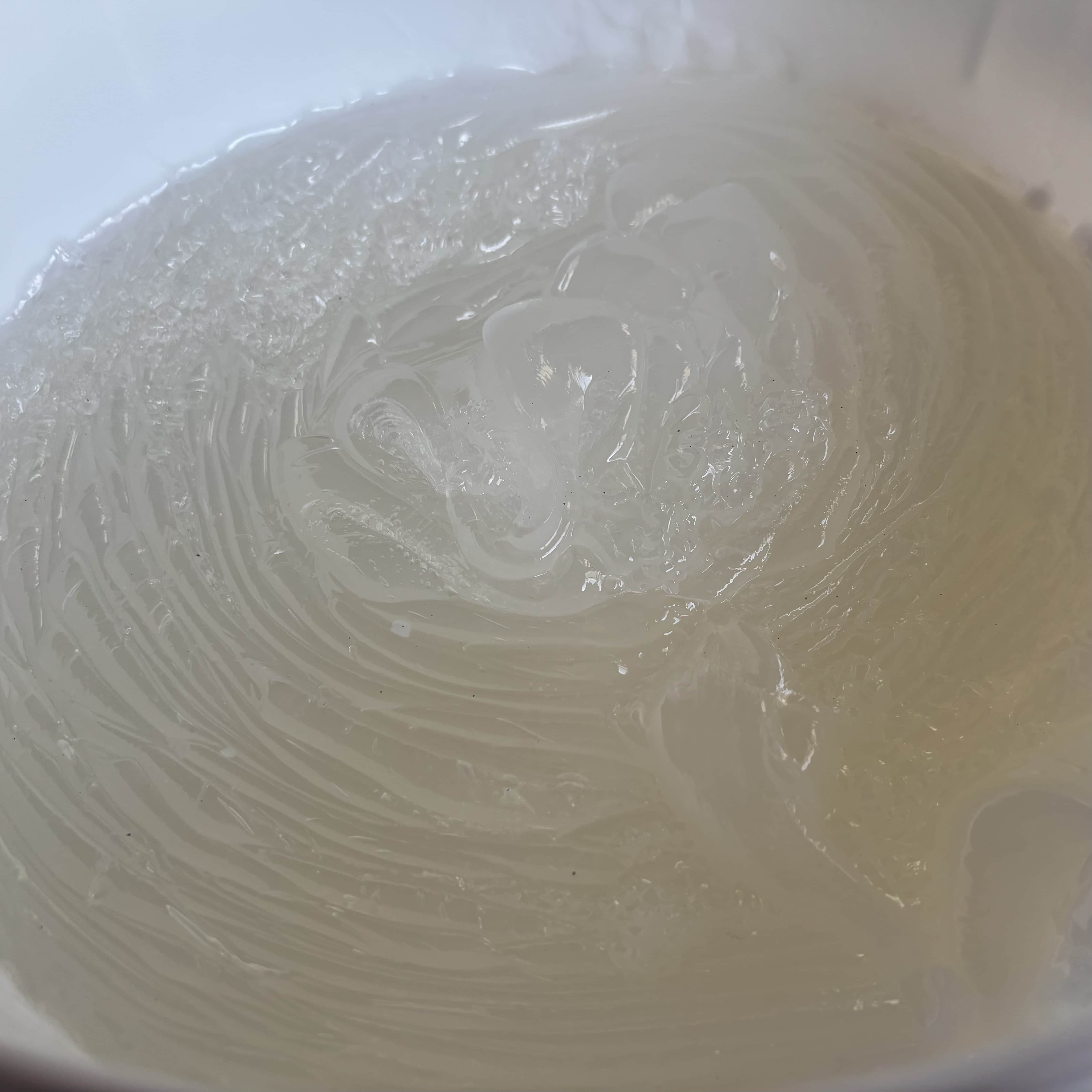
The stability of a silicone dispersion depends on multiple interconnected factors, including particle size distribution, surfactant chemistry, viscosity balance, and environmental storage conditions. When proper preventative measures are not in place, even premium-grade silicone dispersion products can experience unwanted separation over weeks or months. This article explores the mechanisms behind silicone dispersion separation, identifies the primary contributing factors, and presents practical solutions to maintain product integrity throughout the storage lifecycle.
Understanding the Root Causes of Silicone Dispersion Separation
Particle Settling and Gravity Effects
The most straightforward cause of silicone dispersion separation is particle settling due to gravitational forces. When a silicone dispersion sits in storage, the dispersed silicone particles tend to sink toward the bottom of the container if the continuous phase density is higher than the particle density. This gravitational settling becomes more pronounced over extended periods, particularly when the silicone dispersion is stored in vertical containers without agitation. The rate of settling depends on particle size, viscosity of the continuous phase, and the density difference between the dispersed and continuous phases. Smaller particles settle more slowly than larger ones, which is why maintaining consistent particle size control is critical for silicone dispersion formulation.
Surfactant Depletion and Reduced Steric Stabilization
Silicone dispersion stability relies heavily on surfactants that create a protective barrier around each dispersed particle, preventing them from aggregating or separating. Over time, these surfactant molecules can migrate away from the particle surface, desorb into the continuous phase, or degrade due to chemical reactions with environmental factors. When surfactant concentration drops below critical levels, the stabilizing barrier weakens, and the silicone dispersion becomes vulnerable to separation. Temperature fluctuations and exposure to light can accelerate this surfactant degradation process, making storage environment control essential for preserving silicone dispersion integrity. The loss of effective steric hindrance directly correlates with an increased tendency toward phase separation and particle agglomeration.
Environmental and Storage Conditions Affecting Silicone Dispersion Stability
Temperature Fluctuations and Thermal Stress
Temperature changes represent one of the most significant threats to silicone dispersion stability during long-term storage. Thermal cycles cause the continuous phase to expand and contract at different rates than the dispersed silicone particles, creating mechanical stress within the dispersion matrix. Elevated temperatures accelerate molecular motion and chemical reactions, while temperature drops can increase viscosity and alter the balance of intermolecular forces holding the silicone dispersion together. Inconsistent warehouse environments with day-night temperature swings or seasonal variations can trigger visible separation in sensitive silicone dispersion formulations. Maintaining storage temperatures within a narrow, controlled range is one of the most effective methods to prevent separation and ensure that silicone dispersion remains stable throughout its shelf life.
Moisture Ingress and Hydrolytic Degradation
Exposure to atmospheric moisture is another critical factor that can compromise silicone dispersion stability. Water ingress can trigger hydrolytic reactions, particularly in formulations containing reactive silicone components or moisture-sensitive surfactants. When water accumulates in the silicone dispersion container, it may create a separate aqueous phase, leading to visible stratification and loss of product homogeneity. Humid storage environments accelerate this moisture penetration through container seals and closures. Proper containerization with hermetic seals and desiccant packs can significantly reduce the risk of moisture-related separation in stored silicone dispersion products. The interaction between water and the silicone dispersion matrix can also trigger salt formation and electrolyte imbalances that destabilize particle suspension.
Practical Solutions to Prevent Silicone Dispersion Separation
Optimized Formulation and Stabilizer Selection
The foundation of preventing silicone dispersion separation begins with thoughtful formulation design. Selecting appropriate stabilizers, surfactants, and thickening agents tailored to the specific application creates a more resilient silicone dispersion matrix. Multi-layer stabilization strategies that combine electrostatic, steric, and polymeric stabilization mechanisms provide superior protection compared to single-mechanism approaches. Higher molecular weight polymers can increase the viscosity of the continuous phase, which directly slows particle settling and improves silicone dispersion shelf life. Additionally, choosing surfactants with stronger molecular anchoring to the silicone particle surface ensures longer-lasting protection and more stable silicone dispersion performance throughout extended storage periods. Working with experienced formulation specialists can help optimize the balance between stability, performance, and cost-effectiveness for your specific silicone dispersion application.
Controlled Storage Environment and Container Design
Implementing rigorous storage protocols is equally important as formulation optimization for maintaining silicone dispersion integrity. Temperature-controlled warehouses with maintained ranges between 15–25 degrees Celsius prevent thermal stress and separation. Storing silicone dispersion in dark, sealed containers protects against photodegradation and moisture absorption. Container selection matters significantly; opaque, rigid containers with superior seal integrity prevent oxygen infiltration and water vapor transmission that could compromise the silicone dispersion. Regular inventory rotation using first-in-first-out principles ensures that stored silicone dispersion does not exceed recommended shelf-life windows. Some advanced storage solutions include nitrogen flushing of container headspace to eliminate oxygen that might trigger oxidative degradation of surfactants and other components stabilizing the silicone dispersion.
Periodic Agitation and Reconditioning Methods
Gentle agitation during storage can effectively counteract gravitational settling and maintain silicone dispersion homogeneity. Slow-speed stirring or rolling of containers at regular intervals redistributes settled particles and refreshes surfactant surface coverage around each silicone dispersion droplet. Some manufacturers employ specialized storage tanks with low-speed mixers or gentle recirculation systems that continuously maintain silicone dispersion suspension without generating shear forces that might damage particle structure. For long-term warehouse storage, programmable automated agitation systems can provide cost-effective solutions that require minimal manual intervention. Even occasional manual agitation, performed monthly or quarterly, can significantly extend the storage life of silicone dispersion products and maintain their performance characteristics until end-use application.
FAQ
What is the typical shelf life of silicone dispersion before separation becomes visible?
The shelf life of silicone dispersion varies based on formulation, storage conditions, and product specifications, but most industrial-grade silicone dispersion products maintain acceptable stability for 6–12 months under optimal controlled storage conditions. Products stored at fluctuating temperatures or in non-ideal environments may show visible separation within 3–6 months. Premium stabilized silicone dispersion formulations can extend this window to 18–24 months. Temperature control, moisture protection, and periodic agitation are the primary factors determining how long silicone dispersion remains usable. Always verify the manufacturer's recommended storage conditions and check for separation before using stored silicone dispersion in critical applications.
Can separated silicone dispersion be recombined and used again?
Moderate separation in silicone dispersion can often be reversed through vigorous agitation, heating to controlled temperatures, and mechanical mixing. However, the success of reconditioning depends on the degree of phase separation and the underlying cause. If separation resulted from simple settling, thorough mixing typically restores silicone dispersion homogeneity. If separation resulted from irreversible chemical degradation or surfactant breakdown, mechanical reconditioning alone may not restore full performance properties of the silicone dispersion. Prolonged separation can also lead to particle agglomeration that becomes difficult to break down, compromising the silicone dispersion's particle size distribution and functional characteristics. It is generally safer to rely on prevention through proper storage rather than attempting to recondition seriously separated silicone dispersion products.
How can I test silicone dispersion stability without expensive laboratory equipment?
Visual inspection is the simplest method for assessing silicone dispersion stability; look for layer formation, color change, or unusual texture. Allow a sample of silicone dispersion to sit undisturbed for several hours and observe whether distinct phases separate or the product remains uniformly distributed. Viscosity changes indicate potential instability in the silicone dispersion formulation. Perform shake tests by vigorously agitating a sealed sample of silicone dispersion and observing how quickly it returns to its original state; stable silicone dispersion should resist separation after agitation. Some manufacturers recommend specific gravity measurements or particle size comparisons between fresh and stored silicone dispersion samples. More sophisticated accelerated aging tests, such as centrifuge stress testing or thermocyclic storage trials, can predict long-term silicone dispersion stability under real-world conditions without requiring months of observation.