
 EN
EN
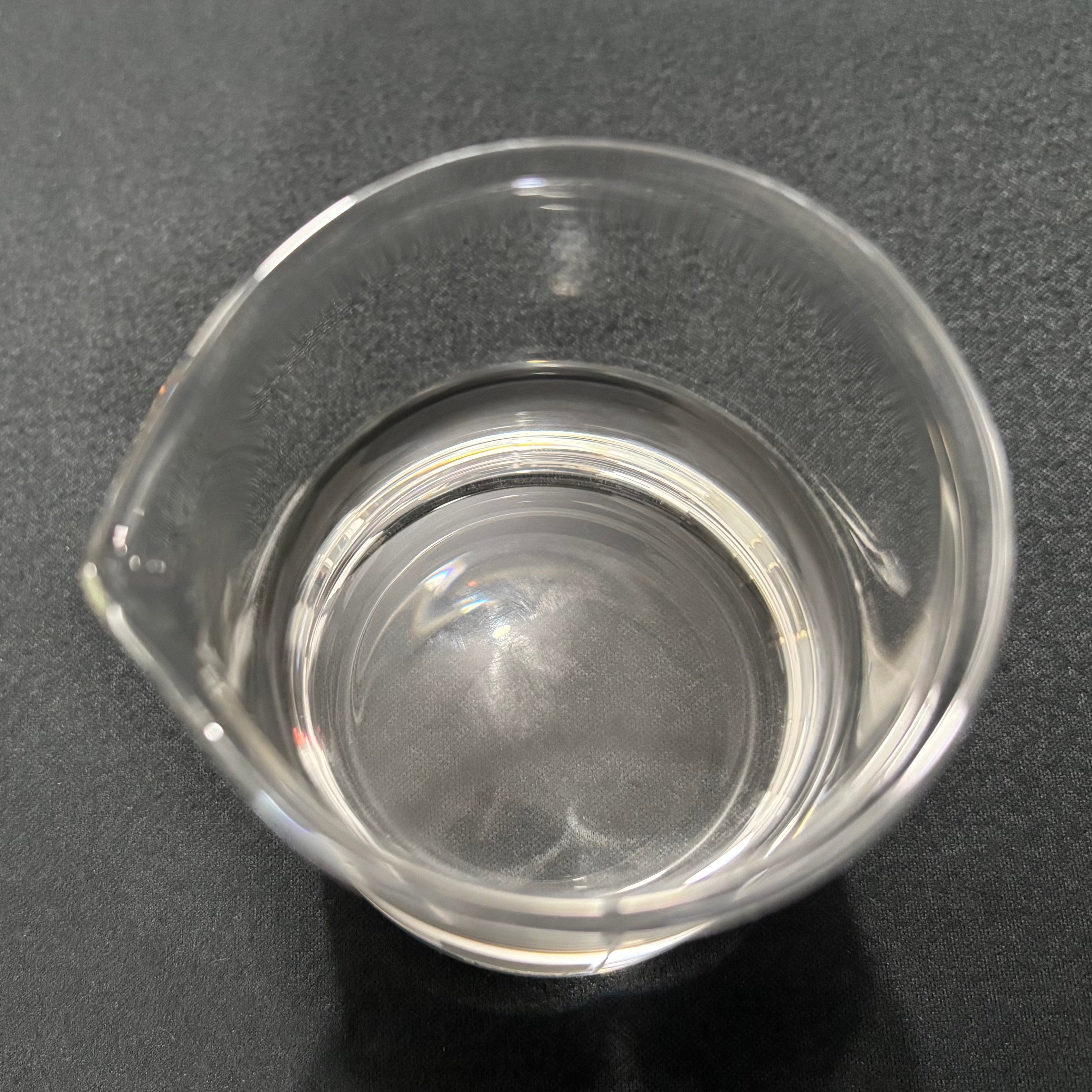
Selecting the right silicone fluid supplier is one of the most critical decisions a manufacturing facility or industrial operation can make. Your silicone fluid supplier directly impacts product quality, regulatory compliance, and operational efficiency. Yet many companies fail to properly verify whether their silicone fluid supplier truly meets global purity standards before committing to long-term partnerships. This oversight can lead to contamination issues, failed batches, regulatory penalties, and damaged customer relationships. Understanding how to assess your silicone fluid supplier's capabilities and certifications is essential for protecting your supply chain and maintaining competitive advantage in today's quality-conscious market.
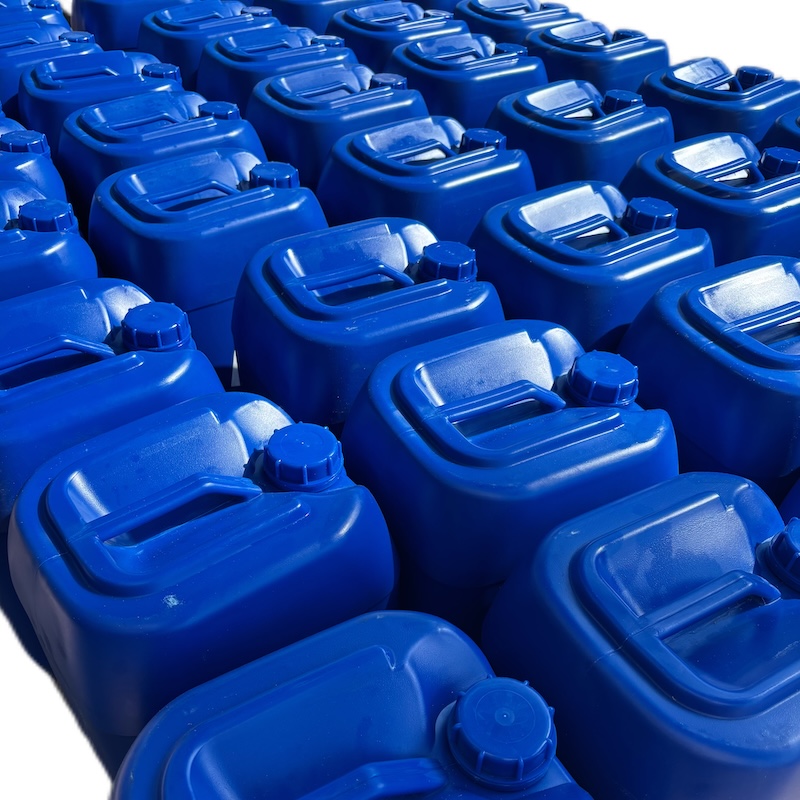
Global purity standards for silicone fluid have become increasingly stringent across industries including pharmaceuticals, cosmetics, electronics, and food processing. A reliable silicone fluid supplier must demonstrate compliance with international certifications, maintain documented quality control processes, and provide transparent third-party testing results. This article explores the key indicators that distinguish a qualified silicone fluid supplier from one that merely claims compliance without substantive verification.
Understanding Global Purity Standards for Silicone Fluid
International Certifications and Regulatory Frameworks
Your silicone fluid supplier should hold recognized certifications from authoritative bodies. ISO 9001 certification indicates that your silicone fluid supplier maintains documented quality management systems and consistent manufacturing processes. However, for pharmaceutical and food-grade applications, your silicone fluid supplier must also comply with FDA regulations, USP (United States Pharmacopeia) standards, or European Pharmacopoeia requirements. A legitimate silicone fluid supplier will openly provide copies of these certifications and explain how each applies to their specific product lines. Many companies assume their silicone fluid supplier meets these standards without requesting proof, which is a costly mistake.
Purity Specifications and Testing Parameters
Silicone fluid purity is measured across multiple parameters: water content, particle contamination, viscosity consistency, and presence of volatile organic compounds. Your silicone fluid supplier should provide detailed specification sheets that clearly define acceptable limits for each parameter. These limits vary depending on industry application—pharmaceutical-grade silicone fluid requires stricter purity than industrial silicone fluid used in manufacturing equipment. A credible silicone fluid supplier uses third-party laboratories for independent testing and provides certificates of analysis with every batch. Batch-to-batch consistency is a hallmark of a professional silicone fluid supplier, whereas sporadic quality variations suggest inadequate quality control infrastructure.
Key Indicators That Your Silicone Fluid Supplier Meets Standards
Documentation and Traceability Systems
A trustworthy silicone fluid supplier maintains complete raw material traceability systems. This means your silicone fluid supplier can document the origin, testing results, and manufacturing date for every component used in production. Advanced silicone fluid suppliers employ batch serialization, allowing you to track exactly which raw materials entered your specific silicone fluid delivery. This transparency is critical in regulated industries where you must demonstrate supply chain integrity to regulatory auditors. Your silicone fluid supplier should provide digital access to testing records, manufacturing logs, and quality control reports without requiring extensive delays or bureaucratic obstacles.
Third-Party Audits and Compliance Verification
Beyond internal certifications, a genuinely compliant silicone fluid supplier welcomes third-party audits from customers and regulatory bodies. These audits verify that manufacturing facilities, equipment, and personnel meet stated standards. Request that your silicone fluid supplier provide recent audit reports from recognized inspection firms. A hesitant silicone fluid supplier or one that limits audit access is a red flag. Additionally, your silicone fluid supplier should maintain membership in industry associations that set or enforce quality standards, demonstrating commitment to continuous improvement and peer accountability. Environmental certifications (such as ISO 14001) indicate that your silicone fluid supplier also manages waste and emissions responsibly, which increasingly matters to end customers and regulators.
Risk Assessment When Evaluating Your Silicone Fluid Supplier
Common Compliance Gaps in Silicone Fluid Supply Chains
Many companies discover compliance failures only after problems occur. Common gaps include silicone fluid suppliers using untested raw materials, inadequate cleaning between production batches, or outdated testing equipment that misses contamination. Some silicone fluid suppliers claim certifications they do not hold or have not renewed. Others maintain compliance in their main product line but cut corners on specialty or lower-volume silicone fluid formulations. Request that your silicone fluid supplier provide scope statements showing exactly which products, batches, and facilities fall under each certification. Cross-reference these claims by contacting the certifying bodies directly—fraudulent or expired certifications are surprisingly common in supply chains where verification is lax.
Capacity for Custom Purity Requirements
Different applications demand different silicone fluid purity profiles. Aerospace silicone fluid must meet MIL-PRF-23827 specifications, while biomedical applications require silicone fluid meeting USP or ISO 10993 biocompatibility standards. A capable silicone fluid supplier can adjust manufacturing protocols, testing parameters, and documentation to meet your specific requirements without claiming that their standard product automatically satisfies all applications. Red flags include a silicone fluid supplier who insists one purity specification fits all uses or refuses to accommodate third-party testing requests. Flexibility combined with documented quality protocols indicates a mature, customer-focused silicone fluid supplier that understands regulatory complexity.
Practical Steps to Verify Your Silicone Fluid Supplier's Compliance
Establishing a Supplier Audit Protocol
Develop a structured audit checklist before engaging with any silicone fluid supplier. Include items such as facility certification status, raw material sourcing practices, quality control procedures, testing frequency, contamination prevention measures, and regulatory training documentation. Schedule on-site visits to your silicone fluid supplier's manufacturing facility—remote verification alone is insufficient for high-stakes applications. During facility visits, observe manufacturing areas for cleanliness, equipment maintenance, and staff competence. Speak directly with your silicone fluid supplier's quality managers about their interpretation of relevant standards and their approach to handling non-conforming batches. A transparent silicone fluid supplier welcomes these conversations; a defensive silicone fluid supplier may indicate deeper problems.
Documentation Review and Ongoing Monitoring
Request that your silicone fluid supplier provide documentation for the past two years covering certificates of analysis, quality incidents, corrective action records, and audit findings. This historical record reveals patterns—whether your silicone fluid supplier consistently meets specifications or struggles with recurring issues. Implement a quarterly review schedule where you examine recent testing data and discuss any out-of-specification results with your silicone fluid supplier. A high-performing silicone fluid supplier will proactively communicate issues and their resolution steps. Additionally, specify in your supply agreement that your silicone fluid supplier must notify you immediately of any regulatory warnings, failed audits, or product recalls. This contractual obligation ensures your silicone fluid supplier remains accountable and transparent throughout the partnership.
FAQ
What purity standards should my silicone fluid supplier meet?
The specific standards depend on your application. General industrial silicone fluid might require ISO 9001 certification and basic contamination limits. Pharmaceutical or food-contact silicone fluid requires FDA or USP compliance with much stricter particle and water content limits. Aerospace silicone fluid must meet MIL-PRF standards. Your silicone fluid supplier should help identify the correct standards for your use case and provide proof of compliance through certifications and test reports.
How often should my silicone fluid supplier test batches for purity?
Reputable silicone fluid suppliers test every production batch, not just samples. Testing should occur at key points: raw material incoming inspection, in-process quality checks, and final product release. Third-party laboratories should independently verify critical specifications. Your silicone fluid supplier should provide batch certificates of analysis before delivery, and testing frequency should be specified in your supply contract to ensure consistency.
Can I rely solely on a supplier's certification without additional verification?
Certifications are necessary but not sufficient. Verify certifications directly with issuing bodies, request recent audit reports, review historical test data, and conduct facility visits when possible. Fraudulent or outdated certifications do exist. A trustworthy silicone fluid supplier welcomes independent verification and provides transparent access to documentation. Combined verification methods significantly reduce risk of compliance failures or supply chain disruption.