
 EN
EN
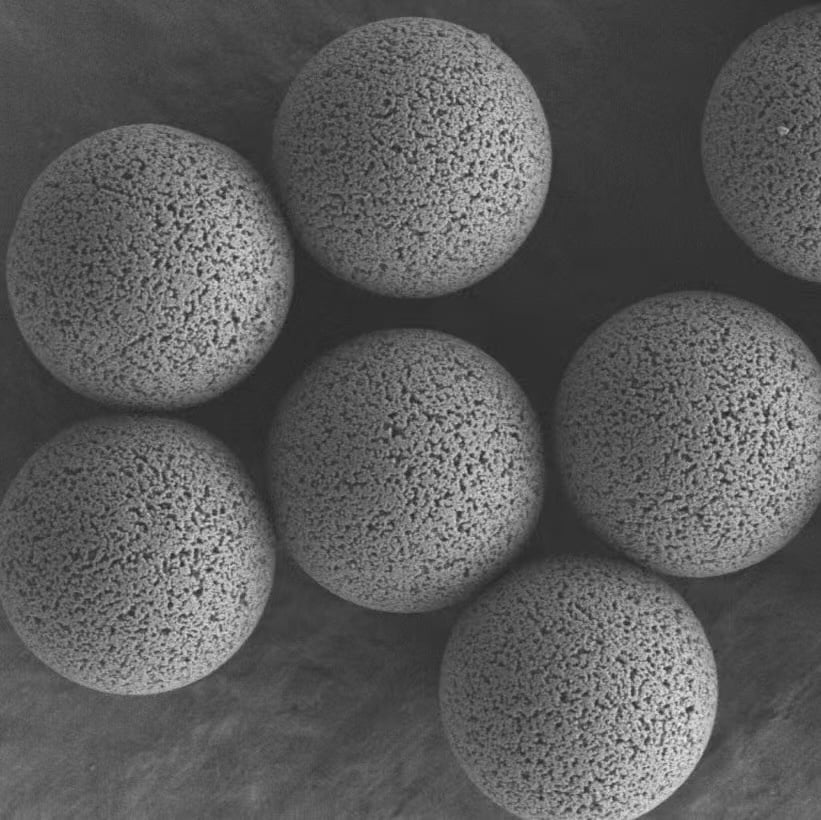
Expandable microspheres represent a transformative technology in modern construction insulation, offering significant improvements in thermal performance and energy efficiency across residential and commercial applications. These lightweight polymer particles expand when exposed to heat during manufacturing, creating millions of tiny air-filled chambers that dramatically reduce heat transfer through building envelopes. The integration of expandable microspheres into insulation systems has revolutionized how architects and construction professionals approach energy conservation, creating solutions that balance superior thermal resistance with practical installation advantages. Understanding how expandable microspheres enhance insulation quality is essential for builders, engineers, and facility managers seeking to optimize building performance while meeting increasingly stringent energy codes and sustainability requirements.
The science behind expandable microspheres lies in their unique cellular structure, which provides exceptional insulating properties when incorporated into construction materials. These tiny spheres function as thermal barriers by trapping air within their polymer walls, interrupting heat flow pathways that would otherwise conduct through traditional insulation materials. When expandable microspheres are blended into foam systems, coatings, or composite matrices, they create a three-dimensional network of low-conductivity air pockets that substantially reduce the thermal transmission coefficient of the finished product. This mechanism makes expandable microspheres particularly valuable for achieving high R-values in thinner material profiles, enabling builders to optimize wall cavities and roof assemblies without sacrificing thermal performance or interior space.
Thermal Performance Enhancement Through Expandable Microspheres
Mechanisms of Thermal Resistance
The thermal resistance provided by expandable microspheres originates from their microscopic air-filled structure, which effectively eliminates convective heat transfer pathways common in traditional insulation. Each microsphere acts as a discrete thermal barrier, and when millions of these particles are dispersed throughout an insulation matrix, they create a composite material with dramatically improved thermal resistance. Expandable microspheres reduce radiative heat transfer by creating reflective surfaces within the material, while their low thermal conductivity polymer shells minimize conductive pathways. This multi-mechanism approach enables expandable microspheres to deliver thermal performance that often exceeds conventional fiberglass or mineral wool insulation of equivalent thickness, making them an efficient choice for space-constrained construction scenarios.
Energy Efficiency and Building Code Compliance
Modern energy codes increasingly demand higher insulation values to reduce operational energy consumption and carbon emissions in buildings. Expandable microspheres address this requirement by enabling thinner insulation layers that achieve equivalent or superior thermal performance compared to traditional materials. By incorporating expandable microspheres into spray foam, rigid boards, or composite insulation systems, builders can meet or exceed Title 24, IECC, and other regional energy standards while maintaining architectural flexibility. The use of expandable microspheres in insulation also contributes to energy modeling advantages, as these materials consistently demonstrate stable thermal properties over the building's operational lifespan, reducing the risk of performance degradation that affects conventional insulation materials.
Durability and Long-Term Insulation Performance
Structural Integrity and Resistance to Degradation
Expandable microspheres maintain their cellular structure and thermal properties over decades of service, contributing significantly to the durability and long-term performance of insulation systems. Unlike some insulation materials that compress, settle, or degrade when exposed to moisture, temperature cycling, or UV radiation, expandable microspheres retain their dimensional stability and air-filled character throughout the building's lifecycle. The polymer composition of expandable microspheres resists moisture absorption, preventing the thermal bridging and performance loss that compromise conventional insulation after water exposure. This durability characteristic makes expandable microspheres particularly valuable in challenging environments such as below-grade applications, coastal zones, or industrial facilities where environmental stress would rapidly degrade alternative insulation materials.
Moisture Management and Vapor Performance
When expandable microspheres are incorporated into closed-cell foam or moisture-resistant composite systems, they provide inherent resistance to water vapor diffusion and liquid water intrusion, two primary failure modes in construction insulation. The hydrophobic nature of expandable microspheres prevents moisture from being absorbed into the material's core, which would compromise thermal performance and promote mold growth. Building enclosure design benefits from this moisture resistance because expandable microspheres allow designers to create thinner, more efficient assemblies with reduced vapor barrier complexity. This performance advantage translates directly into reduced maintenance costs and extended insulation service life, as expandable microspheres in properly designed assemblies experience minimal performance degradation from environmental moisture exposure over 50+ year building lifecycles.
Application Benefits and Construction Advantages
Installation Efficiency and Material Handling
Expandable microspheres provide substantial labor and logistics advantages compared to conventional bulk insulation materials, reducing construction cost and schedule complexity at job sites. When incorporated into spray-applied systems, expandable microspheres enable rapid application over large surface areas with minimal surface preparation, dramatically accelerating insulation installation timelines. The lightweight nature of expandable microspheres reduces material handling requirements and worker fatigue during installation, improving job site safety and productivity. Additionally, expandable microspheres can be integrated into pre-manufactured insulation products such as rigid boards or composite panels, allowing precise factory quality control and simplified on-site installation compared to loose-fill or batt materials that require tedious manual fitting and may contain installation voids.
Design Flexibility and Performance Optimization
Architects and building designers leverage expandable microspheres to achieve previously unattainable combinations of thermal performance, material thickness, and aesthetic finish in their construction assemblies. Expandable microspheres enable thinner wall and roof assemblies that preserve valuable interior space while maintaining superior thermal resistance, a critical advantage in high-density urban construction or specialized facilities with strict dimensional constraints. The formulation versatility of expandable microspheres allows material scientists to customize insulation performance for specific applications, creating targeted solutions for attic, wall cavity, foundation, and thermal bridging mitigation. This design flexibility positions expandable microspheres as a preferred technology for innovative building enclosure strategies, including high-performance retrofit applications where maintaining exterior wall thickness is critical for preserving the building's architectural character.
FAQ
How do expandable microspheres compare to fiberglass insulation in thermal performance?
Expandable microspheres typically deliver superior thermal resistance per unit thickness compared to conventional fiberglass batts, often achieving R-values of 6 to 8 per inch versus 3.5 to 3.8 per inch for standard fiberglass. This performance advantage stems from expandable microspheres' ability to create a denser network of air-filled chambers that more effectively disrupt heat transfer pathways. Additionally, expandable microspheres maintain their thermal properties more consistently over time, whereas fiberglass can compress and settle, losing performance efficiency. For projects where space efficiency or thermal optimization is critical, expandable microspheres provide measurable energy performance gains that justify their integration into insulation systems.
Are expandable microspheres safe for indoor air quality in residential buildings?
Expandable microspheres are inert polymer particles that do not off-gas volatile organic compounds or release particulates into indoor air when properly encapsulated within insulation matrices such as spray foam or composite boards. Manufacturing expandable microspheres involves thermally expanding pre-polymer beads, creating sealed hollow structures that remain chemically stable throughout their service life. When incorporated into closed-cell foam systems or rigid board products, expandable microspheres are completely encased within polymer binders, preventing any particle migration or vapor release. Building owners and occupants can be confident that expandable microspheres comply with indoor air quality standards and EPA emission testing requirements when installed as components of certified insulation products.
Can expandable microspheres be used in retrofit insulation projects for existing buildings?
Expandable microspheres are particularly well-suited for retrofit insulation applications because they enable high thermal performance in the constrained space available within existing wall cavities and above drop ceilings. Spray-applied systems containing expandable microspheres can be injected into wall cavities without removing existing finishes, making them ideal for preserving interior aesthetics while improving energy performance in historic or occupied buildings. Pre-manufactured insulation products incorporating expandable microspheres can be installed as interior or exterior rigid sheathing with minimal disruption to building operations. The lightweight nature of expandable microspheres also reduces structural loading during retrofit installations, allowing many existing buildings to upgrade insulation performance without reinforcing interior framing or roof structures.