
 EN
EN
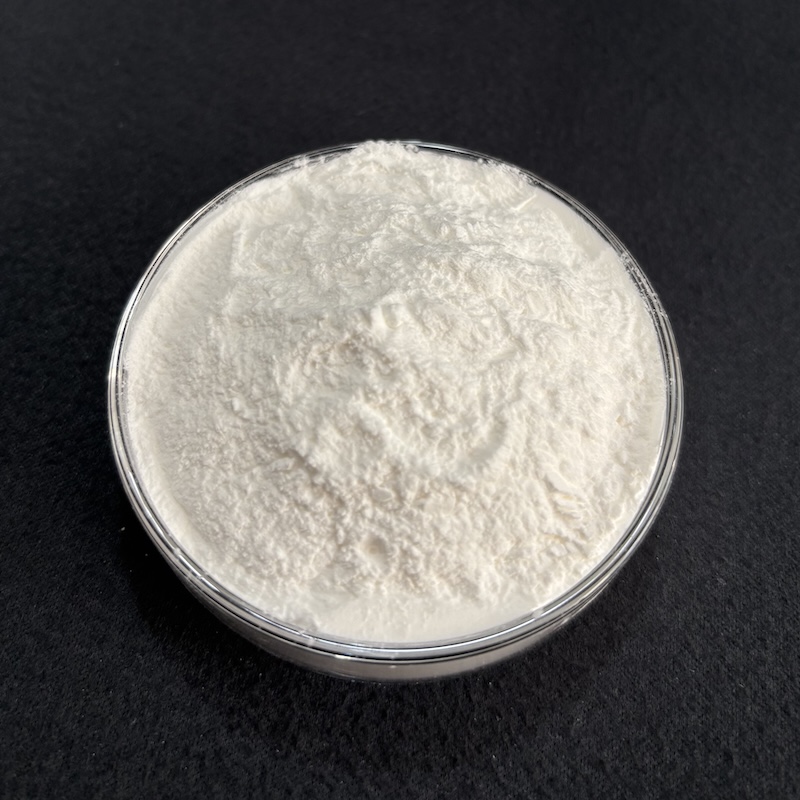
The expansion ratio of expandable microspheres represents one of the most critical performance parameters in modern material science and industrial manufacturing. Understanding the optimal expansion ratio for expandable microspheres directly influences product quality, cost efficiency, and application success across numerous industries. This metric determines how much volume a microsphere can achieve when activated through heat or pressure, making it essential for engineers and procurement specialists to grasp its significance.
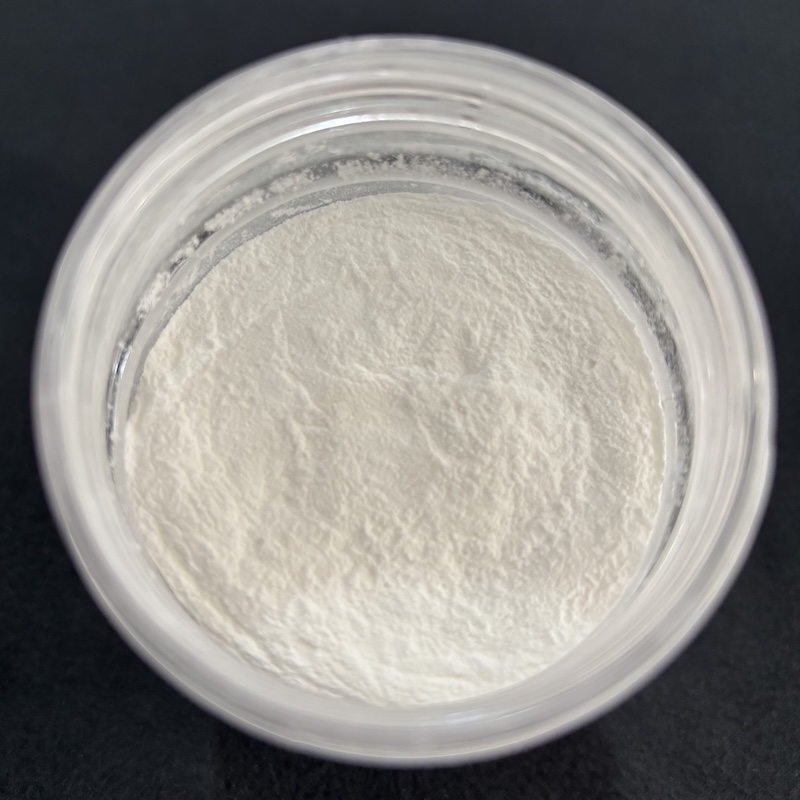
Expandable microspheres function as hollow polymer spheres containing liquefied gas or low-boiling liquid under pressure. When exposed to specific temperature thresholds, these internal contents vaporize, causing the microsphere shell to expand and harden into a permanent form. The optimal expansion ratio for expandable microspheres typically ranges from 10 to 30 times the original diameter, though this varies based on application requirements, material composition, and desired end-product characteristics.
Understanding Expansion Ratio Fundamentals
Definition and Measurement Standards
The expansion ratio of expandable microspheres is calculated by comparing the diameter or volume of the microsphere after activation to its initial size. A microsphere with an expansion ratio of 20, for example, expands to approximately 20 times its original volume. This measurement becomes critical because the expansion ratio for expandable microspheres directly affects material density, mechanical properties, and thermal performance in finished products. Industry standards require precise calibration methods to ensure reproducibility and consistency across batches.
Manufacturers typically measure expansion ratio through microscopy analysis, scanning electron microscopy (SEM), or density displacement methods. Each technique offers distinct advantages: microscopy provides visual confirmation, SEM delivers high-resolution dimensional data, while density methods assess volumetric changes with minimal sample destruction. Understanding these measurement approaches helps professionals select the most appropriate expandable microspheres for their specific quality assurance protocols and production environments.
Key Variables Influencing Expansion Performance
The optimal expansion ratio for expandable microspheres depends on multiple interdependent factors that engineers must carefully balance. Shell thickness, initial microsphere diameter, gas pressure within the sphere, and polymer type all significantly impact how extensively expandable microspheres can expand. Additionally, the activation temperature range and heating rate influence whether microspheres reach their theoretical maximum expansion potential or remain partially expanded, directly affecting the expansion ratio for expandable microspheres achieved in production.
Manufacturing precision becomes increasingly important when targeting specific expansion ratios for expandable microspheres. Inconsistent shell thickness creates unpredictable expansion patterns, while variations in internal gas pressure lead to uneven volumetric growth. Control over these variables during production ensures that the expansion ratio of expandable microspheres remains consistent, predictable, and suitable for demanding industrial applications where material performance specifications are non-negotiable.
Optimal Expansion Ratio Applications and Performance Targets
Industry-Specific Requirements
Different industries require distinct expansion ratio profiles for expandable microspheres to achieve optimal results. In the automotive sector, engine oil additives and cosmetic applications typically benefit from moderate expansion ratios of 8 to 15, providing adequate viscosity reduction without excessive volume increase. Construction and insulation industries often require higher expansion ratios for expandable microspheres, sometimes exceeding 25, to achieve the low-density foamed materials necessary for thermal and acoustic isolation. The expansion ratio for expandable microspheres in coatings and composites usually targets the 12 to 20 range to balance weight reduction with structural integrity.
Medical and pharmaceutical applications present unique constraints on the optimal expansion ratio for expandable microspheres, where uniformity and biocompatibility outweigh maximum volume increase. Food packaging applications demand expandable microspheres with moderate, predictable expansion ratios that create stable foam structures without compromising barrier properties. By aligning expansion ratio selection with industry-specific performance targets, manufacturers ensure that their chosen expandable microspheres deliver the exact material properties required for successful product development and market deployment.
Material Property Relationships
The expansion ratio of expandable microspheres directly correlates with the resulting material's density, compressive strength, and insulating properties. Higher expansion ratios for expandable microspheres typically produce lower-density final products, offering superior thermal insulation but potentially reduced mechanical strength. This trade-off relationship requires careful analysis during product formulation; selecting expandable microspheres with excessively high expansion ratios may compromise structural integrity, while choosing those with insufficient expansion ratios limits the weight reduction benefits.
Energy absorption and damping characteristics also depend on the expansion ratio achieved by expandable microspheres. Moderate expansion ratios provide optimal stress distribution and vibration dampening, making them ideal for applications requiring both lightweight construction and impact resistance. The expandable microspheres selected for any given application must balance these interrelated properties to meet comprehensive performance specifications. Engineering teams must conduct thorough testing protocols to validate that their chosen expansion ratio for expandable microspheres produces the required mechanical and thermal characteristics without unexpected degradation over the product's intended lifecycle.
Selection Criteria and Quality Assurance
Determining Your Ideal Expansion Ratio
Selecting the optimal expansion ratio for expandable microspheres requires systematic evaluation of application requirements, performance targets, and cost considerations. Begin by defining your primary material objectives: is weight reduction the priority, or should thermal insulation take precedence? Does your application demand maximum strength, or can you accept moderate mechanical properties in exchange for superior insulation? These questions guide the expansion ratio for expandable microspheres that best serves your manufacturing goals.
Collaborate with material suppliers to request test samples of expandable microspheres across multiple expansion ratio ranges. Conduct pilot trials that measure how different expansion ratios affect your finished product's key performance indicators. Document thermal stability, processing behavior, shelf life, and end-use performance across samples with varying expansion capabilities. This empirical approach ensures that the expansion ratio for expandable microspheres you ultimately select delivers measurable business value rather than merely meeting theoretical specifications.
Quality Control and Specification Verification
Establishing robust quality assurance protocols becomes essential once you've identified your target expansion ratio for expandable microspheres. Implement incoming inspection procedures that verify the expansion ratio of every batch against specification tolerances, typically allowing ±15 to 25 percent variation depending on application sensitivity. Regular thermal analysis testing confirms that expandable microspheres consistently activate within expected temperature ranges and achieve reproducible volume increases. Density measurement techniques provide quick, non-destructive validation that expanded microspheres meet volumetric targets.
Documentation systems should track expansion ratio performance for expandable microspheres across production runs, suppliers, and storage conditions. Aging studies reveal whether the expansion capability of expandable microspheres remains stable over extended storage periods or degrades over time. Traceability systems connecting finished products to their source expandable microspheres batches facilitate rapid issue resolution should expansion ratio discrepancies emerge. These quality measures protect product consistency and customer satisfaction while building confidence in your material specifications.
FAQ
What is considered an optimal expansion ratio for expandable microspheres?
Optimal expansion ratios for expandable microspheres typically range from 10 to 30 times the original diameter, but the ideal ratio depends entirely on your specific application. Lightweight insulation applications often require higher expansion ratios for expandable microspheres, sometimes exceeding 25, while automotive additives generally perform well with expansion ratios between 8 and 15. The optimal expansion ratio for expandable microspheres for your use case should be determined through pilot testing against your application's critical performance requirements, including density targets, mechanical properties, and thermal characteristics.
How does expansion ratio affect the final product density?
Higher expansion ratios for expandable microspheres directly produce lower-density final products because more volume is achieved from the same mass of material. If expandable microspheres expand 30 times their original volume, they create a much lighter foam than those with an expansion ratio of only 10. This inverse relationship between expansion ratio and density makes the choice of expandable microspheres critical for weight-sensitive applications, though engineers must balance density reduction against potential losses in mechanical strength or structural rigidity.
Can expansion ratio for expandable microspheres change during storage?
Yes, the expansion ratio of expandable microspheres can gradually diminish during extended storage if conditions aren't properly controlled. Temperature fluctuations, humidity exposure, and extended shelf time may cause gas diffusion through the microsphere shell, reducing internal pressure and limiting the expansion ratio for expandable microspheres when activated. Proper storage in cool, dry conditions and regular quality verification testing help ensure that expandable microspheres maintain their specified expansion ratio throughout their intended shelf life, protecting the consistency of your finished products.