
 EN
EN
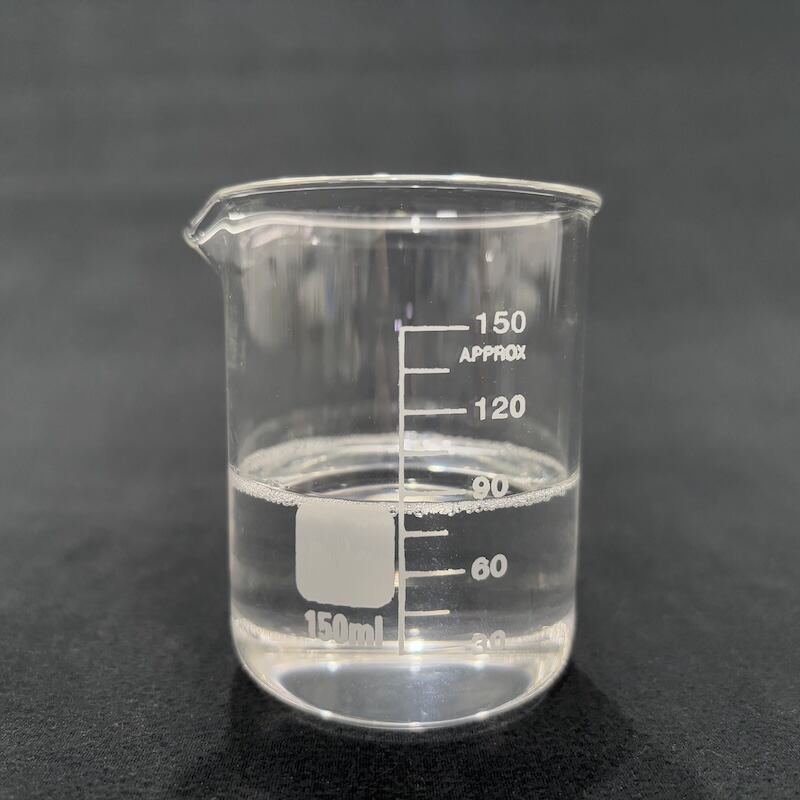
When formulators evaluate additives for improving the surface quality of coatings, one of the most persistent challenges they face is achieving smooth, defect-free leveling without compromising inter-coat adhesion or recoatability. polyether modified polysiloxane has emerged as a highly effective solution in this domain, combining the surface-active properties of silicone chemistry with the compatibility advantages of polyether segments. Understanding how this additive functions within a paint system—and why it outperforms many conventional leveling agents—requires a closer look at both its molecular structure and its practical behavior in liquid coating films.
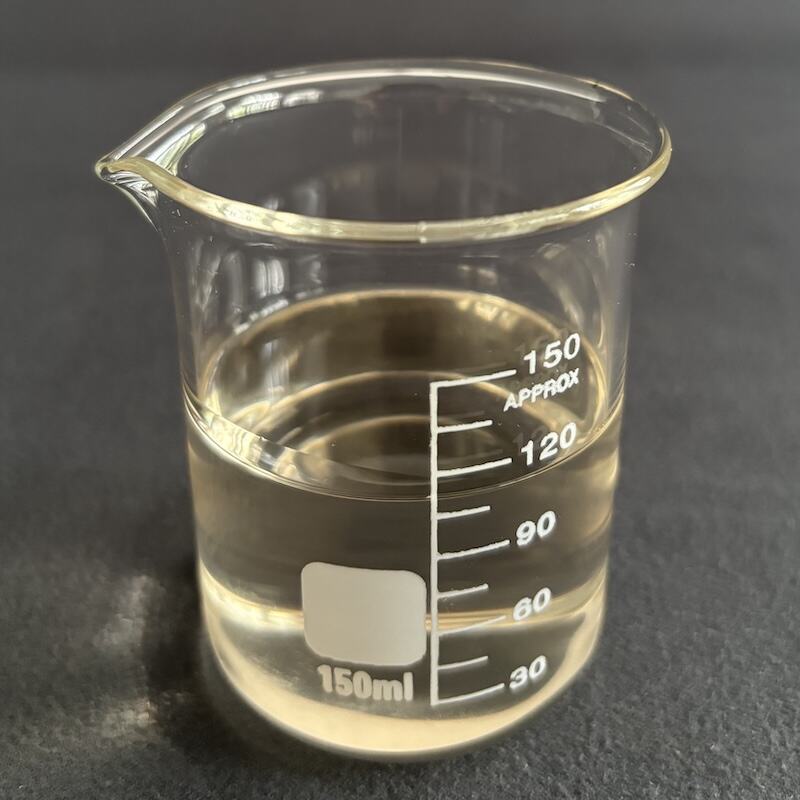
The short answer to whether polyether modified polysiloxane can improve paint flow leveling is yes—and the mechanism behind this improvement is well-supported by both surface chemistry principles and real-world coating performance data. This article explores exactly how the additive works, in which paint systems it delivers the most value, what conditions govern its effectiveness, and what formulators should understand before incorporating it into their coating designs. Whether you work with waterborne systems, solventborne architectural coatings, or industrial finishes, the science and application guidance here will help you make better formulation decisions.
The Chemistry Behind Polyether Modified Polysiloxane
Molecular Structure and Its Significance
Polyether modified polysiloxane is built upon a siloxane backbone—the Si-O-Si chain that gives silicone materials their characteristic surface activity and low surface tension properties. Grafted or copolymerized onto this backbone are polyether segments, typically ethylene oxide (EO) or propylene oxide (PO) chains, or a combination of both. This hybrid molecular architecture is what sets polyether modified polysiloxane apart from unmodified silicone fluids, which tend to be incompatible with many coating resins and prone to causing cratering.
The polyether segments introduce hydrophilicity and polarity into the molecule, making it significantly more compatible with waterborne and polar solventborne coating systems. The degree of hydrophilicity can be tuned by adjusting the EO/PO ratio, giving formulators a high degree of control over how the additive interacts with specific binder systems. This tunability is one of the core reasons polyether modified polysiloxane has become a go-to leveling additive across a wide range of industrial coating applications.
The siloxane backbone simultaneously migrates to the air-coating interface during film formation, reducing surface tension at that interface and promoting surface flow. This dual functionality—resin compatibility from the polyether segments and surface tension reduction from the siloxane backbone—is what makes polyether modified polysiloxane uniquely effective for leveling improvement.
Surface Tension Reduction and Interfacial Activity
When a wet coating film is applied to a substrate, surface tension gradients arise across the film due to solvent evaporation, substrate temperature variation, or localized resin concentration differences. These gradients drive Marangoni flow—fluid movement from regions of low surface tension to high surface tension—which can create orange peel, brush marks, or other surface defects if not properly managed.
Polyether modified polysiloxane reduces the overall surface tension of the liquid film and, critically, creates a more homogeneous surface tension profile. By distributing itself across the air-film interface during the open time of the coating, it dampens these tension gradients and allows the film to flow and self-level more effectively before gelation or cure locks in the surface profile. This is a fundamentally different action from simply adding a solvent to reduce viscosity, and it operates at a molecular level with only small additive concentrations required.
At typical use levels of 0.1% to 0.5% by weight on total formulation, polyether modified polysiloxane already delivers measurable reductions in surface tension, typically bringing aqueous systems below the 30 mN/m threshold that facilitates good substrate wetting and film leveling simultaneously.
How Polyether Modified Polysiloxane Improves Flow and Leveling in Practice
Elimination of Common Surface Defects
In practice, paint films without adequate leveling additives frequently exhibit surface defects including orange peel texture, brush marks, roller stippling, and crawling on low-energy substrates. Each of these defects has a distinct origin, but they share a common root cause: insufficient surface flow during the wet film stage, or incomplete wetting of the substrate. Polyether modified polysiloxane addresses both of these factors through its dual mechanism of surface tension reduction and substrate wetting promotion.
Orange peel, for instance, results when a sprayed droplet pattern does not fully coalesce and level before the film begins to cure or dry. The surface tension leveling force must overcome the film's increasing viscosity before the window closes. Because polyether modified polysiloxane acts rapidly at the film surface upon application, it can establish a low-surface-tension environment that extends this leveling window effectively.
Brush marks and application tool patterns are similarly reduced because the additive promotes Newtonian-like flow at the surface layer, allowing the disturbed film profile introduced by the brush or roller to relax into a flat plane. Formulators working with high-build architectural enamels or furniture coatings frequently report significant gloss improvement alongside defect reduction when polyether modified polysiloxane is incorporated at the correct dosage.
Compatibility Across Waterborne and Solventborne Systems
One of the practical advantages that makes polyether modified polysiloxane widely applicable is its compatibility range. In waterborne systems—including acrylic emulsions, polyurethane dispersions, and waterborne alkyd emulsions—the polyether segments allow the additive to disperse homogeneously without phase separation. This ensures consistent performance from batch to batch and prevents the streaking or surface disturbances that can occur when poorly compatible additives are used.
In solventborne systems, polyether modified polysiloxane similarly disperses well due to the adjustable polarity of the polyether segment. Formulators working with polyester, epoxy, or alkyd solventborne coatings find that the additive integrates without requiring a pre-dilution carrier solvent in most cases, simplifying the manufacturing process.
Radiation-curable systems, including UV-cure and EB-cure coatings, also benefit from polyether modified polysiloxane because the additive improves flow before the rapid photocure freezes the film surface. In these applications, the additive must act quickly, and the surface-migration kinetics of the siloxane segment deliver the necessary speed. The result is a smoother cured film surface with better gloss response and reduced waviness in the final coating profile.
Key Performance Parameters and Formulation Guidance
Dosage Optimization for Maximum Leveling Effect
Achieving optimal leveling with polyether modified polysiloxane requires careful dosage calibration for each specific coating system. Too little additive and the surface tension reduction is insufficient to overcome leveling resistance, leaving defects partially or fully unresolved. Too much additive and the risk of recoatability problems, foam stabilization, or inter-coat adhesion loss increases. Most industrial coating formulations find their optimum performance window between 0.1% and 1.0% active substance on total paint weight, though the exact figure depends on the binder system, solvent package, and application method.
A practical approach is to begin with draw-down tests at 0.1%, 0.3%, and 0.5% dosage levels, evaluating leveling improvement using a wave-scan instrument or visual assessment under raking light. This structured dose-response evaluation reveals the leveling plateau for the specific system and identifies where diminishing returns begin—typically the upper boundary of the recommended dosage range for that formulation.
Formulators should also consider how polyether modified polysiloxane interacts with other surface additives in the formulation, particularly defoamers and substrate-wetting agents. Some defoamer chemistries can compete with the leveling additive at the air-film interface, partially offsetting its leveling effect. Running compatibility checks by preparing small-scale formulations with the full additive package before finalizing the recipe is standard practice in professional formulation development.
Recoatability and Adhesion Considerations
A legitimate concern when using silicone-based additives in coatings is their potential to reduce inter-coat adhesion by forming a continuous, low-energy film surface that subsequent coating layers cannot wet properly. This is a real risk with unmodified polydimethylsiloxane at elevated concentrations, but polyether modified polysiloxane is specifically designed to minimize this issue. The polyether segments interrupt the siloxane surface continuity and maintain sufficient surface polarity for subsequent coats to bond.
Recoatability testing—applying a second coat over a cured first coat containing the additive and then evaluating adhesion by cross-cut or peel testing—should still be conducted whenever polyether modified polysiloxane is used in multi-coat systems. Under standard industrial coating conditions and recommended dosages, most formulations pass recoatability requirements without modification, but system-specific verification remains best practice.
The balance between leveling performance and recoatability is one of the key engineering advantages of polyether modified polysiloxane over purely hydrophobic silicone leveling additives. By tuning the EO content in the polyether segment, additive manufacturers can shift this balance toward either stronger leveling or better recoatability, giving formulators access to grades optimized for their specific application context.
Application Sectors Where Polyether Modified Polysiloxane Delivers the Most Value
Industrial and Automotive Coatings
Industrial coating systems used on metal components, machinery, and vehicles demand extremely smooth, defect-free surfaces both for aesthetic reasons and for corrosion protection performance. Orange peel or pinholes in an industrial primer or topcoat reduce the coating's barrier integrity and increase maintenance costs over the asset's service life. In these applications, polyether modified polysiloxane plays a critical role by ensuring that spray-applied films flow to a uniform thickness and surface profile before cure.
Automotive OEM topcoats, in particular, are formulated with demanding gloss and distinctness-of-image (DOI) specifications that require extremely tight control over surface waviness. The use of polyether modified polysiloxane in these systems allows formulators to meet wave-scan targets without resorting to excessive solvent loading, which creates its own compliance challenges. The additive therefore supports both quality and environmental performance simultaneously.
For industrial maintenance coatings applied in the field rather than controlled factory environments, polyether modified polysiloxane provides an important buffer against application variability. Brush, roller, and conventional spray application all introduce surface disturbances that the additive helps relax, making the coating more forgiving in the hands of applicators working under non-ideal conditions.
Architectural and Wood Coatings
In architectural coatings, particularly premium interior wall paints and trim enamels, surface quality is a primary purchase driver for both professional contractors and end consumers. A paint that levels beautifully and leaves a smooth, uniform finish commands a premium position in the market. Formulators developing these premium products frequently rely on polyether modified polysiloxane to differentiate their formulations from commodity products.
Wood coatings—including furniture lacquers, parquet floor finishes, and cabinet coatings—are especially demanding because wood substrates present natural surface texture variability, and the visual quality of the cured coating is scrutinized closely in end-use environments. Polyether modified polysiloxane helps wet coatings flow over wood grain structure uniformly, reducing the tendency for the film to bridging-depress into open wood pores in a way that creates surface unevenness after curing.
Waterborne wood coatings have historically been more difficult to level than their solventborne counterparts because water has higher surface tension and the films dry faster, leaving less time for flow. The application of polyether modified polysiloxane in waterborne wood coating systems specifically addresses this challenge by lowering surface tension and extending effective leveling time, bridging much of the performance gap between waterborne and solventborne finishes.
FAQ
At what concentration should polyether modified polysiloxane be added to a coating formulation?
The recommended use level for polyether modified polysiloxane typically falls between 0.1% and 1.0% by weight based on the total formulation. The exact optimum depends on the specific binder system, solvent package, and application method. Formulators should conduct dose-response evaluations using draw-down tests and surface quality measurements to identify the most effective concentration for their particular coating system before finalizing the formulation.
Does polyether modified polysiloxane affect inter-coat adhesion in multi-coat systems?
When used at recommended dosage levels, polyether modified polysiloxane generally does not compromise inter-coat adhesion significantly. The polyether segments in the molecule maintain sufficient surface polarity to allow subsequent coating layers to wet and bond properly. However, formulators should always conduct recoatability adhesion testing for their specific multi-coat system, as formulation variables such as binder type and additive concentration can influence the outcome in specific cases.
Is polyether modified polysiloxane compatible with both waterborne and solventborne coating systems?
Yes. Polyether modified polysiloxane is designed to be compatible across a broad range of coating systems including waterborne acrylics, polyurethane dispersions, solventborne epoxies, polyesters, alkyds, and UV-cure systems. The tunable polarity of the polyether segment allows the additive to disperse homogeneously in both polar and moderately nonpolar environments, making it a versatile choice for formulators working across multiple coating platform chemistries.
Can increasing the dosage of polyether modified polysiloxane always deliver better leveling results?
Not necessarily. There is a dosage ceiling beyond which additional polyether modified polysiloxane no longer improves leveling and may introduce negative effects such as foam stabilization, reduced recoatability, or surface crawling. Leveling improvement typically reaches a plateau at intermediate dosage levels, and exceeding that plateau offers no additional benefit. A structured dose-response evaluation during formulation development is essential to identify the optimum dosage range for each specific coating system rather than simply maximizing the additive concentration.
Table of Contents
- The Chemistry Behind Polyether Modified Polysiloxane
- How Polyether Modified Polysiloxane Improves Flow and Leveling in Practice
- Key Performance Parameters and Formulation Guidance
- Application Sectors Where Polyether Modified Polysiloxane Delivers the Most Value
-
FAQ
- At what concentration should polyether modified polysiloxane be added to a coating formulation?
- Does polyether modified polysiloxane affect inter-coat adhesion in multi-coat systems?
- Is polyether modified polysiloxane compatible with both waterborne and solventborne coating systems?
- Can increasing the dosage of polyether modified polysiloxane always deliver better leveling results?