
 EN
EN
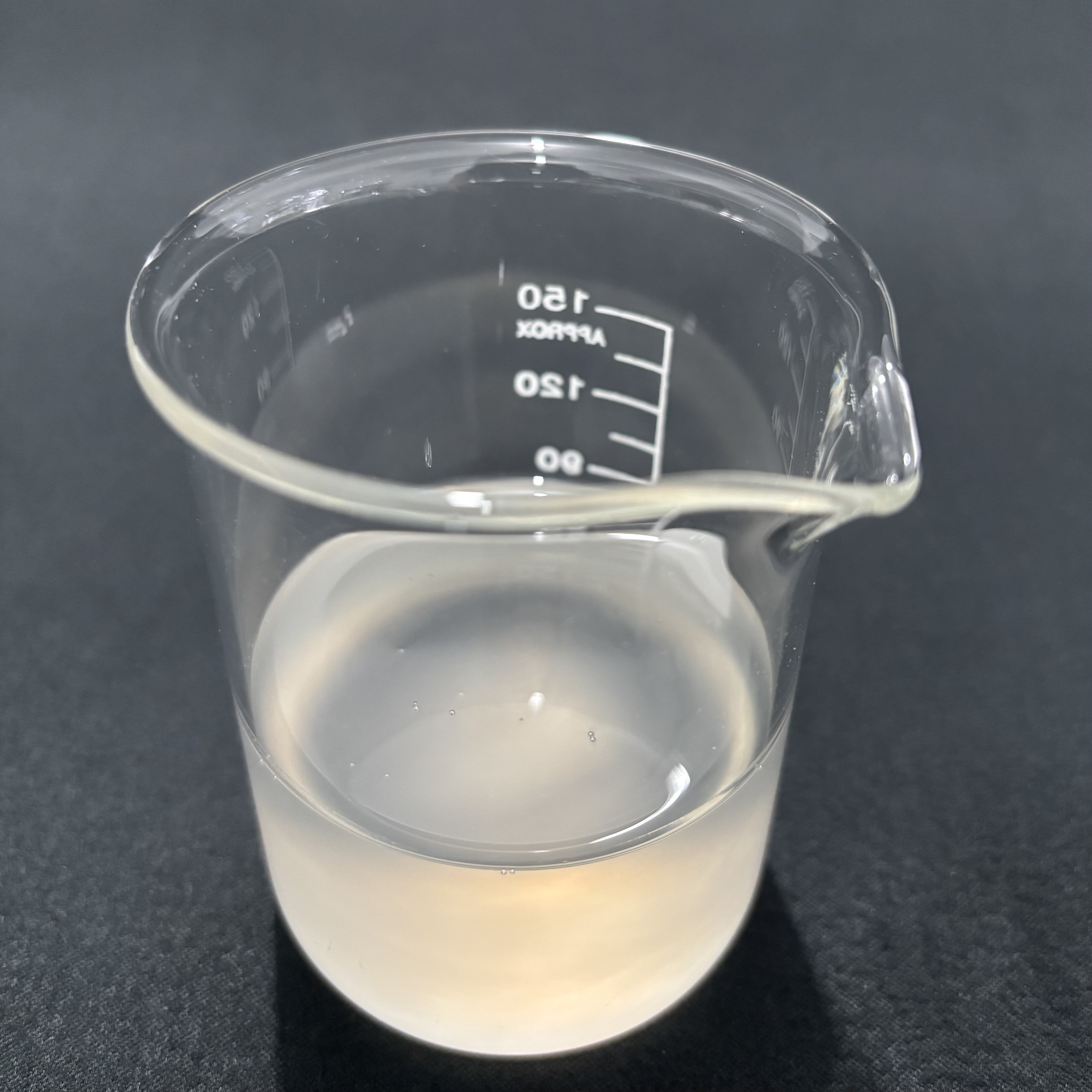
If you have recently noticed that your polyether modified polysiloxane is producing unexpected defoaming behavior instead of delivering the surface-active or wetting performance you intended, you are not alone. This is a surprisingly common challenge in industrial formulation, and it often catches formulators off guard precisely because polyether modified polysiloxane is typically selected for its leveling, wetting, or anti-cratering properties — not for foam suppression. Understanding why this unintended defoaming occurs is the first step toward resolving it and restoring your formulation to peak performance.
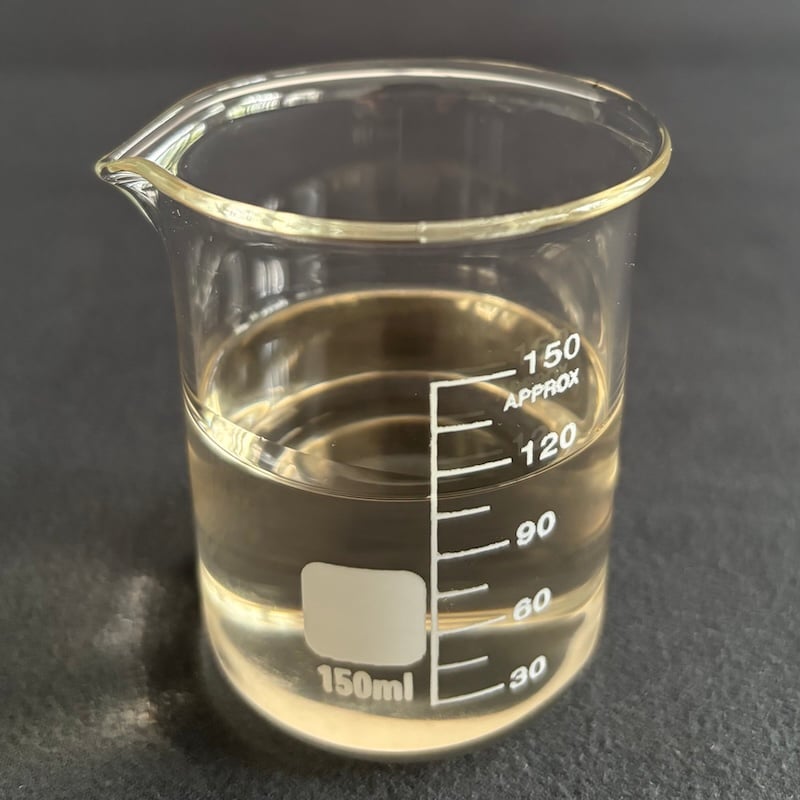
The defoaming effect associated with polyether modified polysiloxane is not random. It stems from a combination of molecular architecture, formulation chemistry, and processing conditions that can inadvertently shift how the additive behaves at the air-liquid interface. In this article, we will explore the root causes behind this phenomenon, explain the structural and chemical factors at play, and offer practical guidance on how to diagnose and address the issue in your specific system.
Understanding the Dual Nature of Polyether Modified Polysiloxane
Surface Activity and Interface Behavior
Polyether modified polysiloxane is a class of silicone-based surfactants created by grafting or copolymerizing polyether chains — typically polyethylene oxide (PEO), polypropylene oxide (PPO), or a blend of both — onto a polydimethylsiloxane (PDMS) backbone. This hybrid structure gives the molecule an amphiphilic character, making it highly surface-active. The silicone backbone provides low surface tension, while the polyether segments provide water compatibility and solubility control.
This dual nature is exactly what makes polyether modified polysiloxane so versatile. Depending on the EO/PO ratio, molecular weight, and structural configuration, the additive can function as a wetting agent, a leveling agent, a dispersant, or even a foam stabilizer. However, the very same structural flexibility means that under different conditions, the same molecule can begin to act as a defoamer. The shift from foam-neutral or foam-promoting behavior to defoaming is not a defect in the product — it is a consequence of how the molecule positions itself at the interface under your specific formulation conditions.
When a polyether modified polysiloxane molecule migrates to the foam film surface and disrupts the elastic layer that stabilizes bubbles, it effectively behaves like a defoamer. This happens when the molecule can spread rapidly across the foam surface, displace foam-stabilizing surfactants, and thin the lamella of the bubble wall until it ruptures. The conditions that trigger this behavior are what you need to identify and manage.
The Role of EO/PO Ratio in Determining Function
The ratio of ethylene oxide (EO) to propylene oxide (PO) units in the polyether chain is one of the most critical structural variables governing whether your polyether modified polysiloxane stabilizes or suppresses foam. Higher EO content generally increases water solubility and hydrophilicity, which tends to support foam stability. Higher PO content increases hydrophobicity, which shifts the molecule toward defoaming territory.
If your formulation requires a foam-neutral or foam-tolerant additive but you are using a grade of polyether modified polysiloxane with a high PO content or a low HLB value, you may be unintentionally introducing defoaming activity. Many industrial grades are available across a broad HLB spectrum, and selecting the wrong one for your system is a common root cause of the defoaming problem you are observing.
Additionally, the molecular weight of the polyether segment matters. Short polyether chains tend to produce faster-spreading, more defoaming-active molecules. Longer polyether chains, particularly those rich in EO units, create a more hydrophilic, slower-spreading molecule that is less likely to rupture foam films aggressively. Reviewing the technical specification of your current polyether modified polysiloxane grade and comparing the EO/PO ratio and polyether chain length against the requirements of your formulation is an essential diagnostic step.
Formulation Conditions That Trigger Defoaming Behavior
Concentration and Dosage Effects
One of the most overlooked causes of unintended defoaming with polyether modified polysiloxane is dosage. There is often a non-linear relationship between concentration and function: at very low levels, the additive may have minimal effect on foam; at moderate levels, it may provide the desired wetting or leveling effect; but at higher concentrations, it can overwhelm the foam-stabilizing surfactant system in your formulation and actively suppress foam.
This concentration-dependent behavior is related to the competitive adsorption dynamics at the liquid-air interface. When polyether modified polysiloxane is present in excess relative to the foam-stabilizing components, it out-competes those components for interfacial space. Once it dominates the interface, its inherent surface tension-lowering capability combined with its ability to spread rapidly leads to foam film thinning and bubble rupture.
If you suspect your dosage is too high, the most straightforward test is to reduce the addition level by 25–50% and observe whether the defoaming effect diminishes. This simple experiment can confirm whether concentration is the primary driver of the issue before you consider more complex reformulation steps.
Compatibility with the Carrier Solvent and Resin System
The compatibility of polyether modified polysiloxane with the solvent or resin matrix in your formulation plays a significant role in determining its interfacial behavior. In systems where the additive is partially incompatible — meaning it is not fully dissolved but exists as a fine dispersion or microemulsion — the individual domains of silicone-rich material act as classic defoaming agents. These micro-droplets enter the foam film, spread across it, and cause collapse.
This partial incompatibility can arise even when the product data sheet suggests the additive is compatible with your solvent class. Factors such as temperature changes during processing, shifts in the water content of a waterborne system, or the presence of co-solvents that alter the solvency environment can all push a previously compatible polyether modified polysiloxane into a state of marginal compatibility where defoaming behavior emerges.
To test compatibility, prepare a clear dilution of your polyether modified polysiloxane in your formulation base at the intended use concentration and temperature. If cloudiness or phase separation occurs, this is a strong indicator that compatibility-driven defoaming is your issue. Switching to a grade with a higher EO content or using a pre-dilution step with a compatible solvent can often resolve this.
Structural Causes Within the Molecule Itself
Silicone Backbone Contribution to Defoaming
The polydimethylsiloxane backbone that gives polyether modified polysiloxane its low surface tension and excellent spreading characteristics is also the structural feature most directly responsible for defoaming potential. Pure silicone oils are among the most effective defoamers known in industrial chemistry, precisely because of their ability to spread rapidly across aqueous foam films at extremely low concentrations.
When the polyether modification is insufficient to fully counterbalance the silicone backbone's defoaming tendency — either because the polyether chain length is too short, the EO/PO ratio favors hydrophobicity, or the molecular weight of the silicone segment is too high — the molecule retains significant defoaming character. In effect, you are using a product that is closer to a silicone defoamer than a pure polyether surfactant, and the defoaming behavior you observe is a direct expression of that structural reality.
Formulators sometimes encounter this situation when switching between grades of polyether modified polysiloxane from different supply sources or when a supplier changes the synthesis parameters without a corresponding update to the product documentation. Always request detailed structural data — including the silicone backbone molecular weight and the polyether chain composition — when evaluating a new grade.
Pendant vs. ABA Block Structures
The architecture of the polyether modification — whether the polyether chains are attached as pendant side groups or form a linear ABA or rake-type block structure — significantly influences the defoaming tendency of the final molecule. Pendant-type polyether modified polysiloxane structures, where polyether chains hang off the silicone backbone at multiple points, tend to orient at the interface in a way that exposes more of the hydrophobic silicone backbone to the air phase, which enhances spreading and defoaming behavior.
In contrast, linear triblock or ABn-type architectures tend to orient differently at the interface, with a more balanced hydrophilic-hydrophobic presentation. These structures are generally less prone to aggressive defoaming in aqueous systems. If your current polyether modified polysiloxane is a pendant or rake-type and you are experiencing defoaming issues, switching to a linear or triblock architecture may help reduce the problem without requiring a full reformulation.
This is a technical detail that many formulators overlook because product data sheets often do not explicitly state the molecular architecture. Asking your supplier for this information, or reviewing the synthesis chemistry described in the technical literature, is a worthwhile step when troubleshooting polyether modified polysiloxane performance in foam-sensitive applications.
Process and Application Conditions That Amplify Defoaming
Temperature Effects on Interface Behavior
Temperature has a strong influence on how polyether modified polysiloxane behaves at the air-liquid interface, and temperature changes during your process can shift the molecule from surface-active to defoaming in character. As temperature increases, the cloud point of the polyether segment is often approached or exceeded, causing the ethylene oxide units to become less hydrophilic. This cloud point effect reduces the water compatibility of the molecule and pushes it toward greater interfacial activity of the defoaming type.
If your production process involves elevated temperatures — such as during mixing, coating, or baking steps — and you are experiencing defoaming specifically at those points, cloud point behavior is a strong candidate explanation. Checking the cloud point of your specific polyether modified polysiloxane grade and comparing it against your process temperatures is a straightforward diagnostic step. Grades with higher cloud points, achieved through higher EO content or modified polyether composition, may perform better in your process environment.
Temperature can also affect the viscosity of the silicone backbone, making the molecule more mobile and better able to spread across foam films at elevated temperatures. This means that a polyether modified polysiloxane that behaves acceptably at room temperature may become a noticeable defoamer when the same system is processed or applied at 50°C or above.
Shear Rate and Mixing Intensity
High shear mixing is a common trigger for the defoaming behavior of polyether modified polysiloxane in systems where it would otherwise remain well-dispersed and surface-neutral. Under high shear, the physical breakdown of any larger aggregates or micelles formed by the additive releases individual molecules or very small droplets that are highly surface-active in the defoaming sense. The rapid interfacial mobility that high shear provides means these molecules can reach and interact with foam films faster than the foam-stabilizing components.
This is particularly relevant in manufacturing steps such as high-speed dispersion, bead milling, or spray application. If your defoaming problem appears specifically after or during a high-shear processing step, shear-induced release of defoaming-active molecular species from your polyether modified polysiloxane may be the cause. Reducing mixing intensity, changing the addition point in the process, or pre-diluting the additive before introduction can help mitigate this effect.
Practical Strategies for Resolving the Defoaming Issue
Grade Selection and Structural Optimization
The most effective long-term solution to unintended defoaming caused by polyether modified polysiloxane is to select a grade whose structural parameters are properly matched to your formulation's requirements. This means working with your supplier to identify a grade that offers the right EO/PO balance for your system, an appropriate cloud point for your process temperatures, and a molecular architecture that favors wetting or leveling activity over defoaming.
When evaluating alternative grades of polyether modified polysiloxane, request foam stability testing data in representative formulation bases, not just standard test media. Real-world performance in your specific resin, solvent, and surfactant system can differ significantly from generic test results. A structured screening protocol comparing two or three candidate grades at your target use level and process conditions is the most reliable path to a confident selection.
It is also worth noting that not all defoaming from polyether modified polysiloxane is entirely unwanted. In some applications, a mild defoaming effect combined with wetting or leveling activity is actually desirable, and fine-tuning the grade selection to deliver the right balance of both functions is the goal. Understanding exactly what level of foam control is acceptable in your system before beginning a grade evaluation will make the selection process more focused and efficient.
Formulation Adjustment and Compatibility Management
Beyond grade selection, several formulation-level adjustments can reduce the defoaming impact of your current polyether modified polysiloxane without requiring a complete switch. Adding a compatible foam stabilizer or surfactant that competes effectively with the polysiloxane at the foam film interface can restore the balance your system needs. Hydroxyethyl cellulose, certain non-ionic surfactants, or protein-based foam boosters may help counteract the defoaming tendency depending on your application type.
Adjusting the addition sequence in your manufacturing process is another practical approach. Adding the polyether modified polysiloxane at a late stage of the process, after the foam-stabilizing components are already well-established at the interface, can reduce the severity of the defoaming effect. Conversely, adding it too early, before the system is well-dispersed, often maximizes its defoaming impact due to its rapid spreading in less structured systems.
Pre-diluting polyether modified polysiloxane in a compatible solvent before adding it to the main formulation can also help manage its interfacial behavior by controlling how it disperses and distributes in the system. A well-dispersed additive at a molecular level is less likely to behave as a defoaming droplet than one that is introduced as a concentrated bolus into the mix.
FAQ
Can polyether modified polysiloxane be used in foam-sensitive applications?
Yes, polyether modified polysiloxane can be used in foam-sensitive applications, but grade selection is critical. Choosing a grade with a high EO content, an appropriate cloud point above your process temperature, and a balanced molecular architecture will minimize defoaming tendency while preserving the wetting and leveling benefits the additive provides.
Does concentration always affect whether polyether modified polysiloxane defoams?
Concentration is a significant factor but not the only one. At higher dosage levels, polyether modified polysiloxane is more likely to exhibit defoaming behavior due to competitive displacement of foam stabilizers at the interface. However, even at low concentrations, a grade with inherently high defoaming character — due to its EO/PO ratio or molecular architecture — can still produce measurable foam suppression.
How do I know if my polyether modified polysiloxane has the right EO/PO ratio for my system?
Request the detailed structural specification from your supplier, including the EO/PO molar ratio, the average molecular weight of the polyether segment, and the cloud point value. Compare the cloud point against your process temperature range — a cloud point significantly above your working temperature is preferable for foam-neutral applications. Testing at least two grades with different EO/PO ratios in your actual formulation will give you the most reliable comparison data.
Is the defoaming effect from polyether modified polysiloxane reversible or permanent?
In most formulation systems, the defoaming effect of polyether modified polysiloxane is an ongoing dynamic behavior rather than a permanent chemical change. This means that adjusting the grade, dosage, addition sequence, or formulation composition can restore foam stability without needing to start from scratch. However, if the additive has caused significant disruption to the surfactant structure of your system over time, re-equilibration of the formulation may be needed before full foam recovery is observed.
Table of Contents
- Understanding the Dual Nature of Polyether Modified Polysiloxane
- Formulation Conditions That Trigger Defoaming Behavior
- Structural Causes Within the Molecule Itself
- Process and Application Conditions That Amplify Defoaming
- Practical Strategies for Resolving the Defoaming Issue
-
FAQ
- Can polyether modified polysiloxane be used in foam-sensitive applications?
- Does concentration always affect whether polyether modified polysiloxane defoams?
- How do I know if my polyether modified polysiloxane has the right EO/PO ratio for my system?
- Is the defoaming effect from polyether modified polysiloxane reversible or permanent?