
 EN
EN
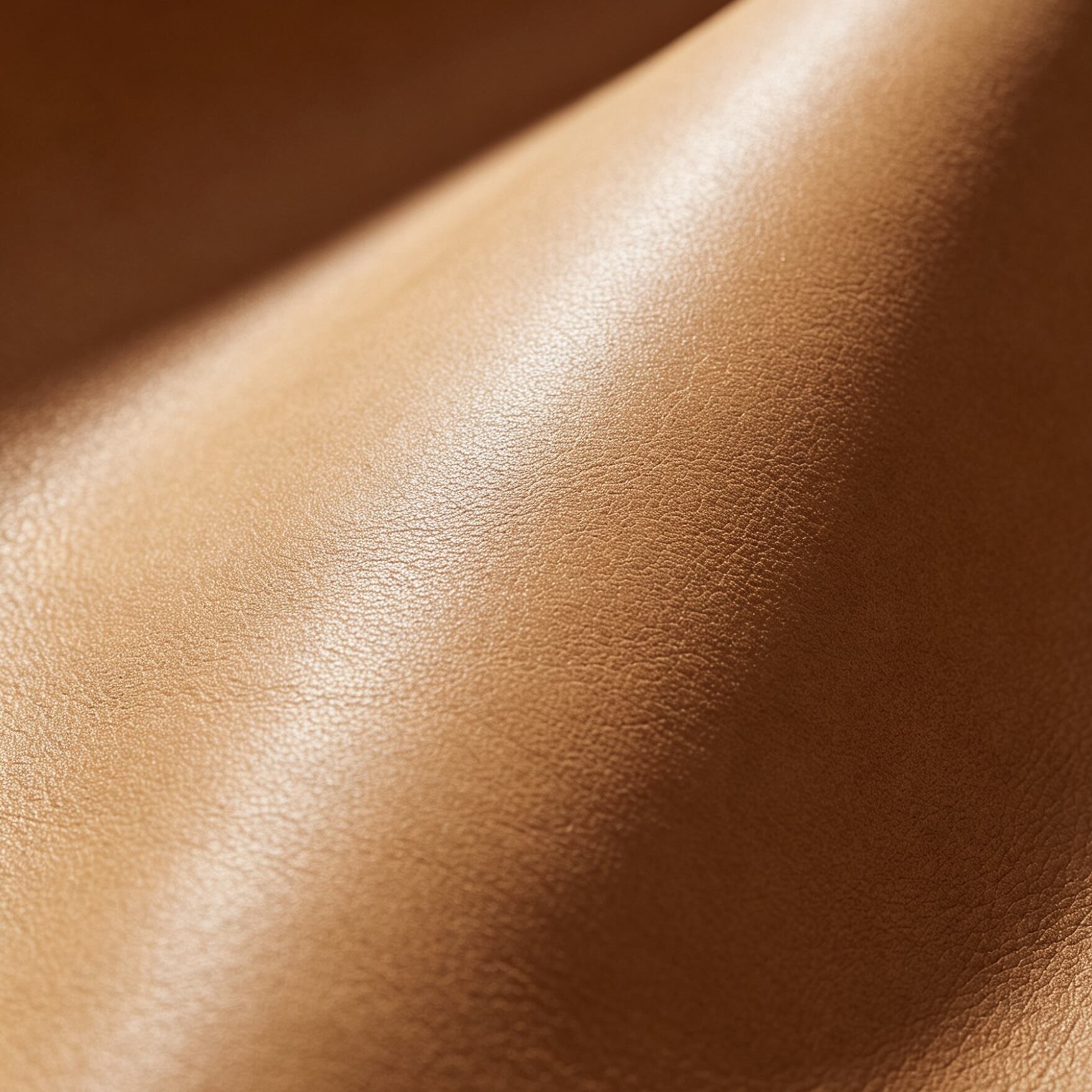
In the world of leather finishing, few challenges are as frustrating and commercially damaging as the failure of leather feel modifiers on oily pull-up leathers. Formulators and tanneries invest significant effort in selecting the right surface treatment products, only to discover that the tactile performance they expected simply does not materialize — or worse, degrades within days of application. Understanding why this happens is not just a technical curiosity; it is essential knowledge for anyone working with pull-up leathers in high-end footwear, upholstery, or leather goods manufacturing.
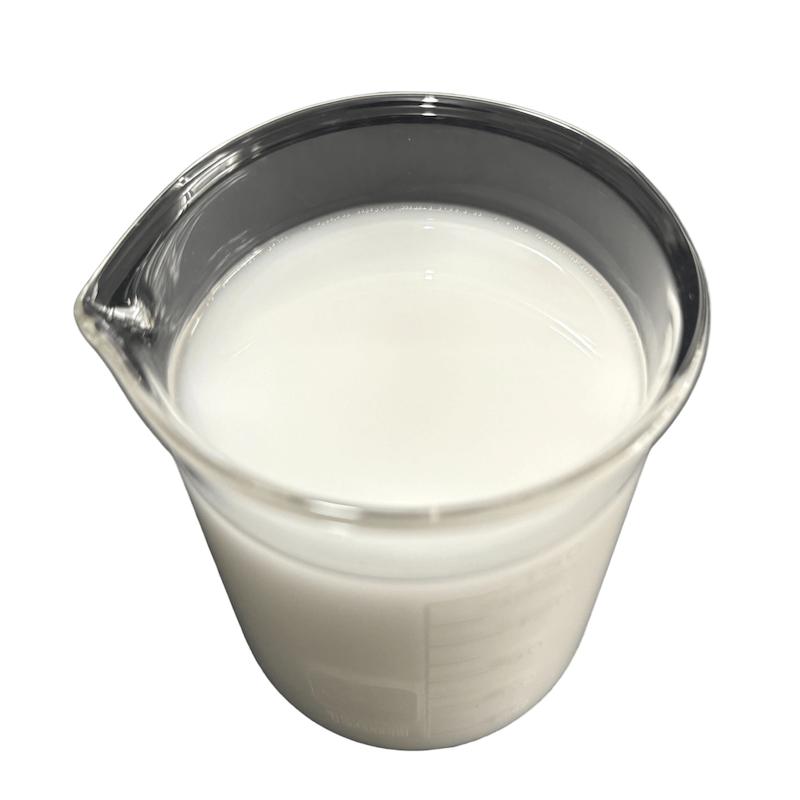
Pull-up leathers are defined by their characteristic behavior — when bent or stretched, the oils and waxes incorporated during tanning migrate to the surface, creating a lighter, contrasted appearance that consumers find highly appealing. However, this very property creates a uniquely hostile environment for leather feel modifiers. The oily, waxy surface chemistry that gives pull-up leather its aesthetic identity is exactly what makes it resistant to many conventional finishing approaches. This article examines the root causes of these failures, explains the chemistry behind them, and offers a framework for selecting and applying feel modifiers that actually perform.
The Surface Chemistry of Pull-Up Leather and Its Impact on Adhesion
How Pull-Up Leather Differs From Conventional Leather Substrates
Pull-up leather is heavily saturated with oils, fats, and natural or synthetic waxes during the fat-liquoring and stuffing stages of production. Unlike corrected-grain or pigmented leathers, pull-up leather relies on a largely untreated or minimally finished surface to maintain its natural character. The surface energy of such leather is dramatically lower than that of a lean, drum-dyed leather, which creates immediate adhesion challenges for any topical treatment.
When leather feel modifiers are applied to a conventional leather substrate, they interact with a surface that has sufficient polarity and porosity to allow mechanical and chemical anchoring. On pull-up leather, the abundant lipid content at and near the surface acts as a release agent. Many modifiers simply cannot build the interfacial bond necessary to remain in place during use. This is the foundational reason why standard formulations fail before any other variable is even considered.
The fiber structure of pull-up leather is also more open and loosely consolidated than that of split or corrected grain leathers. While this openness might seem to invite deeper penetration of treatment products, in practice the oils occupy the inter-fiber spaces and capillaries, displacing water-based systems and preventing even initial wetting of the leather fibers. The result is poor coverage, inadequate film formation, and premature tactile failure.
The Role of Migrating Oils in Disrupting Film Formation
One of the most insidious failure mechanisms is ongoing oil migration. Even after application, the oils within pull-up leather continue to move toward the surface in response to mechanical stress, heat, and body contact during actual use. This migration does not stop once the article leaves the finishing line. A feel modifier film that appeared perfectly bonded in the tannery may be gradually undermined as fresh oil reaches the interface from below.
This phenomenon is particularly damaging for leather feel modifiers that rely on a continuous polymer film to deliver their tactile properties. When oil migration disrupts the film-to-substrate contact, the modifier begins to delaminate at a microscopic level. The consumer experiences this as a change in surface feel — the leather may feel greasy, sticky, or completely different from the original hand it had at point of sale.
Formulators must therefore consider not only the initial application conditions but also the dynamic behavior of the substrate over time. A feel modifier that performs well on a static test panel in a laboratory may fail completely on a finished bag or shoe exposed to real-world conditions. This temporal dimension of failure is often overlooked in product selection and quality assurance processes.
Incompatibility Between Modifier Chemistry and Oily Surfaces
Why Water-Based Modifiers Struggle on High-Oil Substrates
The majority of modern leather feel modifiers are formulated as water-based emulsions or dispersions. This is sensible from an environmental and handling perspective, but it creates a fundamental challenge on oily substrates. Water and oils are inherently incompatible, and when a water-based modifier is applied to a surface rich in non-polar lipids, the spreading and wetting behavior is severely compromised. The modifier beads up, fails to penetrate, and forms an uneven, discontinuous film that delivers inconsistent tactile performance.
The contact angle between a water-based formulation and an oily leather surface can be so high that the product effectively rolls off rather than spreading. Even with the addition of wetting agents and surfactants, the underlying thermodynamic incompatibility means that the modifier is fighting against surface tension rather than working with it. This results in patchy coverage, which translates directly to non-uniform feel — some areas of the leather surface feel as intended, while others retain the raw, oily character of the untreated hide.
Professional finishers sometimes attempt to compensate by applying more product or using multiple coats, but this rarely solves the root problem. Excess application can lead to build-up on the high points of the grain structure while leaving valleys bare, creating a texture that looks and feels artificially coated — the opposite of the natural elegance that pull-up leather consumers expect.
Polarity Mismatch and Lack of Substrate Affinity
Beyond the water-oil incompatibility issue, many leather feel modifiers fail because their polymer backbone or active ingredients lack affinity for a lipid-rich surface. Modifiers designed to deliver a dry, silky, or matte hand often rely on polar functional groups — hydroxyl groups, carboxyl groups, urethane linkages — that anchor themselves to the polar sites on leather collagen. On pull-up leather, these polar sites are largely masked or occupied by the oils and waxes that saturate the grain layer.
The result is a modifier that cannot anchor to the substrate in the intended way. Instead of forming a durable tactile layer, it sits loosely at the surface and is easily removed by handling, cleaning, or abrasion. From the end user's perspective, the leather loses its intended hand quickly and reverts to a feel that was never the goal. From the manufacturer's perspective, it means warranty issues, returns, and damage to brand reputation.
Selecting leather feel modifiers with inherently lipophilic character — or those specifically engineered to bridge polar and non-polar interfaces — is a key step toward solving this compatibility problem. Products that contain waxy or silicone-modified components can achieve better anchoring on oily substrates because their chemical character more closely matches the surface environment they are applied to.
Application Process Failures Specific to Pull-Up Leathers
Surface Preparation Errors That Amplify Failure
Even a chemically appropriate leather feel modifier will underperform if the application process does not account for the oily nature of pull-up leather. One of the most common preparation errors is insufficient degreasing before modifier application. In conventional finishing, a simple wipe-down or mechanical buffing may be adequate. On pull-up leather, surface oils can reform rapidly after cleaning — especially at elevated temperatures — meaning that the window between preparation and application must be tightly controlled.
Applying modifiers to leather that has been warmed by drying ovens or direct sunlight is particularly problematic. The warmth drives surface oils to the outermost layer of the grain, creating the worst possible substrate condition at exactly the moment the modifier is being applied. Tanneries and finishing operations that do not account for this timing issue will consistently experience poor modifier adhesion, regardless of how effective the product is on other leather types.
Additionally, the application method matters enormously. Spray application, which is common in high-volume finishing lines, can result in incomplete surface contact on pull-up leather due to its waxy, slightly hydrophobic surface. Plush roll or direct contact application methods often achieve better results because they physically press the modifier into the grain rather than relying on surface tension to spread the product.
Drying and Curing Conditions That Compromise Performance
The drying behavior of leather feel modifiers on oily pull-up leathers is also markedly different from their behavior on conventional substrates. On lean, polar leathers, water evaporates from the modifier film at a predictable rate, allowing the polymer chains to coalesce and form a coherent tactile layer. On oily leather, the water at the interface is partially replaced or displaced by lipid migration, disturbing the coalescence process and resulting in an incomplete or heterogeneous film.
Excessive heat during drying accelerates oil migration and compounds this problem. Many industrial drying tunnels operate at temperatures that are appropriate for standard leathers but are actively counterproductive for oily pull-up substrates. The heat drives oils toward the surface faster than the modifier can film, creating a greasy interface layer that permanently compromises adhesion and tactile performance.
Lower drying temperatures and extended dwell times are generally more effective for pull-up leather applications. Some formulators also recommend the use of crosslinking agents in the modifier formulation, as crosslinked films are more resistant to plasticization by migrating oils and maintain their tactile properties over a longer service life. However, crosslinker selection must be carefully matched to the modifier chemistry and the specific oil profile of the leather being treated.
Selecting the Right Leather Feel Modifier for Oily Pull-Up Leathers
Key Properties to Prioritize in Product Selection
When evaluating leather feel modifiers for use on oily pull-up leathers, the first property to assess is compatibility with lipid-rich surfaces. Products specifically formulated with wax-based or silicone-modified carriers tend to perform significantly better than purely aqueous polymer dispersions. Their non-polar character allows them to wet the oily surface effectively and build a tactile layer that is chemically compatible with the substrate rather than fighting against it.
Flexibility and elongation at break are also critical. Pull-up leather is typically used in applications that involve significant mechanical deformation — bending, stretching, compression — and a rigid modifier film will crack or delaminate under these conditions. A modifier that remains flexible across a wide temperature and humidity range will maintain surface integrity and consistent hand throughout the product's service life.
Resistance to re-emulsification by body oils and perspiration is another property that deserves attention. Even if a leather feel modifier survives the manufacturing process and initial quality checks, it may soften or dissolve when exposed to the mildly acidic, lipid-containing environment of human skin contact during use. Products specifically designed for automotive or furniture upholstery applications are often better tested for this condition than those developed primarily for footwear.
Practical Formulation Strategies to Improve Modifier Performance
One effective strategy is to use a compatibility primer or tie-coat before applying the main leather feel modifier. A thin layer of a lipophilic binder can serve as a bridge between the oily substrate and the polar modifier layer, improving overall adhesion without masking the natural character of the pull-up leather. This approach requires additional process steps but consistently delivers superior and more durable results.
Blending modifiers with waxy components at the formulation stage is another viable approach. Products such as the leather feel modifiers in the waxy modifier category are specifically engineered to combine tactile performance with the lipophilic surface affinity required for oily substrates. By building wax-compatible chemistry directly into the modifier, formulators can reduce the number of application layers needed and improve overall process efficiency.
Testing protocols should also be adapted for pull-up leather. Standard adhesion and rub-fastness tests performed on lean leathers do not adequately replicate the failure conditions specific to oily substrates. Accelerated aging tests that include thermal cycling and mechanical flexing in the presence of excess surface oil provide far more predictive data about real-world modifier performance on pull-up leathers.
The Long-Term Consequences of Modifier Failure in Commercial Applications
Quality and Brand Implications for Leather Goods Manufacturers
When leather feel modifiers fail on pull-up leathers in finished products, the consequences extend far beyond the technical. Pull-up leather commands premium pricing precisely because of its distinctive appearance and tactile character. Consumers who pay for this premium expect the hand and surface quality to remain consistent over the product's intended lifespan. When a bag, boot, or upholstered piece begins to feel greasy, uneven, or simply wrong within months of purchase, it creates a direct and damaging association between the brand and poor quality.
For manufacturers working with contract tanneries or sourcing finished leather from third parties, modifier failure creates complex accountability questions. Was the problem in the leather itself — the degree of oiling, the type of fatliquor used? Was it in the finishing specification? Was it in the application process or quality control at the tannery? Resolving these questions takes time and often damages commercial relationships, making prevention far more valuable than post-failure analysis.
Technical Costs and Process Inefficiencies in Tannery Operations
From a tannery operations perspective, repeated failures of leather feel modifiers on pull-up leathers represent significant material waste and rework costs. Finishing chemicals are among the higher-cost inputs in leather production, and applying multiple corrective coats of modifier after initial failure multiplies both material cost and processing time. Rework that involves stripping and re-finishing pull-up leather also risks damaging the grain surface or altering the characteristic pull-up effect that gives the leather its commercial value.
Process engineers who have invested time in optimizing drying temperatures, application speeds, and product ratios for other leather types often find that pull-up finishing requires a fundamentally different approach rather than incremental adjustment. Recognizing this early — and investing in substrate-specific trials before committing to full production runs — is the most cost-effective way to manage modifier failure risk in a commercial finishing operation.
Building a deeper technical understanding of how leather feel modifiers interact with oily substrates also creates competitive advantage. Tanneries and finishing operations that can reliably deliver consistent tactile performance on pull-up leathers are able to command better prices, win premium supply contracts, and differentiate themselves in a market where quality consistency is increasingly scrutinized by brands and retailers.
FAQ
Why do standard leather feel modifiers not work on pull-up leather?
Standard leather feel modifiers are typically formulated for leathers with polar, lipid-poor surfaces. Pull-up leather is heavily saturated with oils and waxes that create a low-energy surface, which prevents adequate wetting, spreading, and adhesion of conventional water-based or polar modifiers. The mismatch in surface chemistry leads to poor film formation and early tactile failure.
Can surface preparation improve the performance of leather feel modifiers on pull-up leathers?
Yes, but only to a limited degree unless the surface preparation is thorough and the application timing is tightly controlled. Light degreasing can temporarily reduce surface oil levels, but oils migrate back quickly — especially at elevated temperatures. Using a lipophilic primer or tie-coat before the main modifier provides a more reliable and lasting improvement in adhesion than degreasing alone.
What type of leather feel modifiers are best suited for pull-up leathers?
Modifiers with waxy or silicone-modified chemistry tend to perform best on pull-up leathers because their non-polar character is more compatible with the lipid-rich substrate. Products that offer inherent flexibility, oil resistance, and the ability to wet oily surfaces without relying solely on polar anchoring mechanisms are the most suitable choices for this application.
How can tanneries test whether a leather feel modifier will hold on pull-up leather?
Standard adhesion tests designed for lean leathers are insufficient for pull-up leather evaluation. Tanneries should use accelerated aging protocols that combine thermal cycling, mechanical flexing, and exposure to surface oils during testing. Evaluating modifier performance after the leather has been mechanically worked — to simulate the pull-up effect and oil migration — provides far more predictive data than static lab tests at ambient conditions.
Table of Contents
- The Surface Chemistry of Pull-Up Leather and Its Impact on Adhesion
- Incompatibility Between Modifier Chemistry and Oily Surfaces
- Application Process Failures Specific to Pull-Up Leathers
- Selecting the Right Leather Feel Modifier for Oily Pull-Up Leathers
- The Long-Term Consequences of Modifier Failure in Commercial Applications
-
FAQ
- Why do standard leather feel modifiers not work on pull-up leather?
- Can surface preparation improve the performance of leather feel modifiers on pull-up leathers?
- What type of leather feel modifiers are best suited for pull-up leathers?
- How can tanneries test whether a leather feel modifier will hold on pull-up leather?