
 EN
EN
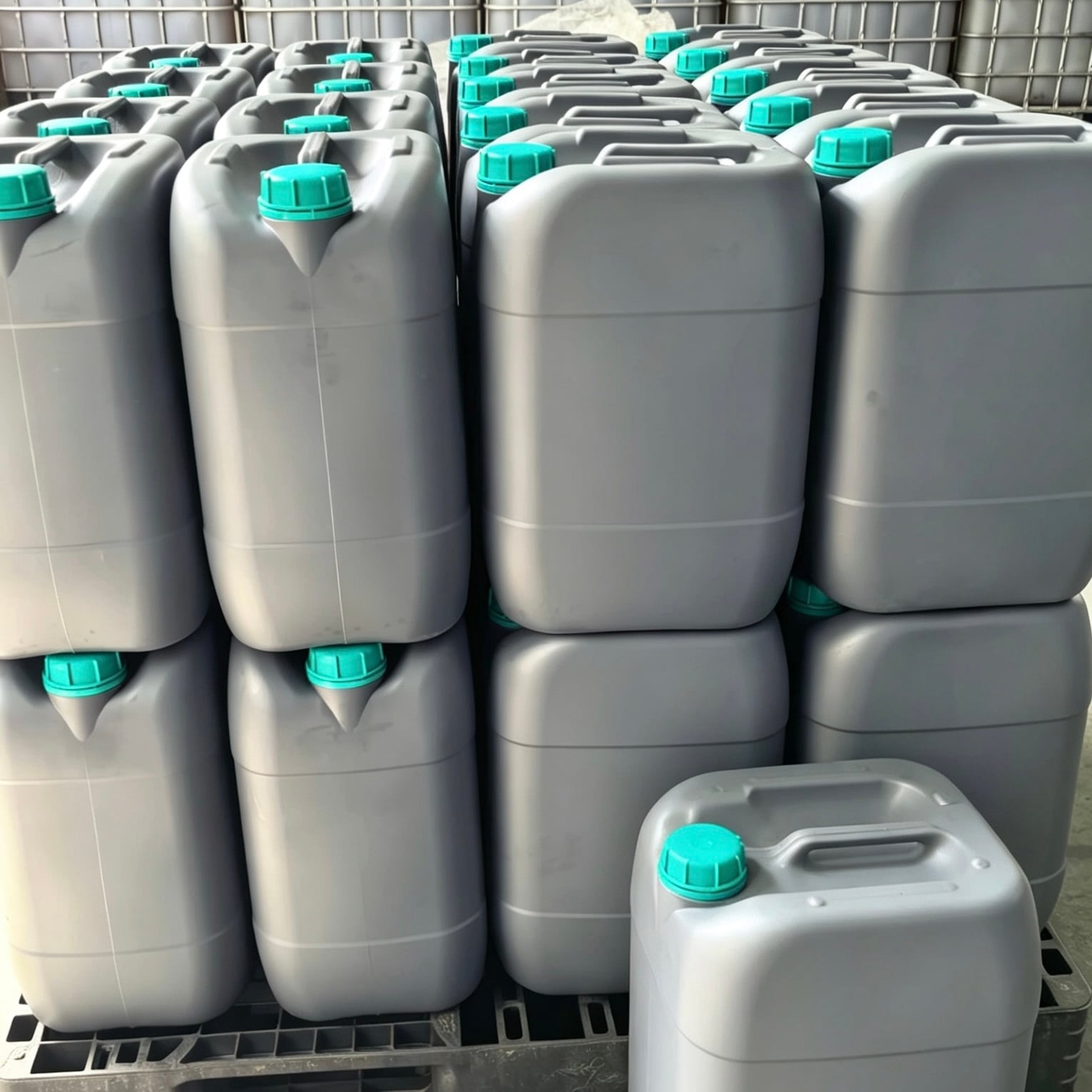
In modern textile manufacturing, achieving consistent yarn tenacity is one of the most pressing challenges for mill operators working with air-jet vortex spinning systems. The question of whether vortex spinning oil can genuinely improve the overall tenacity of yarn is not merely academic — it has direct implications for production efficiency, fabric quality, and downstream processing outcomes. As vortex spinning technology becomes increasingly adopted across cotton, polyester, and blended fiber applications, the role of chemical auxiliaries in optimizing yarn performance deserves careful and evidence-based examination.

Vortex spinning oil is a specially formulated chemical lubricant and fiber-conditioning agent applied during or prior to the vortex spinning process. Its primary purpose is to manage fiber-to-fiber and fiber-to-metal friction, reduce static buildup, and support optimal fiber cohesion as fibers are twisted and bound into yarn structures within the spinning nozzle. Understanding how these functional properties translate into measurable improvements in yarn tenacity requires a closer look at the spinning mechanics, fiber behavior, and the chemistry at work in high-performance vortex spinning oil formulations.
Understanding Yarn Tenacity in Vortex Spinning Systems
What Tenacity Means in a Vortex Spinning Context
Yarn tenacity refers to the breaking strength of a yarn relative to its linear density, typically expressed in centinewtons per tex (cN/tex) or grams per denier. In vortex spinning, tenacity is particularly critical because the fiber binding mechanism differs fundamentally from ring spinning or open-end spinning. Vortex spinning relies on a swirling air stream to wrap surface fibers around a parallel fiber core, and the quality of this wrapping directly governs how much tensile load the final yarn can withstand.
Unlike ring-spun yarn, which derives tenacity from true twist distributed throughout the fiber bundle, vortex-spun yarn achieves its strength through the mechanical interlocking of wrapper fibers around a largely untwisted core. This structural distinction means that anything affecting the smoothness of fiber migration, the evenness of wrapper fiber distribution, or the frictional dynamics within the nozzle will have a measurable impact on the resulting tenacity. Vortex spinning oil, by modifying these very parameters, occupies a central position in tenacity optimization.
Why Vortex Spinning Creates Unique Tenacity Challenges
The high-speed air vortex environment introduces several challenges that directly affect tenacity. Fiber breakage during the spinning phase, uneven wrapping density, and excessive static charge can all disrupt the orderly fiber arrangement that maximizes yarn strength. Friction between fibers and the metal surfaces of the nozzle and spindle can cause micro-damage to fiber surfaces, weakening individual filaments before they are fully integrated into the yarn structure.
Moisture loss under high-speed conditions can also reduce the natural pliability of cellulosic fibers, causing brittleness that undermines tenacity at a fiber level. These challenges compound one another, and without effective chemical intervention, mills frequently observe tenacity values that fall short of what the raw fiber quality should theoretically deliver. This is precisely the gap that a well-formulated vortex spinning oil is designed to address.
How Vortex Spinning Oil Contributes to Tenacity Improvement
Friction Management and Fiber Surface Conditioning
The most direct mechanism by which vortex spinning oil improves tenacity is through controlled friction modification. A high-quality vortex spinning oil creates a thin, durable lubricating film on fiber surfaces that reduces harmful metal-to-fiber friction while preserving the inter-fiber friction necessary for cohesion. This balance is technically demanding — too little lubrication leads to fiber damage and breakage, while excessive lubrication causes fibers to slip past one another, reducing wrapping efficiency and tenacity.
When the friction coefficient is properly tuned by the vortex spinning oil, fibers migrate more predictably into the vortex zone and wrap with greater regularity around the core bundle. More uniform wrapper fiber distribution means more bonding points per unit length of yarn, which translates directly into higher tensile strength. Mills that have optimized their vortex spinning oil application rate and formulation type consistently report tenacity improvements in the range of five to fifteen percent compared to unoptimized conditions, depending on the fiber type and count.
Static Elimination and Its Role in Fiber Cohesion
Static electricity is a persistent problem in high-speed vortex spinning, particularly when processing synthetic fibers or blends with high polyester content. Static charge causes fiber repulsion, disrupts the orderly fiber flow into the nozzle, and creates irregular yarn structures with uneven wrapping density — all of which negatively impact tenacity. Vortex spinning oil formulations typically include antistatic agents that dissipate charge buildup rapidly, maintaining a controlled electrostatic environment throughout the spinning process.
By neutralizing static effectively, vortex spinning oil allows fibers to remain in close, cohesive contact during the critical wrapping phase. This results in tighter, more consistent yarn structures that resist tensile failure more effectively. The antistatic function of vortex spinning oil is therefore not merely a comfort feature for machine operators — it has a direct and measurable contribution to the mechanical tenacity of the finished yarn.
Moisture Retention and Fiber Pliability
Many vortex spinning oil formulations include hygroscopic or humectant components that help fibers retain adequate moisture levels during high-speed processing. This is especially important for cotton and viscose fibers, whose tensile properties are sensitive to moisture content. Dry fibers become brittle and are more prone to micro-fracture during the vortex wrapping phase, leading to yarn structures with higher weak-point frequency and lower average tenacity.
By maintaining fiber pliability through moisture management, vortex spinning oil helps fibers deform and flex during wrapping without breaking at their surface. The resulting yarn integrates fibers more fully into its load-bearing structure, with fewer damaged or shortened fiber ends that would otherwise act as stress concentration points. The cumulative effect is a yarn with more uniform tensile behavior and a higher average tenacity across the production run.
Application Parameters That Determine Tenacity Outcomes
Optimal Add-On Rate and Its Effect on Yarn Strength
The benefit of vortex spinning oil on tenacity is not unconditional — it is highly sensitive to the add-on rate at which the oil is applied to the fiber. Insufficient add-on fails to provide adequate lubrication and antistatic protection, leaving the fiber surface poorly conditioned and vulnerable to processing damage. Excessive add-on, on the other hand, over-lubricates the fiber bundle, reducing the inter-fiber cohesion that generates wrapping force and ultimately tenacity.
Most technical guidelines for vortex spinning oil suggest add-on rates in the range of 0.3% to 0.8% on fiber weight, though the optimal rate varies with fiber type, fiber fineness, and machine speed. Mills are encouraged to conduct systematic trials across this range and measure tenacity outcomes at each level to identify the application rate that delivers peak performance for their specific production conditions. This empirical optimization process is essential for fully realizing the tenacity benefits that vortex spinning oil can provide.
Application Method and Uniformity of Coverage
Beyond the quantity of vortex spinning oil applied, the uniformity of coverage across the fiber mass is equally important for tenacity outcomes. Uneven application creates zones of over-lubricated and under-lubricated fiber within the same sliver or roving, leading to variable wrapping quality and inconsistent tenacity along the yarn length. Weak zones in the yarn correspond to areas where fibers were inadequately conditioned, and these zones are typically the sites of yarn breakage under tension.
Modern application systems for vortex spinning oil use spray nozzles, kiss rolls, or pad-mangle arrangements to achieve the most uniform coverage possible. The viscosity of the vortex spinning oil formulation must be matched to the application method to ensure even penetration into the fiber mass without surface pooling or channeling. Mills that invest in precise application equipment and regularly validated coverage uniformity consistently achieve tighter tenacity distributions, meaning not just higher average tenacity but also reduced variability — a critical metric for high-quality textile production.
Fiber-Specific Considerations for Vortex Spinning Oil Tenacity Benefits
Cotton and Natural Cellulosic Fibers
For cotton spinning on vortex machines, the tenacity benefits of vortex spinning oil are well-documented. Cotton fibers have naturally irregular surface morphology and significant fiber-to-fiber friction even without lubrication, which can be either an asset or a liability depending on the spinning conditions. Vortex spinning oil for cotton must be carefully formulated to reduce harmful metal contact friction while preserving enough inter-fiber cohesion to support effective wrapping.
The moisture retention function of vortex spinning oil is particularly valuable for cotton, as this fiber is highly hygroscopic and its mechanical properties respond strongly to moisture content changes. A vortex spinning oil that helps cotton fibers maintain their natural moisture balance through the high-turbulence vortex zone will produce yarn with higher and more consistent tenacity than processing without chemical support. For fine counts of cotton — Ne 40 and above — where tenacity margins are tight, the contribution of well-chosen vortex spinning oil can be decisive for achieving acceptable yarn quality.
Polyester and Synthetic Fiber Blends
Polyester and polyester-cotton blend spinning on vortex machines presents a different set of challenges that vortex spinning oil must address to improve tenacity. Synthetic fibers have smooth surfaces with very low natural friction, which can make it difficult to achieve the fiber-to-fiber grip needed for effective wrapping. Additionally, polyester generates substantial static charge at vortex spinning speeds, disrupting fiber flow and wrapping consistency.
Vortex spinning oil formulated for synthetic fiber applications typically incorporates stronger antistatic packages and carefully balanced lubrication profiles that enhance controlled inter-fiber cohesion without over-smoothing the fiber surfaces. When correctly applied, such formulations significantly improve the regularity of wrapper fiber distribution in polyester-containing yarns, leading to measurably higher tenacity and improved elongation-at-break values. For blended yarns, the vortex spinning oil must simultaneously manage the different friction and moisture characteristics of both fiber types, making formulation sophistication a key differentiator in performance outcomes.
Practical Evidence and Process Validation
Measuring Tenacity Improvements Attributed to Vortex Spinning Oil
Attributing tenacity changes to vortex spinning oil specifically requires controlled process trials where the oil application is the sole variable. In practice, mills compare yarn tenacity data from production runs with and without optimized vortex spinning oil application, using standardized tensile testing under consistent conditions. The Uster Tensorapid or equivalent single-thread tensile testing equipment provides the granular data needed to detect differences in both average tenacity and tenacity CV% — the coefficient of variation that reflects consistency.
Results from such trials frequently show that optimized vortex spinning oil application improves not only average tenacity but also reduces tenacity variability, which is arguably more important for downstream fabric quality. A yarn with consistent tenacity along its length produces fewer fabric defects, lower weaving or knitting breakage rates, and more uniform dyeing behavior. These downstream benefits amplify the commercial value of the tenacity improvement that vortex spinning oil provides, making the case for investment in quality formulations and precise application systems highly compelling.
Integrating Vortex Spinning Oil Optimization into Quality Management
For mills committed to systematic quality management, vortex spinning oil selection and application should be treated as a controlled process variable subject to regular monitoring and adjustment. This means establishing documented application rate targets, conducting periodic checks on oil concentration in the applied fiber, and correlating vortex spinning oil parameters with tenacity data from routine quality testing. When deviations in tenacity are observed, the vortex spinning oil application system should be among the first process parameters investigated.
Supplier technical support is a valuable resource in this process, as experienced vortex spinning oil suppliers can provide formulation guidance, application troubleshooting, and comparative data from similar mill environments. Mills that treat vortex spinning oil as a strategic process input rather than a commodity consumable tend to achieve more stable tenacity outcomes and faster resolution of quality issues when they arise. The integration of vortex spinning oil management into broader quality systems is therefore both a technical and operational best practice for competitive textile manufacturing.
FAQ
Does vortex spinning oil directly increase yarn tenacity or only prevent tenacity loss?
Vortex spinning oil contributes to tenacity through two complementary mechanisms. First, it actively improves fiber wrapping uniformity and cohesion, which generates measurable tenacity gains above baseline. Second, it prevents the tenacity degradation that would otherwise result from fiber damage, static disruption, and uneven processing. In well-controlled applications, both effects are present simultaneously, meaning vortex spinning oil both protects and enhances yarn tenacity rather than serving only one function.
Can the wrong vortex spinning oil formulation reduce yarn tenacity?
Yes, an incorrectly chosen or over-applied vortex spinning oil can negatively affect tenacity. Excessive lubrication reduces inter-fiber cohesion, causing wrapper fibers to slip rather than grip the core bundle tightly. Similarly, a formulation with inadequate antistatic properties for the specific fiber being processed may leave static-induced fiber disruption unresolved, resulting in irregular wrapping and reduced tensile strength. Selecting a vortex spinning oil matched to the fiber type, count, and machine speed is essential to ensure positive rather than negative tenacity outcomes.
How quickly can tenacity improvements be observed after changing vortex spinning oil?
Tenacity changes resulting from vortex spinning oil optimization are typically observable within a single production shift once the new application conditions have stabilized. However, meaningful statistical validation requires sampling across multiple production runs to account for natural process variation. Mills should allow at least 48 to 72 hours of stable production under the new vortex spinning oil conditions before drawing conclusions from tenacity data, ensuring that the results reflect genuine process improvement rather than short-term fluctuation.
Is vortex spinning oil application beneficial for all yarn counts and fiber types?
Vortex spinning oil provides tenacity benefits across a wide range of yarn counts and fiber types, but the magnitude and mechanism of the improvement vary. Fine counts benefit most significantly because they operate with tighter tenacity margins and are more sensitive to fiber damage and wrapping irregularity. Coarser counts are more tolerant but still benefit from static control and friction optimization. Different fiber types — cotton, polyester, viscose, and blends — require formulation-specific vortex spinning oil to address their distinct friction, static, and moisture profiles effectively.
Table of Contents
- Understanding Yarn Tenacity in Vortex Spinning Systems
- How Vortex Spinning Oil Contributes to Tenacity Improvement
- Application Parameters That Determine Tenacity Outcomes
- Fiber-Specific Considerations for Vortex Spinning Oil Tenacity Benefits
- Practical Evidence and Process Validation
-
FAQ
- Does vortex spinning oil directly increase yarn tenacity or only prevent tenacity loss?
- Can the wrong vortex spinning oil formulation reduce yarn tenacity?
- How quickly can tenacity improvements be observed after changing vortex spinning oil?
- Is vortex spinning oil application beneficial for all yarn counts and fiber types?