
 EN
EN
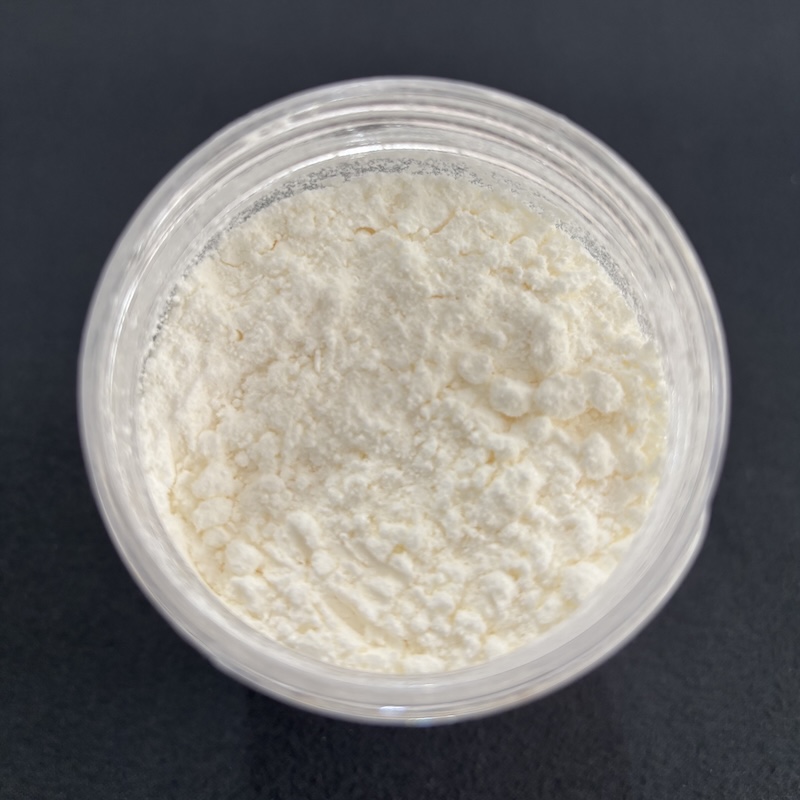
The density of PVC extrusions directly impacts material cost, product performance, and end-use suitability across construction, automotive, and industrial sectors. Modern blowing agents have emerged as a transformative technology that enables manufacturers to reduce extrusion density while maintaining structural integrity, thermal properties, and cost efficiency. Unlike earlier chemical foaming methods, contemporary blowing agents deliver precise cell structure control, consistent density reduction, and improved processing stability throughout the extrusion cycle. This shift represents a significant operational advantage for producers seeking to optimize material usage without compromising quality or performance specifications.
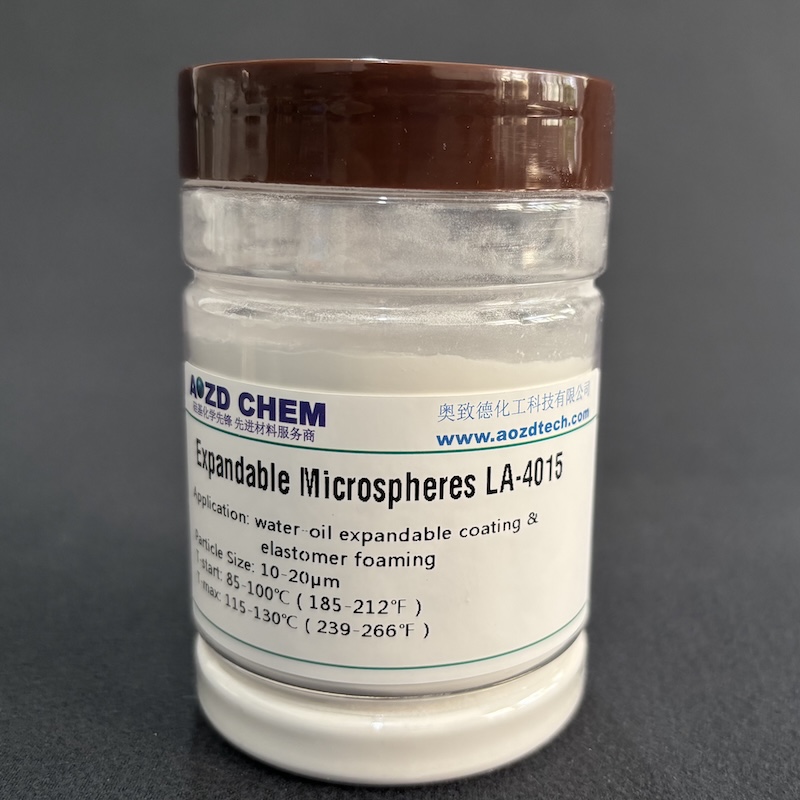
PVC extrusion manufacturers face constant pressure to reduce raw material consumption while meeting rigid performance standards. Modern blowing agents address this challenge by creating controlled micro-cellular structures within the polymer matrix, reducing overall density by 10 to 40 percent depending on formulation and processing parameters. These advanced blowing agents function through chemical decomposition or gas expansion mechanisms that generate minute gas bubbles uniformly distributed throughout the extruded profile, resulting in lighter parts without sacrificing load-bearing capacity or thermal stability.
How Modern Blowing Agents Function in PVC Extrusion
Chemical Decomposition and Gas Generation
Modern blowing agents work through thermally activated decomposition that releases nitrogen or carbon dioxide gas at controlled temperatures within the extrusion barrel. Chemical blowing agents such as azodicarbonamide and sodium bicarbonate-based formulations have been refined with advanced stabilizers and catalysts that ensure predictable gas release timing aligned with polymer residence time. When activated at the correct temperature, these blowing agents generate gas uniformly, preventing cell coalescence and maintaining structural homogeneity across the extruded section. This precision control distinguishes modern blowing agents from earlier generations that often produced inconsistent foam structures or undesired surface defects.
Physical Expansion Mechanisms
Physical blowing agents, including expandable microspheres and inert gas injection systems, operate through different principles than chemical blowing agents but achieve comparable density reduction in PVC extrusions. Expandable microspheres consist of low-boiling-point liquids encapsulated within thermoplastic shells that rupture when exposed to extrusion heat, releasing the internal liquid and creating controlled micro-bubbles. This mechanism allows manufacturers using blowing agents to achieve uniform density reduction without relying on chemical decomposition, offering advantages for sensitive applications where chemical residues must be minimized or where processing windows require absolute precision.
Performance Benefits of Blowing Agents in PVC Density Control
Material Cost Reduction and Resource Efficiency
The most immediate benefit of deploying modern blowing agents in PVC extrusion processes involves significant material cost savings through density reduction. By using blowing agents to create cellular structures, manufacturers can reduce polymer content per linear meter of extrusion by 15 to 35 percent, translating directly to lower raw material expenditure. For large-scale extrusion operations producing millions of meters annually, this density reduction compounds into substantial cost advantages while simultaneously reducing carbon footprint through lower polymer consumption. Energy costs also decline because blowing agents reduce the total mass requiring heating and mechanical work during extrusion.
Enhanced Mechanical and Thermal Properties
Modern blowing agents create cellular PVC structures that paradoxically improve certain performance characteristics despite lower overall density. The micro-cellular matrix provides superior sound dampening, vibration absorption, and thermal insulation compared to solid PVC profiles of equivalent thickness. Load-bearing capacity remains adequate for most architectural and industrial applications because the cellular structure distributes stress more effectively than solid material, and blowing agents enable precise control over cell size and wall thickness to match specific performance requirements. This performance preservation alongside density reduction makes blowing agents particularly valuable for applications demanding both weight efficiency and acoustic or thermal performance.
Processing Stability and Extrusion Control
Advanced blowing agents provide superior processing stability compared to earlier foaming technologies, allowing extrusion operators to maintain consistent production speeds and output quality. Modern blowing agents decompose within narrow temperature windows aligned with typical PVC extrusion barrel temperatures, preventing premature gas release or delayed cell formation that creates surface defects or internal voids. Real-time pressure monitoring and feedback systems work harmoniously with blowing agents to regulate gas generation rates, ensuring that cellular formation occurs at optimal points during profile formation. This stability reduces scrap rates, minimizes die pressure fluctuations, and extends die life by reducing thermal stress during the extrusion cycle.
Industrial Applications and Suitability Assessment
Construction and Building Profile Applications
PVC extrusions incorporating modern blowing agents have become standard in construction applications including window frames, door seals, cable ducts, and trim components where weight reduction and thermal efficiency are valuable. Building codes and performance standards accommodate foam-based PVC profiles because cellular structures maintain compression resistance and dimensional stability under typical load conditions. Blowing agents enable manufacturers to produce lighter, more thermally efficient window and door frames that reduce installation labor and improve building envelope performance without requiring material upgrades or structural redesign. This application sector represents the largest volume consumer of foamed PVC produced with modern blowing agents.
Automotive and Transportation Profiles
Automotive manufacturers increasingly specify foam-based PVC extrusions for seals, gaskets, weatherstripping, and interior trim components where weight reduction improves fuel efficiency and meets emission targets. Modern blowing agents enable automotive suppliers to meet demanding dimensional tolerances and compression set requirements while achieving 20 to 30 percent density reductions compared to solid PVC alternatives. The consistent cell structure produced by contemporary blowing agents provides reliable acoustic and thermal performance in automotive environments experiencing wide temperature fluctuations and mechanical vibration.
Industrial Equipment and Specialty Applications
Industrial sectors including cable management, piping systems, and specialized equipment housings utilize foam PVC extrusions produced with modern blowing agents to achieve weight reduction, improved handling, and cost efficiency. Blowing agents suited for specialty applications can be engineered to accommodate specific processing conditions, sterilization requirements, or chemical resistance needs that standard formulations cannot address. These applications demonstrate that modern blowing agents extend beyond commodity construction uses to support performance-critical industrial manufacturing.
FAQ
What density reduction levels can modern blowing agents achieve in PVC extrusions?
Modern blowing agents typically reduce PVC extrusion density by 10 to 40 percent depending on the specific agent chemistry, processing temperature, and desired cellular structure. Chemical blowing agents generally produce 15 to 25 percent density reduction, while physical blowing agents and expandable microsphere technologies can achieve 25 to 40 percent reduction when optimized for specific applications. The achievable density reduction depends on balancing material cost savings against performance requirements and processing constraints specific to each application.
Are foam PVC extrusions produced with blowing agents suitable for load-bearing applications?
Yes, foam PVC extrusions created with modern blowing agents retain adequate load-bearing capacity for most architectural and industrial applications because the cellular structure distributes stress effectively and wall thickness can be optimized for specific performance requirements. Structural calculations must account for the reduced material density, but foam profiles typically maintain 80 to 95 percent of the load-bearing capacity of equivalent solid PVC sections. Applications requiring extreme load capacity may require thicker profiles or solid core designs, but most standard construction and industrial uses accommodate foam PVC successfully.
How do modern blowing agents compare to older foaming technologies in terms of consistency and quality?
Modern blowing agents offer superior consistency, controllability, and surface quality compared to earlier foaming technologies through refined chemical formulations, advanced decomposition catalysts, and improved process monitoring capabilities. Contemporary blowing agents produce uniform cell structures with minimal surface defects, consistent density distribution, and predictable processing behavior across production runs. Earlier technologies often suffered from inconsistent cell formation, surface irregularities, and difficult process control, making modern blowing agents substantially more reliable for demanding industrial applications requiring consistent quality standards.