
 EN
EN
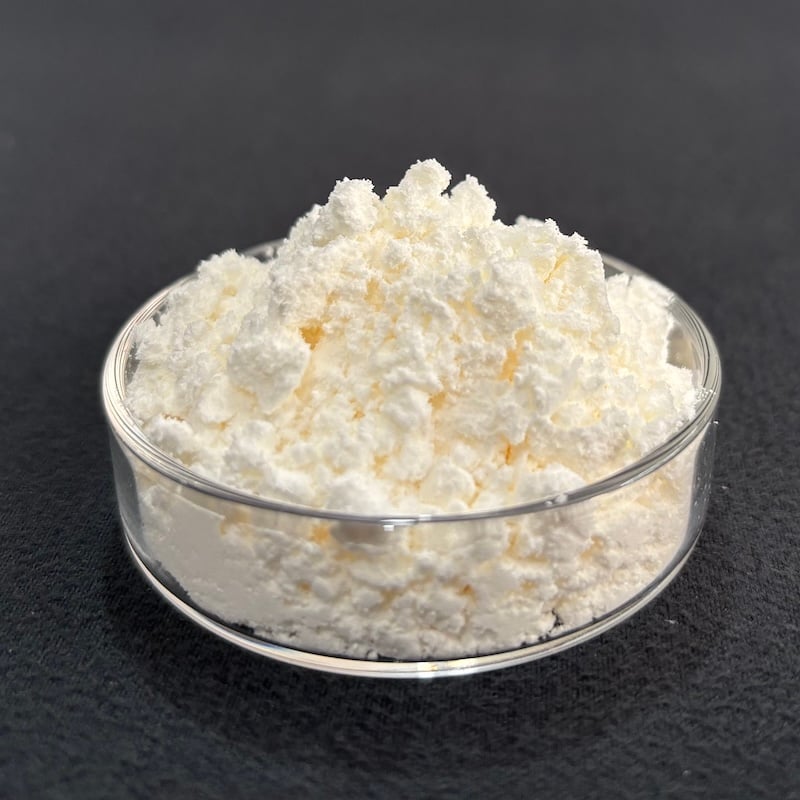
Blowing agents are chemical compounds that generate gas during processing, fundamentally transforming how rubber develops its internal cellular architecture. These materials determine whether rubber becomes dense and rigid or lightweight and compressible. Understanding how blowing agents influence the cell structure of rubber is essential for manufacturers seeking to optimize foam properties, cost efficiency, and performance characteristics. The relationship between blowing agent selection and resulting cellular morphology directly impacts the final product's insulation value, cushioning capacity, vibration damping, and acoustic properties.
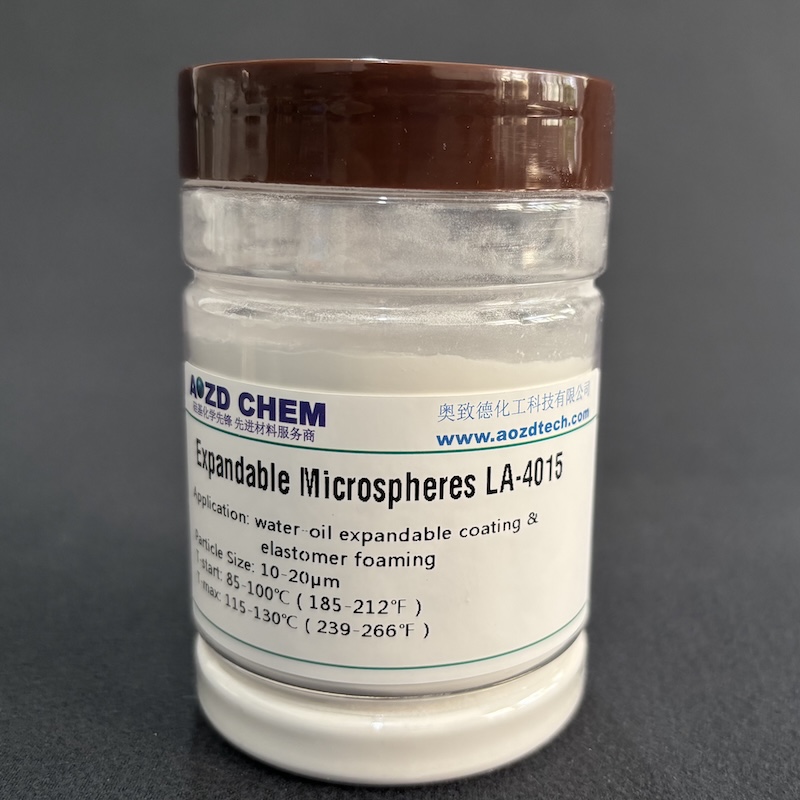
The science of how blowing agents influence rubber cell structure involves precise control over gas release timing, volume, and distribution during mixing and curing stages. Different blowing agent chemistries produce distinct pore sizes, cell wall thickness, and interconnectivity patterns that define the material's mechanical and thermal behavior. By selecting appropriate blowing agents and controlling processing parameters, manufacturers can engineer rubber foams with predictable density, compression resistance, and durability for demanding industrial applications.
Mechanisms of Cell Formation and Gas Generation
Chemical Decomposition and Gas Release
Blowing agents generate gas through thermal decomposition, which occurs when temperature rises during rubber processing. Physical blowing agents typically evaporate at specific temperatures, while chemical blowing agents undergo exothermic decomposition to release nitrogen, carbon dioxide, or water vapor. The rate of gas generation by blowing agents directly influences cell nucleation and growth kinetics, determining whether cells form uniformly throughout the rubber matrix or concentrate in certain regions. Proper selection of blowing agents ensures gas release occurs during the optimal processing window when rubber viscosity allows cell expansion without premature vulcanization.
Nucleation and Cell Expansion Dynamics
When blowing agents generate gas molecules within the rubber matrix, these gas bubbles serve as nucleation sites where cells initiate. The expanding gas pressure from blowing agents forces the rubber polymer chains apart, creating voids that become the cellular structure. The number of blowing agents particles present determines the initial number of nucleation sites, which directly correlates with final cell count and cell size distribution. Faster expansion driven by blowing agents results in finer, more uniform cell structures, while slower expansion typically produces larger, more irregular cells with variable wall thickness.
Impact on Pore Size, Density, and Cell Wall Architecture
Controlling Cell Diameter and Distribution
The concentration and decomposition rate of blowing agents directly regulate the average cell diameter and size uniformity in rubber foams. Higher concentrations of blowing agents generally produce lower-density foams with larger cells, as more gas is available for expansion. Conversely, lower blowing agents concentrations yield denser foams with smaller cells. The uniformity of cell size depends on how consistently blowing agents distribute throughout the rubber matrix before processing begins. Even distribution of blowing agents ensures that cells form at similar times and rates, producing homogeneous cell structures with predictable mechanical properties across the entire foam volume.
Cell Wall Thickness and Interconnectivity
Blowing agents influence not only cell size but also the thickness and geometry of walls separating adjacent cells. When blowing agents expand rapidly, they create thinner cell walls because the rubber has less time to flow and redistribute before gel formation occurs. Slower expansion by blowing agents permits greater polymer chain mobility, resulting in thicker walls and sometimes closed-cell structures where cells remain isolated. The degree of cell wall interconnectivity affects gas permeability, water absorption, and compressive strength of the final rubber foam, making blowing agents selection critical for application-specific performance requirements.
Industrial Applications and Performance Optimization
Thermal Insulation and Acoustic Damping
Blowing agents enable the creation of rubber foams used extensively in thermal insulation where enclosed gas provides low thermal conductivity. The cell structure created by blowing agents traps air and prevents convective heat transfer, making these foams ideal for HVAC systems, refrigeration, and pipe insulation applications. Acoustic damping relies on blowing agents generating open-cell or semi-open-cell structures that absorb sound energy through cell wall deformation and air friction. Different blowing agents produce varying degrees of cell openness, allowing engineers to optimize foam acoustic performance for noise control in automotive, industrial, and construction sectors.
Cushioning, Comfort, and Durability Considerations
Seating, padding, and vibration isolation applications depend on blowing agents producing optimal cell structures for load absorption and recovery characteristics. Blowing agents that generate moderate cell sizes with balanced wall thickness create foams offering excellent cushioning comfort and resilience for extended product lifecycles. The cell architecture shaped by blowing agents influences compression set, fatigue resistance, and resistance to permanent deformation under repeated loading. Industrial designers specify blowing agents types based on target hardness, rebound characteristics, and durability requirements for applications ranging from automotive seating to machinery mounts and industrial shock absorbers.
Selection Criteria and Processing Control
Matching Blowing Agents to Processing Conditions
Successful rubber foam manufacturing requires selecting blowing agents compatible with specific rubber chemistry, equipment capabilities, and cycle times. Physical blowing agents require precise temperature management to achieve desired decomposition rates, while chemical blowing agents must be timed to release gas at appropriate vulcanization stages. Processing temperature, shear rate during mixing, and holding time before molding all interact with blowing agents behavior to determine final cell structure. Manufacturers must validate blowing agents performance through trial formulations to ensure consistent quality and cost-effective production at scale.
Fine-Tuning Cell Structure Through Formulation
Blowing agents work synergistically with rubber base stocks, curatives, fillers, and auxiliaries to produce desired foam characteristics. Adjusting blowing agents dosage by even small percentages significantly alters cell size, density, and mechanical properties of the resulting rubber foam. Combinations of different blowing agents types can be employed to achieve specific cell size distributions and pore structure patterns suited to particular applications. Process control parameters such as mixing temperature, mixing duration, and post-mixing holding time directly influence how effectively blowing agents perform, making standardized procedures essential for reproducible results in production environments.
FAQ
What exactly do blowing agents do in rubber manufacturing?
Blowing agents are gas-generating compounds added to rubber formulations that decompose during processing to create tiny gas bubbles. These bubbles expand within the rubber matrix, forming the cellular structure that transforms solid rubber into lightweight foam. The amount and timing of gas generation by blowing agents determines cell size, density, and distribution throughout the rubber, directly affecting the foam's insulation value, cushioning properties, and mechanical performance.
How do different types of blowing agents produce different cell structures?
Physical blowing agents evaporate at specific temperatures, while chemical blowing agents decompose through exothermic reactions, each producing different gas release profiles. Fast-acting blowing agents generate cells rapidly, producing fine, uniform structures, whereas slow-acting blowing agents allow cells to grow larger and develop thicker walls. The decomposition temperature, gas generation rate, and total gas volume produced by different blowing agents types fundamentally shape the morphology of the resulting cellular rubber, allowing engineers to tailor foam properties for specific applications.
Can blowing agents concentration be adjusted to control foam density?
Yes, adjusting blowing agents concentration is one of the primary methods for controlling foam density in rubber manufacturing. Higher concentrations of blowing agents produce more gas molecules, leading to lower-density foams with larger cells, while lower concentrations yield denser foams with smaller cells. Precise control of blowing agents dosage enables manufacturers to achieve target densities within narrow tolerances, ensuring consistent performance and cost optimization across production batches.