
 EN
EN
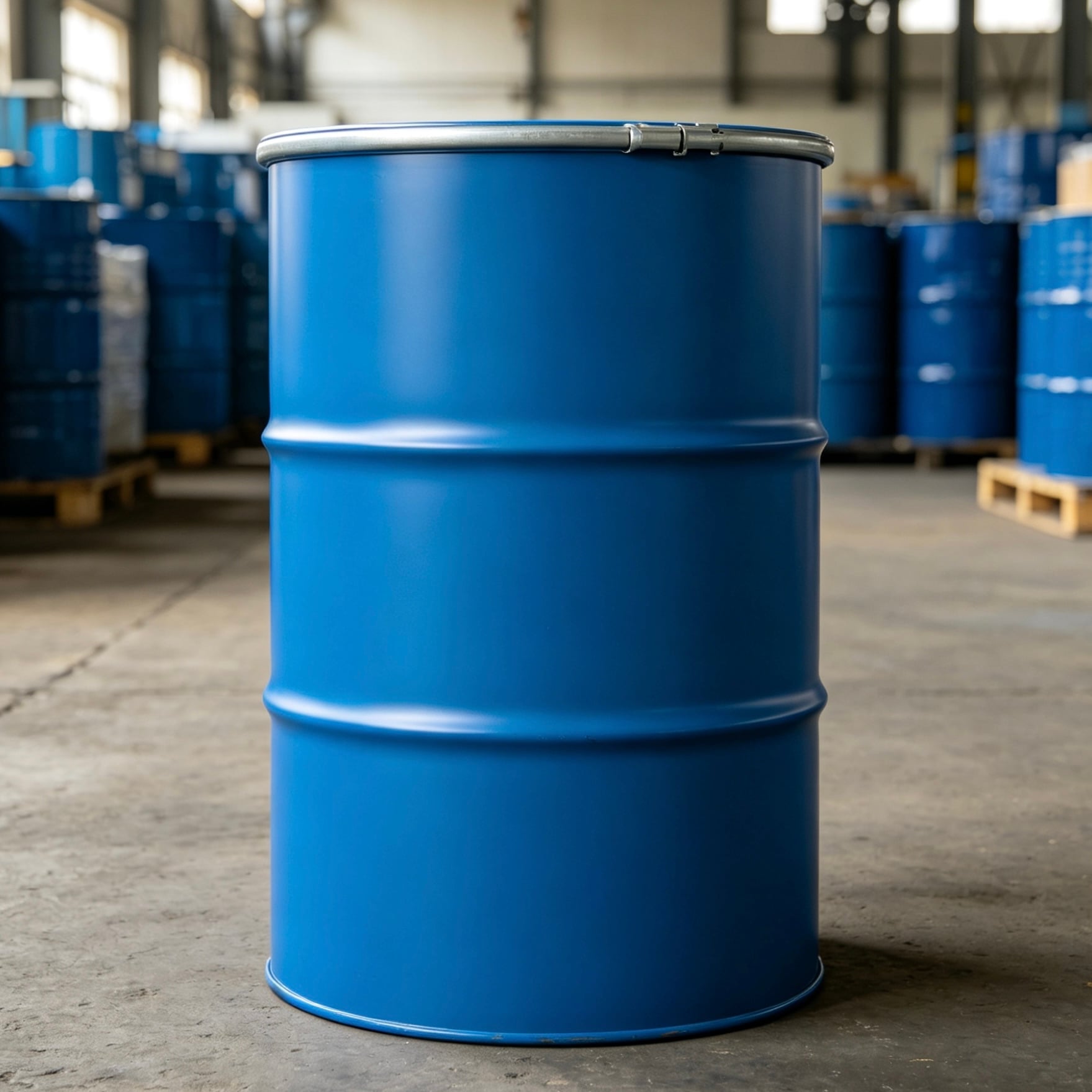
Heater buildup caused by polyester spinning oil remains one of the most persistent challenges in modern textile manufacturing facilities. When polyester spinning oil residues accumulate on heating equipment, they create operational inefficiencies, reduce heat transfer effectiveness, and can lead to equipment failure if left unaddressed. Understanding the root causes of this buildup and implementing preventative strategies is essential for maintaining consistent yarn quality and maximizing production uptime.

The challenge of managing polyester spinning oil buildup extends beyond simple maintenance schedules. Different formulations of polyester spinning oil respond differently to thermal conditions, and improper oil selection or application rates can dramatically accelerate accumulation on heater surfaces. This comprehensive guide explores the mechanisms behind buildup formation, identifies the key factors contributing to heater contamination, and presents practical solutions tailored to textile production environments.
Understanding Polyester Spinning Oil Buildup Mechanisms
How Thermal Degradation Affects Polyester Spinning Oil
When polyester spinning oil is exposed to elevated temperatures within spinning equipment, its molecular structure begins to break down through thermal oxidation. This degradation process creates heavier, more viscous byproducts that adhere strongly to heater surfaces. Polyester spinning oil formulated without adequate thermal stability additives is particularly susceptible to this breakdown, leading to rapid buildup accumulation. The resulting residue forms a protective barrier on the heater that reduces heat transfer efficiency and requires increasingly frequent cleaning cycles.
The Role of Oil Composition in Buildup Formation
Different polyester spinning oil formulations contain varying percentages of base oils, additives, and anti-oxidants that directly influence buildup tendencies. Lower-quality polyester spinning oil products often contain impurities or inadequate additive packages that crystallize and polymerize when heated, accelerating surface accumulation. Premium-grade polyester spinning oil with enhanced thermal stability and solubility characteristics resists buildup formation more effectively, even under demanding temperature conditions. Selecting the right polyester spinning oil composition for your specific heater design and operating temperatures is critical to minimizing maintenance requirements.
Key Factors Contributing to Heater Contamination
Temperature Management and Control Challenges
Excessive heater temperatures accelerate the degradation of polyester spinning oil and intensify buildup formation on heating surfaces. When heater thermostats malfunction or lack precision calibration, polyester spinning oil is exposed to temperature spikes that dramatically increase oxidation rates. Many spinning facilities experience recurring contamination issues because their heater temperature controllers drift outside optimal ranges, causing polyester spinning oil to degrade faster than it can drain away. Implementing robust temperature monitoring and investing in accurate digital thermostats significantly reduces the rate at which polyester spinning oil accumulates on critical heating components.
Application Rates and Circulation Patterns
Improper application rates represent another major contributor to polyester spinning oil buildup problems. Applying excessive polyester spinning oil to spinning packages creates overflow conditions where undegraded oil pools on heater surfaces instead of circulating through the spin path. Conversely, insufficient application rates of polyester spinning oil prevent adequate cooling and lubrication, causing the limited oil present to degrade more rapidly and stick to heater components. Optimizing polyester spinning oil flow rates according to your specific machine configuration and production speed ensures that oil circulates properly while minimizing surface accumulation.
Effective Prevention and Maintenance Solutions
Selecting High-Performance Polyester Spinning Oil Products
Transitioning to premium polyester spinning oil formulations designed specifically for thermal stability can substantially reduce heater buildup within weeks of implementation. Advanced polyester spinning oil products incorporate advanced oxidation inhibitors and enhanced base oils that resist thermal degradation even at sustained elevated temperatures. The polyester spinning oil engineered for minimal buildup characteristics helps maintain heater efficiency over extended operating periods. While premium polyester spinning oil carries higher per-unit costs, the reduction in downtime for heater cleaning and improved yarn consistency typically delivers measurable return on investment within the first production quarter.
Implementing Regular Maintenance Protocols
Establishing consistent heater cleaning schedules based on your specific polyester spinning oil type and production volume is fundamental to preventing severe accumulation. Facilities using standard-grade polyester spinning oil often require weekly cleaning cycles, while those using enhanced formulations may extend intervals to bi-weekly or longer periods. Documentation of each polyester spinning oil application batch, heater temperature logs, and cleaning intervals helps identify patterns in buildup formation specific to your operation. Combining scheduled maintenance with quality upgrades of polyester spinning oil creates a comprehensive strategy that addresses both immediate cleanliness concerns and long-term equipment performance.
FAQ
What causes polyester spinning oil to build up on heaters?
Polyester spinning oil builds up on heaters primarily through thermal oxidation, where elevated temperatures break down the oil's molecular structure into heavier residues that adhere to heating surfaces. Inadequate oil formulations lacking thermal stability additives, excessive application rates, and malfunctioning temperature controllers all accelerate this buildup process. When polyester spinning oil cannot circulate properly or is exposed to sustained temperature spikes, it degrades faster and leaves behind hardened deposits that require mechanical or chemical removal.
How does polyester spinning oil buildup affect production quality?
Polyester spinning oil buildup reduces heat transfer efficiency, leading to inconsistent fiber properties and increased yarn defects. When heater surfaces are coated with polyester spinning oil residue, they cannot deliver uniform thermal conditions to spinning packages, resulting in variations in fiber fineness, strength, and moisture content. Additionally, heater contamination forces frequent unplanned maintenance shutdowns that disrupt production schedules and reduce overall facility throughput, directly impacting profitability.
Can changing polyester spinning oil products eliminate buildup problems?
Upgrading to high-performance polyester spinning oil formulations designed for thermal stability can significantly reduce buildup rates, though complete elimination depends on maintaining proper temperature control and application practices. Premium polyester spinning oil products resist oxidation better than standard grades, but they still require appropriate heater maintenance, accurate temperature monitoring, and optimized circulation patterns. Combining superior polyester spinning oil quality with well-executed maintenance protocols typically reduces heater cleaning frequency and extends equipment service life substantially.