
 EN
EN
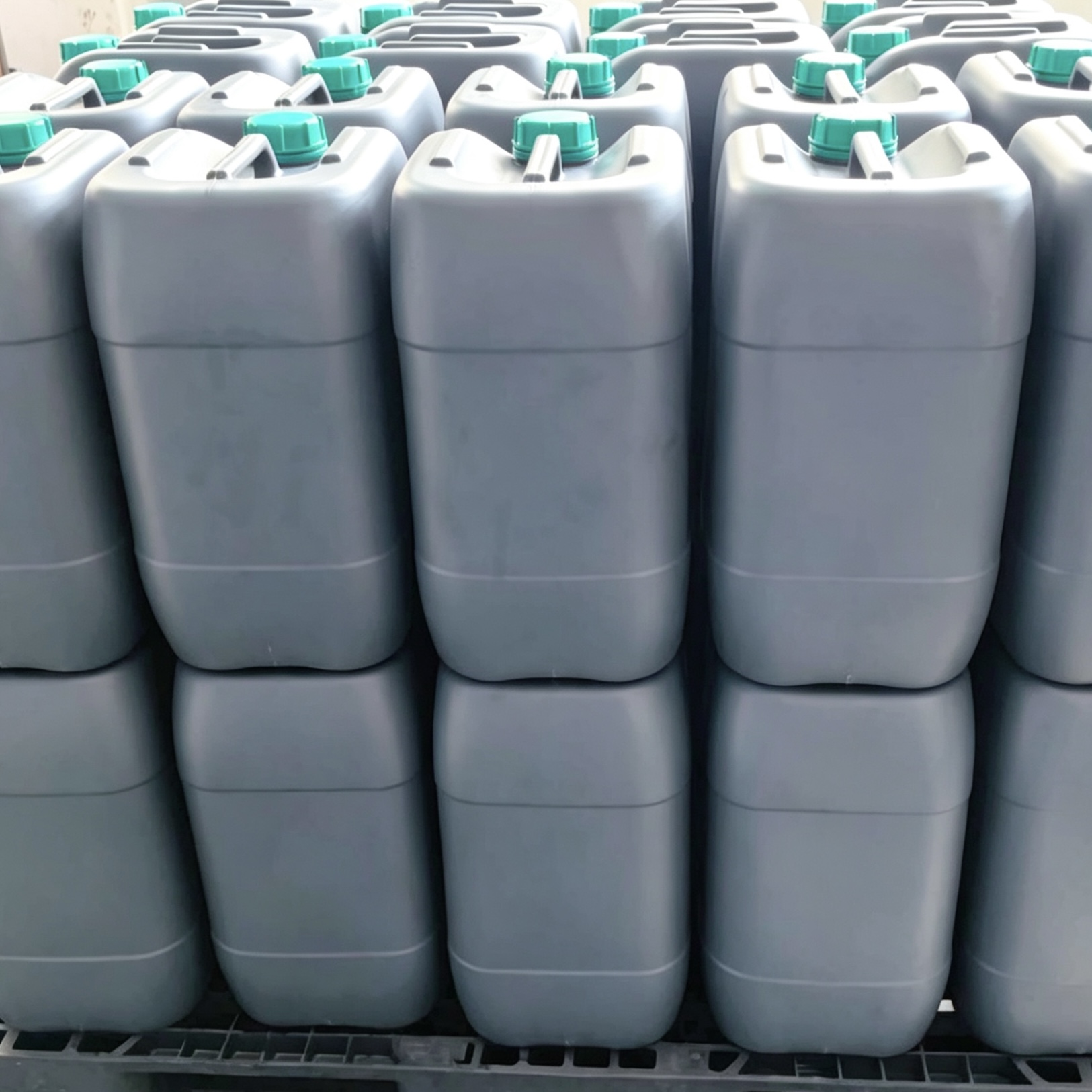
High-speed air-jet looms represent the cutting edge of modern textile manufacturing, capable of producing fabric at speeds that would have seemed impossible just decades ago. Yet achieving these impressive speeds requires more than just advanced machinery and skilled operators. The lubricant system plays a fundamental role in maintaining the performance and longevity of these sophisticated machines. Vortex spinning oil has emerged as a critical component in this ecosystem, specifically formulated to meet the demanding requirements of contemporary air-jet loom technology.
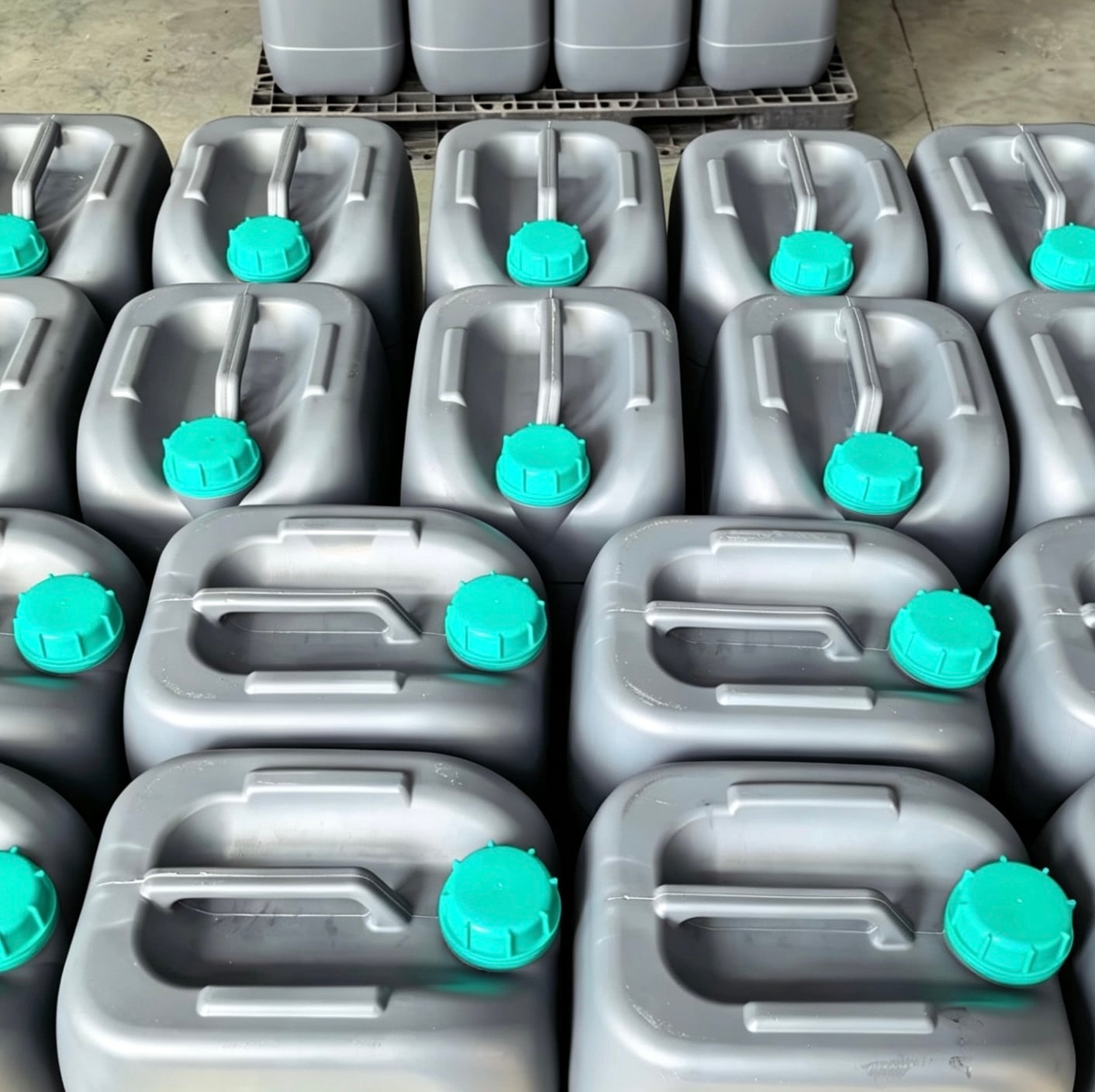
Understanding why vortex spinning oil has become indispensable requires examining both the operational mechanics of air-jet looms and the unique stresses placed on their lubrication systems. Modern textile mills operate under intense pressure to maximize output while minimizing downtime and defects. The role of vortex spinning oil extends beyond simple friction reduction; it encompasses thermal management, deposit prevention, fiber protection, and equipment longevity.
The Operational Demands of High-Speed Air-Jet Looms
Understanding Air-Jet Loom Mechanics
Air-jet looms use compressed air to propel weft yarn across the loom at exceptional speeds, often exceeding 1,000 picks per minute. This revolutionary approach to weaving generates intense frictional forces at multiple contact points throughout the machine. The weft insertion system, guide rails, and rotating components all experience significant thermal and mechanical stress that demands superior lubrication performance. Vortex spinning oil must withstand these extreme conditions without breaking down or accumulating harmful deposits that could compromise machine precision.
Temperature and Speed Challenges
The combination of high-speed operation and frictional heat creates an environment where conventional oils quickly degrade. At the contact points where yarn moves through the loom's guide system, temperatures can spike rapidly. Vortex spinning oil maintains viscosity stability across this entire temperature range, ensuring consistent lubrication whether the machine is operating during startup or at peak speeds after extended production runs. This thermal stability prevents viscosity loss that would otherwise lead to inadequate film strength and increased wear.
Why Vortex Spinning Oil Protects Fiber Quality
Minimizing Fiber Damage and Breakage
Yarn breakage represents one of the costliest problems in air-jet loom operations, directly impacting productivity and creating quality defects. When loom oil lacks the proper formulation characteristics, it can leave sticky residue on yarn surfaces that increases friction during weaving. Vortex spinning oil has been specifically engineered to provide clean lubrication that reduces fiber-to-fiber friction without leaving problematic deposits. The oil's unique chemistry ensures that yarn glides smoothly through the weft insertion system, minimizing the breakage events that disrupt production schedules and waste raw materials.
Preventing Oil Staining and Contamination
Finished fabric quality depends heavily on the cleanliness of the weaving process. Inferior oils tend to oxidize and leave brown stains on yarn and finished fabric, creating major quality issues that customer mills will reject. Vortex spinning oil incorporates advanced oxidation inhibitors and anti-staining additives that keep the yarn clean throughout the weaving process. This protection is particularly important for light-colored fabrics where even minor discoloration becomes immediately visible and unacceptable to downstream processors.
The Performance Advantages of Purpose-Designed Vortex Spinning Oil
Extended Machine Intervals and Reduced Maintenance
Purpose-designed vortex spinning oil delivers superior oxidation stability compared to general-purpose industrial oils, enabling longer drain intervals and reduced maintenance requirements. The specialized additive package resists thermal and chemical breakdown, maintaining oil performance even under the continuous stress of high-speed loom operation. Mills using premium vortex spinning oil report fewer unscheduled maintenance events and shorter downtime, translating directly into increased productivity and reduced overall operating costs. The investment in quality vortex spinning oil pays for itself through improved machine availability and extended equipment lifespan.
Enhanced Wear Protection and Component Longevity
The precision components in air-jet looms demand exceptional wear protection to maintain the tight tolerances essential for consistent fabric quality. Vortex spinning oil incorporates rust and oxidation inhibitors along with anti-wear additives that form protective films on critical metal surfaces. These protective boundaries reduce metal-to-metal contact during high-speed operation, minimizing wear on bearings, guides, and other wearing components. Mills that invest in vortex spinning oil consistently report improvements in component longevity and reduced replacement costs compared to operations using inadequate lubrication products.
Deposit Control and System Cleanliness
High-speed loom operation generates heat that can cause inferior oils to oxidize and form varnish deposits inside the machine. These deposits accumulate on heat exchangers, in hydraulic circuits, and on critical surfaces, gradually reducing machine efficiency and increasing the risk of component failure. Vortex spinning oil resists deposit formation through its advanced detergent chemistry and anti-oxidant formulation. Clean internal systems mean better heat dissipation, more reliable sensor operation, and consistent machine performance throughout extended production runs.
Implementation and Selection Considerations
Matching Oil Viscosity to Machine Requirements
Different air-jet loom designs may require different viscosity grades of vortex spinning oil to achieve optimal performance. Manufacturers typically specify the appropriate viscosity grade for their equipment based on design speeds, bearing types, and operating temperatures. Vortex spinning oil is available in multiple viscosity options to match these diverse requirements. Selecting the correct viscosity grade ensures proper film thickness at critical contact points while minimizing drag losses that could reduce machine speed or increase energy consumption. Mill maintenance teams should consult equipment specifications and oil supplier recommendations to ensure proper viscosity selection.
Proper Storage and Handling Practices
Even premium-quality vortex spinning oil requires proper storage conditions to maintain its performance characteristics. Extended exposure to sunlight, extreme temperatures, or contamination can degrade the oil before it ever reaches the loom. Mills should store vortex spinning oil in sealed containers away from moisture and direct sunlight, maintaining temperatures in a moderate range. Regular filtration and water removal from used vortex spinning oil extends system life and maintains the protection this specialized lubricant provides.
FAQ
What makes vortex spinning oil different from general industrial oils?
Vortex spinning oil is formulated specifically for the unique demands of high-speed weaving equipment. Unlike general-purpose oils, vortex spinning oil includes specialized additives designed to prevent fiber staining, reduce oxidation at high temperatures, minimize deposit formation, and provide superior wear protection. The carefully balanced chemistry ensures that vortex spinning oil protects both the machinery and the yarn being processed, making it far more effective than generic industrial lubricants in air-jet loom applications.
How often should vortex spinning oil be changed in high-speed looms?
The change interval for vortex spinning oil depends on machine design, operating conditions, and the specific oil formulation. High-quality vortex spinning oil with superior oxidation stability often enables extended drain intervals compared to inferior products. Most mills follow manufacturer recommendations and establish maintenance schedules based on oil analysis reports that monitor viscosity, acid number, and contamination levels. Regular testing helps optimize vortex spinning oil change intervals for each specific operation, balancing performance maintenance with cost efficiency.
Can vortex spinning oil reduce yarn breakage in air-jet looms?
Yes, proper vortex spinning oil can significantly reduce yarn breakage by providing clean, consistent lubrication that minimizes friction at contact points. When yarn moves through loom guides lubricated with high-quality vortex spinning oil, surface drag decreases and the risk of snagging or breakage diminishes. Additionally, the absence of sticky deposits from premium vortex spinning oil means the yarn travels through the machine more smoothly, reducing the tensile stress that causes breaks during high-speed weaving.