
 EN
EN
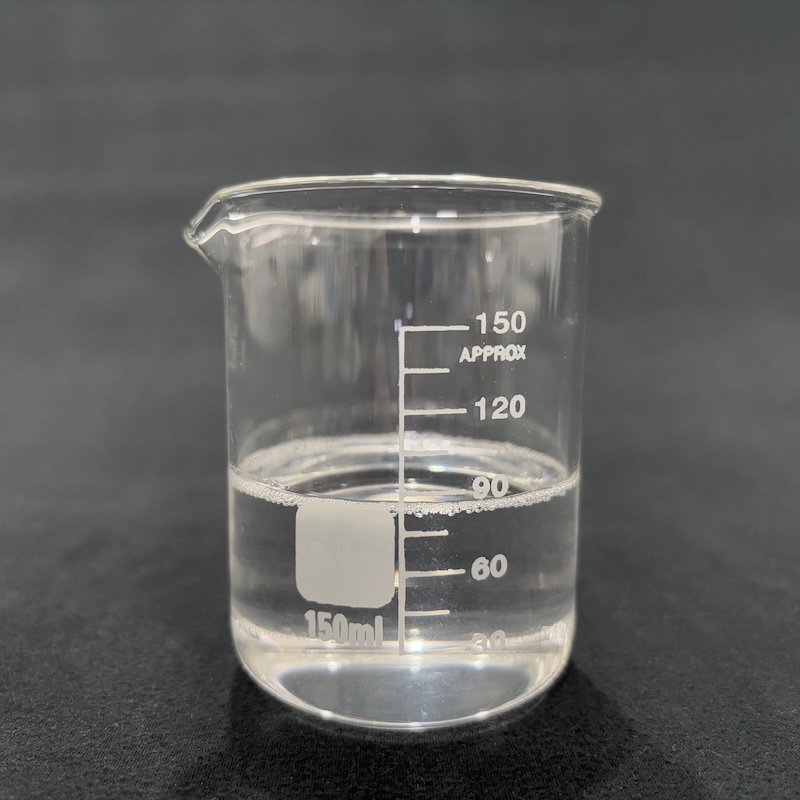
The term 'super-wetter' has become increasingly important in industrial chemistry, particularly for manufacturers seeking to improve coating coverage, ink adhesion, and textile penetration. Polyether modified polysiloxane represents one of the most effective chemical solutions for achieving superior wetting performance across diverse applications. This silicone-based surfactant combines the hydrophobic properties of siloxane backbone with hydrophilic polyether chains, creating a molecule uniquely suited to reduce surface tension and promote rapid liquid spreading on substrate surfaces. Understanding how polyether modified polysiloxane functions at the molecular level reveals why this chemistry has become the preferred choice in formulations requiring exceptional wetting behavior.
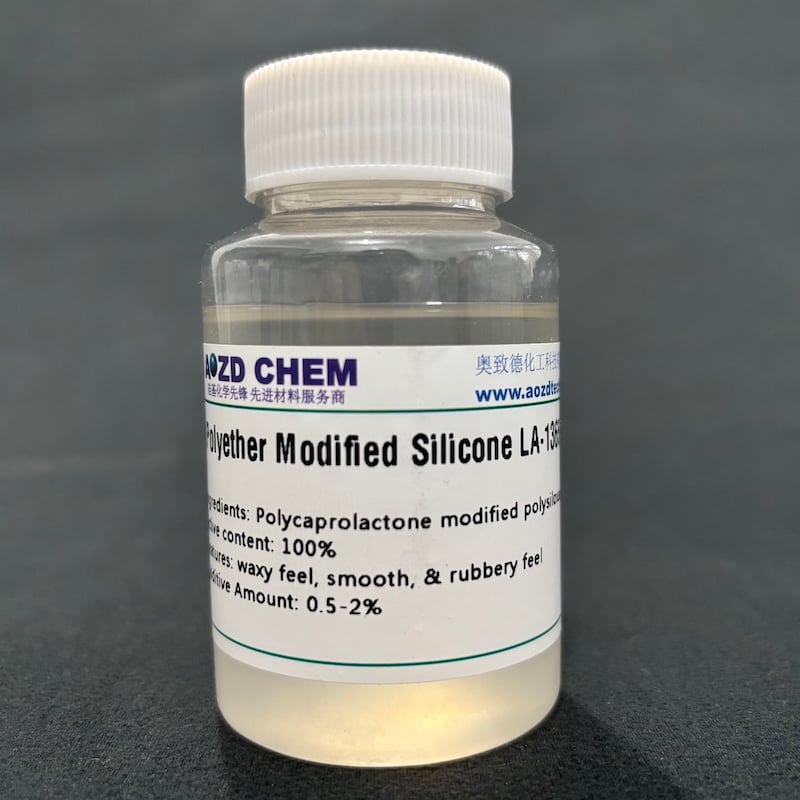
The effectiveness of polyether modified polysiloxane as a super-wetter lies in its unique molecular architecture. Unlike traditional surfactants, polyether modified polysiloxane molecules possess a siloxane backbone with strategically attached polyether side chains. This dual-nature structure allows the compound to position itself at liquid-air and liquid-solid interfaces, dramatically lowering interfacial tension and enabling liquids to spread spontaneously across surfaces that would normally resist wetting. For industrial operators, this means faster application times, improved coverage uniformity, and enhanced final product performance.
Molecular Structure and Interfacial Activity
The Siloxane Backbone Foundation
At the core of polyether modified polysiloxane lies a siloxane backbone composed of alternating silicon and oxygen atoms. This backbone provides exceptional chemical stability and hydrophobic character. The siloxane structure resists thermal degradation and maintains its molecular integrity even under challenging processing conditions, making polyether modified polysiloxane suitable for high-temperature applications. Additionally, the hydrophobic siloxane backbone allows polyether modified polysiloxane to concentrate at the air-liquid interface, positioning the surfactant molecule precisely where wetting performance matters most.
Polyether Side Chains and Hydrophilicity
The polyether chains attached to the siloxane backbone introduce hydrophilic regions into the polyether modified polysiloxane molecule. These polyether segments contain oxygen atoms that can form hydrogen bonds with polar solvents and substrate surfaces. When polyether modified polysiloxane is dissolved in a coating or ink formulation, the polyether chains orient themselves toward aqueous or polar components while the siloxane backbone remains oriented toward non-polar regions. This amphiphilic nature makes polyether modified polysiloxane exceptionally efficient at reducing surface tension, typically lowering values from 72 mN/m for water to less than 20 mN/m in formulated systems.
Super-Wetting Mechanism and Surface Interactions
Dynamic Surface Tension Reduction
Surface tension is the primary barrier preventing liquids from wetting and spreading across surfaces. Polyether modified polysiloxane overcomes this barrier through rapid interfacial adsorption. When polyether modified polysiloxane molecules accumulate at the liquid surface, they disrupt the cohesive forces between liquid molecules, reducing surface tension almost instantaneously. This dynamic reduction means that polyether modified polysiloxane can achieve wetting performance improvements in real-time during application processes. Coatings formulated with polyether modified polysiloxane demonstrate noticeably faster flow and leveling compared to formulations without this additive, resulting in superior gloss and aesthetic appearance.
Contact Angle Modification and Substrate Spreading
The contact angle, measured as the angle between a liquid droplet and a solid surface, determines whether a liquid will wet or bead on that surface. Polyether modified polysiloxane reduces contact angles by promoting favorable interactions between the liquid phase and substrate surface. The polyether chains within polyether modified polysiloxane can establish temporary hydrogen bonds with polar components on substrate surfaces, while the siloxane backbone simultaneously maintains the formulation's compatibility with coating vehicles. This dual mechanism allows polyether modified polysiloxane to achieve wetting on challenging substrates including silicone elastomers, certain plastics, and heavily oiled surfaces that resist conventional surfactants.
Industrial Applications and Performance Implications
Coatings and Paint Formulation
In the coatings industry, polyether modified polysiloxane has become essential for achieving uniform coverage and eliminating surface defects. Paint and coating manufacturers incorporate polyether modified polysiloxane at typical dosages of 0.1 to 0.5 percent by weight. At these low concentrations, polyether modified polysiloxane delivers measurable improvements in flow, wetting of primers, and cratering resistance. Polyether modified polysiloxane is particularly valuable in industrial coatings where substrates may have contamination or oxidized surfaces that would normally reject conventional paint systems. The super-wetter performance of polyether modified polysiloxane ensures that even challenging substrates receive complete coverage and strong adhesion.
Textile and Fiber Processing
Textile manufacturers rely on polyether modified polysiloxane to ensure rapid penetration of dyes, finishes, and chemical treatments into fiber matrices. The super-wetter chemistry of polyether modified polysiloxane allows aqueous dye baths to completely saturate fabric structures without requiring excessive mechanical agitation or extended process times. Polyether modified polysiloxane also prevents the hydrophobic character of certain synthetic fibers from resisting aqueous dye solutions. By incorporating polyether modified polysiloxane into dye formulations, processors achieve more even color distribution, improved dye uptake, and reduced material loss.
Ink and Printability Enhancement
Ink formulators use polyether modified polysiloxane to improve substrate wetting for both flexographic and digital printing applications. Polyether modified polysiloxane enhances ink transfer to film, foil, and non-absorbent surfaces where conventional inks would show poor adhesion and uneven color. The super-wetter properties of polyether modified polysiloxane ensure that ink droplets spread uniformly across printing substrates, producing sharp print quality and consistent color development.
FAQ
Why is polyether modified polysiloxane considered a super-wetter compared to other surfactants?
Polyether modified polysiloxane achieves super-wetter status because it combines the high interfacial activity of siloxane chemistry with the hydrophilic capability of polyether chains. This combination enables polyether modified polysiloxane to reduce surface tension to lower levels than conventional surfactants while maintaining thermal and chemical stability. Additionally, polyether modified polysiloxane works effectively at very low concentrations, typically 0.1 to 0.5 percent, delivering performance benefits without formulation complications.
Can polyether modified polysiloxane be used in all coating systems?
While polyether modified polysiloxane is versatile, compatibility depends on the specific polyether modified polysiloxane grade and coating chemistry. Water-based systems, solvent-based systems, and high-solids formulations can all benefit from appropriate polyether modified polysiloxane grades. However, users should verify compatibility with other additives and resins before full-scale implementation. Testing under actual processing conditions ensures that polyether modified polysiloxane delivers expected wetting performance without introducing foam, cratering, or other surface defects.
What dosage of polyether modified polysiloxane is recommended for coating applications?
Typical polyether modified polysiloxane dosages range from 0.1 to 0.5 percent by weight in coating formulations, though specific requirements depend on substrate type, coating viscosity, and desired wetting performance. Lower concentrations often suffice for clean substrates with existing wettability, while challenging surfaces may require polyether modified polysiloxane at the upper end of the recommended range. Excessive polyether modified polysiloxane dosage can introduce unwanted foam and surface defects, making careful evaluation essential for optimal results.