
 EN
EN
Customer retention depends on more than just product performance. The tactile experience your product delivers directly influences whether buyers will repurchase and recommend it to others. When consumers evaluate a product, their first impression often comes from how it feels in their hands. A poor hand feel can trigger negative associations that damage brand loyalty, even if the product's core functionality is excellent. This sensory dimension is frequently overlooked by manufacturers, yet it represents one of the most powerful drivers of customer satisfaction and repeat business.
The science of hand feel extends far beyond subjective preference. Research in consumer psychology shows that tactile sensations trigger emotional responses that influence purchasing decisions at both conscious and subconscious levels. When a product lacks the expected hand feel, customers perceive it as lower quality, cheaper, or less trustworthy, regardless of its actual specifications. Understanding why hand feel matters and how to optimize it has become essential for companies competing in markets where differentiation is critical.
Why Hand Feel Directly Impacts Customer Loyalty
The Tactile-Emotional Connection
Every time a customer touches your product, they're forming an emotional judgment about its value. Hand feel communicates quality without words, creating an immediate impression that shapes purchasing behavior. A premium hand feel suggests investment in craftsmanship, material selection, and attention to detail. Conversely, a rough, sticky, or unpleasant hand feel signals corner-cutting or inferior manufacturing. This tactile feedback happens within milliseconds and operates largely below conscious awareness, making it a powerful but often unmanaged factor in customer retention.
Market Data on Tactile Perception
Consumer studies consistently demonstrate that hand feel influences repurchase rates across industries, from personal care products to industrial equipment. Customers who experience poor hand feel are significantly more likely to switch to competitors, even when price differences are minimal. The perception of hand feel also correlates strongly with perceived value, meaning that improving hand feel can justify premium pricing without requiring changes to core product functionality. This insight explains why leading brands invest heavily in refining their hand feel as a retention strategy.
The Business Cost of Ignoring Hand Feel
Customer Churn and Lost Revenue
When hand feel falls short of customer expectations, the consequences extend beyond a single purchase. Dissatisfied customers share their experience through reviews, social media, and word-of-mouth recommendations, amplifying the damage. A poor hand feel can result in negative online ratings that deter new customers before they ever try the product. The cost of recovering from reputation damage often exceeds the investment required to optimize hand feel from the start. Companies that neglect this factor face accelerating churn, declining market share, and reduced lifetime customer value.
Competitive Disadvantage
In mature markets, competitors often have comparable functionality and pricing. Hand feel becomes a decisive differentiator that determines which brand wins customer preference. When competitors offer superior hand feel, they capture market share by simply delivering a better sensory experience. This advantage compounds over time as satisfied customers become brand advocates and loyal repeat buyers. Manufacturers who ignore hand feel essentially cede competitive advantage to rivals who recognize its strategic importance.
Optimizing Hand Feel to Retain Customers
Material and Formulation Strategies
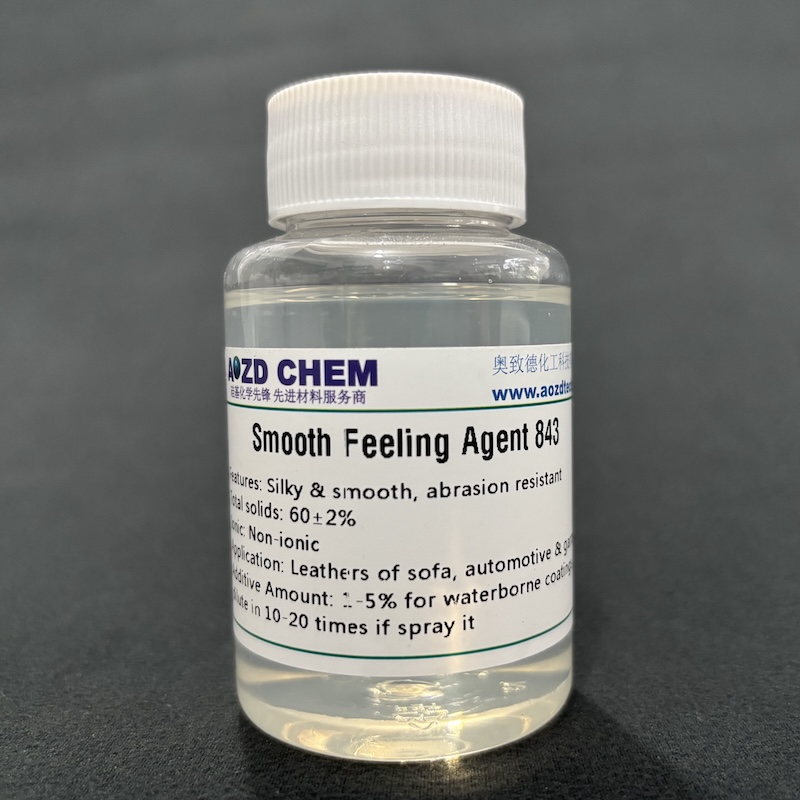
The foundation of exceptional hand feel begins with intentional material selection and formulation design. Specialized additives and surface treatments can dramatically enhance how a product feels without compromising core performance characteristics. hand feel agents engineered for silky, smooth, or premium tactile sensations allow manufacturers to elevate the customer experience cost-effectively. The right hand feel formulation ensures that the product delivers the exact sensory impression that resonates with your target market, whether that's softness, smoothness, or a premium texture that justifies premium pricing.
Testing and Validation
Optimizing hand feel requires systematic evaluation through sensory panels, consumer testing, and comparative benchmarking. Manufacturers must gather feedback from actual target customers to understand which tactile characteristics matter most for retention. Hand feel perception varies across demographics, regions, and use contexts, so validation with the right audience is critical. Iterative testing ensures that hand feel improvements align with customer expectations and deliver measurable improvements in satisfaction and repurchase intent. Without validation, manufacturers risk investing in hand feel refinements that don't move the needle on customer retention.
Implementation Across Production
Consistency in hand feel across production batches is essential for maintaining customer trust and loyalty. Once customers experience a certain hand feel, variation between purchases creates disappointment and uncertainty about product quality. Standardized processes, ingredient sourcing, and quality control procedures must be implemented to ensure that hand feel remains consistent from batch to batch. Training production teams on the importance of hand feel quality ensures that this dimension receives appropriate attention throughout manufacturing and packaging operations. Sustainable improvement in customer retention requires hand feel to be treated as a managed specification, not a happy accident.
FAQ
How much does improving hand feel cost compared to the customer retention benefit?
The investment in hand feel optimization depends on the specific formulation and manufacturing adjustments required. In most cases, the cost of adding specialized hand feel agents or adjusting surface treatments is minimal relative to the value of improved customer retention. Companies that improve hand feel typically see measurable increases in repeat purchases and brand loyalty that quickly justify the initial investment. The return on investment accelerates when considering the reduced costs of customer acquisition versus the higher lifetime value of retained customers.
Can hand feel improvements work across different product categories?
Yes, hand feel optimization principles apply across virtually all product categories where customers have tactile contact. Personal care products, textiles, coatings, industrial equipment, and consumer goods all benefit from intentional hand feel development. The specific hand feel characteristics that drive retention vary by product type and market segment, but the fundamental principle remains constant. Target customers always form rapid sensory judgments that influence loyalty, making hand feel relevant and actionable across diverse industries and applications.
What metrics should companies track to measure hand feel impact on customer retention?
Effective measurement combines sensory feedback, customer surveys, and behavioral data. Companies should track online review sentiment related to tactile experience, repurchase rates for improved hand feel formulations, and customer preference testing that directly compares hand feel against competitors. Correlating hand feel improvements with changes in net promoter score, customer lifetime value, and churn rates provides quantifiable evidence of retention impact. These metrics enable continuous refinement and justify ongoing investment in hand feel as a strategic retention driver.