
 EN
EN
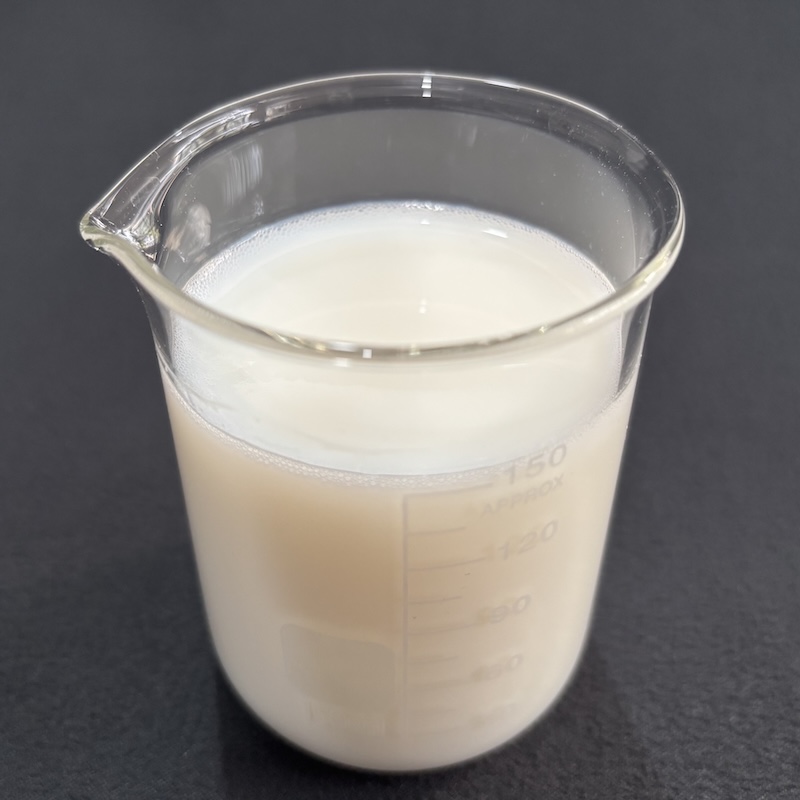
Extreme temperature shifts present one of the most challenging environments for any industrial coating or material, yet silicone emulsion has emerged as a reliable solution for applications demanding consistent performance across wide thermal ranges. When production equipment operates in fluctuating climates or when finished products face exposure to both intense heat and freezing conditions, silicone emulsion formulations are engineered to maintain their integrity, viscosity, and protective properties. Understanding how silicone emulsion achieves this thermal resilience is essential for manufacturers selecting materials that will perform reliably in demanding real-world conditions.
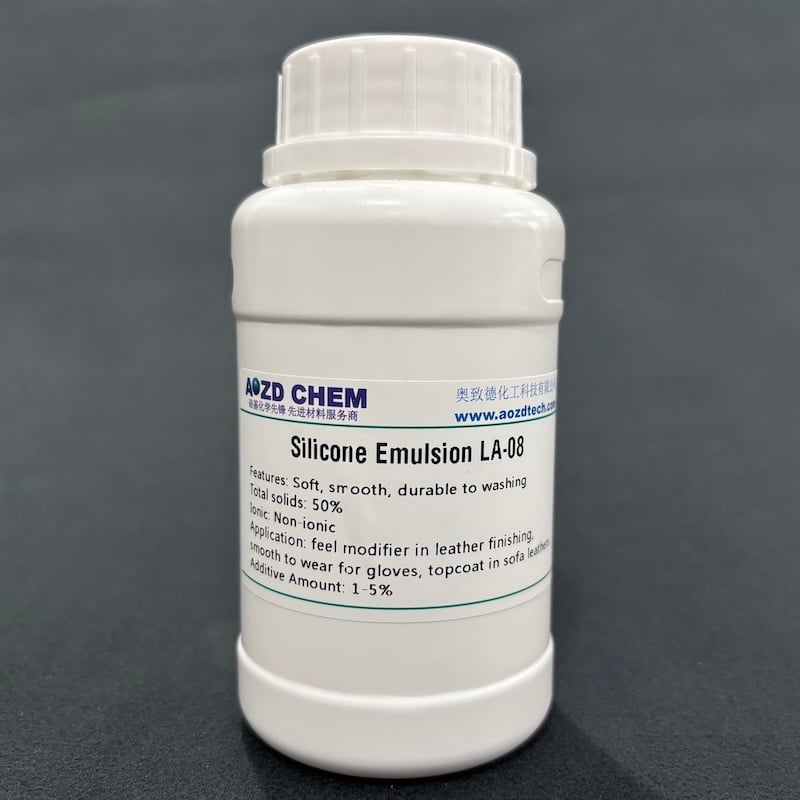
The molecular structure of silicone emulsion differs fundamentally from conventional polymer emulsions, which is precisely why this material class delivers superior thermal stability. The silicon-oxygen backbone in silicone emulsion provides inherent strength that resists degradation during temperature cycling, a trait that has made silicone emulsion the preferred choice in aerospace, automotive, textiles, and industrial equipment protection sectors. This article explores the thermal performance mechanisms of silicone emulsion, examines how formulation affects stability, and provides practical guidance for selecting and deploying silicone emulsion in temperature-sensitive applications.
Thermal Stability Mechanisms of Silicone Emulsion
Molecular Structure and Heat Resistance
The core strength of silicone emulsion lies in its molecular backbone, which consists of alternating silicon and oxygen atoms rather than carbon chains found in traditional polymers. This silicon-oxygen bond is significantly stronger and more thermally stable than C-C or C-H bonds, which means silicone emulsion can withstand temperature extremes without experiencing the chain scission or cross-linking degradation that affects conventional materials. When silicone emulsion is exposed to rapid heating, the polymer chains maintain their integrity rather than breaking down into smaller fragments that would compromise coating performance.
Silicone emulsion formulations are specifically designed with thermal cycling in mind, incorporating additives and crosslinking agents that reinforce stability at both high and low temperatures. The emulsion technology itself—where silicone resin particles are suspended in an aqueous medium—allows for better moisture control and prevents the phase separation that can occur in conventional systems when subjected to freeze-thaw cycles. This means silicone emulsion maintains consistent viscosity and uniform surface coverage even after repeated temperature transitions.
Elasticity and Stress Distribution
When materials experience temperature shifts, they expand and contract at different rates depending on their composition and molecular structure. Silicone emulsion possesses natural elasticity that allows the cured film to flex and accommodate substrate movement during these dimensional changes. Unlike brittle coatings that crack under thermal stress, silicone emulsion maintains adhesion and protective coverage because the polymer network can extend slightly without losing its integrity.
This elastic behavior of silicone emulsion is particularly valuable in applications like roofing, exterior facades, and equipment housings where substrates and coatings experience constant expansion and contraction. The ability of silicone emulsion to accommodate this stress without cracking or delaminating directly translates to longer service life, reduced maintenance cycles, and lower total cost of ownership for end users facing extreme climate conditions.
Formulation Factors Affecting Silicone Emulsion Stability
Crosslinking Density and Polymer Network
The thermal stability performance of any silicone emulsion product depends heavily on how densely the polymer network is crosslinked. Higher crosslink density generally improves high-temperature performance and reduces the rate of degradation during thermal cycling, but if crosslinking is too aggressive, the silicone emulsion becomes brittle and loses the elasticity needed for stress absorption. Formulation chemists balance these competing demands by selecting appropriate crosslinking agents and controlling cure conditions to optimize silicone emulsion for the specific temperature range it will encounter.
The selection of base silicone resin in the silicone emulsion formulation also influences thermal stability. Polydimethylsiloxane (PDMS) and other silicone polymer variants have different thermal profiles, and some are better suited to extreme cold environments while others excel at high-temperature performance. Advanced silicone emulsion products often employ hybrid formulations or specially modified silicone polymers that deliver balanced performance across the entire operating temperature range.
Emulsifier Chemistry and Particle Stability
The emulsifiers and surfactants that keep silicone particles suspended in the aqueous phase of silicone emulsion play a critical role in thermal stability. These chemical additives must remain effective across the full temperature range, ensuring that silicone emulsion does not phase-separate or settle during storage at elevated temperatures or during use in fluctuating conditions. Premium silicone emulsion formulations use temperature-resistant emulsifier systems specifically engineered to maintain stability without requiring constant agitation or special storage conditions.
Water content and preservation agents within the silicone emulsion also affect how the product performs under temperature extremes. Water can migrate out of the emulsion film during heating, and if not properly stabilized, the loss of water can cause uneven drying and film defects. Conversely, during freezing, water expansion can stress the silicone emulsion system if the formulation is not designed with freeze-thaw cycles in mind. This is why industrial-grade silicone emulsion products include carefully selected additives that manage water behavior across the operating temperature range.
Real-World Application Performance Under Temperature Extremes
Industrial Equipment and Machinery Coatings
Equipment exposed to daily temperature swings—such as fabrication machinery, hydraulic systems, and outdoor industrial apparatus—benefits directly from the thermal stability of silicone emulsion. When silicone emulsion coatings are applied to metal equipment surfaces, they maintain adhesion and protective coverage even as the substrate expands and contracts repeatedly. The consistent performance of silicone emulsion under these conditions means that maintenance intervals can be extended and the frequency of recoating cycles decreases, delivering substantial cost savings over equipment lifespans measured in decades.
Automotive and aerospace component coatings represent another critical application where silicone emulsion stability is essential. Components must resist extreme temperatures during operation while also surviving temperature cycling during storage and transportation across different climates. Silicone emulsion is trusted in these sectors precisely because it delivers reliable performance without degrading in response to the rapid, severe temperature changes that occur in these environments.
Building Materials and Exterior Coatings
Roofing membranes, exterior wall coatings, and architectural sealants formulated with silicone emulsion must endure some of the most extreme temperature cycling conditions. Building surfaces face direct solar radiation that can heat them to 70–80°C on summer days, then drop to subzero temperatures during winter nights, all within a single 24-hour period. Silicone emulsion formulations are specifically engineered for this application scenario because the thermal stability and elasticity of silicone emulsion prevent the cracking, peeling, and adhesion loss that occur with conventional coatings.
Textile and fiber processing operations also rely on the temperature resilience of silicone emulsion for water repellency treatments, softening agents, and finish applications. These materials must survive both the high temperatures of industrial washing and drying processes and the freezing conditions of winter storage or outdoor use. The silicone emulsion used in these applications maintains its performance characteristics throughout the product lifecycle, ensuring that end consumers receive textiles with reliable water and stain resistance regardless of seasonal conditions.
Selection and Performance Verification
Testing Standards and Validation Methods
To confirm that a silicone emulsion product meets requirements for extreme temperature applications, manufacturers and formulators should review test data demonstrating thermal cycling performance. ASTM standards such as D2794 (impact resistance), D3359 (adhesion), and D522 (flexibility) include test protocols conducted at elevated and reduced temperatures to evaluate silicone emulsion durability. Accelerated thermal cycling tests—where specimens are subjected to rapid alternation between high and low temperature extremes—provide reliable predictions of how silicone emulsion will perform in real-world conditions over extended service periods.
In addition to formal test standards, practical validation should include evaluation of silicone emulsion products in actual application environments before large-scale deployment. Pilot coatings applied to equipment or structures in the target climate, then monitored for adhesion, flexibility, gloss retention, and protective effectiveness, will confirm that the selected silicone emulsion meets project-specific thermal demands. This validation approach reduces risk and ensures that formulation choices deliver expected long-term performance.
Specification and Procurement Considerations
When specifying silicone emulsion for temperature-critical applications, technical data sheets should clearly document the operating temperature range, thermal cycling data, and any special handling or application requirements. Silicone emulsion products rated for extreme temperature service typically carry documentation showing performance across temperature ranges of –40°C to +120°C or broader, with supporting test data from recognized laboratories. Procurement teams should verify that the silicone emulsion product includes freeze-thaw stability data and that batch-to-batch consistency is verified through appropriate quality control protocols.
Storage conditions also affect the stability of silicone emulsion before application. Products should be stored within the temperature and humidity ranges specified by manufacturers to prevent phase separation or degradation. Environmental monitoring systems in storage facilities help ensure that temperature excursions do not compromise the silicone emulsion before it reaches the application site.
FAQ
What causes silicone emulsion to lose stability under temperature extremes?
Silicone emulsion stability can be compromised by incomplete formulation, poor emulsifier chemistry, or inadequate crosslinking that does not match the intended operating temperature range. If the silicone emulsion is formulated with incompatible components or lacks sufficient additives to manage water behavior during freeze-thaw cycles, phase separation or film defects will occur. Additionally, substrate stress during rapid thermal cycling can exceed the elasticity limits of a poorly formulated silicone emulsion, leading to cracking and adhesion loss.
How does silicone emulsion compare to other coatings for thermal stability?
Silicone emulsion outperforms conventional acrylic, vinyl, and polyurethane emulsions in thermal stability because the silicon-oxygen backbone is inherently more thermally resistant than carbon-based polymer chains. While some solvent-borne silicone products offer comparable thermal performance, silicone emulsion delivers the advantages of water-based chemistry—easier application, lower VOC emissions, faster drying—while maintaining superior thermal cycling resilience. For applications requiring both thermal stability and environmental compliance, silicone emulsion is the material of choice.
Can silicone emulsion be formulated for specific temperature ranges?
Yes, silicone emulsion formulations can be tailored to optimize performance within specific temperature ranges by adjusting crosslink density, selecting appropriate silicone polymer variants, and modifying emulsifier and additive packages. A silicone emulsion designed for cold-climate service may prioritize low-temperature flexibility, while a silicone emulsion intended for high-temperature industrial equipment can emphasize thermal oxidation resistance and high-temperature hardness. Custom formulation of silicone emulsion allows manufacturers to match thermal performance precisely to application requirements and geographic climate conditions.