
 EN
EN
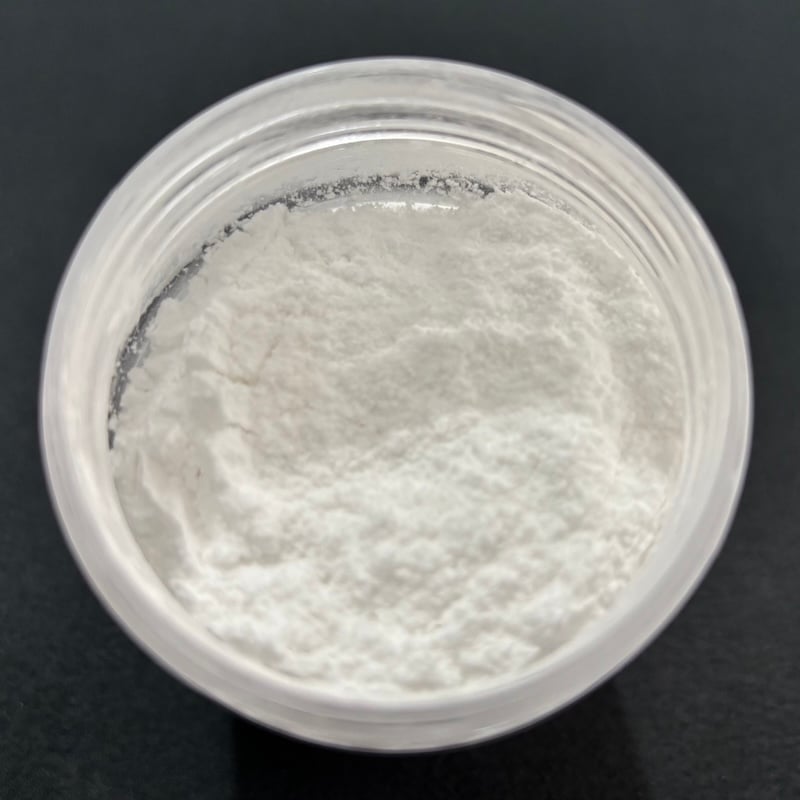
Environmental sustainability has become a critical consideration for manufacturers across industries, driving demand for safer chemical alternatives. Traditional emulsions often contain volatile organic compounds and harsh solvents that pose risks to both human health and environmental systems. Silicone emulsion technology represents a significant advancement in creating environmentally responsible formulations that maintain superior performance characteristics while reducing ecological impact.
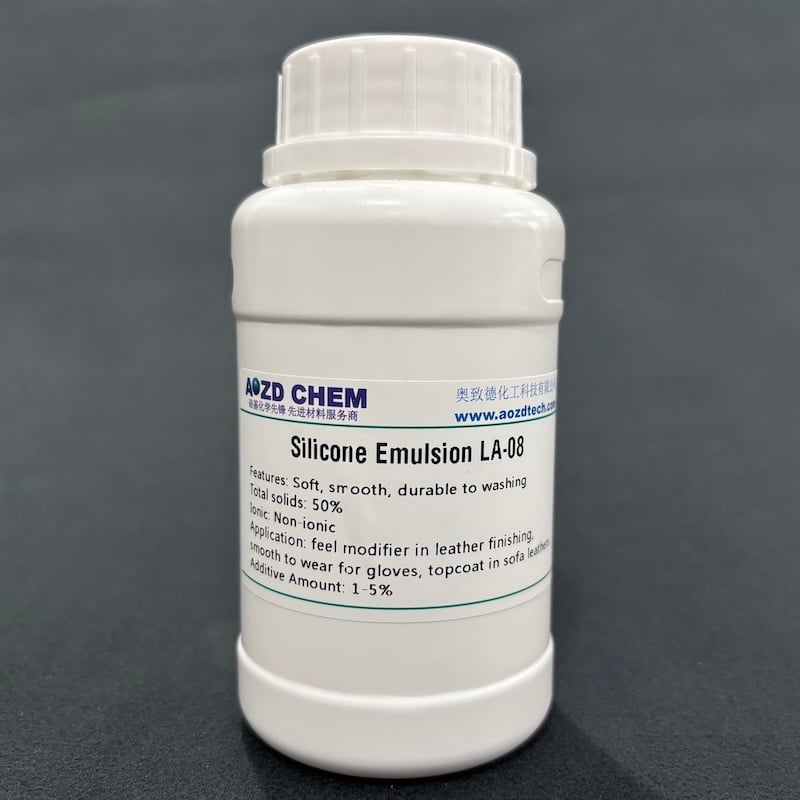
The shift toward environmentally safer chemical solutions reflects growing regulatory pressure and corporate responsibility initiatives. Companies increasingly recognize that sustainable practices not only protect the environment but also enhance brand reputation and ensure long-term business viability. Modern silicone emulsion formulations address these concerns by offering biodegradable properties, reduced toxicity profiles, and improved worker safety characteristics compared to conventional alternatives.
Fundamental Environmental Benefits
Biodegradability and Ecosystem Impact
Silicone emulsion products demonstrate superior biodegradability compared to traditional petroleum-based emulsions. The molecular structure of silicone polymers allows for gradual breakdown through natural processes, reducing long-term accumulation in soil and water systems. This characteristic becomes particularly important in applications where product runoff or disposal directly affects environmental systems.
Research indicates that silicone emulsion formulations break down into harmless silica, water, and carbon dioxide through oxidative processes. This degradation pathway eliminates the formation of persistent organic pollutants that characterize many conventional emulsion systems. The absence of heavy metals and toxic stabilizers in modern silicone emulsion products further reduces environmental burden and supports ecosystem health.
Reduced Volatile Organic Compound Emissions
Traditional emulsion systems often rely on organic solvents that contribute to volatile organic compound emissions during application and curing processes. Silicone emulsion technology significantly reduces or eliminates these emissions through water-based formulations and low-volatility components. This reduction directly impacts air quality and reduces contribution to ground-level ozone formation.
Manufacturing facilities using silicone emulsion products report measurable improvements in workplace air quality and reduced ventilation requirements. These benefits translate to lower energy consumption for environmental control systems and improved compliance with increasingly stringent air quality regulations. The elimination of volatile solvents also reduces fire hazards and associated safety infrastructure requirements.
Toxicity Profile and Safety Characteristics
Human Health Protection
Modern silicone emulsion formulations demonstrate significantly lower toxicity profiles compared to conventional alternatives. Extensive toxicological studies indicate minimal skin sensitization potential and reduced respiratory irritation during application. These characteristics protect both professional applicators and end-users from acute and chronic health effects associated with chemical exposure.
The absence of formaldehyde, isocyanates, and other known carcinogens in silicone emulsion products eliminates major health concerns associated with traditional emulsion systems. This safety profile enables use in sensitive applications including food processing facilities, healthcare environments, and residential settings without compromising occupant health or requiring extensive personal protective equipment.
Aquatic and Wildlife Safety
Environmental impact assessments demonstrate that silicone emulsion products pose minimal risk to aquatic ecosystems and wildlife populations. The non-bioaccumulative nature of silicone polymers prevents concentration buildup in food chains, protecting sensitive species and maintaining ecological balance. This characteristic becomes crucial for applications near water bodies or in environmentally sensitive areas.
Studies examining the effects of silicone emulsion on various organisms consistently show lower toxicity levels compared to conventional alternatives. Fish, invertebrates, and plant species demonstrate minimal stress responses when exposed to silicone emulsion at typical environmental concentrations. This safety margin provides confidence for use in applications where environmental contact is inevitable.
Manufacturing and Processing Advantages
Energy Efficiency in Production
Silicone emulsion manufacturing processes typically require lower energy inputs compared to traditional emulsion production. The water-based nature of these formulations eliminates the need for high-temperature solvent recovery systems and reduces overall processing energy requirements. This efficiency translates to lower carbon footprints and reduced greenhouse gas emissions from manufacturing operations.
Advanced production techniques for silicone emulsion utilize catalytic processes that operate at moderate temperatures and pressures. These conditions minimize energy consumption while maintaining product quality and consistency. The elimination of energy-intensive distillation and purification steps further reduces the environmental impact of manufacturing operations.
Waste Reduction and Resource Efficiency
Modern silicone emulsion production generates minimal waste streams through optimized reaction conditions and high conversion efficiency. The elimination of organic solvents reduces hazardous waste generation and associated disposal costs. Water-based cleaning and maintenance procedures further minimize waste generation and environmental impact from manufacturing operations.
Resource efficiency improvements in silicone emulsion production include reduced raw material consumption and improved yield optimization. These factors combine to minimize the overall environmental footprint while maintaining economic viability for manufacturers. The closed-loop nature of many production processes enables recycling of process water and recovery of valuable materials.
Application-Specific Environmental Benefits
Construction and Building Materials
In construction applications, silicone emulsion provides environmental advantages through improved durability and reduced maintenance requirements. The superior weather resistance of silicone-based coatings extends service life, reducing the frequency of reapplication and associated environmental impact from manufacturing, transportation, and disposal of coating materials.
Building materials incorporating silicone emulsion technology demonstrate enhanced energy efficiency through improved thermal properties and moisture management. These characteristics contribute to reduced heating and cooling energy consumption in buildings, supporting broader sustainability goals and reducing operational carbon footprints over the building lifecycle.
Textile and Fabric Treatment
Textile applications benefit from the environmental safety profile of silicone emulsion through reduced water pollution and improved treatment efficiency. The biodegradable nature of modern formulations minimizes environmental impact from textile processing wastewater while maintaining desired performance characteristics such as water repellency and softness.
The elimination of fluorinated compounds and other persistent chemicals from textile treatments represents a significant environmental improvement. Silicone emulsion alternatives provide comparable or superior performance without the environmental persistence and bioaccumulation concerns associated with traditional water-repellent treatments.
Regulatory Compliance and Future Outlook
Meeting Evolving Environmental Standards
Regulatory frameworks worldwide increasingly favor environmentally safer chemical alternatives, creating market advantages for silicone emulsion products. Compliance with REACH regulations, EPA standards, and other environmental directives becomes more straightforward with formulations designed for environmental safety from the development stage.
The proactive approach to environmental safety in silicone emulsion development positions these products favorably for future regulatory changes. As environmental standards become more stringent, products with established safety profiles and environmental compatibility will maintain market access while conventional alternatives face increasing restrictions.
Innovation and Continuous Improvement
Ongoing research in silicone emulsion technology focuses on further environmental improvements through bio-based raw materials and enhanced biodegradability. These developments promise even greater environmental benefits while maintaining the performance advantages that drive market adoption.
Collaboration between manufacturers, researchers, and regulatory bodies continues to drive innovation in environmentally safer emulsion technologies. This collaborative approach ensures that new developments align with environmental goals while meeting practical application requirements across diverse industries.
FAQ
How does silicone emulsion compare to traditional petroleum-based emulsions in terms of environmental impact
Silicone emulsion demonstrates significantly lower environmental impact through improved biodegradability, reduced volatile organic compound emissions, and elimination of toxic components. Unlike petroleum-based alternatives, silicone emulsion breaks down into harmless compounds and does not contribute to persistent organic pollution or bioaccumulation in ecosystems.
What specific certifications or standards apply to environmentally safer silicone emulsion products
Environmentally safer silicone emulsion products typically comply with REACH regulations, EPA Safer Choice criteria, and various green building standards such as LEED. Many formulations also meet biodegradability standards including OECD guidelines and carry certifications from recognized environmental organizations that verify low environmental impact claims.
Can silicone emulsion maintain performance quality while providing environmental benefits
Modern silicone emulsion formulations deliver equal or superior performance compared to traditional alternatives while providing significant environmental advantages. Advanced polymer chemistry enables these products to meet demanding application requirements including durability, weather resistance, and chemical stability without compromising environmental safety characteristics.
What industries benefit most from switching to environmentally safer silicone emulsion products
Industries with high environmental sensitivity including construction, textiles, automotive, and electronics derive significant benefits from environmentally safer silicone emulsion products. These sectors face increasing regulatory pressure and consumer demand for sustainable solutions, making the transition to environmentally responsible alternatives both economically and strategically advantageous.
Table of Contents
- Fundamental Environmental Benefits
- Toxicity Profile and Safety Characteristics
- Manufacturing and Processing Advantages
- Application-Specific Environmental Benefits
- Regulatory Compliance and Future Outlook
-
FAQ
- How does silicone emulsion compare to traditional petroleum-based emulsions in terms of environmental impact
- What specific certifications or standards apply to environmentally safer silicone emulsion products
- Can silicone emulsion maintain performance quality while providing environmental benefits
- What industries benefit most from switching to environmentally safer silicone emulsion products