
 EN
EN
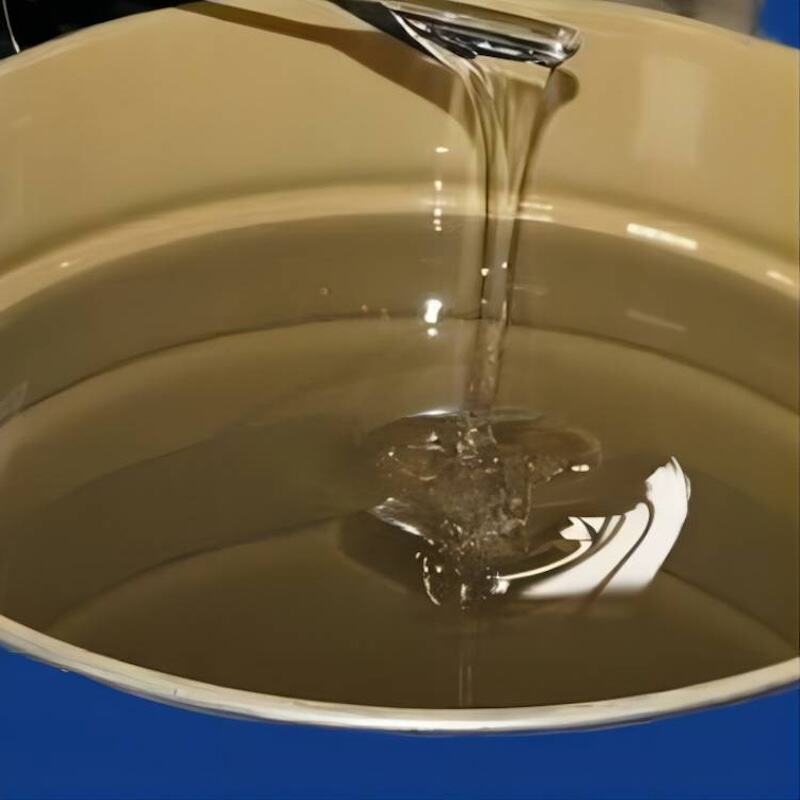
The leather industry relies heavily on various chemical formulations to enhance the quality, durability, and aesthetic appeal of finished products. Understanding the proper application techniques and selection criteria for leather additives can significantly impact the final outcome of leather processing operations. From tanning auxiliaries to finishing agents, each additive serves a specific purpose in transforming raw hides into premium leather goods that meet modern consumer expectations.
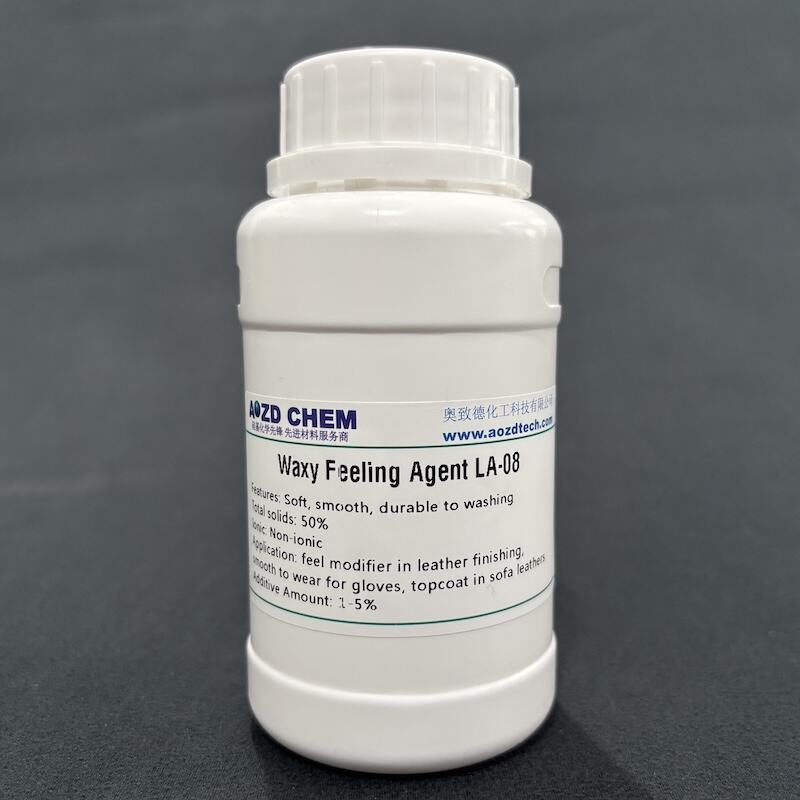
Modern leather manufacturing processes demand precision and expertise in chemical application methods. The selection and implementation of appropriate additives directly influence characteristics such as softness, water resistance, color fastness, and overall product longevity. Professional leather processors must consider multiple factors including hide type, intended end-use applications, environmental regulations, and cost-effectiveness when developing their additive strategies.
Understanding Different Categories of Leather Processing Chemicals
Tanning and Retanning Agents
Chrome tanning remains the most widely used method in modern leather production, utilizing chromium salts to create stable cross-links within the collagen structure. However, vegetable tanning agents derived from tree barks and synthetic tanning materials offer alternative approaches for specific applications. The choice between these options depends on factors such as desired leather characteristics, environmental considerations, and market requirements for the finished product.
Retanning processes involve the application of additional tanning agents to improve uniformity, fullness, and other desired properties. Synthetic retanning agents, including acrylic polymers and melamine resins, provide excellent control over final leather characteristics. These materials allow processors to fine-tune properties such as grain tightness, softness, and dye receptivity according to specific customer specifications.
Fatliquoring and Conditioning Systems
Fatliquoring agents restore natural oils and fats that are removed during the tanning process, ensuring proper flexibility and preventing cracking in the finished leather. Modern fatliquors are typically based on sulfonated oils, synthetic esters, or natural lecithins, each offering distinct advantages for different applications. The proper selection of fatliquoring systems directly impacts the hand feel, durability, and processing characteristics of the final product.
Application timing and concentration levels are critical factors in fatliquoring operations. Early application during the retanning phase ensures deep penetration and uniform distribution, while later additions can provide surface lubrication and specific aesthetic effects. Temperature control and pH management during fatliquoring processes significantly influence the effectiveness of these leather additives and their integration into the collagen matrix.
Application Techniques and Processing Parameters
Drum Processing Methods
Proper drum processing techniques ensure uniform distribution of leather additives throughout the hide structure. Rotation speed, load factors, and liquor ratios must be carefully controlled to achieve optimal penetration without causing mechanical damage to the leather surface. Standard practice involves maintaining drum loads between sixty and eighty percent capacity to allow adequate movement and mixing action during chemical applications.
Temperature management during drum processing plays a crucial role in chemical reaction rates and penetration depths. Most leather additives perform optimally within specific temperature ranges, typically between 35 and 45 degrees Celsius for standard processing conditions. Exceeding recommended temperatures can lead to uneven uptake, surface deposits, or unwanted chemical reactions that compromise final product quality.
Spray and Padding Applications
Surface application methods offer precise control over additive placement and concentration levels, particularly useful for finishing operations and specialized treatments. Spray systems provide excellent coverage uniformity when properly calibrated, with nozzle selection and pressure settings tailored to specific additive viscosities and application requirements. These methods are especially effective for applying protective coatings, color corrections, and aesthetic enhancement treatments.
Padding techniques utilize felt rollers or doctor blades to apply controlled amounts of leather additives to specific areas or entire surfaces. This method ensures consistent film thickness and minimizes waste while providing excellent control over application rates. Proper equipment maintenance and cleaning procedures are essential to prevent cross-contamination between different additive formulations and color systems.
Quality Control and Performance Monitoring
Testing and Evaluation Protocols
Systematic testing procedures ensure consistent quality and performance characteristics in leather products treated with various additives. Standard test methods include tensile strength measurements, tear resistance evaluations, and flexural fatigue assessments to verify mechanical properties. Color fastness testing under different conditions such as light exposure, wet rubbing, and perspiration contact provides crucial information about long-term durability expectations.
Chemical analysis methods help verify proper additive uptake and distribution within the leather structure. pH measurements, chromium content analysis, and extractable matter determinations provide quantitative data on processing effectiveness. These analytical results guide process adjustments and help identify potential issues before they impact final product quality or customer satisfaction.
Environmental and Safety Considerations
Modern leather processing operations must balance performance requirements with environmental responsibility and worker safety protocols. Many traditional leather additives have been reformulated or replaced with more environmentally friendly alternatives that maintain equivalent performance characteristics. Water-based systems, bio-based raw materials, and reduced volatile organic compound formulations represent significant advances in sustainable leather chemistry.
Proper handling and storage procedures for leather additives ensure both safety and product integrity. Material safety data sheets provide essential information about handling precautions, personal protective equipment requirements, and emergency response procedures. Regular training programs keep processing personnel updated on best practices and regulatory compliance requirements for chemical handling operations.
Troubleshooting Common Application Issues
Uneven Distribution Problems
Streak formation and patchy appearance often result from inadequate mixing or improper application techniques during leather additive processing. These issues typically stem from insufficient drum rotation time, incorrect liquor ratios, or temperature variations within the processing vessel. Implementing standardized mixing procedures and regular equipment calibration helps minimize these quality defects and ensures consistent results across production batches.
Penetration depth variations can create significant quality issues in finished leather products, affecting both appearance and performance characteristics. Factors such as hide thickness variations, previous processing history, and additive compatibility influence penetration uniformity. Adjusting application parameters based on raw material characteristics and implementing pre-treatment procedures can help achieve more consistent results.
Compatibility and Interaction Effects
Chemical incompatibilities between different leather additives can lead to precipitation, reduced effectiveness, or unwanted side reactions during processing. Comprehensive compatibility testing before implementing new additive combinations helps identify potential issues and optimize formulation strategies. pH adjustments, sequencing modifications, and buffer system additions often resolve compatibility problems without compromising final product quality.
Interaction effects between leather additives and substrate materials sometimes produce unexpected results that require process modifications or reformulation efforts. Understanding the chemical mechanisms involved in these interactions enables processors to make informed decisions about additive selection and application procedures. Regular communication with chemical suppliers provides access to technical expertise and updated compatibility information for optimal results.
FAQ
How do you determine the correct dosage of leather additives for different hide types
Dosage determination depends on several factors including hide thickness, desired final properties, and processing conditions. Generally, start with supplier recommendations and adjust based on small-scale trials. Thicker hides typically require higher additive concentrations for adequate penetration, while delicate skins need more careful dosing to avoid over-treatment. Document all adjustments and results to develop standardized procedures for consistent production outcomes.
What are the most common mistakes when applying leather additives
Common mistakes include improper temperature control, inadequate mixing time, and incorrect pH adjustment before additive application. Many processors also fail to account for hide moisture content variations or skip compatibility testing when combining multiple additives. Rushing application processes without allowing sufficient penetration time frequently leads to surface deposits and uneven distribution patterns that compromise final product quality.
How can environmental regulations affect leather additive selection
Environmental regulations increasingly restrict certain chemical substances and require improved wastewater treatment capabilities. Processors must consider biodegradability, toxicity levels, and emission characteristics when selecting leather additives. Many traditional formulations have been replaced with more sustainable alternatives that comply with current regulations while maintaining necessary performance standards for commercial leather production.
What storage conditions are required for different types of leather additives
Storage requirements vary significantly based on chemical composition and formulation type. Liquid additives typically require temperature-controlled environments between 5 and 25 degrees Celsius, while powder formulations need dry conditions with humidity control below 60 percent. Proper container sealing, rotation procedures, and shelf-life monitoring ensure additive effectiveness and prevent degradation that could impact processing results or product quality.