
 EN
EN
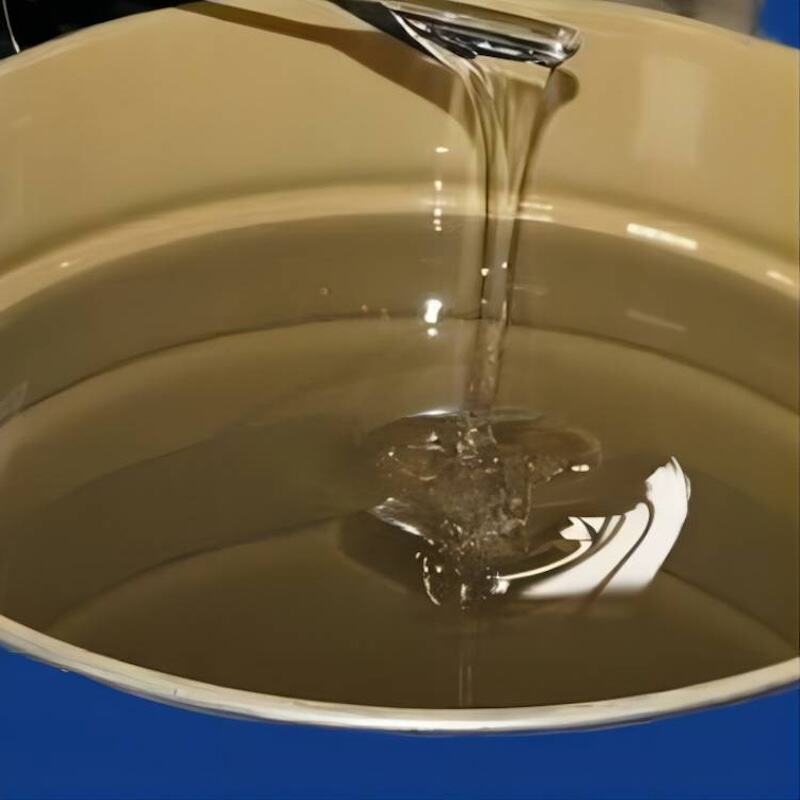
When industrial engineers and formulators select a silicone fluid for their application, viscosity is one of the first parameters they evaluate. Low-viscosity grades are often favored for their ease of handling, fast spreading, and compatibility with lightweight formulations. They appear, at first glance, to offer a convenient and cost-effective solution across industries ranging from personal care to electronics manufacturing. However, beneath this apparent simplicity lies a set of hidden risks that many operators and procurement teams fail to anticipate until problems have already emerged on the production floor or in the field.
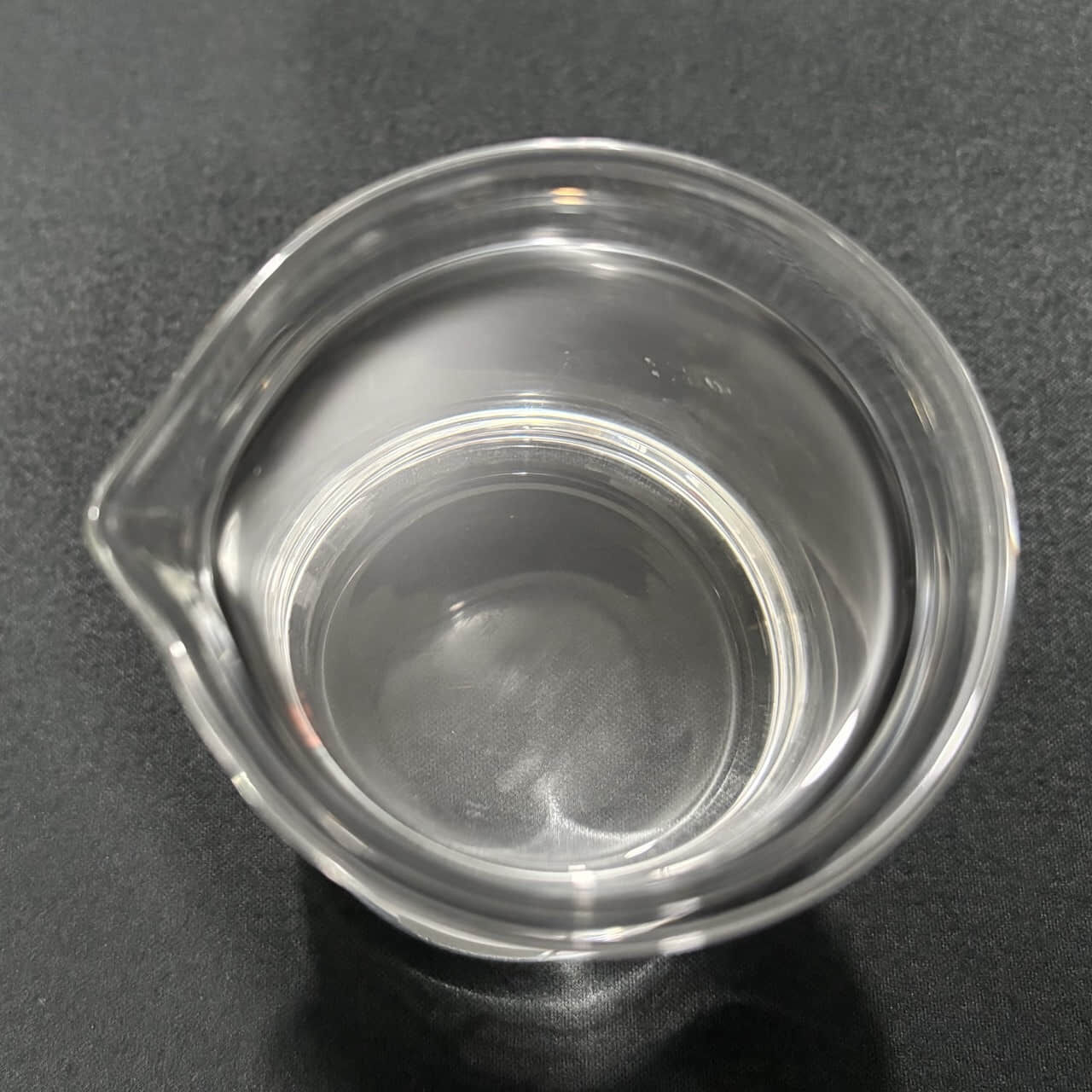
Understanding what low-viscosity silicone fluid actually does inside a system—and where its physical and chemical properties create vulnerabilities—is essential for making informed material choices. This article examines those hidden risks in detail, explaining the mechanisms behind each challenge, identifying where they tend to manifest, and offering practical guidance on how industrial users should approach low-viscosity silicone fluid selection with greater precision and awareness.
The Physical Behavior of Low-Viscosity Silicone Fluid Under Stress
Migration and Uncontrolled Spreading
One of the most commonly underestimated risks associated with low-viscosity silicone fluid is its tendency to migrate beyond its intended application zone. Because lower viscosity translates directly into higher molecular mobility, thin-grade silicone fluid can creep across surfaces, penetrate microporous substrates, and travel along capillary channels in ways that thicker grades simply cannot. In electronic assemblies, for example, this migration behavior can cause silicone fluid to reach contact points, solder joints, or bonding surfaces, creating adhesion failures or signal interference.
The spreading behavior is further amplified by the characteristically low surface tension of silicone fluid. When applied as a release agent, lubricant, or dielectric insulator in thin-grade form, the silicone fluid does not stay neatly where it is placed. Over time, repeated thermal cycling or mechanical vibration accelerates movement. What begins as a precision application becomes a broad contamination event that is difficult to trace back to its origin. Engineers often spend significant diagnostic time identifying the root cause before realizing that the silicone fluid specification was the primary driver.
This migration risk is particularly acute in multi-material assemblies where silicone fluid can interact with plastics, rubbers, or coatings not originally designed to tolerate silicone contact. Certain polymer substrates absorb silicone fluid at low viscosity and experience swelling, softening, or dimensional change, compromising the mechanical integrity of the final assembly. Selecting a silicone fluid without considering the full surface environment it will encounter is a formulation risk that carries real downstream costs.
Evaporation and Volatility at Elevated Temperatures
Low-viscosity silicone fluid generally corresponds to lower molecular weight polydimethylsiloxane chains, and lower molecular weight directly correlates with higher volatility. When systems operate at elevated temperatures—whether in industrial ovens, automotive components, or high-power electronic cooling circuits—the lighter fractions of silicone fluid evaporate preferentially. This process, sometimes called thermal depletion, gradually changes the fluid's functional properties over time, reducing lubrication efficiency or dielectric performance as the original specification drifts.
The evaporated silicone fluid does not simply disappear. In enclosed systems, the vapor can redeposit on cooler surfaces in the form of a silicone film. This silicone film can contaminate optical lenses, electrical contacts, heat exchanger surfaces, or catalytic converters. In the automotive industry, silicone fluid contamination of lambda sensors from leaking gaskets or improperly specified lubricants is a documented failure mode that leads to costly warranty claims. The root cause can often be traced to the use of a silicone fluid with insufficient viscosity and molecular weight for the thermal environment.
Operators who monitor only the initial flash point of a silicone fluid without evaluating its sustained volatility profile at operating temperature create a significant blind spot in their risk assessment. The flash point of silicone fluid is high relative to hydrocarbon alternatives, which creates a false sense of thermal stability. The more relevant metrics are vapor pressure at service temperature and cyclic evaporation rate, both of which become unfavorable as viscosity drops toward the lower end of the practical range.
Lubrication Failure Risks in Mechanical Systems
Insufficient Film Strength at Contact Interfaces
Silicone fluid is valued as a lubricant because of its chemical inertness, wide temperature range, and non-toxicity. However, silicone fluid is not a pressure-rated lubricant in the conventional sense. It does not form strong adsorption layers on metal surfaces the way mineral oils or synthetic esters do, and this limitation becomes significantly more pronounced at low viscosity grades. When a low-viscosity silicone fluid is used in a sliding contact application with any meaningful load, the hydrodynamic film it forms is thin enough to rupture under pressure, allowing metal-to-metal contact.
The result is accelerated wear, fretting damage, and in some cases galling of the contact surfaces. Engineers who switch to silicone fluid from a hydrocarbon-based lubricant to gain chemical compatibility benefits may not account for the reduction in load-carrying capacity. The risk is heightened when the silicone fluid selected is toward the low end of the viscosity range because the fluid offers even less resistance to being squeezed out of the contact zone under applied force.
In precision instruments, medical devices, and slow-moving mechanisms, low-viscosity silicone fluid can still function adequately as a lubricant when loads are light and speeds are modest. The hidden risk emerges when operating conditions deviate from the original design assumptions—when loads increase due to contamination, misalignment, or wear, or when temperatures drop and the contact geometry tightens. A silicone fluid that was borderline adequate under nominal conditions becomes inadequate under these real-world deviations.
Pump and Seal Compatibility Degradation
Low-viscosity silicone fluid creates challenges in fluid circuit design that are not always apparent from laboratory testing alone. Positive displacement pumps rely on the viscosity of the fluid they handle to maintain volumetric efficiency. When silicone fluid viscosity is too low, internal leakage across pump clearances increases, reducing output and introducing heat through fluid shear. This performance degradation is gradual and may not trigger alarms immediately, but it erodes system efficiency over weeks or months of operation.
Seal compatibility is a related concern. While silicone fluid is generally considered compatible with many elastomers, low-viscosity grades have greater penetrating power and can cause swelling or extraction of plasticizers from seal materials more readily than high-viscosity grades. The faster penetration kinetics of thin silicone fluid mean that seal degradation timelines are compressed, and what might take years with a heavier grade can occur within months with a lighter one. Operators who validate their seal materials using high-viscosity silicone fluid data and then specify a lower-viscosity grade for production may be working from compatibility data that does not reflect actual service conditions.
Electrical and Electronic Application Risks
Dielectric Performance Instability
Silicone fluid is widely used in electrical applications because of its excellent dielectric constant, high dielectric strength, and resistance to moisture. These properties make silicone fluid a preferred choice for transformer cooling, capacitor impregnation, and high-voltage insulation. However, low-viscosity silicone fluid introduces a specific set of risks in these applications related to its flow behavior and contamination sensitivity.
In transformer applications, silicone fluid must remain stable under prolonged electrical stress and thermal cycling. Low-viscosity grades are more susceptible to moisture absorption in service because their lower molecular density creates greater diffusivity. Even small concentrations of dissolved water in silicone fluid can significantly reduce dielectric strength. A fluid that meets specification when dry can fail an in-service dielectric test after exposure to humid conditions during installation, maintenance, or a seal failure event.
The mobility of low-viscosity silicone fluid also means that particulate contamination—from wear debris, dust, or processing residues—distributes more easily through the fluid volume and accumulates at critical interfaces such as winding insulation surfaces. This particle-laden silicone fluid can create localized regions of reduced dielectric strength that are difficult to detect before a failure event occurs. Dielectric testing of bulk silicone fluid samples may show acceptable values even when interfacial contamination is already at a critical level.
Contamination Transfer in Clean Room and Optical Environments
Industries operating in clean room environments, including semiconductor fabrication, optical lens manufacturing, and precision medical device assembly, face a distinct category of risk from low-viscosity silicone fluid. The same spreading and migration properties that make silicone fluid convenient in some applications make it a persistent contaminant in environments where surface cleanliness is paramount. Silicone fluid, once deposited on a surface, is extremely difficult to remove completely using standard aqueous or solvent cleaning methods.
In optical applications, even a nanometer-scale film of silicone fluid on a lens or coating surface can alter reflectance, reduce adhesion of anti-reflective coatings, or cause delamination during environmental testing. The source of this contamination is often not an intentional silicone fluid application but rather outgassing from silicone-containing components elsewhere in the process chain. Low-viscosity silicone fluid has higher outgassing rates than higher-viscosity grades, and materials that incorporate silicone fluid as a processing aid can release it into clean room atmospheres.
Understanding the outgassing profile of any silicone fluid used in or near clean environments is therefore not optional. Organizations that carry out silicone fluid qualification purely on the basis of bulk handling properties, without assessing outgassing behavior under clean room temperature conditions, are accepting a risk that may only become visible when product yield drops or coating adhesion failures begin to appear in statistical patterns.
Formulation and Processing Risks in Chemical Applications
Emulsification and Phase Stability Challenges
In personal care, textile finishing, and agricultural formulation, silicone fluid is frequently incorporated into emulsions where its properties contribute to spreadability, slip, or water repellency. Low-viscosity silicone fluid is often preferred in these applications because it disperses more easily during the emulsification process and produces lighter-feeling final products. However, low-viscosity silicone fluid emulsions present specific phase stability challenges that formulators must address carefully.
The lower interfacial tension between low-viscosity silicone fluid and the aqueous phase means that larger droplets form more easily and that the driving force for coalescence is greater. Emulsions made with low-viscosity silicone fluid tend to require more robust emulsifier systems and more precise processing conditions to achieve long-term stability. Formulators who rely on emulsifier concentrations or processing protocols developed for higher-viscosity silicone fluid may find their emulsions separating prematurely in stability testing or during transport and storage.
Temperature sensitivity is an additional concern. Low-viscosity silicone fluid emulsions often show greater viscosity reduction at elevated storage temperatures, which accelerates creaming and phase separation. In supply chains where temperature control is imperfect, the stability risks associated with low-viscosity silicone fluid formulations are compounded by real-world logistics conditions that laboratory stability protocols may not fully replicate.
Reactivity and Cross-Contamination in Reactive Systems
In coating, adhesive, and sealant formulations where crosslinking chemistry is involved, the presence of low-viscosity silicone fluid as a non-reactive diluent or processing aid can create unintended interactions with catalyst systems. While silicone fluid is chemically inert under most conditions, low-molecular-weight silicone oligomers present in low-viscosity grades can interfere with platinum-catalyzed addition cure reactions by migrating to the cure interface and reducing catalyst availability. This phenomenon, known as catalyst poisoning or inhibition, leads to soft, incompletely cured surfaces that fail adhesion and durability requirements.
The risk is particularly relevant when silicone fluid is used as a mold release agent on tooling that will subsequently be used to cast platinum-cure silicone rubber parts. Low-viscosity silicone fluid releases more easily from mold surfaces and transfers to the part surface, where it inhibits surface cure. Manufacturers who use high-viscosity silicone fluid as a mold release and then switch to a low-viscosity grade for handling convenience may introduce cure inhibition problems that are difficult to diagnose because they appear as a random or batch-specific defect rather than a systematic process failure.
FAQ
Is low-viscosity silicone fluid safe to use in food-contact or medical applications?
Low-viscosity silicone fluid can be used in food-contact and medical applications only when the specific grade has been evaluated and certified according to the relevant regulatory standards, such as FDA 21 CFR or ISO 10993 for medical devices. The viscosity grade alone does not determine safety; the molecular weight distribution, purity, and absence of reactive impurities are equally important. Users should request full regulatory documentation for any silicone fluid intended for these sensitive applications and should not assume that a general-purpose grade meets the required standards simply because silicone fluid as a class is broadly considered inert.
How can I tell if low-viscosity silicone fluid migration is causing problems in my system?
Migration-related problems from silicone fluid often appear as adhesion failures, coating delamination, contact resistance increases, or unexplained surface contamination. Infrared spectroscopy (ATR-FTIR) is one of the most reliable analytical methods for detecting silicone fluid residues on surfaces, as silicone produces characteristic absorption bands that are easily identifiable even at low concentrations. If systemic quality issues appear after introducing silicone fluid into a process, conducting surface analysis on components from the affected production runs is a practical diagnostic step before making formulation changes.
Can switching to a higher-viscosity silicone fluid eliminate all the risks described?
Increasing viscosity addresses many of the risks associated with low-viscosity silicone fluid, including migration, volatility, film strength, and emulsion stability. However, higher-viscosity silicone fluid introduces its own handling and formulation challenges, including increased processing temperatures, slower spreading, and higher torque requirements in mixing operations. The most effective approach is to select the silicone fluid viscosity grade that matches the specific performance requirements and environmental conditions of the application rather than defaulting to either extreme. Working with a silicone fluid supplier that provides full technical data across the viscosity range enables more informed trade-off decisions.
What should I document when qualifying a silicone fluid for a new application?
A thorough qualification process for silicone fluid should document viscosity at multiple temperatures, vapor pressure and volatility data at service temperature, compatibility test results with all materials the silicone fluid will contact, outgassing measurements if the application involves clean or enclosed environments, and long-term stability data under representative storage and service conditions. For electrical applications, dielectric strength and moisture sensitivity data should be included. Capturing this information before committing to a production specification reduces the likelihood of discovering silicone fluid-related performance gaps after scale-up, when corrective action is significantly more costly.
Table of Contents
- The Physical Behavior of Low-Viscosity Silicone Fluid Under Stress
- Lubrication Failure Risks in Mechanical Systems
- Electrical and Electronic Application Risks
- Formulation and Processing Risks in Chemical Applications
-
FAQ
- Is low-viscosity silicone fluid safe to use in food-contact or medical applications?
- How can I tell if low-viscosity silicone fluid migration is causing problems in my system?
- Can switching to a higher-viscosity silicone fluid eliminate all the risks described?
- What should I document when qualifying a silicone fluid for a new application?