
 EN
EN
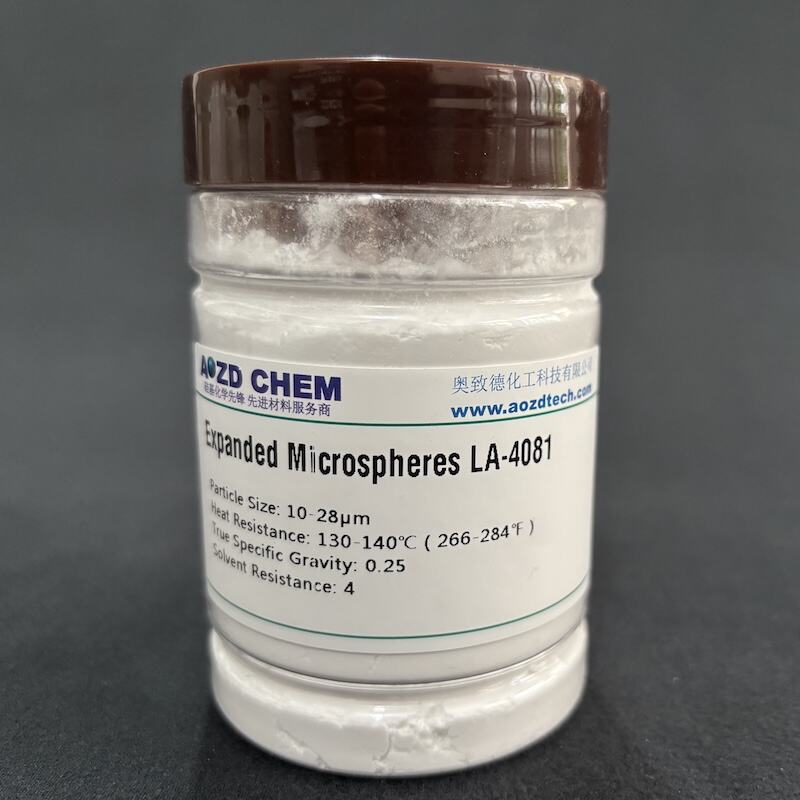
The leather industry relies heavily on specialized chemical formulations to achieve desired aesthetic and functional properties in finished products. When working with pigmented finishes, selecting appropriate leather additives becomes crucial for achieving optimal performance characteristics including durability, flexibility, and visual appeal. These chemical compounds work synergistically with pigmented coating systems to enhance various properties while maintaining the integrity of the underlying leather substrate.
Modern leather processing demands sophisticated understanding of how different additive categories interact with pigmented finish systems. The compatibility between base polymers, pigments, and functional additives determines the final quality of leather goods ranging from automotive upholstery to luxury handbags. Professional leather technologists must consider multiple factors including substrate preparation, application methods, and end-use requirements when formulating pigmented finish systems.
Understanding Pigmented Leather Finish Systems
Base Polymer Selection for Pigmented Coatings
Pigmented leather finishes typically utilize polyurethane, acrylic, or protein-based polymer systems as their foundation. These base materials provide the primary film-forming properties that create the protective barrier on leather surfaces. Polyurethane-based systems offer excellent flexibility and abrasion resistance, making them ideal for applications requiring high durability. The selection of base polymers significantly influences which leather additives will perform optimally within the formulation.
Acrylic polymer systems present different advantages, particularly in terms of color stability and UV resistance. When combined with appropriate leather additives, acrylic-based pigmented finishes demonstrate superior lightfastness compared to alternative polymer platforms. The crosslinking characteristics of acrylic systems also allow for enhanced chemical resistance, which proves beneficial in automotive and marine leather applications where exposure to cleaning agents occurs regularly.
Pigment Dispersion and Stability Considerations
Effective pigment dispersion within leather coating systems requires careful selection of dispersing agents and wetting additives. Iron oxide pigments commonly used in leather applications exhibit different surface chemistry compared to organic colorants, necessitating specific leather additives for optimal performance. Titanium dioxide, frequently employed for opacity and whiteness, presents unique challenges related to photocatalytic activity that must be addressed through appropriate additive selection.
The particle size distribution of pigments directly affects the final appearance and performance of pigmented leather finishes. Nano-sized pigment particles require different stabilization approaches compared to conventional pigments, often involving specialized leather additives that prevent agglomeration while maintaining transparency. Surface-treated pigments offer improved compatibility with polymer matrices but may require specific coupling agents to achieve optimal integration.
Essential Additive Categories for Pigmented Leather Systems
Rheology Modifiers and Flow Control Agents
Proper rheological behavior is fundamental to achieving uniform application and optimal appearance in pigmented leather finishes. Thickening agents such as associative thickeners provide shear-thinning behavior that facilitates spray application while preventing sagging on vertical surfaces. These leather additives must maintain stability across the pH range typical of leather finishing operations, typically between 7.5 and 9.5.
Flow and leveling additives play crucial roles in eliminating surface defects such as brush marks, orange peel texture, and crater formation. Silicone-based flow additives offer excellent surface tension reduction but require careful optimization to prevent compatibility issues with subsequent coating layers. Non-silicone alternatives based on acrylic or fluorinated chemistries provide effective leveling while maintaining excellent recoatability characteristics.
Flexibility and Hand Modifiers
Maintaining the natural feel and flexibility of leather while applying pigmented finishes requires specialized plasticizing agents and hand modifiers. Traditional phthalate-based plasticizers face increasing regulatory restrictions, driving development of alternative leather additives including bio-based and polymeric plasticizers. These newer formulations often provide superior migration resistance while maintaining the desired flexibility characteristics.
Silky feeling agents represent an important category of leather additives specifically designed to enhance tactile properties without compromising durability. These compounds work by modifying surface energy and microtexture of the finished leather, creating a more luxurious hand feel that consumers associate with premium leather goods. The incorporation of such additives requires precise formulation to avoid negative impacts on adhesion or abrasion resistance.
Performance Enhancement Through Specialized Additives
UV Protection and Light Stability
Ultraviolet radiation poses significant challenges to pigmented leather systems, causing color fading, polymer degradation, and surface cracking over time. UV absorbers and hindered amine light stabilizers represent essential leather additives for applications requiring long-term outdoor exposure. Benzotriazole-based UV absorbers provide broad-spectrum protection but may cause yellowing in white or light-colored systems.
Hindered amine light stabilizers work through different mechanisms, offering excellent long-term stability without color contribution. These leather additives function by scavenging free radicals formed during UV exposure, preventing chain scission reactions that lead to polymer degradation. The selection between different HALS chemistries depends on the specific polymer system and processing conditions employed in the leather finishing operation.
Antimicrobial and Biocide Systems
Preventing microbial growth on leather surfaces requires incorporation of appropriate biocidal leather additives that maintain efficacy without compromising other performance characteristics. Silver-based antimicrobial agents provide broad-spectrum activity against bacteria and fungi while demonstrating excellent durability in finished leather products. The ionic release mechanism ensures long-lasting protection without depleting the active ingredient reservoir.
Organic biocides including isothiazolinone derivatives offer cost-effective alternatives for specific applications where moderate antimicrobial activity is sufficient. These leather additives typically demonstrate excellent compatibility with aqueous coating systems but may require stabilization to prevent hydrolysis under alkaline conditions common in leather processing environments.
Application Techniques and Optimization Strategies
Spray Application Considerations
Spray application of pigmented leather finishes containing various leather additives requires careful attention to atomization characteristics and booth conditions. High-volume, low-pressure spray systems minimize material waste while providing excellent control over film thickness distribution. The rheological properties imparted by thickening additives must be optimized to prevent clogging while ensuring adequate material transfer efficiency.
Air-assisted airless spray systems offer advantages for high-production leather finishing operations, particularly when processing large furniture components or automotive hides. The selection of appropriate leather additives becomes critical in these applications to prevent skinning in material supply lines while maintaining consistent spray pattern characteristics throughout extended production runs.
Roller and Curtain Coating Applications
Mechanical application methods such as roller coating require different rheological profiles compared to spray applications, necessitating alternative approaches to leather additives selection. Reverse-roll coating systems demand excellent flow properties combined with rapid film development to prevent marking or streaking defects. Thixotropic additives provide ideal behavior for these applications by offering low viscosity under high shear conditions followed by rapid structure recovery.
Curtain coating represents the most demanding application method in terms of flow properties, requiring precise balance of multiple leather additives to achieve stable curtain formation without breaking or surging. Surface tension modifiers, rheology controllers, and antifoaming agents must work synergistically to maintain consistent curtain geometry while preventing defects in the applied coating film.
Quality Control and Performance Testing
Physical Property Evaluation
Comprehensive testing of pigmented leather systems containing various leather additives requires standardized protocols that simulate actual service conditions. Flexing resistance testing using equipment such as Bally flexometers provides quantitative data regarding the effectiveness of flexibility modifiers and their interaction with pigmented coating formulations. Standardized test methods ensure reproducible results that correlate with field performance.
Abrasion resistance testing employs various methodologies depending on the intended application of the finished leather. Martindale abrasion testing simulates the conditions encountered in furniture applications, while Taber abraser testing provides relevant data for automotive and footwear applications. The selection of appropriate leather additives significantly influences performance in these standardized tests, providing guidance for formulation optimization.
Color and Appearance Assessment
Colorimetric evaluation of pigmented leather systems requires sophisticated instrumentation capable of measuring color coordinates under various illumination conditions. Metamerism evaluation becomes particularly important when leather additives affect the spectral characteristics of the pigmented finish system. Industry-standard illuminants including D65, A, and F11 provide comprehensive assessment of color stability under different lighting environments.
Gloss measurement using standardized geometric configurations provides quantitative assessment of surface characteristics influenced by various leather additives. The selection of measurement angles depends on the expected gloss range, with 60-degree geometry providing optimal sensitivity for semi-gloss finishes common in leather applications. Surface texture analysis using profilometry techniques offers additional insights into the microstructure modifications achieved through specialized additive selection.
Environmental and Regulatory Considerations
Volatile Organic Compound Management
Increasing environmental regulations regarding volatile organic compound emissions require careful selection of leather additives that minimize air quality impacts during processing and service life. Water-based pigmented leather systems inherently offer advantages in this regard, but still require attention to VOC contributions from various additive components including coalescents, plasticizers, and biocides.
Low-VOC alternatives for traditional leather additives continue to emerge as suppliers develop more environmentally friendly formulations. Bio-based plasticizers derived from renewable feedstocks offer reduced environmental impact while maintaining performance characteristics required for demanding leather applications. The transition to these alternative materials requires careful validation to ensure performance equivalency with established formulations.
Chemical Safety and Worker Protection
Implementation of comprehensive chemical safety programs becomes essential when handling various leather additives in production environments. Proper ventilation systems, personal protective equipment selection, and exposure monitoring protocols ensure worker safety while maintaining production efficiency. Material Safety Data Sheets provide essential information for developing appropriate handling procedures and emergency response protocols.
Training programs covering proper handling techniques for leather additives help minimize exposure risks while ensuring optimal product performance. Understanding the specific hazards associated with different additive categories enables development of targeted safety procedures that address actual risks rather than applying generic precautionary measures that may impede productivity.
FAQ
What are the most important factors when selecting leather additives for pigmented finishes
The most critical factors include compatibility with the base polymer system, desired end-use performance requirements, and application method constraints. Environmental conditions during processing and service life also significantly influence additive selection, as does regulatory compliance for specific market applications such as automotive or children's products.
How do leather additives affect the durability of pigmented leather coatings
Properly selected leather additives enhance durability through multiple mechanisms including UV protection, flexibility maintenance, and surface property modification. However, excessive additive levels or incompatible combinations can compromise durability by reducing crosslink density, promoting migration, or creating weak interfaces between coating layers.
Can different types of leather additives be combined in the same formulation
Yes, multiple leather additives are typically combined to achieve comprehensive performance characteristics. However, potential interactions between different additive chemistries must be evaluated through compatibility testing to prevent adverse effects such as precipitation, phase separation, or reduced effectiveness of individual components.
What testing methods are recommended for evaluating leather additives performance
Standard test methods include flexing resistance testing, abrasion resistance evaluation, color stability assessment, and adhesion testing. Accelerated aging protocols using UV exposure, thermal cycling, and humidity conditioning provide insights into long-term performance characteristics that cannot be assessed through short-term testing alone.
Table of Contents
- Understanding Pigmented Leather Finish Systems
- Essential Additive Categories for Pigmented Leather Systems
- Performance Enhancement Through Specialized Additives
- Application Techniques and Optimization Strategies
- Quality Control and Performance Testing
- Environmental and Regulatory Considerations
-
FAQ
- What are the most important factors when selecting leather additives for pigmented finishes
- How do leather additives affect the durability of pigmented leather coatings
- Can different types of leather additives be combined in the same formulation
- What testing methods are recommended for evaluating leather additives performance