
 EN
EN
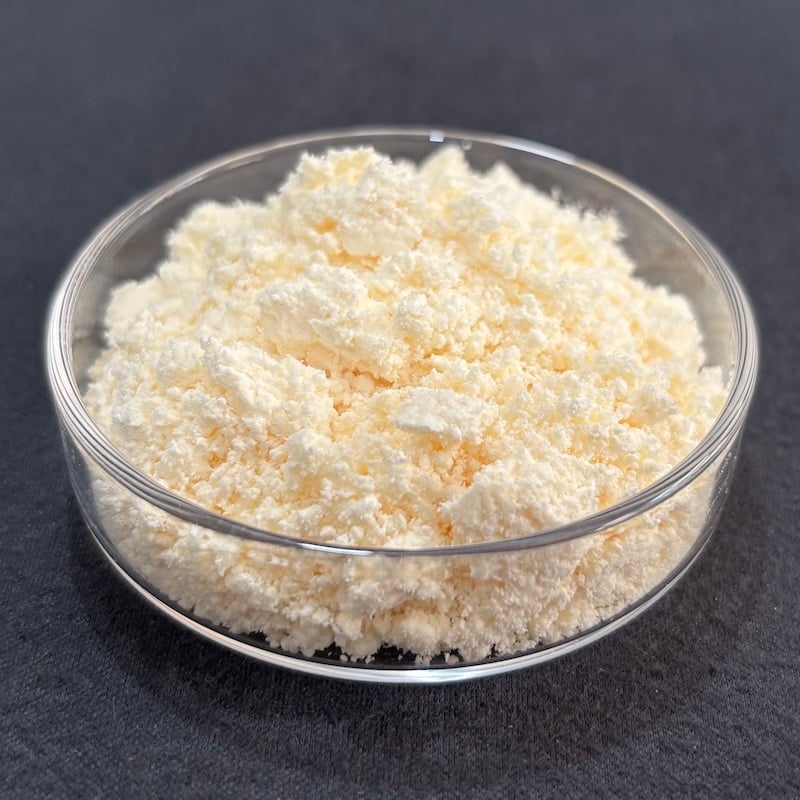
Lightweight foam has become indispensable across manufacturing, construction, packaging, and industrial applications. The critical component enabling this transformation is the use of specialized blowing agents. These chemical formulations create the gas-filled cellular structure that defines foam, delivering exceptional properties like reduced weight, improved insulation, and cost efficiency. Understanding why blowing agents matter is essential for engineers, manufacturers, and procurement professionals who rely on foam-based solutions to meet performance and sustainability targets.
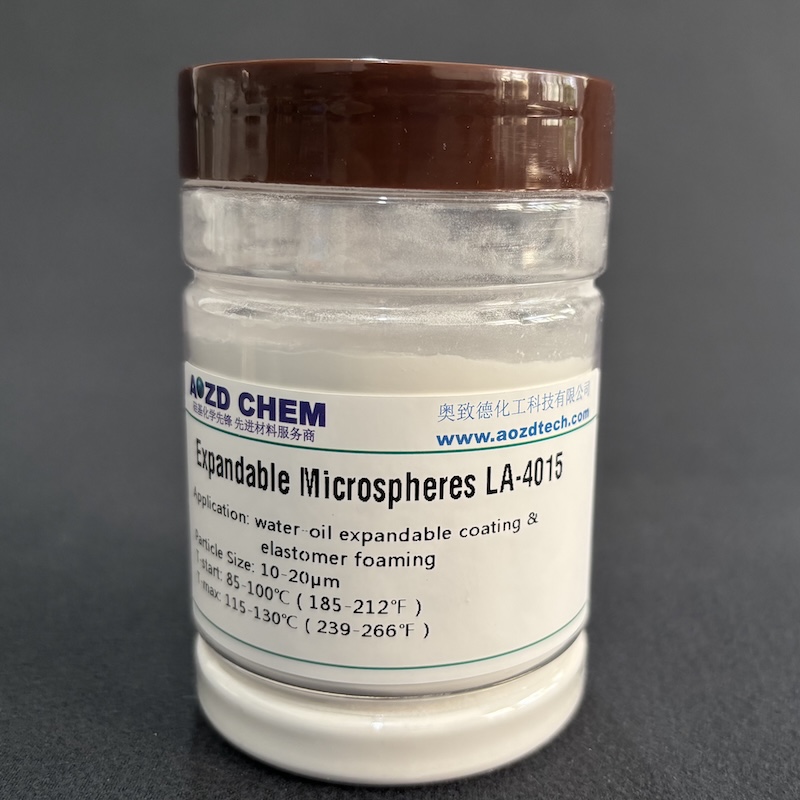
The chemistry of foam production fundamentally depends on blowing agents to generate the gas bubbles that form the cellular matrix. Without these chemical additives, producing lightweight foam at scale would be economically unviable and technically impossible. Blowing agents expand during processing, creating uniform pore structures that directly influence the foam's density, strength-to-weight ratio, thermal properties, and overall performance. The selection and optimization of blowing agents determine whether a foam product meets industry specifications, regulatory requirements, and end-user expectations.
The Role of Blowing Agents in Foam Structure Formation
How Blowing Agents Generate Cellular Structure
Blowing agents function through physical or chemical activation mechanisms that release gases during the polymer processing phase. Physical blowing agents expand by reducing pressure or increasing temperature, while chemical blowing agents decompose at elevated temperatures to produce gas byproducts. This gas generation creates countless microscopic bubbles suspended within the polymer matrix, forming the characteristic cellular architecture of foam. The rate and uniformity of gas release directly affect cell size distribution, which influences mechanical properties, thermal conductivity, and acoustic performance of the final foam product.
The interaction between blowing agents and polymer chemistry is critical to achieving desired foam characteristics. Blowing agents must be compatible with the base polymer, maintain stability during storage, and activate at precise temperature ranges during manufacturing. Modern blowing agents are engineered to provide consistent expansion rates, control cell morphology, and minimize defects such as cell coalescence or irregular pore formation. For applications requiring exceptional foam quality, selecting the right blowing agents can reduce waste, improve product consistency, and enhance overall manufacturing efficiency.
Density Control and Performance Optimization
One of the primary advantages of using blowing agents is the ability to precisely control foam density. By adjusting the type, concentration, and activation conditions of blowing agents, manufacturers can achieve densities ranging from ultra-lightweight foams to denser variants with specific load-bearing capabilities. Lower density foams reduce material consumption and shipping costs, while maintaining structural integrity through optimized cell wall thickness and cross-linking. Blowing agents enable this density tuning without compromising mechanical strength, thermal properties, or cost-effectiveness across diverse industrial applications.
The relationship between blowing agents and foam density directly impacts product performance metrics. Lightweight foams produced with advanced blowing agents exhibit superior insulation properties, reduced thermal conductivity, and improved energy efficiency in building and refrigeration applications. In packaging and protective applications, blowing agents help create foams with optimal cushioning properties and impact resistance. Industries relying on weight-critical designs, such as automotive and aerospace, depend on blowing agents to deliver the extreme lightweight-to-strength ratios required for fuel efficiency and performance specifications.
Industrial Benefits and Economic Advantages of Blowing Agents
Cost Efficiency and Manufacturing Scalability
Blowing agents enable significant cost reductions in foam manufacturing by reducing the amount of solid polymer material required to achieve target performance specifications. Since blowing agents create the cellular structure, manufacturers use less resin per unit volume while maintaining or improving functional properties. This material efficiency translates directly to lower raw material costs, reduced production waste, and improved profit margins. At scale, blowing agents represent one of the most economically impactful innovations in foam production technology, making lightweight foam accessible across price-sensitive markets and applications.
Manufacturing scalability is enhanced through the use of blowing agents because they integrate seamlessly into existing polymer processing equipment and workflows. Blowing agents can be introduced into extruders, injection molding systems, or batch reactors with minimal process modifications, enabling rapid production volume increases. This adaptability makes blowing agents an attractive solution for manufacturers expanding production capacity or entering new market segments. The reduced processing time and material waste associated with advanced blowing agents further enhance economic viability for mid-sized and large-scale foam producers.
Environmental and Regulatory Compliance
Modern blowing agents are engineered to meet stringent environmental regulations and sustainability objectives. The transition from ozone-depleting CFCs to hydrofluorocarbons (HFCs), hydrofluoroolefins (HFOs), and physical blowing agents reflects the industry's commitment to environmental responsibility. Low global warming potential blowing agents and zero-ODP formulations help manufacturers comply with international protocols while maintaining foam performance standards. Environmental compliance through appropriate blowing agent selection reduces regulatory risk, enhances brand reputation, and supports corporate sustainability initiatives.
Regulatory frameworks governing blowing agents continue to evolve, requiring manufacturers to stay informed about allowable formulations and maximum usage limits in different regions. Blowing agents that support circular economy principles, such as those compatible with foam recycling processes, are gaining prominence in sustainability-focused markets. Forward-thinking manufacturers using compliant blowing agents avoid costly reformulations, supply chain disruptions, and market access restrictions. The strategic selection of environmentally sound blowing agents positions companies to adapt to future regulations while maintaining competitive advantage in sustainability-driven markets.
Performance Characteristics Enabled by Blowing Agents
Thermal Insulation and Energy Efficiency
Blowing agents create the low-density cellular structures that deliver exceptional thermal insulation properties in foam materials. The trapped gas within cells, combined with optimized cell size distribution controlled by blowing agents, minimizes heat transfer through conduction and convection. Polyurethane, polyethylene, and polystyrene foams produced with specialized blowing agents achieve thermal conductivity values competitive with advanced insulation materials. Building insulation, cold chain logistics, refrigeration equipment, and cryogenic applications all depend on the thermal performance enabled by engineered blowing agents.
Energy efficiency gains from foam insulation directly reduce operational costs for end-users. HVAC systems, refrigerated storage facilities, and building envelopes utilizing foam with optimized blowing agents consume significantly less energy for temperature maintenance. Over the lifespan of a building or equipment, the cumulative energy savings justify the initial investment in high-performance foam materials. Blowing agents that produce fine, uniform cell structures are particularly effective at minimizing thermal bridging and convective air movement, further enhancing insulation value and energy performance.
Mechanical Strength and Durability
Contrary to common misconceptions, blowing agents do not compromise mechanical strength when properly formulated and processed. Advanced blowing agents enable controlled cell morphology that optimizes the balance between weight reduction and structural integrity. The cell walls remain strong and resilient despite the presence of gas-filled voids, maintaining compression resistance, tensile strength, and impact absorption capabilities. Applications requiring load-bearing foam, such as structural sandwich composites and protective packaging, benefit from blowing agents that deliver both lightweight properties and mechanical durability.
The durability of foam produced with quality blowing agents extends product service life in demanding environments. UV-resistant formulations, chemical-resistant cell structures, and moisture-barrier technologies work in concert with blowing agents to create foams that withstand prolonged exposure, temperature cycling, and mechanical stress. Long-term stability ensures that blowing agents deliver consistent performance throughout the product lifecycle, reducing maintenance costs and premature replacement cycles. Industries including marine, automotive, and industrial equipment rely on durable foam solutions enabled by advanced blowing agent technologies.
FAQ
What types of blowing agents are most commonly used in industrial foam production?
The most widely used blowing agents include hydrofluoroolefins (HFOs), hydrochlorofluorocarbons (HCFCs), physical blowing agents like water and hydrocarbons, and chemical blowing agents such as azo compounds and citric acid derivatives. HFOs have become increasingly prevalent due to their low global warming potential and regulatory compliance. Selection depends on the foam type, application requirements, processing equipment, and regulatory environment. Each category of blowing agents offers distinct activation temperatures, expansion characteristics, and environmental profiles.
How do blowing agents affect the cost of foam manufacturing?
Blowing agents reduce overall manufacturing costs by enabling the production of lightweight foams that use less raw material while maintaining performance specifications. The reduced polymer content directly lowers raw material expenses and production waste. Additionally, blowing agents may decrease processing times and energy consumption during manufacturing. However, the cost-benefit analysis varies depending on the specific blowing agent selected, production volume, and end-product specifications. Manufacturers must balance material savings against blowing agent costs and process optimization.
Are modern blowing agents environmentally safe and compliant with regulations?
Yes, modern blowing agents are engineered to comply with environmental regulations including the Montreal Protocol and EPA guidelines. Contemporary formulations prioritize low-ODP and low-GWP blowing agents that minimize ozone depletion and climate impact. Water-based and hydrocarbon-based physical blowing agents offer zero environmental impact alternatives. Manufacturers should verify that their selected blowing agents meet local and international regulatory requirements, particularly in regions with stricter environmental standards. Regulatory compliance reduces legal risk and supports corporate sustainability commitments.