
 EN
EN
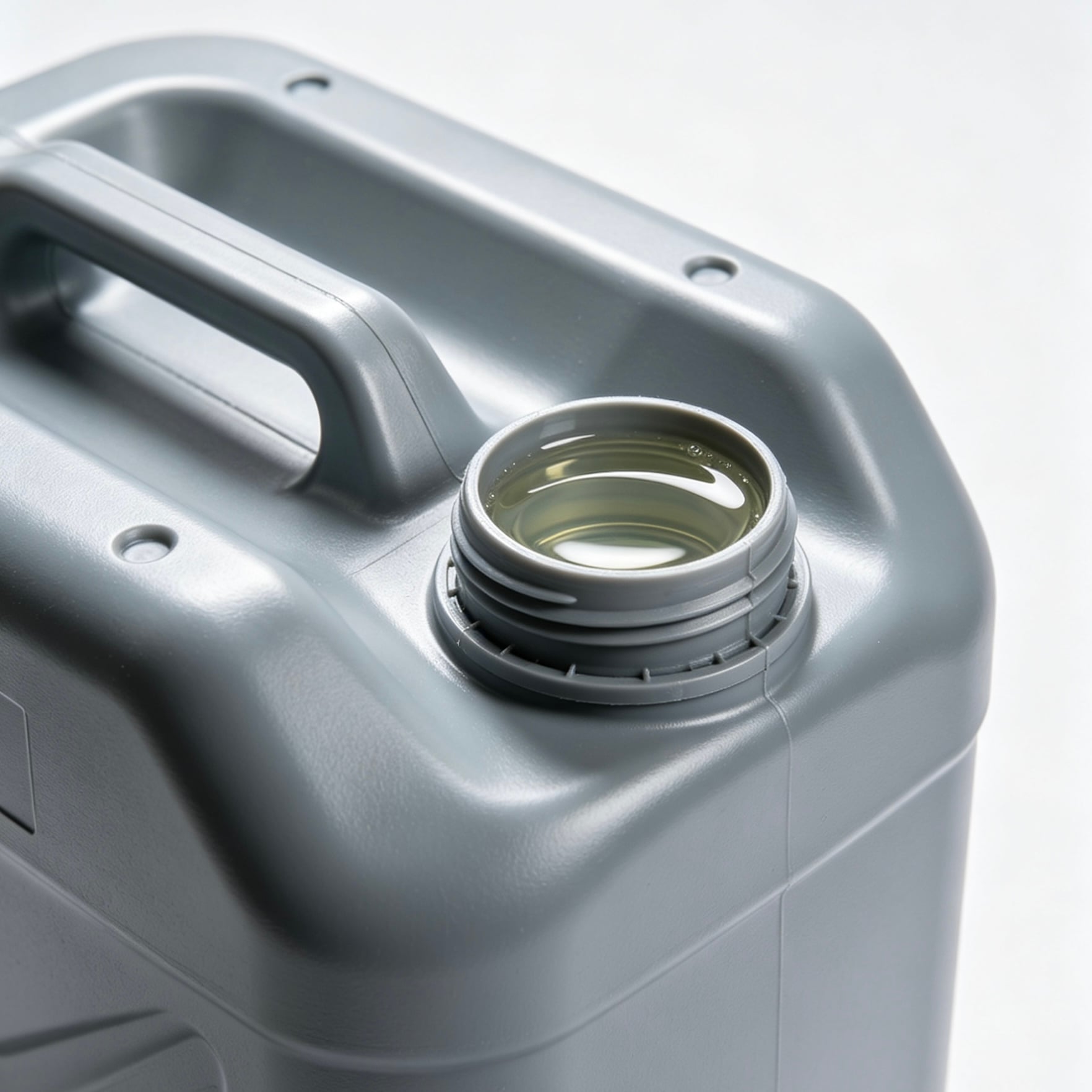
Filament breakage represents one of the most costly operational challenges in polyester yarn production, directly impacting productivity and product quality. Polyester spinning oil serves as a critical component in modern textile manufacturing, functioning as both a lubricant and processing aid that significantly reduces mechanical stress on delicate filaments during the spinning, stretching, and winding processes. Understanding how polyester spinning oil prevents filament breakage requires examining the physical mechanisms of yarn formation and the chemistry of specialized lubrication formulations designed specifically for high-speed textile operations.
The textile industry's shift toward faster production speeds and higher-quality standards has made effective lubrication increasingly important. Polyester spinning oil formulations contain carefully balanced synthetic compounds and additives that create a protective film around individual filaments, reducing friction at contact points and dispersing stress loads evenly across the yarn structure. When properly applied, polyester spinning oil minimizes the mechanical degradation that causes yarn weakening and premature failure during production and finishing stages.
The Science of Lubrication in Filament Production
How Friction Causes Filament Damage
Filaments experience multiple friction points during textile production, including guide contacts, tension rollers, stretching equipment, and winding assemblies. Each contact generates heat and mechanical stress that can weaken the polymer structure if uncontrolled. Without proper lubrication, adjacent filaments within a yarn bundle rub against each other, creating internal friction that eventually leads to fiber fracture. Polyester spinning oil significantly reduces this internal and external friction by coating each filament with a continuous protective layer that allows smooth movement through production equipment while preventing direct contact damage.
Lubricant Film Formation and Protection
The protective mechanism of polyester spinning oil depends on its ability to form a stable, thin film at the molecular level. High-quality polyester spinning oil formulations contain polar molecules that adhere strongly to polyester fiber surfaces, creating a hydrophobic boundary layer. This film maintains its integrity even under extreme pressure and temperature variations common in modern spinning mills operating at speeds exceeding 5,000 meters per minute. The continuous film prevents direct fiber-to-fiber contact and reduces the localized stress concentrations that typically initiate breakage events during high-speed operations.
Chemical and Physical Properties That Prevent Breakage
Viscosity and Lubrication Balance
Selecting the appropriate viscosity of polyester spinning oil represents a critical decision in filament preservation strategies. Too-light oils provide insufficient film strength and fail to carry adequate lubricant to friction points, while excessively viscous formulations create drag that increases tension and paradoxically increases breakage risk. Professional polyester spinning oil products are engineered with optimal viscosity grades, typically ranging from ISO 22 to ISO 46, that balance protective film coverage against the requirement to maintain acceptable production speeds. This balance ensures consistent filament protection across varying equipment designs and production temperatures.
Thermal Stability and Anti-Oxidation
During high-speed spinning operations, friction generates significant localized heat, which can degrade standard lubricants into sticky residues that increase fiber adhesion and accelerate breakage. Advanced polyester spinning oil formulations incorporate thermal stability packages and anti-oxidation additives that prevent degradation even at temperatures exceeding 80 degrees Celsius. These additives maintain the film's protective properties throughout extended production runs, preventing viscosity breakdown that would otherwise expose filaments to direct contact damage. The anti-oxidation chemistry in quality polyester spinning oil ensures consistent performance whether production operates continuously for 24 hours or cycles between different production schedules.
Production Impact and Breakage Reduction Mechanisms
Reducing Tension-Induced Failures
Tension management during polyester yarn production directly correlates with filament integrity and final product strength. When properly formulated, polyester spinning oil reduces surface friction between yarn and production equipment, lowering the tension required to maintain steady thread path through the production line. This tension reduction has cascading benefits: less force is needed to move yarn through guides and rollers, fewer filaments experience stress concentrations that lead to internal weakening, and the overall molecular structure of the yarn remains more intact. Many production facilities report 15 to 30 percent improvements in yarn strength measurements after switching to specialized polyester spinning oil formulations specifically engineered for their particular equipment and production speeds.
Preventing Environmental Contamination Breakage
Dust, moisture, and residual polymer fragments naturally accumulate during yarn production and can create abrasive particles that accelerate filament degradation. Effective polyester spinning oil products contain demulsification and water-separation characteristics that prevent moisture from accumulating at the fiber surface, where it would promote stress-corrosion cracking. Additionally, the lubricating film provided by polyester spinning oil reduces the adhesion of environmental contaminants to filament surfaces, allowing production staff to remove potential damage sources before they initiate breakage. This contamination prevention capability makes polyester spinning oil especially valuable during extended production runs where equipment maintenance windows are infrequent.
Application Best Practices for Maximum Filament Protection
Dosage and Distribution Optimization
The effectiveness of polyester spinning oil depends critically on consistent, uniform application across all filaments in the yarn bundle. Under-application leaves unprotected fiber surfaces vulnerable to direct contact damage, while over-application creates buildup that increases friction and tension. Modern spinning facilities typically apply polyester spinning oil at precisely controlled dosages ranging from 0.4 to 1.2 percent by weight of the yarn, with distribution achieved through roller applicators or spray systems positioned immediately after fiber extrusion. Proper dosage calibration ensures every filament receives adequate lubrication coverage while preventing accumulation that would trigger mechanical problems downstream in the production process.
Equipment Compatibility and Selection Factors
Different polyester spinning systems, twisting equipment, and winding technologies require polyester spinning oil formulations matched to their specific operating parameters. Machinery that operates at exceptionally high speeds or processes coarse denier yarns may benefit from polyester spinning oil with enhanced film strength, while facilities producing fine filaments typically prefer lower-viscosity formulations that minimize weight and friction. Additionally, the material composition of production equipment, whether stainless steel, ceramic, or composite roller surfaces, influences which polyester spinning oil chemistry delivers optimal performance. Collaborating with specialized lubricant suppliers ensures the selected polyester spinning oil product aligns with equipment design and operational requirements, maximizing the filament protection benefit and preventing compatibility issues that would negate lubrication advantages.
FAQ
What causes filament breakage if polyester spinning oil is not used?
Without adequate lubrication, filaments experience direct contact friction at every equipment interface, generating heat and stress concentrations that progressively weaken the polymer structure. Unlubricated yarns require higher tension to maintain production speed, further accelerating mechanical degradation. The combination of friction, heat, and tension typically causes failure rates exceeding 50 percent in modern high-speed equipment. Polyester spinning oil prevents these failures by reducing friction and distributing stress loads more evenly throughout the yarn bundle.
How often should polyester spinning oil be replaced in production systems?
Replacement frequency depends on production volume, ambient temperature, and equipment design, but most facilities implement complete polyester spinning oil changes every 2,000 to 4,000 operating hours. Thermal degradation and contamination accumulation gradually reduce lubrication effectiveness, requiring periodic replenishment to maintain optimal filament protection. Regular filtration and analysis of circulating polyester spinning oil can extend service intervals and ensure consistent performance. Manufacturers typically provide specific maintenance recommendations based on their formulation chemistry and the particular equipment installation.
Can polyester spinning oil affect the final yarn properties or product quality?
High-quality polyester spinning oil formulations are designed to wash out easily during standard finishing processes, leaving no chemical residue on the yarn. The lubricant's primary role is protective during production; modern polyester spinning oil products contain no additives that bond permanently to fibers or alter final yarn color, strength, or performance characteristics. In fact, by reducing filament breakage during production, polyester spinning oil typically improves final product consistency and strength. Product specifications always indicate whether the formulation is designed for easy removal or if special finishing conditions are required.