
 EN
EN
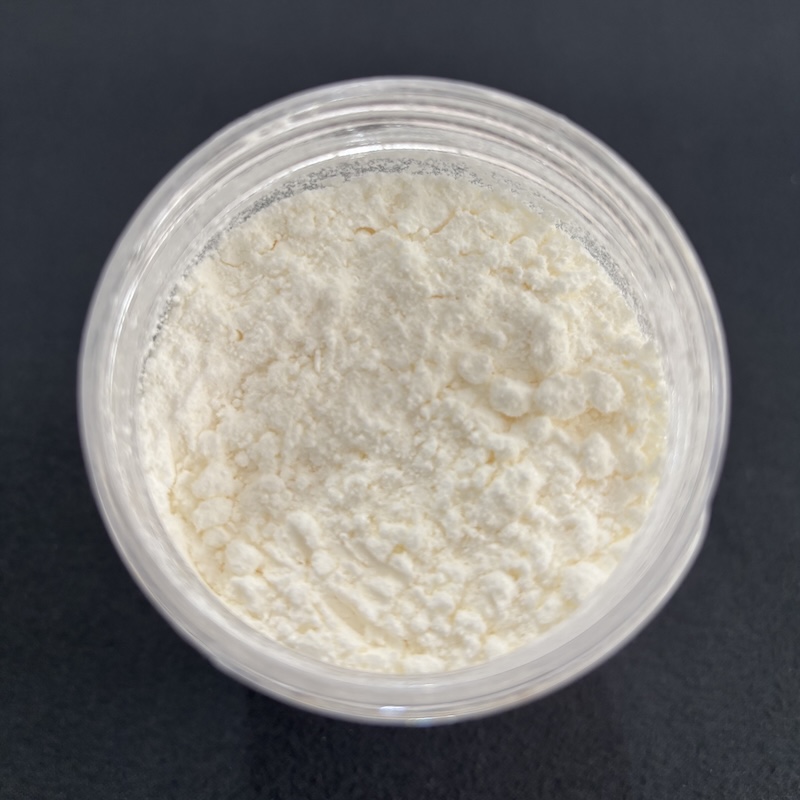
Blowing agents are critical components in foam manufacturing, designed to create gas bubbles that expand materials and achieve desired density and structural properties. However, many manufacturers encounter a frustrating problem: blowing agents fail to activate at the intended target heat, leading to inconsistent foam quality, density variations, and production inefficiencies. Understanding why this activation failure occurs is essential for optimizing your foam production process and ensuring reliable results across batches.
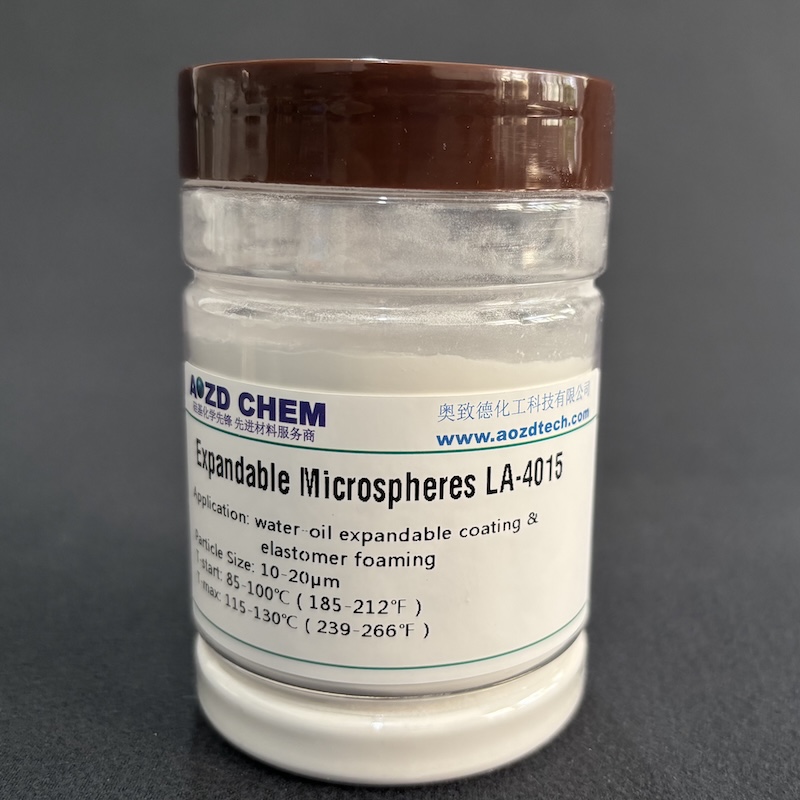
The activation of blowing agents depends on precise thermal conditions, material composition, and system variables that often interact unpredictably. When blowing agents underperform or remain inactive at your target heat, the root cause typically lies in one of several technical factors: chemical decomposition temperature misalignment, inadequate heat transfer to the blowing agent particles, incompatibility with the base polymer matrix, or contamination affecting thermal sensitivity. Identifying the specific barrier in your production environment is the first step toward solving activation problems and restoring consistent foam expansion.
Understanding Blowing Agent Thermal Activation Mechanisms
How Blowing Agents Respond to Heat
Blowing agents are engineered to decompose or vaporize at specific temperatures, releasing gas that creates the cellular structure in foam. Different types of blowing agents have different thermal decomposition windows. Physical blowing agents like hydrofluorocarbons (HFCs) rely on vapor pressure changes when heated, while chemical blowing agents such as azodicarbonamide (ADC) or sodium bicarbonate require reaching their decomposition temperature to generate nitrogen or carbon dioxide gas. The target heat you set in your process must fall within the optimal activation range for your chosen blowing agents to perform effectively and consistently.
Why Activation Temperature Misalignment Occurs
Your target heat setting and the actual decomposition temperature of blowing agents often diverge due to several practical factors. Blowing agents are typically supplied with a datasheet decomposition temperature, but this value represents laboratory conditions under ideal circumstances. In real production environments, the presence of other chemicals, polymer viscosity, and pressure conditions can shift the effective activation window for blowing agents. Additionally, aging of blowing agents in storage, exposure to moisture, or partial pre-decomposition during processing can raise the effective activation temperature. When the target heat falls below the actual activation point needed for your specific blowing agents batch and process conditions, expansion fails or occurs too slowly, resulting in dense, poorly expanded foam.
Common Barriers to Blowing Agent Activation
Heat Transfer Inefficiency and Thermal Gradients
Even when your equipment reaches the target heat, the blowing agents embedded within the polymer matrix may not receive sufficient thermal energy quickly enough. Heat transfer to blowing agents is limited by the thermal conductivity of the surrounding material and the residence time in the heated zone. Large particles or clumps of blowing agents require longer exposure to reach their activation threshold. Thermal gradients within the mold or processing chamber mean that outer material heats faster than inner sections, so blowing agents in the core may never reach the target heat. This uneven heating is especially problematic with thick foam parts or high-viscosity polymers. Improving heat transfer through better mold design, higher thermal conductivity, or extended heating cycles can help ensure blowing agents throughout the material mass receive adequate thermal energy for activation.
Chemical Incompatibility and Reaction Interference
Blowing agents do not exist in isolation; they interact with the polymer matrix, plasticizers, flame retardants, and other additives in your formulation. Some additive combinations can suppress or delay the decomposition of blowing agents by forming protective layers, creating acidic or alkaline environments that shift pH-dependent reactions, or directly inhibiting the decomposition pathway. Reactive polymers or those with high crosslink density may trap blowing agents in a rigid structure before sufficient gas is generated, preventing expansion. Heavy metals or certain metallic compounds, if present as contaminants or intentional additives, can catalyze unwanted side reactions that consume gas or generate heat that decomposes blowing agents prematurely. Testing your blowing agents formulation compatibility through small-scale trials helps identify whether chemical interactions are preventing activation at the target heat.
Moisture Content and Storage Degradation
Blowing agents are sensitive to moisture, especially chemical blowing agents that rely on specific decomposition reactions. Moisture absorption lowers the effective decomposition temperature of some blowing agents and introduces competing reactions that generate heat and gas prematurely, or not at all. Blowing agents stored in humid environments or exposed to extended shelf life can partially decompose or lose potency, requiring higher temperatures for complete activation. If your target heat was calibrated using fresh blowing agents but your current batch has absorbed moisture or aged in storage, activation will fail or be severely delayed. Implementing proper storage protocols—sealed containers, desiccant packs, climate-controlled warehouses—and tracking batch age ensures that blowing agents retain their thermal sensitivity specifications and activate consistently at the target heat you have chosen.
Optimizing Blowing Agent Activation Performance
Calibration and Process Adjustment Strategies
The most direct solution to blowing agent activation failure is recalibrating your target heat settings based on your specific material, additives, and production equipment. Begin by establishing the actual decomposition onset temperature for your blowing agents in your exact polymer system through differential scanning calorimetry (DSC) testing. This laboratory analysis reveals the true activation window for blowing agents under your conditions, which may differ significantly from generic supplier data. Once you know the precise decomposition temperature, set your target heat approximately 10 to 15 degrees above that onset temperature to ensure robust activation of blowing agents throughout the material. Additionally, extend the heating dwell time slightly to allow thermal energy to penetrate to blowing agents in the material core, especially for thick sections or dense polymers.
Blowing Agent Selection and Advanced Alternatives
If standard blowing agents consistently underperform at your target heat, consider switching to blowing agents formulated specifically for your temperature range or process type. Expandable microspheres are engineered blowing agents that offer precise thermal activation control and uniform particle size distribution, ensuring all blowing agents activate simultaneously within a narrower temperature window. These advanced blowing agents reduce thermal sensitivity variability and improve foam consistency. Expandable microspheres also offer better chemical stability, reduced moisture pickup, and longer shelf life compared to conventional blowing agents. By selecting blowing agents matched to your process and equipment thermal profile, you eliminate the mismatch between target heat and actual activation requirements, ensuring predictable foam expansion.
Formulation Optimization and Additive Management
Review your complete additive package to eliminate components that suppress or interfere with blowing agent activation. Work with your material suppliers to confirm that flame retardants, stabilizers, and colorants do not chemically inhibit or catalyze unwanted reactions in blowing agents. Adjust additive concentrations carefully—excessive amounts of certain additives can create an environment hostile to blowing agent decomposition. Consider removing or replacing problematic additives or sourcing alternative formulations of known suppressants in versions optimized for blowing agent compatibility. Additionally, ensure that your blowing agents are properly dispersed and not allowed to agglomerate before heating; uniform particle distribution means all blowing agents experience similar thermal conditions and activate together at the target heat you have set.
FAQ
What happens if blowing agents activate below the target heat in my process?
If blowing agents activate prematurely before reaching your target heat, gas is released too early and escapes the polymer before it has fully solidified and formed cell structures. This early activation of blowing agents results in very dense, collapsed foam with minimal expansion and poor mechanical properties. Premature blowing agent activation also generates excessive pressure in the mold, potentially causing overflow, warping, or part defects. You should increase your target heat setting or use blowing agents with a higher decomposition temperature to delay activation until the polymer is in the optimal state for capturing and stabilizing the expanding gas.
How can I test whether my blowing agents are still potent after storage?
The most practical test is to run a small trial batch using a sample of the stored blowing agents at your current target heat setting and compare the foam expansion and density to a known good reference produced with fresh blowing agents. If expansion is significantly reduced or inconsistent, your blowing agents may have degraded or absorbed moisture. For more precise analysis, send a sample to a laboratory for thermal analysis (DSC or thermogravimetric analysis) to measure the actual decomposition temperature of your stored blowing agents. This data tells you whether decomposition temperature has shifted and whether your target heat is still appropriate for that batch.
Can I simply raise the target heat to activate stubborn blowing agents?
Raising target heat indiscriminately can activate blowing agents but often causes other problems: polymer degradation, discoloration, uncontrolled rapid gas generation leading to defects, and loss of material properties. Instead, gradually increase target heat in small increments (5°C at a time) while monitoring foam quality and material properties. If very high temperatures are required to achieve activation of blowing agents, the root issue is likely chemical incompatibility, moisture damage, or batch degradation rather than simply needing more heat. In those cases, investigate additive interactions, check storage conditions, and consider switching to fresh or alternative blowing agents formulated for better thermal efficiency.