
 EN
EN
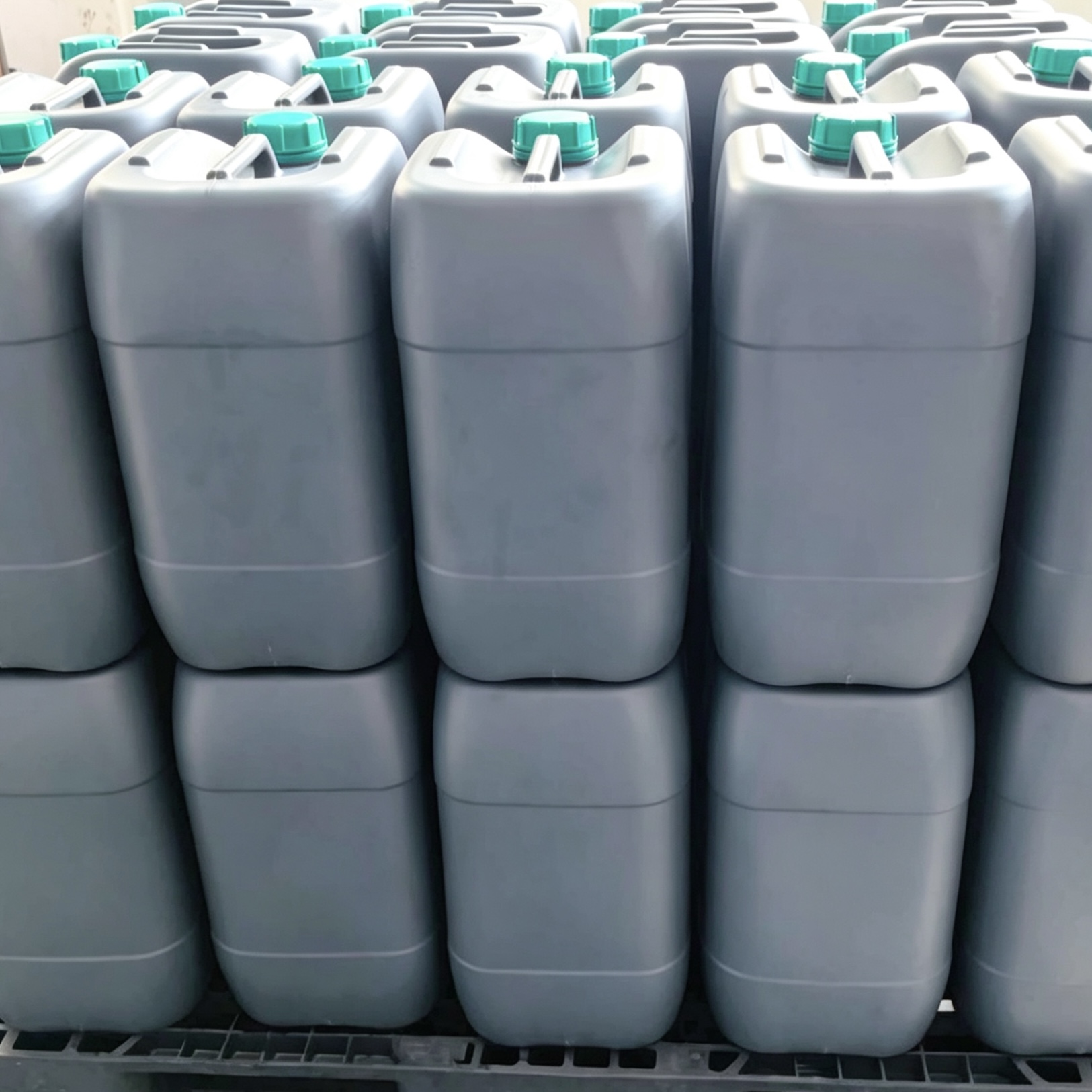
In modern textile manufacturing, the quality of auxiliary chemicals plays a decisive role in the final appearance and performance of finished fabrics. When white fabrics emerge from the production line with an unexpected yellowish tint, the investigation almost always circles back to the spinning process itself. vortex spinning oil is one of the most critically examined substances in these scenarios, as it is in direct and prolonged contact with yarn during high-speed vortex spinning operations. Understanding the root causes of yellowing requires a close look at the chemical nature of this auxiliary, the conditions under which it operates, and the interactions it undergoes with fiber surfaces.

Yellowing in white fabrics is not merely an aesthetic problem — it is a signal of chemical instability somewhere in the production chain. For fabric buyers, brand owners, and textile engineers, the presence of yellowing often triggers costly re-processing, customer complaints, and reputational damage. The properties of vortex spinning oil — including its composition, thermal stability, antioxidant content, and compatibility with downstream processing — are all factors that determine whether a spinning auxiliary contributes to discoloration or maintains the pristine whiteness that the market demands. This article explores the specific mechanisms by which vortex spinning oil leads to yellowing in white fabrics, and what manufacturers need to understand to prevent it.
The Chemical Composition of Vortex Spinning Oil and Its Link to Yellowing
Base Oil Oxidation as a Primary Trigger
Most formulations of vortex spinning oil are built on a blend of mineral or synthetic base oils combined with emulsifiers, antistatic agents, and smoothing components. The base oil fraction, particularly in mineral-derived variants, contains trace amounts of unsaturated hydrocarbons. At the elevated temperatures typical of vortex spinning machines — sometimes exceeding 200°C at the spindle surface — these unsaturated molecules undergo oxidative degradation, producing chromophoric compounds that are yellow or brown in color.
When these oxidized byproducts are deposited onto white cotton or polyester yarn, they become chemically bonded or physically adsorbed onto fiber surfaces. Even at low concentrations, chromophoric compounds from oxidized vortex spinning oil can create a perceptible yellow shade, especially in high-white or optical-brightener-treated fabrics. This oxidation pathway is one of the most well-documented causes of spinning-related discoloration in the industry.
The extent of oxidative yellowing is closely tied to the antioxidant package used in the vortex spinning oil formulation. Low-quality or improperly stabilized spinning oils that lack effective hindered phenolic or amine antioxidants will degrade faster under processing conditions, releasing more chromophoric residues onto fiber surfaces. This makes antioxidant selection a critical factor in minimizing yellowing risk.
Emulsifier and Surfactant Degradation
Vortex spinning oil relies heavily on emulsifiers to maintain a stable dispersion in water and to ensure uniform application across yarn surfaces. Many of these emulsifiers are ethoxylated fatty alcohol or alkylphenol ethoxylate derivatives. When exposed to heat, light, or trace metal contaminants — such as iron from machine components — these surfactant molecules can undergo thermal or catalytic decomposition, generating aldehyde and ketone fragments.
Aldehydes and ketones are known precursors to yellowing in textiles. They react with the amine groups present in nylon fibers or with optical brightening agents on cotton, triggering Maillard-type reactions or direct chromophore formation. In a vortex spinning environment where the oil is applied continuously and subjected to repeated heat exposure, surfactant degradation in vortex spinning oil becomes a cumulative source of yellow discoloration.
Manufacturers who use recycled oil bath systems or who allow long dwell times in concentrated solution tanks inadvertently accelerate this degradation. Fresh, properly stabilized vortex spinning oil that is regularly replenished and stored under appropriate conditions will exhibit significantly less tendency toward surfactant-driven yellowing.
Thermal Stress During Vortex Spinning and Its Role in Discoloration
High-Speed Friction and Localized Heat Buildup
Vortex spinning is a high-speed process where fiber bundles are twisted into yarn through a precisely engineered air vortex. The spindle pin and nozzle components generate significant frictional heat as yarn passes over them at speeds exceeding 400 meters per minute. At these velocities, even a well-formulated vortex spinning oil is exposed to thermal stress that pushes its stability limits.
When the lubricant film in vortex spinning oil is too thin or when the oil's viscosity index is poorly matched to the operating temperature, it breaks down at contact points. The resulting carbonized residues — often referred to as spinning deposits or spin-finish deposits — are dark or yellowish in color and adhere tenaciously to yarn surfaces. These residues are particularly difficult to remove in subsequent scouring or bleaching steps, especially if the deposits have been heat-cured onto the fiber.
Thermal decomposition of vortex spinning oil is not always visible on the yarn immediately after spinning. In some cases, the deposit appears colorless while hot but develops a yellow shade upon cooling and exposure to air. This delayed discoloration makes it particularly challenging to diagnose during production, as the problem may only become apparent during fabric inspection at a later stage.
Spindle Temperature and Oil Application Rate Interactions
The relationship between spindle temperature and the application rate of vortex spinning oil is a delicate balance. Under-application leads to dry friction and localized overheating, which accelerates decomposition of whatever oil remains on the fiber. Over-application saturates the yarn with excess oil that cannot be fully removed in washing, leaving a residue that may yellow during heat-setting or storage.
Both scenarios ultimately result in yellowing, but through slightly different mechanisms. In under-application cases, the yellowing stems from thermally degraded oil fragments concentrated on the yarn surface. In over-application cases, the excess vortex spinning oil creates a thick hydrophobic layer that resists aqueous scouring, meaning residual oil undergoes secondary oxidation during fabric heat-setting at 160–190°C in finishing processes.
Proper calibration of oil application systems — combined with using a vortex spinning oil with a thermal stability profile matched to the operating conditions — is essential to controlling both scenarios. Textile engineers who understand this interaction can significantly reduce yellowing complaints without switching formulations entirely.
Interaction Between Vortex Spinning Oil Residues and Downstream Processes
Heat-Setting and Optical Brightener Interference
After weaving or knitting, white fabrics typically undergo heat-setting on stenter frames at temperatures between 160°C and 200°C. If residual vortex spinning oil has not been fully removed during pre-treatment scouring, the remaining oil undergoes further thermal oxidation during this step. The resulting chromophores are effectively baked into the fabric structure, creating a persistent yellow shade that does not wash out easily.
Another critical interaction occurs with fluorescent optical brightening agents (OBAs), which are commonly applied to white fabrics to enhance brightness. Certain emulsifiers and antistatic components in vortex spinning oil can form quenching complexes with OBA molecules, reducing their fluorescent output and leaving the fabric appearing duller and more yellowish under daylight conditions. This interaction is particularly pronounced with anionic OBAs in the presence of cationic antistatic agents found in some spinning oil formulations.
Understanding these downstream interactions is essential for mills that produce high-white fabrics. The selection of vortex spinning oil must consider not only its in-process performance but also its washability and compatibility with the optical brightening chemistry used in the finishing department.
Scouring Efficiency and Residual Oil Carry-Over
Even well-formulated vortex spinning oil can cause yellowing if the scouring and washing stages fail to remove it adequately before dyeing or finishing. The emulsification characteristics of the spin finish — specifically its critical micelle concentration, cloud point, and affinity for fiber surfaces — determine how effectively it can be rinsed away in aqueous scouring baths.
Some formulations of vortex spinning oil are designed with high fiber affinity to ensure consistent coverage during spinning, but this same affinity makes them resistant to removal in water-based scouring. When scouring temperatures are too low, detergent concentrations are insufficient, or bath times are too short, significant oil carry-over occurs. This residual vortex spinning oil then becomes a yellowing risk in every subsequent heating step.
Textile labs routinely measure the carry-over of spin finish residues using extraction and spectrophotometric methods. Mills that monitor this parameter proactively are better positioned to adjust their scouring protocols before yellowing problems escalate into finished goods defects.
Formulation Quality Factors That Determine Yellowing Risk
The Role of Metal Contamination in the Oil Formulation
Trace metal contaminants in vortex spinning oil — particularly iron, copper, and manganese — act as pro-oxidant catalysts that dramatically accelerate the oxidative degradation of both the base oil and the surfactant components. These metals can originate from manufacturing vessel corrosion, raw material impurities, or contamination during transportation and storage.
Even at concentrations measured in parts per million, catalytic metal ions in vortex spinning oil can reduce the induction period for oxidation from months to days under spinning conditions. The result is a sharp increase in chromophoric compound generation at the fiber-oil interface. High-specification vortex spinning oil formulations include metal chelating agents to neutralize these pro-oxidant effects and extend the usable thermal life of the product.
Buyers of vortex spinning oil should request quality certificates that include ICP analysis for heavy metal content and confirm the presence of effective chelation systems. This data is rarely provided by commodity-grade suppliers but is standard practice among formulation-focused specialty chemical manufacturers.
Antioxidant Package Design and Yellowing Prevention
The antioxidant system in a well-designed vortex spinning oil is a carefully balanced combination of primary and secondary antioxidants working together to interrupt oxidative chain reactions. Primary antioxidants, typically hindered phenolics, scavenge free radicals generated by thermal and oxidative stress. Secondary antioxidants, such as phosphites or thioethers, decompose hydroperoxides before they can form chromophoric carbonyl compounds.
When either the primary or secondary antioxidant system is absent or depleted, the oil's ability to resist yellowing is dramatically reduced. This is particularly critical in recycled or aged oil baths where antioxidants have been consumed over time. Regular monitoring of oil bath condition and antioxidant depletion through peroxide value or acid value testing is an important part of maintaining a yellowing-free spinning process.
A well-formulated vortex spinning oil that combines high-temperature base fluid chemistry with a robust antioxidant package will maintain its color stability far longer under industrial spinning conditions than a lower-cost alternative that sacrifices formulation depth for price competitiveness. For white fabric production, this investment in formulation quality directly translates into reduced defect rates and improved product consistency.
FAQ
Can changing the vortex spinning oil brand completely eliminate yellowing in white fabrics?
Switching to a higher-quality vortex spinning oil with better thermal stability, a stronger antioxidant package, and improved washability can significantly reduce yellowing. However, complete elimination also requires adjustments to oil application rates, scouring parameters, and heat-setting conditions. Vortex spinning oil selection is one critical variable among several that must be optimized together for the best results.
How does storage of vortex spinning oil affect its tendency to cause yellowing?
Improper storage — such as exposure to high temperatures, direct sunlight, or metallic containers prone to corrosion — can pre-oxidize vortex spinning oil before it is even applied to yarn. This means the oil arrives at the spinning machine in a partially degraded state with a reduced antioxidant reserve, making it far more likely to produce yellowing-related deposits during processing. Sealed, cool, dark storage conditions are essential for preserving oil quality.
Is yellowing caused by vortex spinning oil always removable in bleaching or optical brightening?
Not always. If the vortex spinning oil residue has been heat-cured onto the fiber during heat-setting, the resulting chromophores may be resistant to conventional hydrogen peroxide bleaching. Optical brighteners can partially mask the yellowing but cannot correct it chemically. Prevention during the spinning and pre-treatment stages is far more effective and cost-efficient than attempting remediation after the defect has been fixed into the fabric structure.
What tests can confirm that vortex spinning oil is the source of yellowing rather than another process?
Solvent extraction of the yellowed fabric followed by UV-visible spectrophotometry can identify chromophores characteristic of oxidized mineral oils or degraded surfactants. Gas chromatography-mass spectrometry (GC-MS) analysis can further confirm the specific molecular origin of the discoloration. Comparing extraction profiles against reference vortex spinning oil samples provides direct evidence when the spinning auxiliary is the primary source of yellowing, distinguishing it from other potential causes such as fiber damage or dye migration.
Table of Contents
- The Chemical Composition of Vortex Spinning Oil and Its Link to Yellowing
- Thermal Stress During Vortex Spinning and Its Role in Discoloration
- Interaction Between Vortex Spinning Oil Residues and Downstream Processes
- Formulation Quality Factors That Determine Yellowing Risk
-
FAQ
- Can changing the vortex spinning oil brand completely eliminate yellowing in white fabrics?
- How does storage of vortex spinning oil affect its tendency to cause yellowing?
- Is yellowing caused by vortex spinning oil always removable in bleaching or optical brightening?
- What tests can confirm that vortex spinning oil is the source of yellowing rather than another process?