
 EN
EN
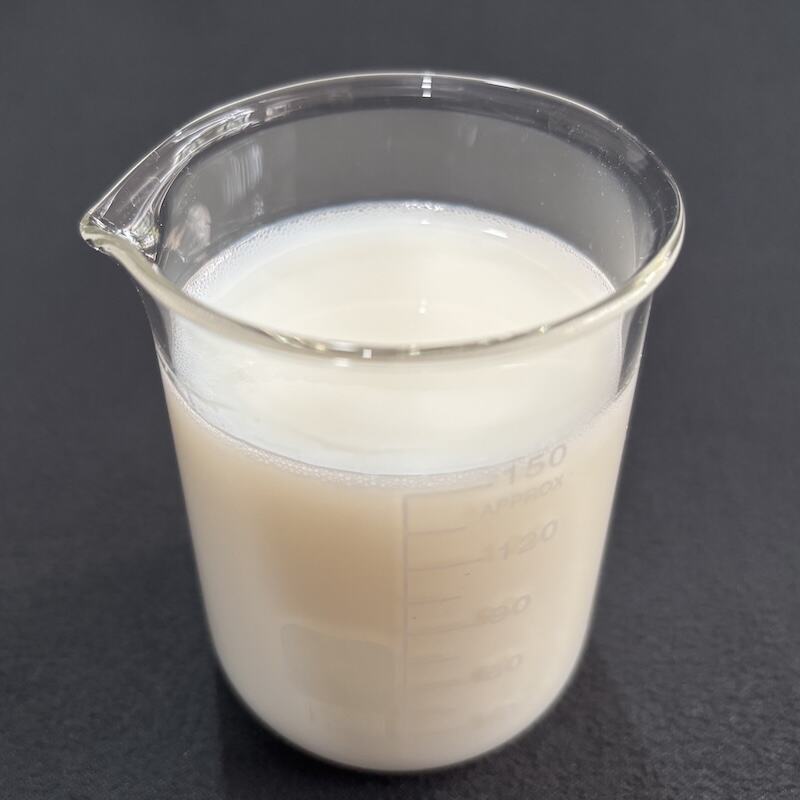
ביצרון התעשייתי, האיכות של טיפולים על פני השטח וסוכני עיבוד משפיעה ישירות וניתן למדידה על ביצועי המוצר, יעילות הייצור ותוחלת החיים הסופית של המוצר. בין חומרים פונקציונליים רבים המשמשים בתחומים כגון טקסטיל, טיפול אישי, צבעים ועיבוד גומי, אמולסיה סיליקון השתרש כקטגוריה רב-תכליתית במיוחד ודורשת רמה טכנית גבוהה. הבנת ההבדלים שבין תערובת ברמה גבוהה לבין תערובת נמוכה אינה רק תרגיל אקדמי — אלא החלטה בתחום הקנייה והייצור המשפיעה באיכות הפלט בכל שלב בתהליך היצרני.
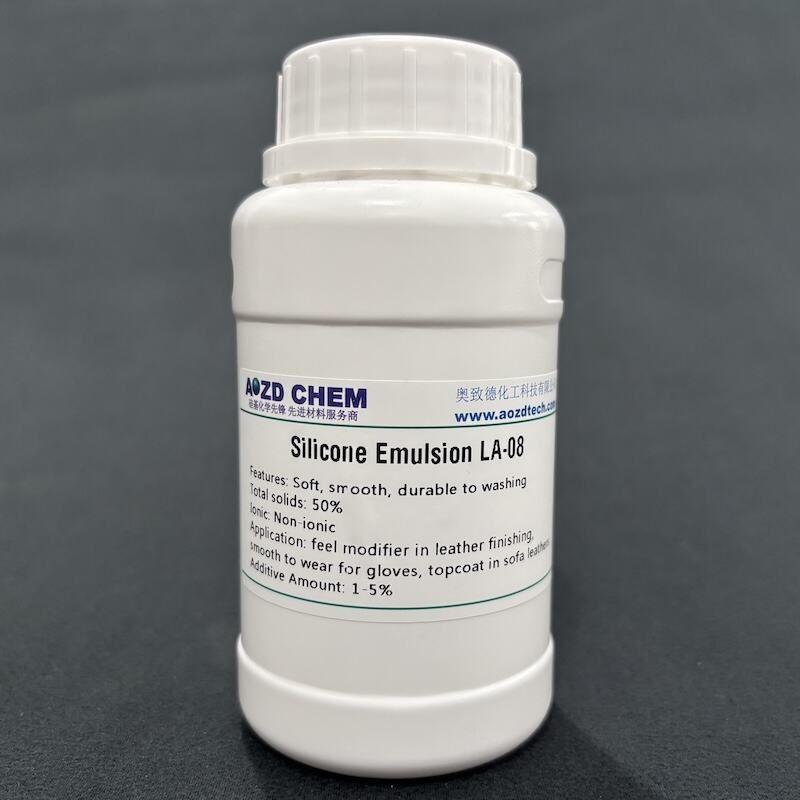
הגדרת מה הופך את אמולסיה סיליקון לברמה אמיתית גבוהה דורשת בחינה של פרמטרים טכניים, כימיים ומיוחדים ליישום. אלו אינם סימנים שרירותיים — כל גורם מתאים לתוצאה אמיתית של ביצוע בשטח. מאמר זה בוחן את הקריטריונים המרכזיים שעל קונים תעשייתיים, מרכיבים ומהנדסי איכות להעריך בעת בחירת או הגדרת אמולסיה סיליקון לסביבות ייצור דרמטיות.
התפלגות גודל חלקיקים ויציבות האמולסיה
התפקיד של גודל החלקיקים בביצועים
אחת התכונות היסודיות ביותר של כל אמולסיה סיליקון היא גודל והאחידות של טיפות הסיליקון המפוזרות בו. התפלגות גודל החלקיקים משפיעה ישירות על אופן האינטראקציה של האמולסיה עם המשטחים, על אחידות הצבת הפאזה הסיליקונית הפעילה, ועל משך הזמן שבו המוצר נשאר יציב בתנאי אחסון או יישום. תערובות מדרגה גבוהה מציגות בדרך כלל טווח צפוף ומוגבל היטב של גודל חלקיקים, אשר נמדד לעתים קרובות בננומטרים למוצרים מדרגה גבוהה.
כאשר התפלגות גודל החלקיקים רחבה או לא אחידה, הפאזה הסיליקונית מתפצלת באופן לא אחיד במהלך העיבוד, מה שמוביל לטיפול לא אחיד על המשטח, ליצירת סרט לא אחיד או לביצוע פונקציונלי לקוי, כגון הפחתה בדחיית המים או בזיהום. בתעשיית הטקסטיל התעשייתי, למשל, התפלגות חלקיקים לא סדירה בא אמולסיה סיליקון עשוי לגרום לערבה לא אחידה לאורך ריצה של בד, מה שיוצר אי-תאמות באיכות שקשה לתקן בשלב מאוחר יותר בתהליך.
משתמשים בטכניקות ייצור מתקדמות כגון אמולגציה בעומס חיתוך גבוה ותנאי אמולגציה מבוקרים (כולל טמפרטורה) כדי להשיג שליטה מדוייקת בגודל החלקיקים. קונים המחפשים מוצרים ברמה גבוהה אמולסיה סיליקון א должны לבקש את נתוני גודל החלקיקים מספקים ולערוך הערכה של עקביות הנתונים בין מנות ייצור שונות.
יציבות האמולגיה בתנאי תעשייה
היציבות חשובה באותה מידה. מוצר ברמה גבוהה אמולסיה סיליקון חייב להתנגד להפרדה, לציפה (קרימינג) ולהיפוך פאזות לא רק בתנאי אחסון סביבתיים, אלא גם בעת הדילול במים, ערבוב עם סוכנים כימיים אחרים, וחשיפה לרמות pH או לטמפרטורות משתנות הנתקלות בשורות עיבוד תעשייתיות. יציבות נמוכה של האמולגיה מתורגמת ישירות לעצירת ייצור, לבזבוז חומרים ולמוצרים באיכות נמוכה.
היציבות התרמית היא רלוונטית במיוחד ליישומים כגון תהליכי קידוד וסיום טקסטיל, שבהם טמפרטורת הבריכה עלולה לנוע במידה משמעותית. تركיבה חזקה אמולסיה סיליקון אמורה לשמור על שלמותה הקולואידלית בטווח הטמפרטורות המוגדר שלה ללא צורך בערבוב מתמיד או באיחוד מחדש של האמולסיה. פרוטוקולי בדיקות יציבות מאוצצות, כולל בדיקות צנטריפוגה ומחזורים של קירור והפשרה, הם שיטות סטנדרטיות המשמשות להערכה ולאימות תכונות אלו.
סוג הפולימר הסיליקוני והמשקל המולקולרי שלו
התאמת גב העצם הפולימרי לדרישות היישום
הסוג של פולימר סיליקוני המשמש כפאזה המפוזרת בתערובת אמולסיה סיליקון היא גורם מכריע בהתיישבות התעשייתית שלו. פולידימטילסילוקسان (PDMS) הוא הפולימר הבסיסי הנפוץ ביותר, אך המשקל המולקולרי שלו, דרגת הוויסקוזיות שלו והשינויים בקבוצות הפונקציונליות שלו קובעים את פרופיל הביצועים הסופי של האמולסיה. מוצרים מדרגה גבוהה מתוכננים בשליטה מדויקת על פרמטרי הפולימר האלה, ולא באמצעות נוזלים סיליקוניים רגילים שאינם ממוינים.
לapplications הדורשים חדירה עמוקה לתת-השכבה וסיכה קלה, מעדיפים דרגות PDMS נמוכות וויסקוזיות. כאשר המטרות הן היווצרותフィילם שטחית, דחיית מים ורכות ארוכת טווח — כמו בעיבוד טקסטיל או נייר איכותי — פולימרים בעלי משקל מולקולרי גבוה מספקים כיסוי טוב יותר ועמידות טובה יותר. היכולת של אמולסיה סיליקון ספק להציע דרגות וויסקוזיות ממוינות או מערכות פולימריות מעורבות היא בעצמה סימן למתוחכמת התכנון.
סיליקונים ריאקטיביים, כולל וריאנטים פונקציונליים אמינו, פונקציונליים אפוקסי וסיומת הידרוקסיל, מייצגים קטגוריה מתקדמת שבה אמולסיה סיליקון המערכת מעוצבת לא רק כדי לכסות אלא גם כדי להתחבר כימית עם המשטח. תערובות ריאקטיביות אלו דורשות שליטה מדויקת אף יותר בתהליך סינтזת הפולימרים ובתהליך האמולגציה כדי להבטיח שקבוצות הפעולה יישארו נגישות ולא ייפגעו במהלך האמולגציה.
שינוי פונקציונלי ודרגות מיוחדות
תעשייה ברמה גבוהה אמולסיה סיליקון מוצרים לעתים קרובות כוללים שינויים פונקציונליים כדי להשיג תוצאות ביצוע ממוקדות. למשל, אמולגציות סיליקון אמינו משמשות רבות בעיבוד טקסטיל כדי לספק רכות, מכיוון שקבוצות האמינו יוצרות אינטראקציות יונית עם משטחי הסיבים, מה שמייצר רכות עמידה ושיפור באלסטיות. צפיפות הפונקציונליות האמינית, הנמדדת כמשקל שקול של אמין, מהווה مواנה קריטית לדרגות אלו.
באופן דומה, معدل אמולסיה סיליקון תערובות שנועדו ליישומים של מצפים לשחרור עלולים לכלול רכיבי סיליקון פלואורinated או סוכני צירוב מסוימים כדי לשפר את התנגדותם לחום ולפחית את העברתם למשטחים דביקים. כל שינוי תפקודי מוסיף פרמטרי איכות נוספים שעליהם להיקבע במדויק ולהיבדק באדוקות. ספק שמספק מסמך טכני שקוף לפרמטרים אלו מפגין את היכולת לעקוב אחר המוצרים ואת ביטחון האיכות שמצופה מחומרים תעשייתיים ברמה גבוהה.
איכות מערכת המאמולסיפיקציה וההתאמה שלה
בחירת הסורפקטנט ותוצאתה בשרשראות היצרניות הבאות
מערכת המאמולסיפיקציה המשמשת לייצב את ה אמולסיה סיליקון לעיתים קרובות מתעלמים ממנו על ידי קונים המתמקדים אך ורק בתכולת הפולימר הסיליקוני, למרות שהוא אחד הגורמים החשובים ביותר לקביעת ביצועי המוצר והתאמתו לתהליכים משניים. חומרים מאלחלים — בדרך כלל שטחנים לא יוניים, אניוניים או קטיוניים, או תערובות שלהם — עושים הרבה יותר מאשר רק לשמור על האמולסיה יחדיו. הם משפיעים על התנהגות החרצון, על היכולת להרטיב, על ההתאמה עם כימיקלים אחרים באמבט תבנית, ועל הקלות שבה הסיליקון מצטבר על המשטח היעד.
במוצרים מדרגה גבוהה אמולסיה סיליקון מערכת החומרים המאלחלים נבחרת ומאוזנת בזהירות כדי למזער את היווצרות החרצון במהלך עיבוד תעשייתי, להפחית את הרגישות ליוני מים קשיחים ולשמור על יציבות בטווח רחב של ערכי pH. חומרים מאלחלים מופרזים או שנבחרו בצורה לקויה יכולים לפגוע בתגובות צירוב, לגרום להשחמת מוצרים ביישנים לחום, או להשאיר שאריות שמפריעות למראה הסופי של המשטחים המעובדים.
משתמשים תעשייתיים שמעבדים טקסטיל, נייר או פלסטיק באמצעות קווי מכונות רציפים נהנים במיוחד ממאמצים שמאפשרים הצטברות מהירה ואחדנית ללא ייצור של צמיגות שיכולה לפגוע בתהליך. לכן, קביעת האופי היוני של מערכת המאמצים — ווידוא התאמה שלו לסוכנים אחרים בванנת התהליך — מהווה קריטריון איכות חשוב בעת הערכת כל אמולסיה סיליקון לשימוש בייצור.
טווח ערך ה-pH והתאמה יונית
סטייק מותאם היטב אמולסיה סיליקון צריך להיות מופOrmulated לתפעול בתוך טווח ערך pH מוגדר בבירור ורלוונטי מבחינה פרקטית. ברוב היישומים התעשייתיים נדרשים פתרונות פעילים שמתאפיינים בחומציות קלה, נייטרליות או בסיסיות קלה, והאמולסיה חייבת להישאר יציבה ופונקציונלית לאורך טווח זה. אי-יציבות בערך ה-pH עלולה לגרום לקיבוץ (flocculation), הפרדה לא הפיכה של הפאזות, או הצטברות מוקדמת של הפאזה הסיליקונית על פני השטח של הציוד במקום על החומר הרצוי.
התאמה היונית היא חשובה באותה מידה כאשר אמולסיה סיליקון חייב לשמש יחד עם עזרי טקסטיל אחרים, סוכני גימור או כימיקלים לעיבוד. ספקים מדרגה גבוהה מבצעים בדיקות תאימות ומספקים בדרך כלל הנחיה לגבי אילו כימיקלים עזר בטוחים לערבב עם האמולסיה שלהם באותו אמבט. רמת התמיכה ביישום זו משקפת את העומק הטכני שמצופה ממוצר יוקרתי.
תכולת הסיליקון הפעילה והעקביות של המנות
תיאור תכולת החומר המוצק וההשלכות שלה
תכולת סיליקון פעילה - לרוב מבוטאת כתכולה מוצקה או חומר לא נדיף - היא מפרט מסחרי וטכני עיקרי עבור כל אמולסיה סיליקון . היא קובעת כמה סיליקון פונקציונלי מועבר לכל יחידת נפח של המוצר, ומשפיעה ישירות על חישובי הדוזה, על הכלכלה של עלות השימוש, ועל שחזור תוצאות התהליך. מוצרים מדרגה גבוהה מוגדרים עם טווחי סובלנות צרים בתכולת החומר המוצק, אשר מאומתים בדרך כלל באמצעות שיטות סטנדרטיות של ייבוש ושקילה.
תכולת החומר המוצק הלא עקבית בין מנות ייצור היא פגם איכות חמור. זה כופה על צוותי הייצור לבצע התאמות חוזרות של דוזות האפליקציה, גורם לשינויים במישוש, בחלקות או בדחיית המים של המוצר המעובד, ופוגע בשליטה בתהליך. בתעשייה המדויקת כגון ייצור טקסטיל טכני או כיסויים מיוחדים, סטייה של שתיים עד שלוש נקודות אחוז בתכולת החומר המוצק בין מנה למנה יכולה ליצור הבדלים איכותיים מדידים במוצר הסופי.
בדרגה גבוהה אמולסיה סיליקון יצרנים שומרים על בקרות איכות קפדניות בתהליך ובבדיקות שחרור כדי להבטיח שתכולת החומר המוצק תיפול בתוך הגבולות המحدדים לפני שאושרת כל מנה לשליחה. הקונים יכולים לצפות באופן סביר לקבל תעודה לניתוח (CoA) שממסירת את הפרט הזה וכן פרמטרים מפתח אחרים עבור כל מנה ייצור.
חזרתיות בין מנות ייצור וتوثيق איכות
מעבר לכל مواחד ספציפי, הסימן האמיתי למוצר ברמה גבוהה אמולסיה סיליקון היא שחזוריות עקבית בין משלחות. תהליכי ייצור תעשייתיים מתוקנים סביב ההנחה שחלקי החומר הנכנס יתנהגו באותה צורה בכל פעם. מוצר שמפגין ביצועים טובים בבדיקות אישור, אך משתנה במסירות הבאות, יוצר חוסר יציבות תהליכית יקרה ופוגע באמון הספק.
שחזוריות מושגת באמצעות הליכי ייצור סטנדרטיים, אספקת חומרי גלם מבוקרת ומערכות ניהול איכות שיטתיות. ספקים שמחזיקים באישור ISO או באישור אחר בתחום ניהול האיכות שקול לו, מפגינים מחויבות מבנית לרציפות. ביקוש נתוני משלחות היסטוריים — ולא רק תעודה אחת של התאמה (CoA) — הוא דרך פרקטית של מקצועני רכש להעריך את רציפות הביצועים הממשית של הספק לפני קבלת החלטה על רכישות נפחיות. אמולסיה סיליקון הספקי-הממשית של הספק לפני קבלת החלטה על רכישות נפחיות.
תקנים של תיעוד גם הם חשובים. דרגה גבוהה אמולסיה סיליקון צריך להיות מצורף גיליון נתוני בטיחות מלא (SDS), גיליון נתוני טכניים מפורט (TDS) והנחיות יישום. מסמכים אלו אינם פורמליות בירוקרטיות — הם משקפים את עומק הידע של הספק ואת מחויבותו לאספקה תעשייתית אחראית.
סימני רפרנס לביצועי יישום בהקשרים תעשייתיים
תוצרים פונקציונליים כמצביעי איכות
בסופו של דבר, המבחן הפרקטי ביותר לאיכות גבוהה של אמולסיה סיליקון הוא הביצוע שלו ביישום התעשייתי הספציפי שעבורו הוא מיועד. הערכות מעבדתיות סטנדרטיות — כולל מבחני חיכוך, הערכות עמידות לכביסה, מדידות רחבה ומדידות זווית מגע עם המשטח — מספקות נתונים כמותיים שמתאימים לביצוע בעולם האמיתי. ספקי אמולסיה סיליקון מוכרים יכולים לספק דוחות בדיקות המפגינים תוצאות פונקציונליות אלו על תת-שכבות רלוונטיות.
לישומים טקסטיליים, מדדי הביצועים המרכזיים כוללים דירוג רכות, התנגדות להצהבה תחת קבע חום, עמידות לכביסה ותאימות לתהליכי צביעה או הדפסה נוספים. לישומים של עיבוד גומי ופולימרים, מדדי הביצועים הרלוונטיים מתמקדים ביעילות הוצאת המוצרים מהقالב, חלקות המשטח והיעדר תופעות של מיגור או בלומינג. לכל תחום יישום יש סט מדדי ביצועים משלו, ומערכת איכות גבוהה אמולסיה סיליקון אמורה להערכם באופן ספציפי על פי הקריטריונים החשובים ביותר בהקשר זה.
הסכמה סביבתית והנחיות רגולטוריות
בסביבת התעשייה של היום, מעמד "איכות גבוה" עבור כל אמולסיה סיליקון מגבהת באופן הולך וגובר את התאמה לתקנות הסביבתיות ולתקנות הבטיחות הכימיות הרלוונטיות. זה כולל רשימות חומרים אסורים (RSLs) שחלות על שרשראות האספקה של טקסטיל וטובין צרכניים, מגבלות על תכולת תרכובות אורגניות נדיפות (VOC) ביישומים של צבעים ודבקים, ודרישות ביו-התפרקות שזוכות לתמיכה גוברת מצד קונים באירופה וצפון אמריקה.
א אמולסיה סיליקון ספק שמספק באופן פרואקטיבי את מסמכי התאמה לתקנות — כולל תאימות ל-REACH, סטטוס RoHS כאשר זה רלוונטי, ונתוני הערכת בטיחות סביבתית — מפגין את סוג השקיפות של שרשרת האספקה שרכשי תעשייתיים ברמה גבוהה מצפים ממנו כבר כסטנדרט. התאמה לתקנות אינה עוד אופציה; היא ממד איכות בפני עצמו, והיעדרה מהווה גורם פסילה בהערכות רכש מודרניות רבות.
שאלה נפוצה
מהו טווח התכולה המוצקה הרגיל עבור אמולסיית סיליקון תעשייתית?
ברמה תעשייתית אמולסיה סיליקון המוצרים נעים בדרך כלל בין 20% ל-60% תכולה מוצקה פעילה של סיליקון, בהתאם לסוג הנוסחה ול_APPLICATION המיועד. מוצרים בעלי תכולה מוצקה גבוהה יותר מציעים יתרונות כלכליים טובים יותר בהזדמנויות שימוש בקנה מידה גדול, בעוד שמוצרים בעלי תכולה מוצקה נמוכה יותר עשויים להציע גמישות טובה יותר בביצוע השקה וקלות יחסית בתפעול. את المواصفות המדויקות יש תמיד לאשר מול דף נתוני הטכנולוגיה של הספק ולאמת באמצעות אישור ניתוח של הלוקח.
איך סוג האמולגטור משפיע על ביצועי אמולסיית הסיליקון בעיבוד סופי של טקסטיל?
סוג האמולגטור משפיע באופן משמעותי על אופן הפקעתו אמולסיה סיליקון על פני שטח הסיבים, על אופן האינטראקציה שלו עם כימיקלים אחרים באמבט, ועל התנהגותו תחת טיפול בחום. אמולגטורים לא יוניים הם בדרך כלל הרב־תכליתיים והמתאימים ביותר לטווח רחב של ערכי pH, בעוד שאמולגטורים קטיוניים יכולים לשפר את האפיניות שלהם לסיבים בעלי מטען שלילי, כגון כותנה. אמולגטורים אניוניים עלולים לגרום לחוסר תאימות עם סוכני גימור קטוניים. בחר בתכונה היונית הנכונה הוא חיוני כדי להשיג תוצאות גימור עקביות, אחידות ועומדות במבחן הזמן.
אילו מסמכים איכותיים יש לצפות לקבל יחד עם אמולסיית סיליקון ברמה גבוהה?
לפחות, אמולסיית סיליקון ברמה גבוהה אמולסיה סיליקון צריך להיות מצורף גיליון נתוני טכניים (TDS) שמציג פרמטרים מרכזיים כגון תכולת חומר מוצק, ערך pH, צמיגות, גודל חלקיקים ואופי יוני; גיליון בטיחות (SDS) שמתאים לדרישות ה-GHS או לתקנות המקומיות; ותעודה של ניתוח (CoA) עבור כל משלוח. ספקים מובילים עשויים גם לספק דוחות בדיקות יישום, הצהרות התאמה לתקנות, ונתוני יציבות תקופת המגורים כדי לתמוך בפעילויות האישור והאימות של התהליך של הקונה.
האם אמולסיית סיליקון יכולה להשתלב עם סוכני גימור אחרים באותו רחצה ליישום?
כן, אמולסיה סיליקון לעיתים קרובות ניתן לשלב אותו עם סוכנים אחרים כגון רכותנים, חומרים לקישור צולבי וסוכני דחיית מים במבע אחד, אך יש לאשר את התאימותו לפני השימוש בייצור. המאפיין האיוני של מערכת האמולסיפיקנטים, ה-pH של המבע המשולב והנוכחות של אלקטרוליטים או יונים רב-ערכיים יכולים לה влиיע על היציבות והביצועים. מומלץ בחום לבצע בדיקת מיכל (jar test) בסיסית בקנה מידה מעבדתי לפני הרחבה לייצור, ויש לפנות לצוות הטכני של הספק כדי לקבל הנחיה ספציפית בנוגע לתאימות עבור הנוסחה הנדונה.