leather finishing chemicals for polyurethane
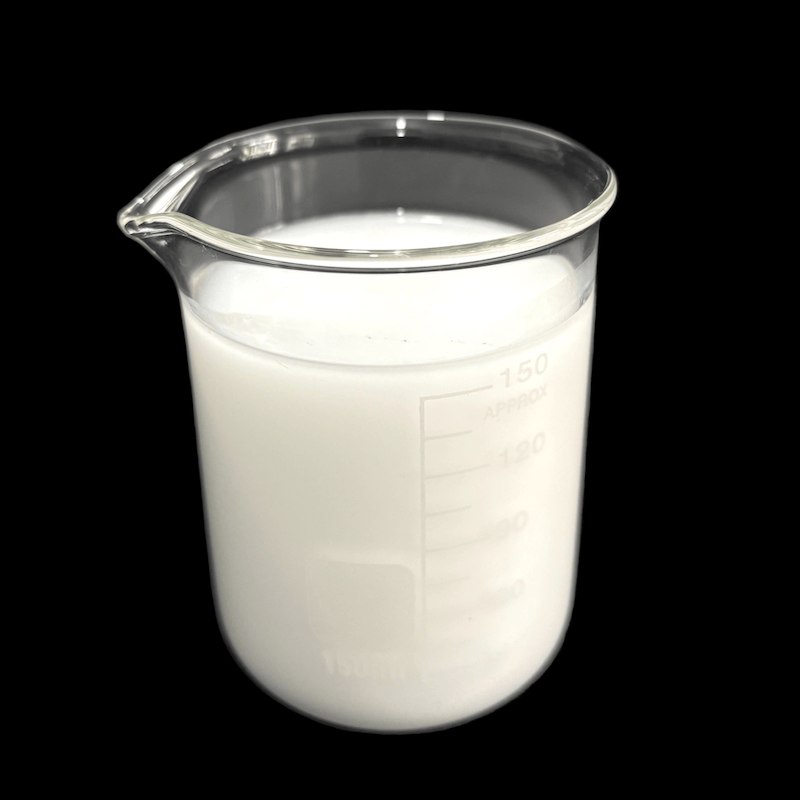
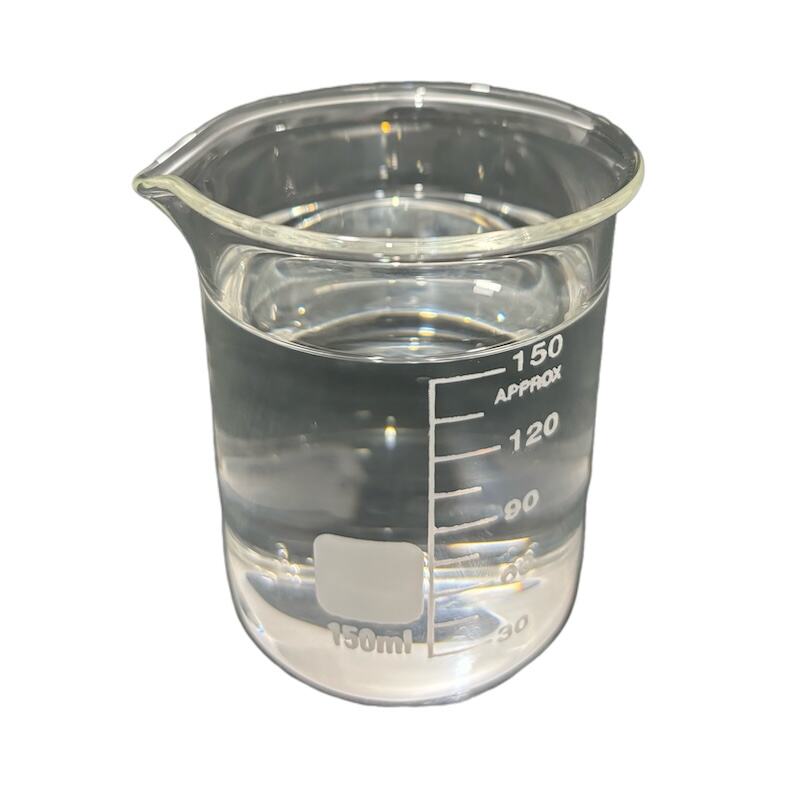
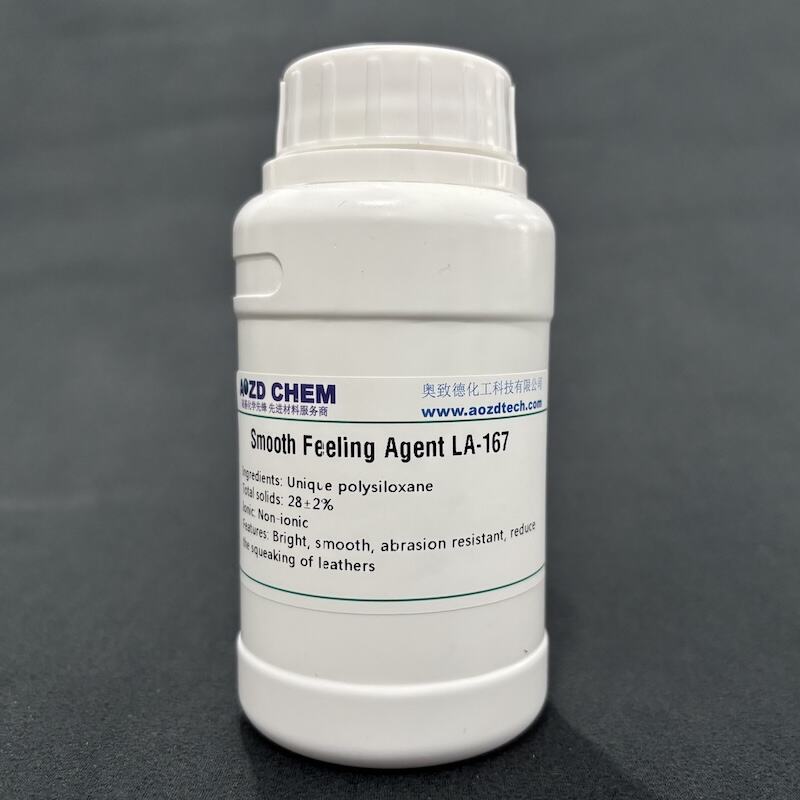
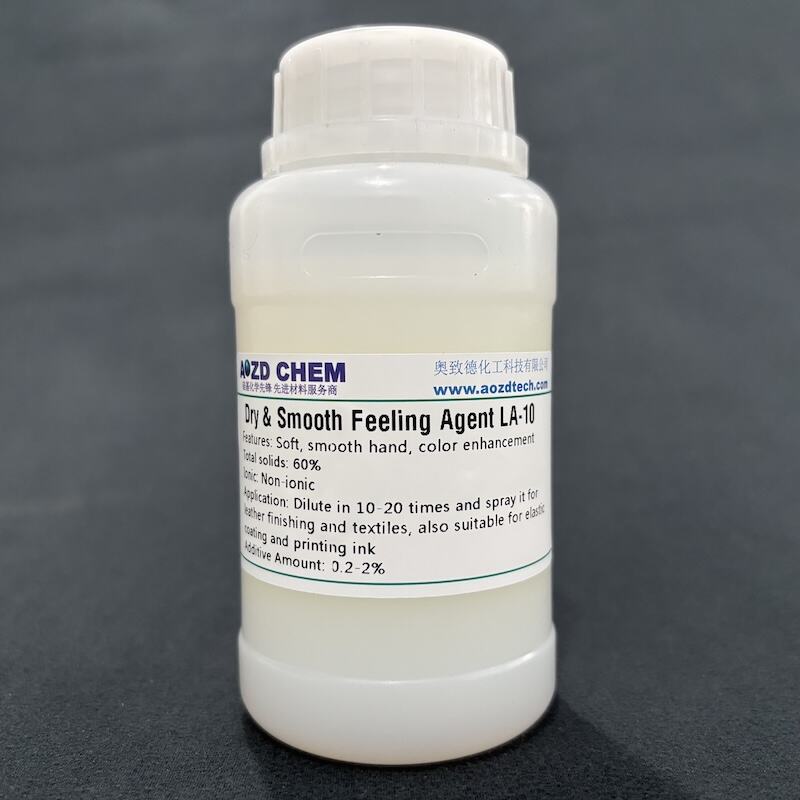
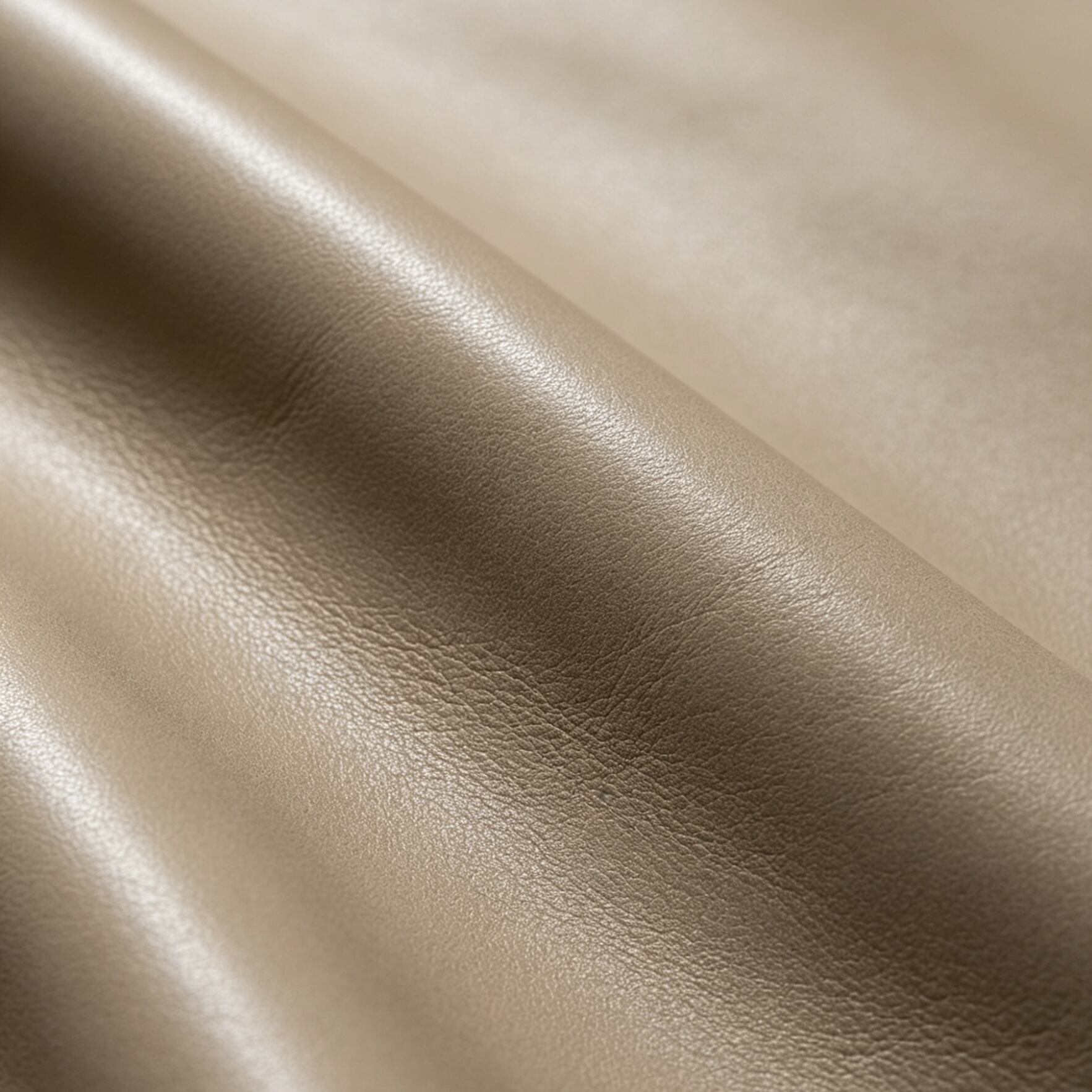
Leather finishing chemicals for polyurethane represent a specialized category of chemical formulations designed to enhance the performance, durability, and aesthetic appeal of polyurethane-coated leather products. These sophisticated chemical systems work as essential components in modern leather manufacturing, providing superior surface treatment solutions that meet the demanding requirements of contemporary leather goods. The primary function of leather finishing chemicals for polyurethane involves creating protective barriers that shield leather surfaces from environmental damage, mechanical wear, and chemical deterioration. These formulations incorporate advanced polymer technology to deliver exceptional adhesion properties, ensuring long-lasting bonds between the polyurethane coating and the leather substrate. The technological features of leather finishing chemicals for polyurethane include excellent flexibility retention, superior UV resistance, and outstanding color stability. These chemicals maintain their performance characteristics across a wide temperature range, making them suitable for diverse climatic conditions and applications. The formulations demonstrate remarkable resistance to cracking, peeling, and color fading, which are common issues in traditional leather finishing processes. Modern leather finishing chemicals for polyurethane utilize crosslinking agents that create three-dimensional polymer networks, resulting in enhanced mechanical properties and chemical resistance. The applications of leather finishing chemicals for polyurethane span across multiple industries, including automotive upholstery, furniture manufacturing, fashion accessories, and footwear production. In automotive applications, these chemicals provide the necessary durability to withstand constant use, temperature fluctuations, and exposure to various automotive fluids. Furniture manufacturers rely on leather finishing chemicals for polyurethane to create surfaces that resist staining, scratching, and everyday wear. The fashion industry utilizes these formulations to achieve specific aesthetic effects while maintaining the natural feel and breathability of leather. These versatile chemicals enable manufacturers to produce leather goods that combine traditional craftsmanship with modern performance standards, meeting consumer expectations for both quality and longevity.

 EN
EN