
 EN
EN
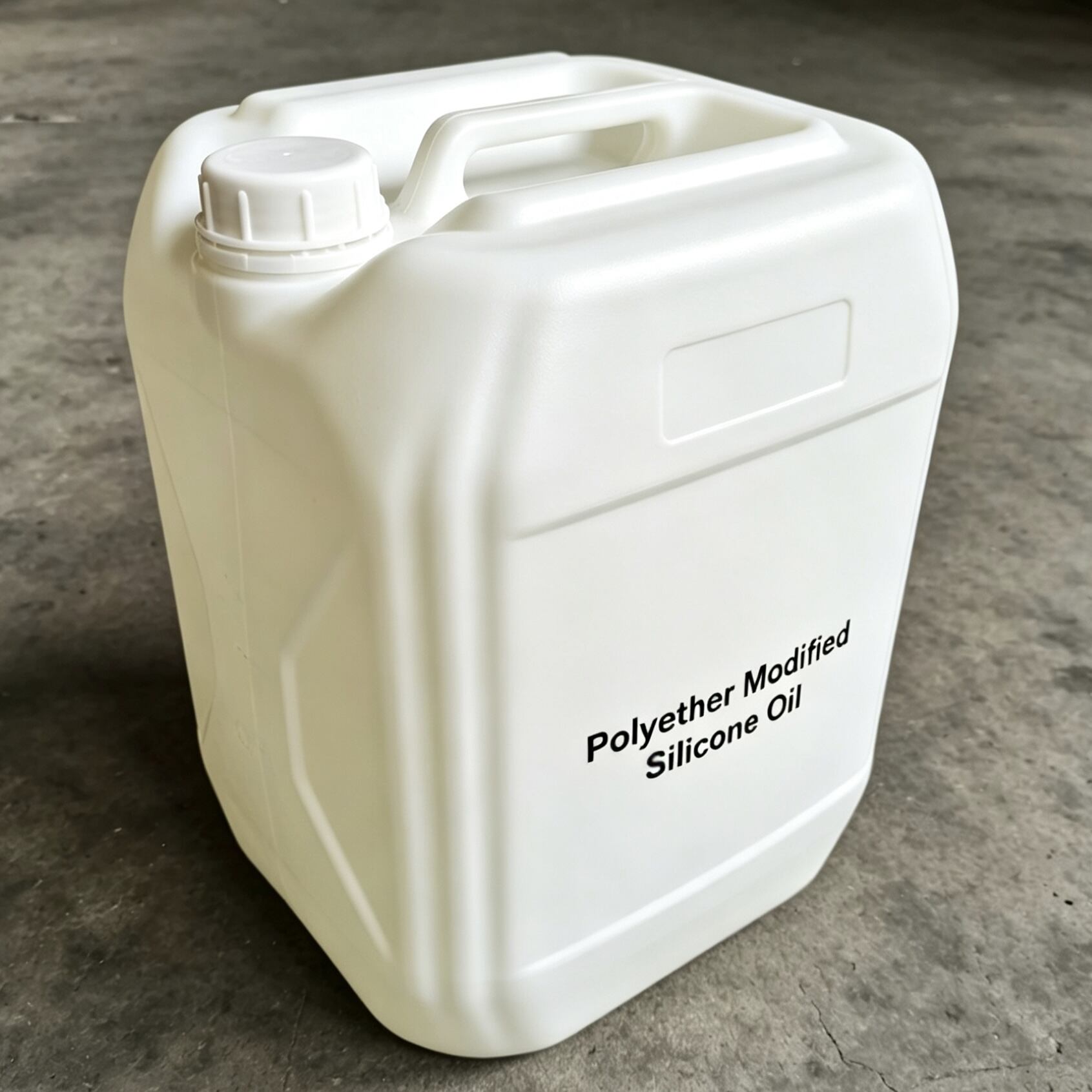
Pigment dispersion is one of the most technically demanding challenges in coatings, inks, and personal care formulation. Achieving a stable, fine, and uniform distribution of pigment particles determines not only the visual quality of a final product but also its performance longevity and application consistency. Among the various additives used to enhance this process, polyether modified silicone has emerged as a particularly effective and versatile solution. Its unique molecular architecture allows it to interact with both pigment surfaces and carrier media in ways that conventional surfactants and dispersants simply cannot replicate.
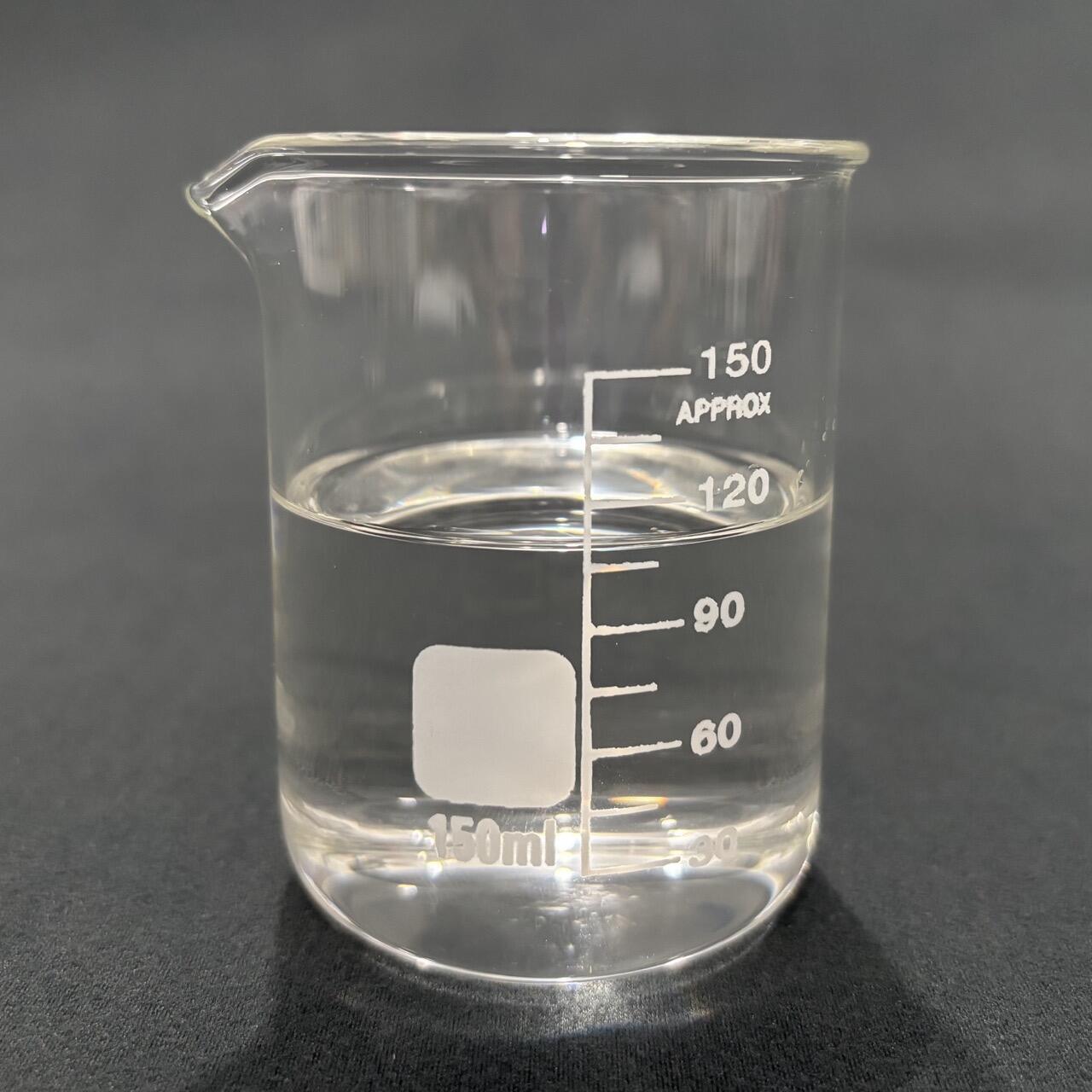
Understanding how polyether modified silicone works to improve pigment dispersion requires examining its chemistry, its interfacial behavior, and the practical outcomes it enables at different stages of the manufacturing process. This article walks through the mechanism, the application context, the selection logic, and the real-world performance benefits that formulation chemists and production engineers need to know. Whether you are working with solvent-borne industrial coatings, waterborne architectural paints, or pigmented personal care products, the role of polyether modified silicone in your dispersion system deserves close attention.
The Structural Foundation of Polyether Modified Silicone
How the Molecular Architecture Is Built
Polyether modified silicone is synthesized by grafting or copolymerizing polyether chains — typically polyethylene oxide, polypropylene oxide, or their combinations — onto a siloxane backbone. This produces a molecule that is fundamentally amphiphilic: the siloxane segment provides hydrophobic, low-surface-energy character, while the polyether segment introduces hydrophilicity or intermediate polarity depending on the ethylene oxide to propylene oxide ratio. This structural duality is precisely what makes polyether modified silicone so useful in dispersion applications.
The siloxane backbone imparts excellent flexibility, thermal stability, and an unusually low surface tension compared to purely organic polymers. When this backbone is modified with polyether chains, the resulting compound can orient itself at interfaces between phases — between pigment surfaces and binders, between hydrophobic and hydrophilic domains — in a controlled and efficient manner. This interfacial orientation is the core mechanism through which polyether modified silicone delivers its dispersion benefits.
The molecular weight, chain length, and degree of polyether modification can all be tuned during synthesis. Higher ethylene oxide content increases water compatibility and foam stabilization tendencies, while higher propylene oxide content pushes the molecule toward better compatibility with organic systems. Formulators working with polyether modified silicone therefore have access to a range of grades that can be matched to their specific pigment chemistry and carrier system.
Why Siloxane Backbone Matters for Pigment Surfaces
Pigment particles — whether organic colorants, inorganic oxides, or carbon blacks — carry surface energies and functional groups that influence how they interact with surrounding media. Many pigments are prone to aggregation because their surface energy drives them to minimize contact with incompatible carrier phases. The siloxane portion of polyether modified silicone can adsorb onto these surfaces, reducing their tendency to agglomerate by creating a low-energy, mobile interface around each particle.
This adsorption is particularly effective on pigment surfaces that carry hydroxyl or other polar groups, which are common in inorganic pigments such as titanium dioxide, iron oxides, and zinc oxide. The polyether chains then extend into the surrounding medium, providing steric stabilization that keeps particles separated. This combination of surface adsorption and steric repulsion is the two-step mechanism by which polyether modified silicone prevents re-agglomeration after the initial grinding or dispersion step.
Mechanism of Improved Pigment Dispersion
Wetting Enhancement at the Pigment-Binder Interface
Effective pigment dispersion starts with efficient wetting. Before particles can be broken down and separated, the liquid phase must displace any air or moisture trapped at the pigment surface and fully penetrate into aggregates. This requires a low dynamic surface tension in the liquid phase, and this is precisely where polyether modified silicone excels. Its presence in a formulation reduces the surface tension of the wet system, allowing the binder or carrier fluid to spread rapidly across pigment surfaces and penetrate tightly packed aggregates.
Conventional wetting agents based on fluorosurfactants or alkyl ethoxylates can reduce surface tension, but they often lack the ability to simultaneously stabilize the dispersion once particles are separated. Polyether modified silicone addresses both steps — it wets the pigment surface efficiently and, through its polyether chains, provides the steric barrier that maintains particle separation afterward. This dual function reduces the amount of additive needed overall and simplifies formulation work.
In waterborne systems, the reduction in surface tension provided by polyether modified silicone is especially valuable because water's naturally high surface tension creates significant resistance to wetting of many pigment surfaces. A well-chosen polyether modified silicone grade can bring the surface tension of a waterborne formulation down to levels approaching those of solvent-borne systems, dramatically improving wetting kinetics and grinding efficiency.
Steric Stabilization and Prevention of Flocculation
After initial wetting and mechanical dispersion, the critical challenge is keeping particles separated during storage, mixing, and application. Pigment particles dispersed to fine sizes carry high surface area and correspondingly high surface energy, driving them to re-aggregate unless an effective stabilization mechanism is in place. Polyether modified silicone achieves stabilization primarily through steric repulsion: the polyether chains anchored to the pigment surface extend into the surrounding liquid, creating an entropic barrier that prevents particles from approaching closely enough to aggregate.
This steric stabilization mechanism differs fundamentally from electrostatic stabilization. Electrostatic approaches depend on surface charge and are sensitive to changes in ionic strength, pH, and electrolyte concentration. Steric stabilization via polyether modified silicone is robust across a much wider range of formulation conditions. This makes it particularly valuable in industrial coating systems where formulation variables can shift significantly, or in high-pigment-load systems where maintaining colloidal stability is otherwise difficult.
The chain length and density of the polyether modification directly influence the effectiveness of steric stabilization. Longer polyether chains create a thicker protective layer around each pigment particle, improving resistance to flocculation under shear and thermal stress. Formulators selecting a polyether modified silicone grade for high-performance dispersion applications should pay close attention to these molecular parameters when comparing available options.
Application Scenarios Where Polyether Modified Silicone Makes a Measurable Difference
Waterborne Coatings and Architectural Paints
Waterborne coatings present some of the most demanding conditions for pigment dispersion. The aqueous phase naturally resists wetting of hydrophobic pigments, and the absence of organic solvents means there is less intrinsic compatibility between the binder and many pigment surfaces. Polyether modified silicone is particularly effective in these systems because its ethylene-oxide-rich polyether chains are fully compatible with water while the siloxane backbone drives adsorption onto pigment surfaces.
In architectural paints, titanium dioxide is the dominant pigment, and its dispersion quality directly affects hiding power, whiteness, and gloss. Adding a suitable grade of polyether modified silicone to the grind stage of production results in finer particle size distribution, better tint strength, and improved color development. Downstream effects include better flow and leveling during application and reduced risk of viscosity instability during shelf storage.
Color pigments — phthalo blues, organic reds, carbon blacks — benefit similarly from polyether modified silicone in waterborne systems. These pigments are notoriously prone to hard sediment and floating when dispersed in water-based media. The steric stabilization mechanism provided by polyether modified silicone significantly reduces both phenomena, extending the effective shelf life of tinting bases and pre-dispersed pigment preparations.
Printing Inks and Digital Ink Applications
In printing ink formulation, pigment particle size distribution and dispersion stability directly determine print quality, color density, and nozzle reliability in digital applications. Inkjet inks in particular require extremely fine and stable pigment dispersions — particle sizes above a few hundred nanometers risk nozzle blockage and inconsistent jetting. Polyether modified silicone contributes to achieving these tight particle size targets by improving wetting during milling and maintaining particle separation afterward.
Offset and flexographic inks also benefit from polyether modified silicone in terms of flow behavior on press. A well-dispersed ink transfers more cleanly, shows less dot gain, and produces sharper print definition. The low surface tension character of polyether modified silicone additionally contributes to better substrate wetting, which is important when printing on low-energy surfaces such as treated films and foils.
In UV-curable inks, where reactive acrylate monomers make up the carrier phase, polyether modified silicone grades with appropriate compatibility to acrylate systems help achieve better pigment wetting before cure. This results in higher color strength per unit of pigment, which has direct cost implications in ink manufacturing.
Personal Care and Cosmetic Formulations
Pigmented cosmetics — foundations, mascaras, eyeshadows, sunscreens — require smooth, uniform pigment dispersions that are stable, skin-compatible, and aesthetically acceptable. Polyether modified silicone is widely used in this category because its silicone component is biocompatible and provides a pleasant skin feel, while its polyether component allows it to function effectively in both oil-in-water and water-in-oil emulsion systems.
In foundations and BB creams, even dispersion of titanium dioxide and iron oxide pigments determines color accuracy and coverage uniformity. Polyether modified silicone helps achieve the fine, stable dispersions needed for consistent shade matching across batches. Its compatibility with both silicone fluids and ester-based carriers makes it adaptable to a wide range of cosmetic base formulations.
Selecting the Right Grade of Polyether Modified Silicone for Dispersion Optimization
Matching Hydrophilicity to the Carrier System
Not all grades of polyether modified silicone perform equally in all carrier systems. The ratio of ethylene oxide to propylene oxide in the polyether chain determines how hydrophilic or hydrophobic the molecule is overall, and this must be matched to the polarity of the carrier phase. In highly aqueous systems, grades with a high ethylene oxide ratio deliver better compatibility and more efficient surface activity. In semi-polar or solvent-borne systems, a higher propylene oxide content may be more appropriate to avoid phase separation or bloom.
The viscosity and molecular weight of the polyether modified silicone also influence processing behavior. High molecular weight grades tend to provide better steric stabilization but may require careful blending to avoid affecting formulation viscosity excessively. Lower molecular weight grades disperse more easily but may need to be used at slightly higher levels to achieve equivalent stabilization. Matching these parameters to your specific formulation conditions is the key to unlocking the full dispersion benefit.
Dose Rate and Process Integration
The point of addition and dose rate of polyether modified silicone in the manufacturing process both influence its effectiveness. For dispersion applications, adding the material at the pre-mix or grind stage — before or during mechanical dispersing — allows it to wet pigment surfaces early and participate actively in the breakdown of aggregates. Adding it only at the letdown stage limits its contribution to post-dispersion stabilization, which may be sufficient in some cases but not in others.
Typical use levels for polyether modified silicone in dispersion applications range from 0.1% to 1.0% by weight of total formulation, depending on the pigment loading, pigment type, and desired performance outcome. Over-dosing can lead to foam stability issues in waterborne systems or surface defects in coatings, so dose optimization through small-scale trials is recommended when introducing polyether modified silicone into a new formulation.
Compatibility testing with other formulation components — particularly other surfactants, defoamers, and rheology modifiers — is also advisable. Polyether modified silicone is generally compatible with a wide range of additives, but interactions can occur at high concentrations or in specific combinations that affect surface tension behavior and foam response.
Performance Outcomes and Formulation Benefits
Color Strength, Gloss, and Optical Consistency
When pigment dispersion quality improves, the optical performance of the final product improves proportionally. Finer particle size means more surface area per unit of pigment is available to absorb or scatter light, which translates directly into higher color strength, better hiding power, and deeper chroma. Formulators using polyether modified silicone consistently report improvements in tint strength and color development when it is incorporated into the grind stage, often allowing a reduction in pigment loading without sacrificing color performance.
Gloss in coatings is also directly linked to dispersion quality. Coarse particles or agglomerates scatter light and reduce gloss values measurably. By achieving finer and more uniform dispersions, polyether modified silicone contributes to higher 20° and 60° gloss readings in finished coatings. This is particularly relevant in automotive refinish, industrial maintenance coatings, and decorative high-gloss applications where gloss specification compliance is a quality requirement.
Storage Stability and Application Performance
Dispersion stability over time is as important as initial dispersion quality. A pigment that is well-dispersed after production but flocculates during storage creates serious manufacturing and quality control problems. Polyether modified silicone contributes to long-term storage stability by maintaining the steric barrier around particles even as the formulation ages, thermally cycles, or undergoes minor pH or electrolyte shifts.
Improved dispersion stability also translates into more consistent application performance. Paints and inks that maintain their pigment dispersion state up to the point of use show more predictable viscosity, better leveling, and more uniform color development on the substrate. These downstream benefits of polyether modified silicone use create real value in manufacturing environments where product consistency and batch-to-batch reproducibility are business priorities.
FAQ
At what stage of production should polyether modified silicone be added to improve dispersion?
For maximum dispersion benefit, polyether modified silicone should ideally be added at the pre-mix or grind stage, before or during mechanical dispersing. This allows it to wet pigment surfaces early, facilitate aggregate breakdown, and begin building the steric stabilization layer. Adding it at the letdown stage is an option for improving post-dispersion stability but is generally less effective for initial particle size reduction.
Can polyether modified silicone be used in both waterborne and solvent-borne systems?
Yes. Polyether modified silicone is available in grades suited to both waterborne and solvent-borne systems. Grades with higher ethylene oxide content are better suited to aqueous media, while grades with higher propylene oxide content or lower HLB values are more compatible with organic carrier systems. Selecting the correct grade for your specific medium is essential to achieving the intended dispersion performance.
Does polyether modified silicone affect surface tension and leveling in coatings?
Polyether modified silicone does reduce surface tension in formulated systems, and this property is actually one of the mechanisms through which it improves pigment wetting. In coatings, this surface tension reduction can also contribute to better leveling and flow. However, formulators should monitor dose levels carefully, as excessive amounts can lead to foam stability or surface slip issues depending on the specific grade and formulation context.
How does polyether modified silicone compare to traditional dispersants in terms of stabilization mechanism?
Traditional dispersants often work primarily through electrostatic repulsion, which can be disrupted by changes in ionic strength or pH. Polyether modified silicone stabilizes dispersions through steric repulsion, which is inherently more robust across a wider range of formulation conditions. This makes polyether modified silicone especially useful in complex systems where multiple ionic species are present or where formulation pH may vary, as well as in high-solids and high-pigment-load applications where electrostatic approaches may be less effective.
Table of Contents
- The Structural Foundation of Polyether Modified Silicone
- Mechanism of Improved Pigment Dispersion
- Application Scenarios Where Polyether Modified Silicone Makes a Measurable Difference
- Selecting the Right Grade of Polyether Modified Silicone for Dispersion Optimization
- Performance Outcomes and Formulation Benefits
-
FAQ
- At what stage of production should polyether modified silicone be added to improve dispersion?
- Can polyether modified silicone be used in both waterborne and solvent-borne systems?
- Does polyether modified silicone affect surface tension and leveling in coatings?
- How does polyether modified silicone compare to traditional dispersants in terms of stabilization mechanism?