 EN
EN
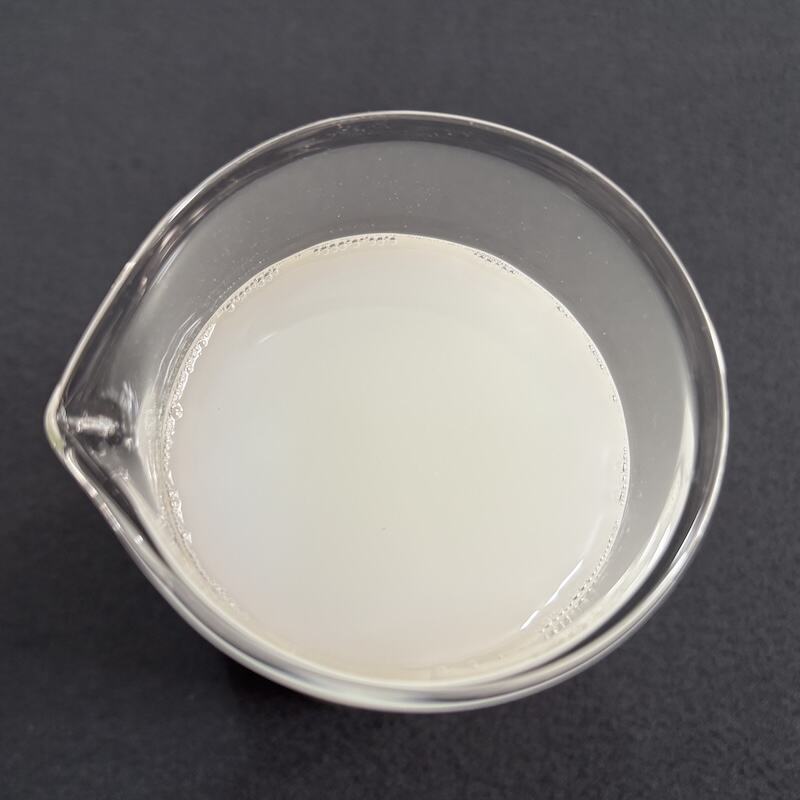
In the world of leather manufacturing, the final appearance, feel, and durability of a product are not determined by the hide alone. The chemical finishing stage is where raw or semi-processed leather is transformed into a market-ready material with specific aesthetic and functional properties. leather finishing chemicals are the agents responsible for this transformation, and when they perform at a high level, the results go far beyond surface-level gloss or color. High-performance formulations are engineered to deliver consistency, longevity, and technical precision that standard finishing agents simply cannot match.
Understanding what sets high-performance leather finishing chemicals apart requires looking at their chemistry, their interaction with the leather substrate, and the increasingly demanding standards of the end markets they serve. Whether the application is automotive upholstery, luxury footwear, high-end furniture, or fashion accessories, the finishing layer must survive mechanical stress, environmental exposure, and repeated handling while retaining its original character. This article examines the core attributes that define excellence in leather finishing chemicals and explains why these distinctions matter for manufacturers seeking a competitive edge.
The Chemistry Behind Superior Leather Finishing Chemicals
Polymer Architecture and Film Formation
At the heart of any high-performance leather finishing chemical is its polymer system. The way polymers are structured at the molecular level determines the mechanical properties of the finishing film once it cures on the leather surface. Premium formulations typically employ acrylic, polyurethane, or hybrid polymer systems designed to form films that are simultaneously flexible and resilient. Standard-grade products often compromise one property for another, producing films that crack under flex or soften under heat.
High-performance leather finishing chemicals are engineered so that their polymer chains have the right balance of hard and soft segments. Hard segments provide structural integrity and resistance to abrasion, while soft segments allow the film to flex with the leather without losing adhesion. This architectural balance is particularly critical in applications like automotive seating, where the leather must endure constant bending, stretching, and temperature fluctuation without surface failure.
Another dimension of polymer architecture is particle size distribution within aqueous dispersions. Finer and more uniform particle sizes allow the finishing film to penetrate micro-irregularities in the grain surface more effectively, resulting in stronger mechanical adhesion and a more even appearance. This is a detail that separates professionally engineered leather finishing chemicals from commodity alternatives.
Cross-Linking Systems and Durability
Cross-linking is a chemical process where polymer chains are bonded to each other through reactive groups, forming a three-dimensional network. In the context of leather finishing chemicals, effective cross-linking dramatically increases resistance to solvents, water, perspiration, and mechanical abrasion. Without adequate cross-linking, even a visually attractive finish will degrade rapidly under real-world use conditions.
High-performance products use cross-linkers that are carefully matched to the base polymer chemistry, ensuring the network forms efficiently under standard curing conditions without requiring extreme processing temperatures. This compatibility between polymer and cross-linker is a hallmark of sophisticated formulation work. Lesser quality leather finishing chemicals often use mismatched systems that result in incomplete cross-linking, leaving residual reactive groups that can cause tackiness, yellowing, or premature failure.
The concentration and distribution of cross-linking agents within the finishing formulation also affect how the final film ages. Well-designed leather finishing chemicals maintain their surface properties over years of use, resisting the micro-cracking and delamination that often afflict lower-grade products after extended service.
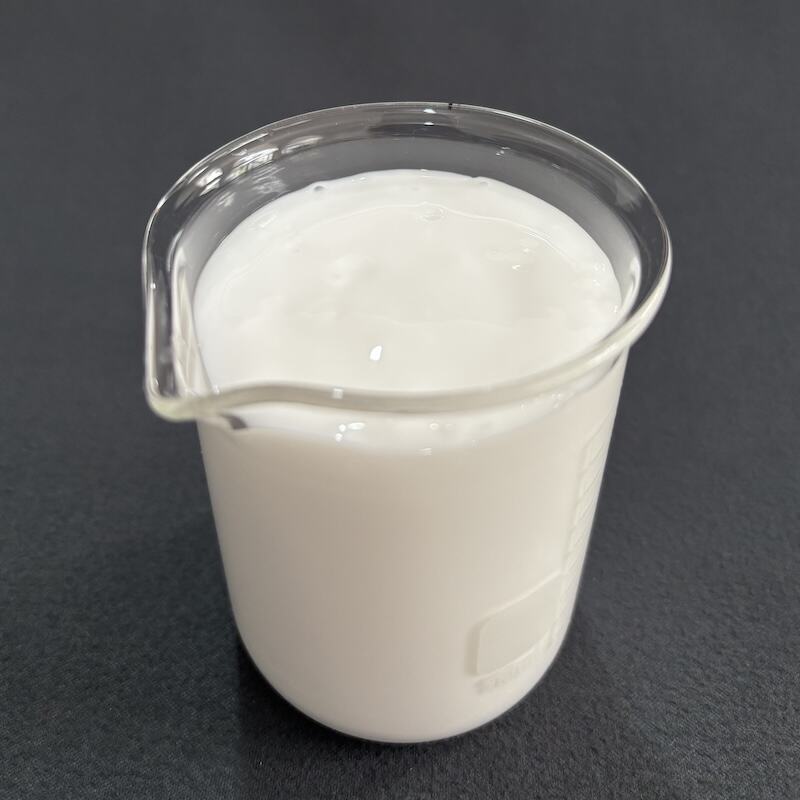
Performance Characteristics That Define High-Quality Leather Finishing Chemicals
Adhesion to Diverse Leather Substrates
One of the most fundamental performance criteria for leather finishing chemicals is adhesion. A finishing layer that cannot bond reliably to the leather substrate will peel, flake, or crack regardless of how impressive its other properties may be. High-performance products are formulated to adhere across a range of substrate conditions, including variations in tannage type, fat liquor content, and surface moisture level.
Adhesion in leather finishing chemicals is achieved through a combination of mechanical interlocking with the grain surface and chemical interaction with the substrate molecules. Premium formulations include functional groups that can form secondary or even primary chemical bonds with collagen fibers or previously applied finishing layers, creating a durable interface that resists delamination under mechanical stress.
The significance of superior adhesion becomes especially clear in multi-layer finishing systems, where each successive layer must bond effectively to the one beneath it. High-performance leather finishing chemicals are designed with interlayer compatibility in mind, ensuring that primer coats, color coats, and topcoats function as an integrated system rather than independent layers that may eventually separate.
Tactile and Aesthetic Precision
High-performance leather finishing chemicals must not only protect the leather but also deliver a defined sensory experience. In premium markets, the handle — the tactile feel of the leather surface — is as commercially important as color accuracy or gloss level. Engineers developing top-tier finishing formulations incorporate additives such as silicone dispersions, wax emulsions, and matting agents with extreme precision to achieve specific surface textures reproducibly.
Silicone-based components within leather finishing chemicals, for example, contribute to surface smoothness and a characteristic soft slip that luxury leather goods buyers expect. The challenge is to incorporate these components at levels that improve handle without compromising adhesion or topcoat anchorage. This balance demands not only sophisticated raw materials but also deep application knowledge accumulated through extensive development work.
Color consistency is another aesthetic dimension where high-performance leather finishing chemicals stand apart. Premium pigment dispersions used in quality finishing systems are milled to fine, uniform particle sizes, ensuring that color expression is stable across production batches and does not shift under UV exposure or thermal cycling. For brand-sensitive applications where color matching to tight specifications is required, this level of formulation control is non-negotiable.
Functional Properties That Elevate Leather Finishing Chemicals Beyond Standard Options
Light Fastness and UV Resistance
Leather products used in automotive interiors, outdoor furniture, or fashion accessories are exposed to ultraviolet radiation that can degrade conventional finishing films rapidly. Yellowing, fading, and chalking are common failure modes for leather finishing chemicals that lack adequate UV protection. High-performance formulations address this by incorporating UV absorbers and hindered amine light stabilizers directly into the finishing matrix.
The integration of light stabilization technology into leather finishing chemicals is not simply a matter of adding any UV-protective ingredient. The stabilizer must be compatible with the polymer system, must not migrate to the surface and be lost through wiping or washing, and must maintain its protective function throughout the service life of the leather. These requirements drive the selection of specialty additives that are substantially more advanced — and more costly — than those found in standard finishing products.
For applications with the highest UV exposure requirements, high-performance leather finishing chemicals may employ synergistic combinations of multiple stabilizer types, creating a protective mechanism that is more robust than any single additive could provide. This multi-mechanism approach to UV protection is a clear indicator of serious formulation engineering.
Moisture and Chemical Resistance
Leather in daily use encounters water, perspiration, cleaning agents, and occasional chemical contamination. Standard leather finishing chemicals may provide adequate short-term resistance, but high-performance products are specifically engineered to maintain their integrity under prolonged or repeated exposure to these challenges. This is particularly relevant for footwear, automotive interiors, and work gloves where contact with moisture and chemicals is frequent.
Moisture resistance in leather finishing chemicals is achieved through careful selection of hydrophobic polymer components and cross-linking chemistry that minimizes the availability of water-absorbing functional groups in the cured film. When the finishing layer absorbs excessive water, it swells, softens, and loses adhesion — outcomes that high-performance formulations are specifically designed to prevent.
Resistance to cleaning agents is another dimension of chemical resistance that premium leather finishing chemicals must address. Many leather care products contain alcohols, surfactants, or mild solvents that can degrade conventional finishing films over time. High-performance formulations are tested against a range of cleaning chemicals to ensure that routine maintenance does not progressively damage the finish.
Formulation Sophistication and Application Flexibility
Compatibility with Modern Application Methods
High-performance leather finishing chemicals must perform reliably across the range of application methods used in modern leather production facilities. These include spray application, roller coating, curtain coating, and brush application, each of which imposes different rheological demands on the finishing formulation. Premium products are engineered to perform consistently across these methods without requiring significant reformulation between application techniques.
Rheological design — the management of how a liquid flows and responds to applied forces — is one of the most technically demanding aspects of developing leather finishing chemicals for professional use. A formulation that is too viscous for spray application may be ideal for roller coating, and vice versa. High-performance products often incorporate rheology modifiers that allow applicators to adjust viscosity within a controlled range without affecting the fundamental chemical performance of the finish.
Application flexibility also extends to compatibility with different types of existing finishing layers. In leather re-finishing and repair applications, the new leather finishing chemicals must adhere to previously applied coatings of unknown composition. High-performance formulations are typically designed with broad compatibility in mind, reducing the risk of adhesion failure when applied over existing finishes.
Environmental and Regulatory Compliance
In today's manufacturing environment, high-performance leather finishing chemicals must also meet increasingly stringent environmental and health regulations. This includes restrictions on volatile organic compound emissions, limits on specific chemical substances under frameworks such as REACH, and requirements for biodegradability or reduced environmental persistence of certain components.
Achieving regulatory compliance without compromising technical performance is one of the defining challenges in developing advanced leather finishing chemicals. High-performance waterborne formulations represent the industry's primary response to this challenge, offering performance characteristics previously associated only with solvent-based systems while dramatically reducing VOC content. This transition requires deep expertise in polymer chemistry and colloid science.
Beyond compliance, environmental responsibility in leather finishing chemicals increasingly drives purchasing decisions among global brands with sustainability commitments. Premium formulations that can demonstrate verified environmental credentials — through third-party certification or published safety data — offer manufacturers a pathway to supply chains that prioritize responsible chemistry alongside technical excellence.
FAQ
What distinguishes high-performance leather finishing chemicals from standard options?
High-performance leather finishing chemicals differ from standard options in their polymer architecture, cross-linking efficiency, adhesion strength, and resistance to UV, moisture, and chemicals. They are engineered through sophisticated formulation work to deliver consistent, durable results across demanding applications, rather than offering only basic surface protection and color coverage.
Why is cross-linking important in leather finishing chemicals?
Cross-linking creates a three-dimensional polymer network within the finishing film, significantly improving resistance to solvents, water, perspiration, and mechanical wear. Without effective cross-linking, leather finishing chemicals produce films that degrade quickly under real-world use. Well-engineered cross-linking systems ensure the finish maintains its properties over the full service life of the leather product.
How do leather finishing chemicals affect the tactile feel of leather?
The tactile feel, or handle, of finished leather is directly influenced by the additives within the leather finishing chemicals, including silicone dispersions, wax emulsions, and matting agents. These components are carefully balanced to deliver the desired smoothness, slip, or grip characteristics without compromising adhesion or long-term durability. Premium formulations give manufacturers precise control over surface feel to meet the expectations of specific end markets.
Are high-performance leather finishing chemicals compatible with environmental regulations?
Yes. Leading high-performance leather finishing chemicals are increasingly formulated as waterborne systems that meet VOC restrictions and comply with chemical safety regulations such as REACH. Achieving this compliance while maintaining technical excellence requires advanced polymer chemistry and rigorous formulation development, but it is a standard expectation for premium products supplied into regulated global markets.
Table of Contents
- The Chemistry Behind Superior Leather Finishing Chemicals
- Performance Characteristics That Define High-Quality Leather Finishing Chemicals
- Functional Properties That Elevate Leather Finishing Chemicals Beyond Standard Options
- Formulation Sophistication and Application Flexibility
-
FAQ
- What distinguishes high-performance leather finishing chemicals from standard options?
- Why is cross-linking important in leather finishing chemicals?
- How do leather finishing chemicals affect the tactile feel of leather?
- Are high-performance leather finishing chemicals compatible with environmental regulations?