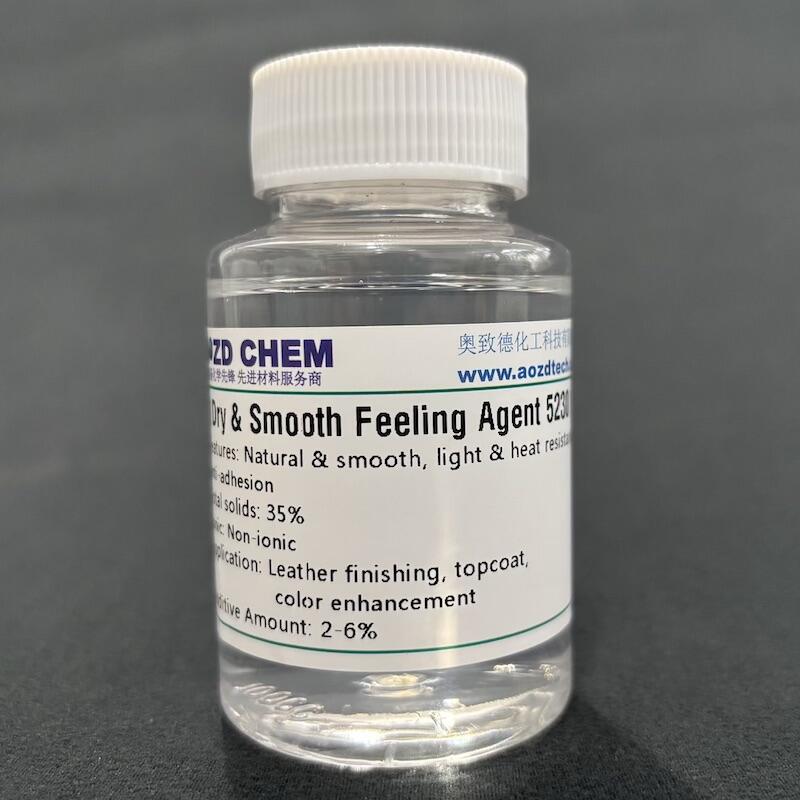
Advanced Leather Processing Chemicals: Innovative Solutions for Superior Leather Manufacturing

All Categories

Get a Free Quote

Our representative will contact you soon.
Email
Name
Company Name
Whatsapp
Message
0/1000

chemical used in leather industry

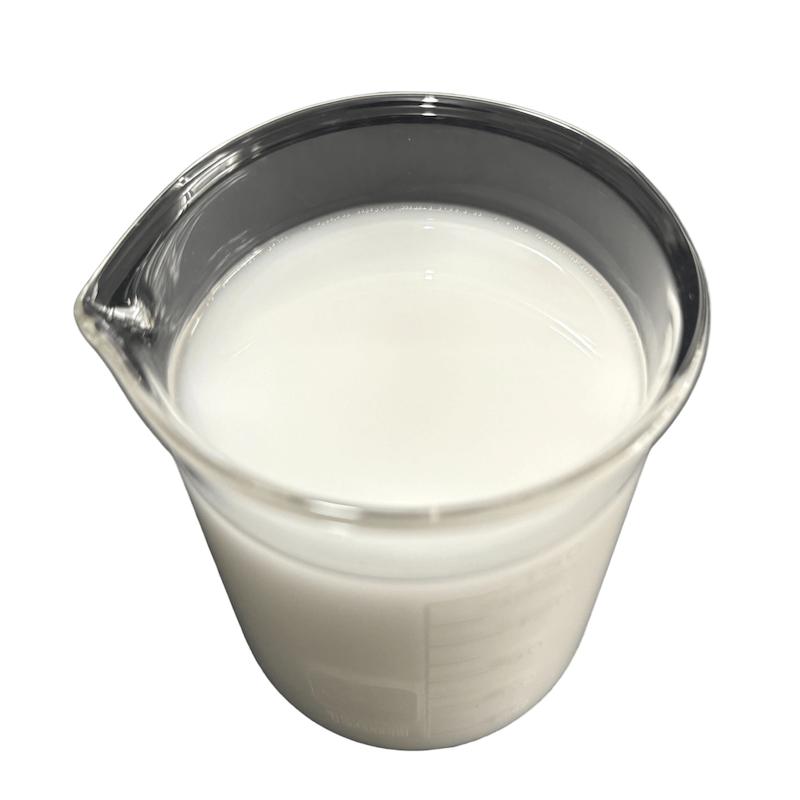
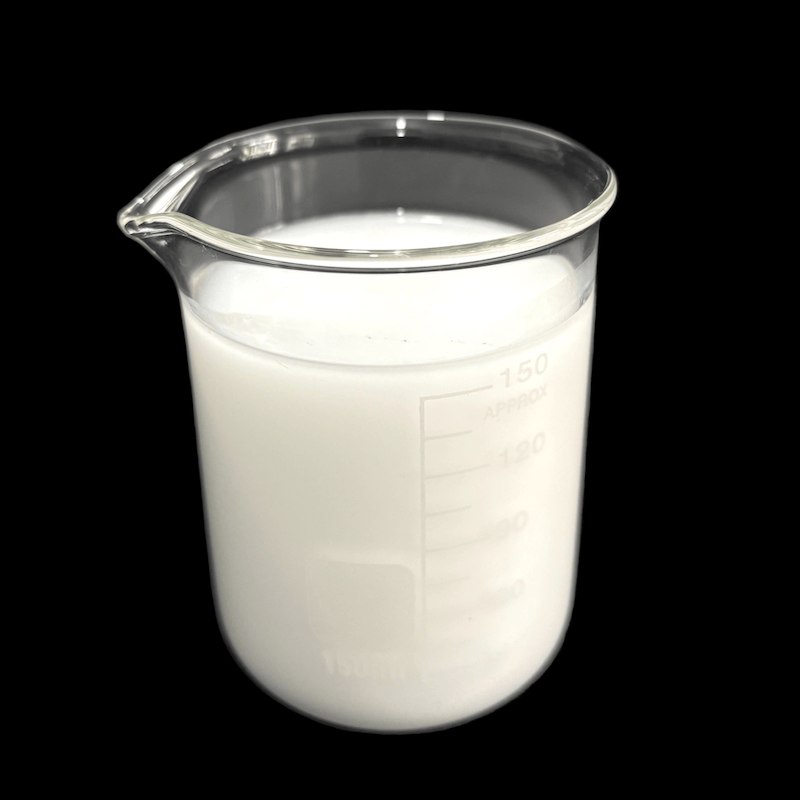
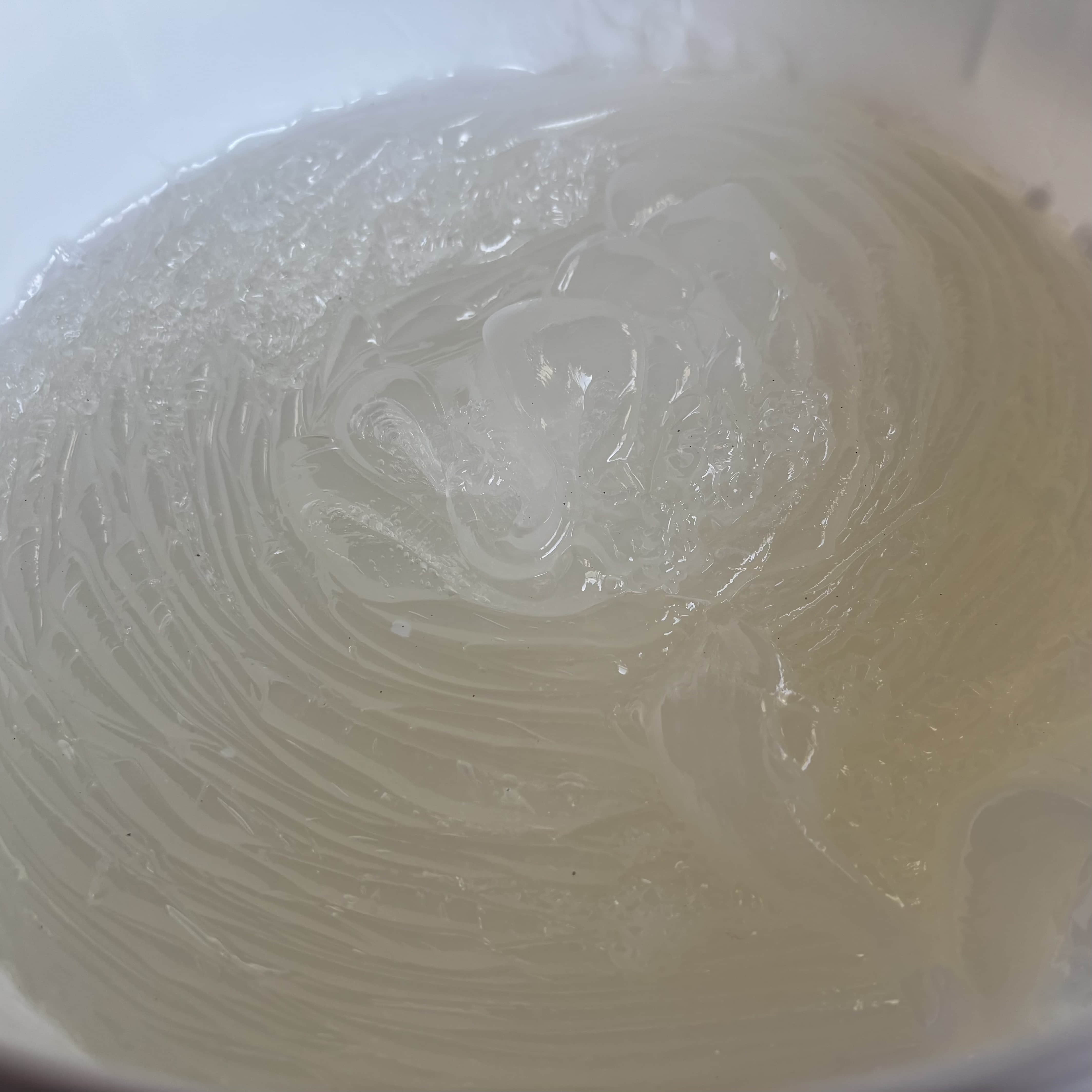
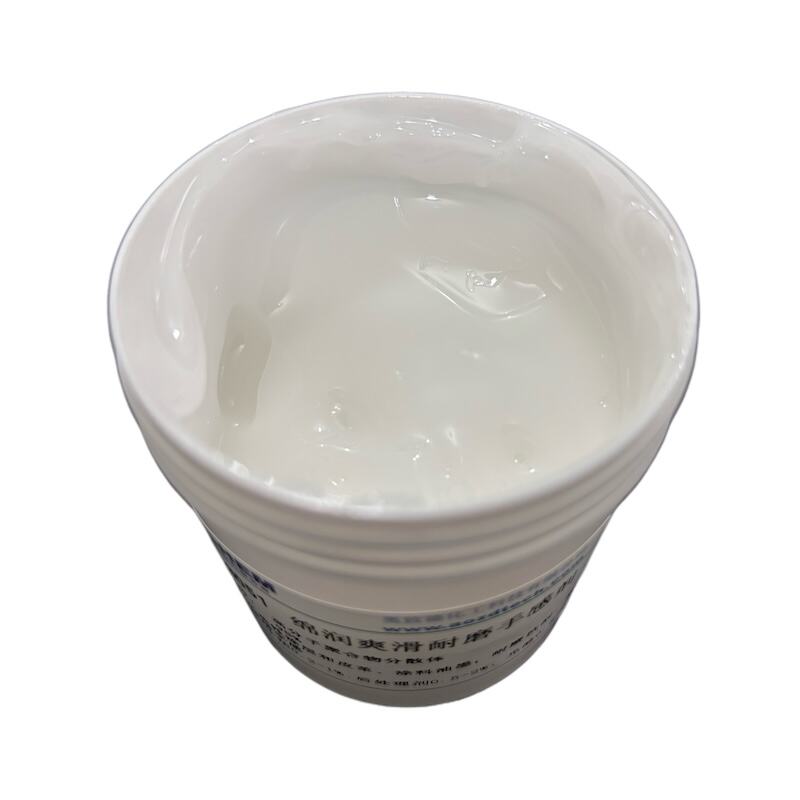
Chemicals used in the leather industry play a crucial role in transforming raw hides into finished leather products. These essential compounds encompass a wide range of substances, including tanning agents, dyes, finishing chemicals, and processing aids. Chrome tanning agents remain the most widely used chemicals, accounting for approximately 80% of leather production worldwide. These chemicals facilitate various processes such as soaking, liming, deliming, bating, pickling, tanning, and finishing. Modern leather processing chemicals are designed to optimize leather quality while minimizing environmental impact. They enhance leather characteristics such as softness, durability, water resistance, and color fastness. Advanced surfactants and enzymes are employed in the pre-tanning stages to ensure proper cleaning and preparation of hides. Specialized fatliquoring agents provide the necessary lubrication and flexibility to the leather fibers. Additionally, various finishing chemicals, including pigments, binders, and top coats, contribute to the final appearance and performance properties of leather products. The industry has seen significant developments in eco-friendly alternatives, including vegetable tanning agents and biodegradable processing chemicals.

New Product Recommendations

The chemicals used in leather processing offer numerous advantages that make them indispensable in modern leather manufacturing. First, they significantly improve the physical properties of leather, ensuring superior durability and resistance to wear and tear. These chemicals enable precise control over leather characteristics, allowing manufacturers to produce consistent quality across different batches. Modern leather processing chemicals are specifically formulated to enhance the natural properties of leather while adding desirable features such as water resistance and color stability. They also facilitate faster processing times, increasing production efficiency and reducing operational costs. Advanced chemical formulations help in achieving better penetration and distribution throughout the leather structure, resulting in uniform treatment and superior quality. Environmental considerations have led to the development of chemicals with reduced water consumption and lower environmental impact. These newer formulations often require lower dosages while achieving better results, leading to cost savings and reduced chemical waste. The chemicals also play a crucial role in preventing leather degradation and extending product lifespan. They enable the creation of specialized leather types for specific applications, from automotive upholstery to high-fashion accessories. Modern leather chemicals also contribute to improved workplace safety through reduced volatile organic compound emissions and better handling properties.

Tips And Tricks

How Vortex Spinning Oil Enhances Fiber Production

26

Nov

How Vortex Spinning Oil Enhances Fiber Production

Introduction Oils are essential in the textile manufacturing process, helping fibers move smoothly through machinery and ultimately producing better quality fabric. Of all the different types available, Vortex Spinning Oil has become something of a ...
View More
High-End Leather Feel Modifiers: Enhancing Product Appeal

26

Nov

High-End Leather Feel Modifiers: Enhancing Product Appeal

Understanding High-End Leather Feel Modifiers Leather feel modifiers for high end products are basically special treatments that get applied to leather goods to make them nicer to touch and look at overall. These treatments really bump up how good q...
View More
How Expandable Microspheres Revolutionize Material Science

26

Nov

How Expandable Microspheres Revolutionize Material Science

Understanding Expandable Microspheres in Material Science Expandable microspheres consist of tiny polymer particles capable of expanding when heated. When this happens, it creates materials that weigh less while still providing good insulation again...
View More
Unlocking Potential: The Power of Additives in Modern Manufacturing

26

Nov

Unlocking Potential: The Power of Additives in Modern Manufacturing

Understanding Additives in Modern Manufacturing Additives play a vital role in modern manufacturing processes across various industries. They're basically substances mixed into materials to boost performance in ways the base material just can't do o...
View More

Get a Free Quote

Our representative will contact you soon.
Email
Name
Company Name
Whatsapp
Message
0/1000

chemical used in leather industry

Enhanced Processing Efficiency and Quality Control

Enhanced Processing Efficiency and Quality Control

Modern leather processing chemicals have revolutionized the manufacturing workflow by introducing unprecedented levels of control and efficiency. These advanced formulations enable precise manipulation of leather properties at every stage of production. The chemicals facilitate optimal penetration and distribution throughout the hide structure, ensuring uniform treatment and consistent results. This level of control allows manufacturers to achieve specific physical and aesthetic properties consistently across different batches. The enhanced efficiency results in shorter processing times, reduced water consumption, and lower energy requirements. Additionally, these chemicals enable better quality control through standardized processes and measurable outcomes, making it easier to maintain product specifications and meet customer requirements.
Environmental Sustainability and Compliance

Environmental Sustainability and Compliance

The latest generation of leather processing chemicals represents a significant advancement in environmental sustainability. These formulations are designed to minimize environmental impact while maintaining high performance standards. They feature reduced heavy metal content, lower BOD and COD values, and improved biodegradability. Many modern chemicals are compliant with international environmental regulations such as REACH and various eco-certification standards. The use of these environmentally conscious chemicals helps leather manufacturers meet increasingly stringent environmental regulations while reducing their ecological footprint. This aspect is particularly important for companies targeting environmentally conscious consumers and markets with strict environmental regulations.
Superior Performance and Versatility

Superior Performance and Versatility

Contemporary leather processing chemicals deliver exceptional performance across various applications and end-uses. These chemicals enable the creation of leather with superior physical properties, including enhanced tensile strength, tear resistance, and flexibility. They provide excellent color fastness and uniformity, crucial for high-end fashion and automotive applications. The chemicals also enable the development of specialized leather types with specific properties such as water resistance, breathability, or flame retardance. This versatility allows manufacturers to meet diverse market demands and create innovative leather products. The advanced formulations ensure long-lasting performance and maintain the leather's aesthetic appeal throughout its lifecycle.

Get a Free Quote

Our representative will contact you soon.
Email
Name
Company Name
Whatsapp
Message
0/1000