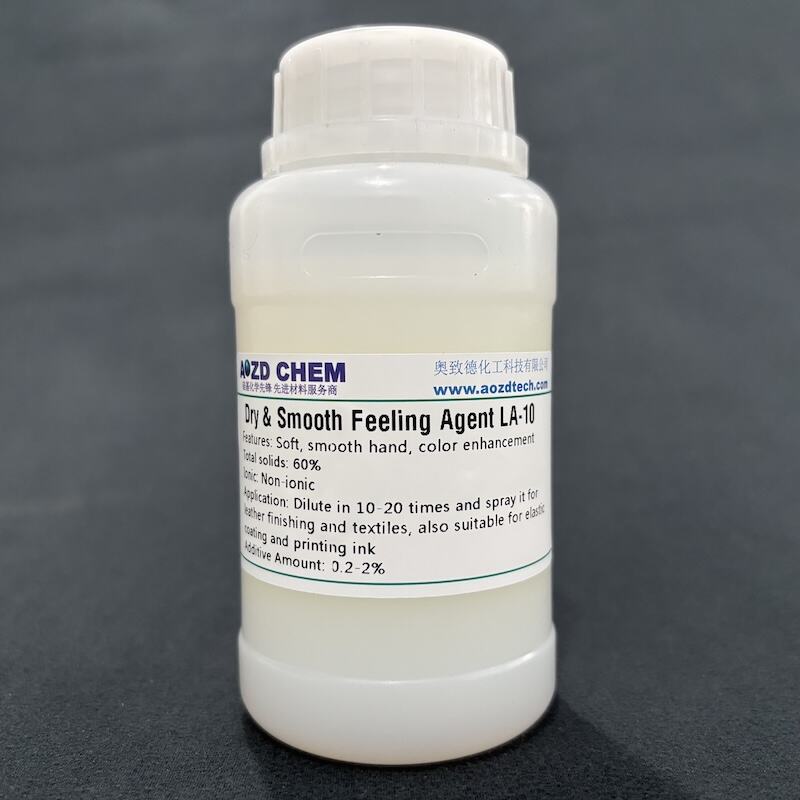
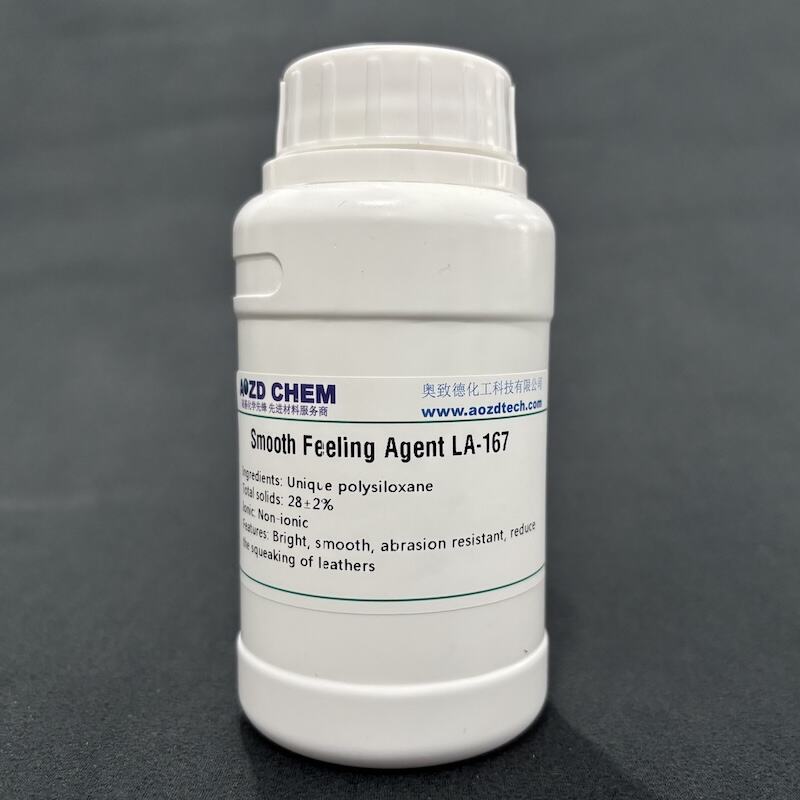
Premium Leather Finishing Chemicals for Artificial Leather - Advanced Surface Enhancement Solutions

All Categories

Get a Free Quote

Our representative will contact you soon.
Email
Name
Company Name
Whatsapp
Message
0/1000

leather finishing chemicals for artificial leather

Leather finishing chemicals for artificial leather represent a sophisticated category of specialized formulations designed to enhance the performance, aesthetics, and durability of synthetic leather materials. These chemicals serve multiple critical functions in the manufacturing process, transforming basic synthetic substrates into high-quality artificial leather products that closely mimic genuine leather characteristics. The primary functions include surface enhancement, texture development, color stabilization, and protective coating application. These finishing chemicals work by creating uniform surface properties, improving tactile qualities, and establishing long-lasting visual appeal that meets consumer expectations for premium synthetic leather goods. Technological features of leather finishing chemicals for artificial leather encompass advanced polymer chemistry, controlled viscosity properties, and precise adhesion characteristics. Modern formulations utilize cutting-edge emulsion technology, cross-linking agents, and specialized additives that ensure optimal penetration and bonding with synthetic substrates. The chemicals are engineered to provide consistent application properties, enabling manufacturers to achieve repeatable results across large production volumes. Temperature resistance, UV stability, and chemical compatibility are key technological aspects that distinguish professional-grade finishing chemicals from standard alternatives. Applications span numerous industries including automotive upholstery, furniture manufacturing, fashion accessories, footwear production, and decorative materials. In automotive applications, leather finishing chemicals for artificial leather must meet stringent durability requirements, withstanding temperature fluctuations, wear resistance, and environmental exposure. Furniture manufacturers rely on these chemicals to create surfaces that maintain their appearance under daily use while providing easy maintenance characteristics. Fashion and footwear industries utilize specialized formulations that offer flexibility, breathability, and aesthetic versatility. The versatility of leather finishing chemicals for artificial leather enables customization of surface properties, allowing manufacturers to create products ranging from high-gloss finishes to natural matte textures, meeting diverse market demands across multiple sectors.

New Product Recommendations

Leather finishing chemicals for artificial leather deliver substantial cost savings compared to genuine leather processing while maintaining comparable quality standards. Manufacturers can significantly reduce material costs without compromising the final product's appearance or performance characteristics. These chemicals enable consistent quality control throughout production processes, eliminating the natural variations inherent in genuine leather materials. Production efficiency increases dramatically as synthetic substrates treated with specialized finishing chemicals require less processing time and fewer manufacturing steps than traditional leather preparation methods. Environmental benefits represent another major advantage, as leather finishing chemicals for artificial leather support sustainable manufacturing practices by reducing dependency on animal-derived materials. The chemicals facilitate precise control over surface properties, allowing manufacturers to achieve specific texture, color, and finish requirements that would be difficult or impossible with natural leather. Durability enhancements provided by these chemicals result in longer-lasting products that resist fading, cracking, and wear better than many genuine leather alternatives. Customization capabilities offered by leather finishing chemicals for artificial leather enable manufacturers to create unique surface characteristics tailored to specific applications or market segments. The chemicals provide excellent adhesion properties, ensuring that applied finishes remain intact under stress conditions typical in automotive, furniture, and fashion applications. Maintenance advantages include easier cleaning, stain resistance, and reduced sensitivity to moisture and temperature changes compared to natural leather products. Processing flexibility allows manufacturers to adjust production schedules and volumes without concerns about material availability or seasonal variations that affect genuine leather supplies. Quality consistency achieved through leather finishing chemicals for artificial leather eliminates the grading issues common with natural materials, ensuring uniform appearance across entire product lines. Chemical resistance properties protect finished surfaces from common household and industrial chemicals, extending product lifespan and maintaining aesthetic appeal. Temperature stability provided by modern finishing chemicals ensures that artificial leather products maintain their properties across wide temperature ranges, making them suitable for diverse geographic markets and applications. Innovation opportunities expand as leather finishing chemicals for artificial leather continue evolving, incorporating new technologies like antimicrobial properties, enhanced breathability, and improved tactile characteristics that can exceed natural leather performance in specific applications.

Latest News

How Vortex Spinning Oil Enhances Fiber Production

26

Nov

How Vortex Spinning Oil Enhances Fiber Production

Introduction Oils are essential in the textile manufacturing process, helping fibers move smoothly through machinery and ultimately producing better quality fabric. Of all the different types available, Vortex Spinning Oil has become something of a ...
View More
High-End Leather Feel Modifiers: Enhancing Product Appeal

26

Nov

High-End Leather Feel Modifiers: Enhancing Product Appeal

Understanding High-End Leather Feel Modifiers Leather feel modifiers for high end products are basically special treatments that get applied to leather goods to make them nicer to touch and look at overall. These treatments really bump up how good q...
View More
How Vortex Spinning Oil Transforms Traditional Textile Production

26

Nov

How Vortex Spinning Oil Transforms Traditional Textile Production

What is Vortex Spinning Oil Vortex Spinning Oil serves as a unique lubricant specifically made for those tricky vortex spinning machines. What sets it apart is how it cuts down on friction while making the whole yarn production process run smoother ...
View More
Top 10 FAQs: Everything You Need to Know About Expandable Microspheres

26

Nov

Top 10 FAQs: Everything You Need to Know About Expandable Microspheres

What Are Expandable Microspheres Expandable microspheres stand out as special materials basically made up of tiny hollow balls that get much bigger when they meet heat. What makes them work so well is their clever construction with a thin polymer sh...
View More

Get a Free Quote

Our representative will contact you soon.
Email
Name
Company Name
Whatsapp
Message
0/1000

leather finishing chemicals for artificial leather

Superior Durability and Performance Enhancement

Superior Durability and Performance Enhancement

Leather finishing chemicals for artificial leather provide exceptional durability improvements that significantly extend product lifespan while maintaining aesthetic appeal under demanding conditions. These advanced chemical formulations create protective barriers that resist common damage factors including UV radiation, moisture penetration, abrasion, and chemical exposure that typically degrade untreated synthetic materials. The molecular structure of these finishing chemicals forms strong bonds with artificial leather substrates, creating integrated surface layers that distribute stress evenly across the material surface. This distribution mechanism prevents localized wear patterns that often lead to premature failure in synthetic leather products. Professional-grade leather finishing chemicals for artificial leather incorporate specialized additives that enhance flexibility while maintaining surface integrity, allowing products to withstand repeated bending, stretching, and compression without cracking or delamination. Temperature resistance capabilities ensure that finished artificial leather maintains its properties across extreme temperature ranges, from automotive interiors exposed to summer heat to outdoor furniture facing winter conditions. The chemicals provide excellent resistance to common staining agents including oils, beverages, and household cleaners, making maintenance easier and extending the attractive appearance of finished products. Colorfastness improvements achieved through specialized finishing chemicals prevent fading and discoloration that plague inferior synthetic leather materials, ensuring that products maintain their original appearance throughout their service life. Advanced polymer chemistry utilized in modern leather finishing chemicals for artificial leather creates cross-linked surface structures that resist mechanical damage while maintaining the tactile qualities that consumers expect from premium leather-like materials. These performance enhancements translate directly into increased customer satisfaction, reduced warranty claims, and enhanced brand reputation for manufacturers who utilize high-quality finishing chemicals in their production processes.
Versatile Surface Customization and Aesthetic Control

Versatile Surface Customization and Aesthetic Control

Leather finishing chemicals for artificial leather offer unprecedented versatility in surface customization, enabling manufacturers to create diverse aesthetic effects that meet specific market demands and consumer preferences. These sophisticated chemical systems provide precise control over surface texture, gloss levels, color depth, and tactile characteristics, allowing production of artificial leather products that can mimic various natural leather types or create entirely unique surface properties. The customization capabilities extend beyond simple appearance modifications, encompassing functional properties such as slip resistance, breathability, and tactile comfort that enhance user experience across different applications. Modern leather finishing chemicals for artificial leather utilize advanced emulsion technology that enables manufacturers to achieve consistent results while maintaining flexibility in surface property adjustment throughout production runs. Texture creation capabilities range from smooth, high-gloss finishes suitable for luxury automotive applications to natural grain patterns that closely replicate traditional leather characteristics for furniture and fashion accessories. Color matching precision achievable with specialized finishing chemicals ensures that artificial leather products can meet exact specification requirements, enabling seamless integration with existing product lines or architectural elements. The ability to create matte, semi-gloss, or high-gloss finishes using the same base artificial leather material provides manufacturers with inventory efficiency while meeting diverse customer requirements. Special effect capabilities include metallic finishes, pearl effects, and color-changing properties that expand design possibilities beyond what is achievable with natural leather materials. Leather finishing chemicals for artificial leather also enable the incorporation of functional additives such as antimicrobial agents, flame retardants, or UV inhibitors without compromising aesthetic quality, adding value for specialized applications. The precision control offered by these chemical systems allows manufacturers to replicate premium leather characteristics at a fraction of the cost while maintaining consistent quality across large production volumes, making luxury appearances accessible to broader market segments.
Enhanced Manufacturing Efficiency and Cost Optimization

Enhanced Manufacturing Efficiency and Cost Optimization

Leather finishing chemicals for artificial leather revolutionize manufacturing efficiency by streamlining production processes while simultaneously reducing operational costs and improving quality consistency. These advanced chemical formulations eliminate many complex processing steps required for natural leather preparation, allowing manufacturers to achieve superior results with simplified workflows and reduced labor requirements. The rapid application and curing characteristics of modern finishing chemicals enable faster production cycles, increasing throughput capacity without additional equipment investments or facility expansion. Quality consistency achieved through leather finishing chemicals for artificial leather eliminates the sorting, grading, and waste management issues associated with natural leather processing, where material quality variations require extensive handling and result in significant material waste. Inventory management benefits include reduced storage requirements, extended shelf life, and elimination of seasonal availability constraints that complicate production planning with natural materials. The predictable performance characteristics of synthetic substrates treated with specialized finishing chemicals allow manufacturers to implement lean production principles, reducing work-in-process inventory and improving cash flow management. Energy efficiency improvements result from lower processing temperatures and shorter curing times required by modern leather finishing chemicals for artificial leather compared to traditional leather processing methods that require extensive drying and conditioning phases. Labor cost reductions occur through simplified application procedures that require less specialized training and reduce the skill level requirements for consistent quality production. Equipment utilization optimization becomes possible as finishing chemical applications can be integrated into existing production lines without major modifications or specialized machinery investments. Waste reduction benefits include minimal chemical waste, recyclable off-cuts, and elimination of organic waste disposal issues associated with natural leather processing. Quality control simplification results from the consistent properties of leather finishing chemicals for artificial leather, reducing inspection requirements and virtually eliminating quality-related production delays. Supply chain reliability improves significantly as synthetic materials and finishing chemicals maintain consistent availability and pricing, protecting manufacturers from market volatility that affects natural leather supplies and enabling more accurate cost projections for long-term planning and competitive pricing strategies.

Get a Free Quote

Our representative will contact you soon.
Email
Name
Company Name
Whatsapp
Message
0/1000