silicone emulsion formulation
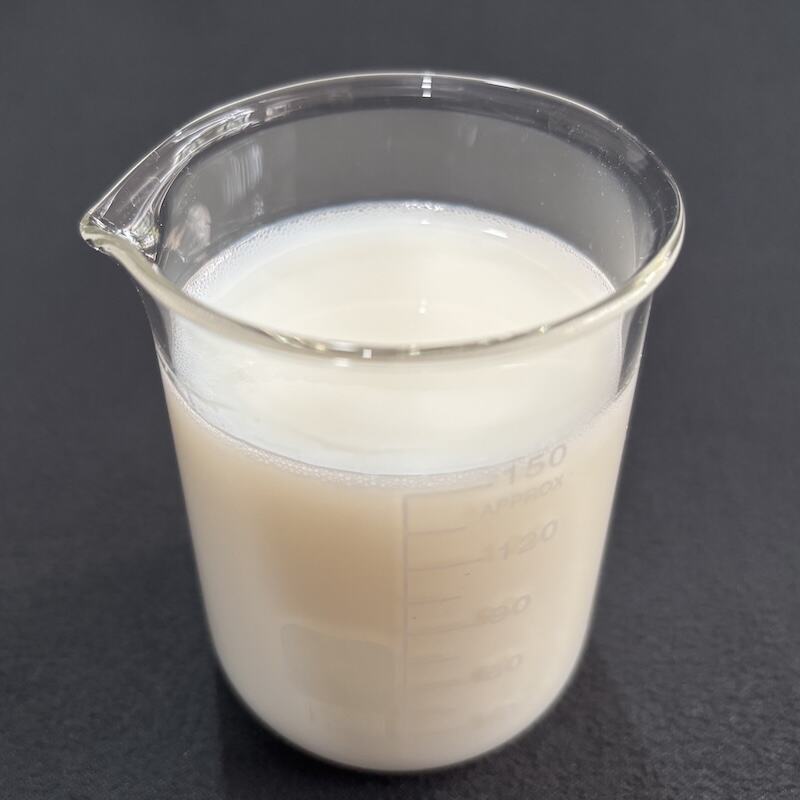
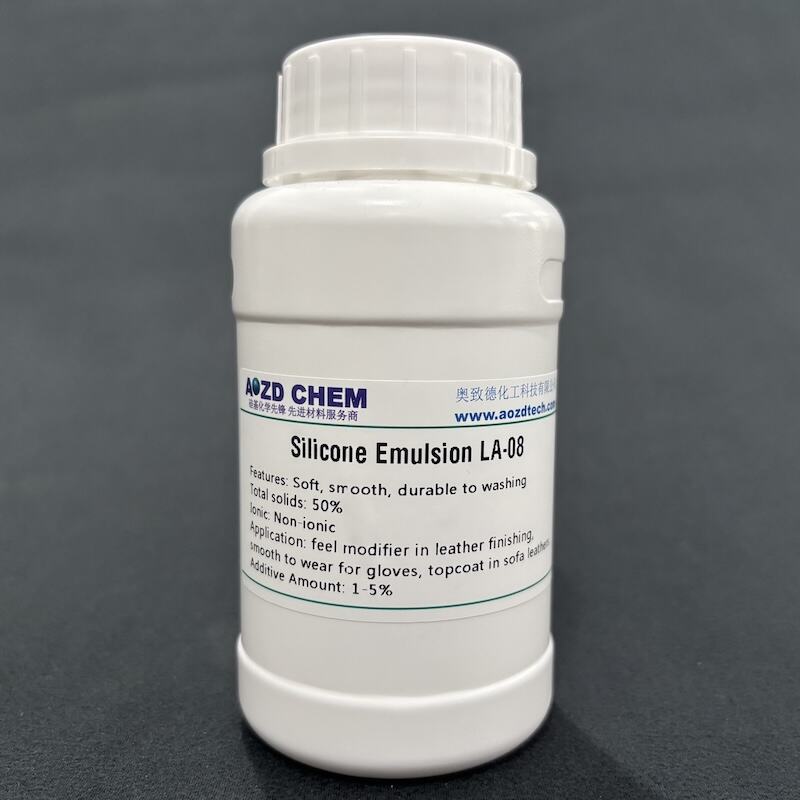
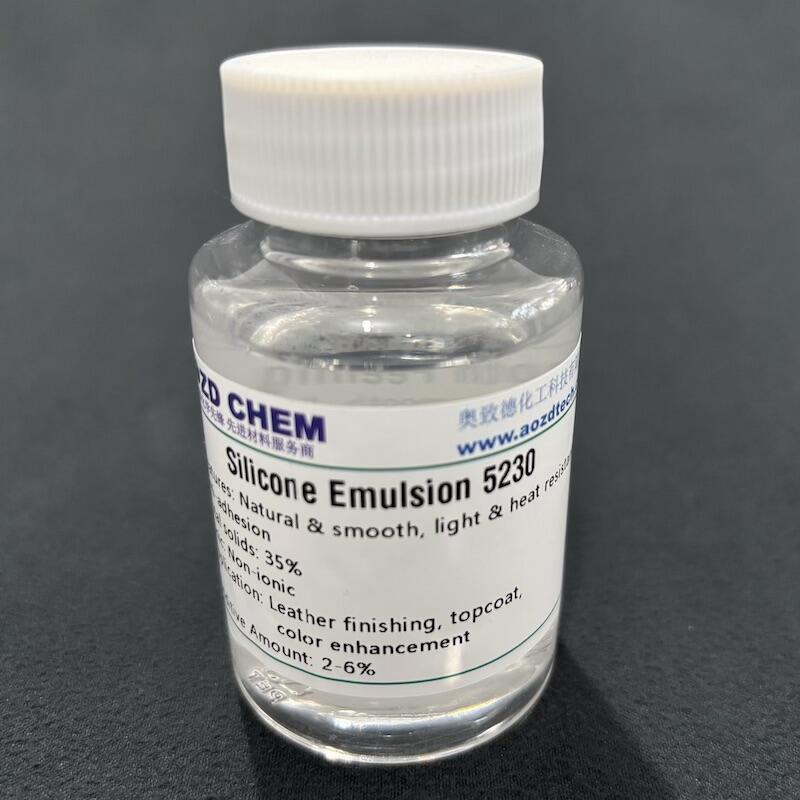
Silicone emulsion formulation represents a sophisticated blend of silicone polymers dispersed in water-based systems, creating versatile solutions for numerous industrial and commercial applications. This advanced formulation technology combines the unique properties of silicone materials with the convenience and environmental benefits of water-based systems. The primary function of silicone emulsion formulation lies in delivering exceptional surface modification properties, including water repellency, lubrication, release characteristics, and protective coatings across diverse substrates. The technological framework of silicone emulsion formulation involves carefully engineered particle size distribution, ensuring optimal stability and performance consistency. These formulations typically contain silicone polymers ranging from low to high molecular weights, stabilizing agents, and specialized additives that enhance specific performance characteristics. The emulsification process creates microscopic silicone droplets suspended uniformly throughout the aqueous phase, maintaining long-term stability while preserving the inherent properties of silicone materials. Key technological features include excellent thermal stability, chemical resistance, and the ability to form uniform films upon application. The silicone emulsion formulation demonstrates remarkable versatility in application methods, supporting spray coating, brush application, dip coating, and roll coating processes. Industries utilizing silicone emulsion formulation span automotive manufacturing, textile processing, paper production, leather treatment, construction materials, and personal care products. In automotive applications, these formulations provide dashboard protection, tire shine effects, and mold release properties for rubber components. Textile applications benefit from water repellency, softness enhancement, and anti-static properties. The construction industry employs silicone emulsion formulation for concrete curing, masonry protection, and waterproofing treatments. Paper manufacturing utilizes these formulations for release coatings and moisture barrier applications, while leather processing benefits from softening and water resistance properties.

 EN
EN