Çoxsaylı işləmə və tətbiq fleksibliyi
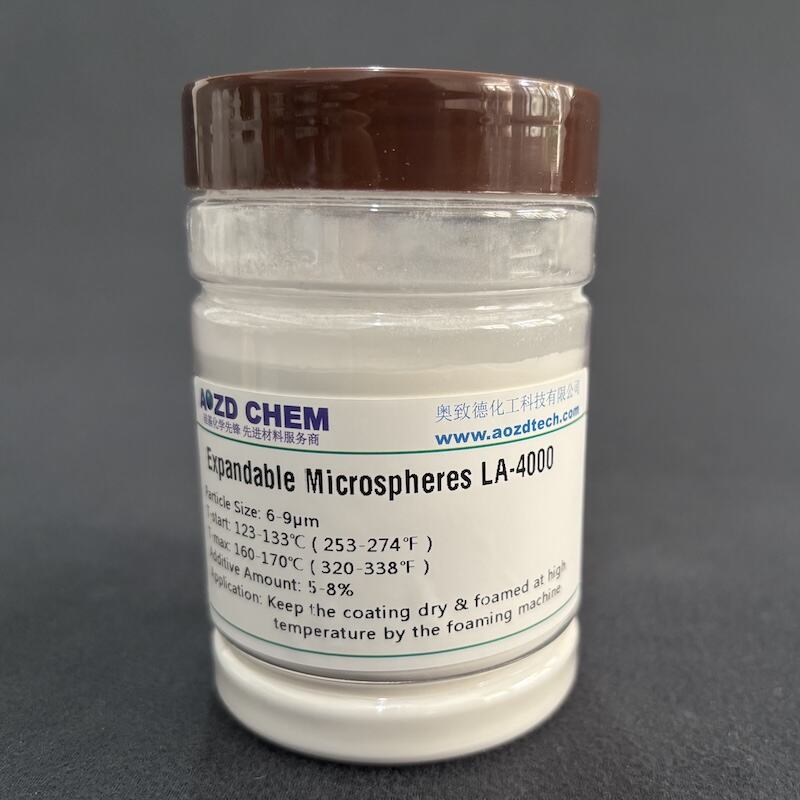
Termiki genişlənə bilən Expancel mikrosferlərin çox yönlü emal imkanları və tətbiq elastikliyi istehsalçılar üçün məhsul inkişafı və istehsalın optimallaşdırılmasında əvvəllər görülmemiş uyğunlaşma imkanı yaradır. Bu mikrosferlər əhəmiyyətli avadanlıq dəyişiklikləri və ya xüsusi emal prosedurları tələb etmədən mövcud istehsal proseslərinə pərəstişkəsiz şəkildə inteqrasiya olunur ki, bu da onları müxtəlif sənaye sahələrində və istehsal miqyaslarında fəaliyyət göstərən şirkətlər üçün əlçatan edir. Termiki genişlənə bilən Expancel mikrosferlərin aktivləşmə temperatur aralığı müəyyən emal şəraitinə uyğunlaşdırıla bilər ki, bu da istehsal siklları zamanı optimal genişlənmə vaxtını təmin edir. Bu elastiklik istehsalçıların mikrosferləri standart işlətmə temperaturu və prosedurları ilə enjeksiya formalaşdırma, ekstruziya, örtük tətbiqi və kompozit hazırlanması proseslərinə daxil etməsinə imkan verir. Zərrəcik ölçüsü paylanması və genişlənmə xüsusiyyətləri müəyyən tətbiq tələblərinə uyğunlaşdırıla bilər ki, bu da mühəndislərə son məhsulun xüsusiyyətləri və performans xüsusiyyətləri üzərində dəqiq nəzarət imkanı verir. Formulaya çevrilmə elastikliyi termiki genişlənə bilən Expancel mikrosferlərin termoplastiklər, termosetlər, boylar, yapışdırıcılar, möhürləyicilər və kompozit matrislər daxil olmaqla müxtəlif material sistemlərinə daxil edilməsinə imkan verir və bununla birlikdə material uyğunluğunu və emal sabitliyini pozmadan həyata keçirilir. Bu mikrosferlərin saxlama və emal üstünlükləri normal anbar şəraitində yüksək saxlama sabitliyini və daşınma və saxlama zamanı qabaqcadan aktivləşməyə qarşı davamlılığı əhatə edir. İstehsal elastikliyi mikrosfer yükləmə səviyyələrinin tələb olunan xüsusiyyət dəyişikliklərini əldə etmək üçün tənzimlənə bilməsi imkanını da əhatə edir ki, bu da sıxlığın, termiki xüsusiyyətlərin və mexaniki xüsusiyyətlərin dəqiq nizamlanmasını mümkün edir. Keyfiyyət təminatı etibarlı proses nəzarətini və istehsal partiyaları üzrə proqnozlaşdırıla bilən məhsul nəticələrini təmin edən sabit genişlənmə davranışından faydalanır. Termiki genişlənə bilən Expancel mikrosferlərin müxtəlif əlavələr və gücləndirici materiallarla uyğunluğu formulalaşdırıcıların bir neçə performans meyarını eyni zamanda optimallaşdıran mürəkkəb material sistemləri yaratmasına imkan verir. Emal səmərəliliyinin artırılması bir addımda baş verən genişlənmə aktivləşməsindən irəli gəlir ki, bu da mürəkkəb çoxmərhələli istehsal prosedurlarını aradan qaldırır və emal müddətini ilə enerji istehlakını azaldır. Termiki genişlənə bilən Expancel mikrosferlərin tətbiq miqyası laboratoriya miqyaslı inkişafdakıdan sənaye miqyasında yüksək həcmdə istehsalına qədər uzanır ki, bu da bütün istehsal miqyaslarında sabit performans təmin edir və inkişafdan ticari istehsal mərhələsinə texnologiya köçürülüşünü asanlaşdırır.

 EN
EN