
 EN
EN
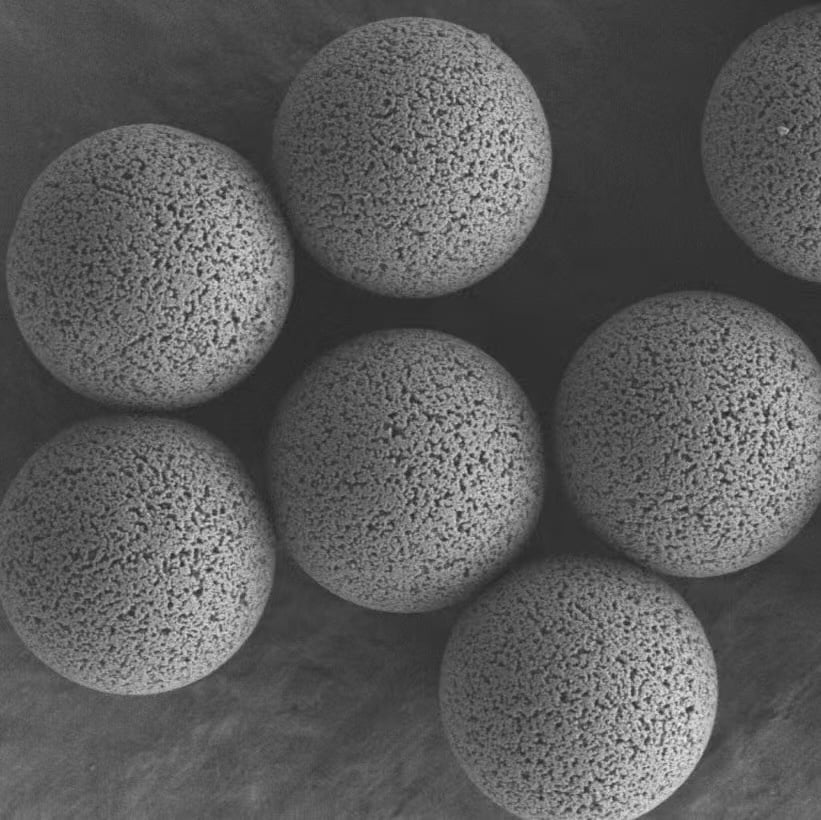
فشار برای کاهش وزن در پلاستیکها هرگز به این میزان اضطراری نبوده است. در سراسر قطعات داخلی خودرو، بستهبندی، تختههای ساختمانی و کالاهای مصرفی، تولیدکنندگان تحت فشار بیوقفهای برای کاهش جرم بدون از دست دادن یکپارچگی مکانیکی قرار دارند. میکروکرههای قابل گسترش این مواد افزودنی بهعنوان یک افزودنی انقلابی ظهور کردهاند که این امر را ممکن میسازند — نه از طریق تسلیم شدن، بلکه از طریق مهندسی هوشمندانه مواد. این پوستههای ریزترمопلاستیک، که با گاز هیدروکربن پر شدهاند، تحت تأثیر حرارت بهطور چشمگیری منبسط میشوند و ساختار سلولی را درون یک پلیمر میزبان ایجاد میکنند که چگالی را کاهش داده، در عین حال خواص کلیدی عملکردی را حفظ میکند.
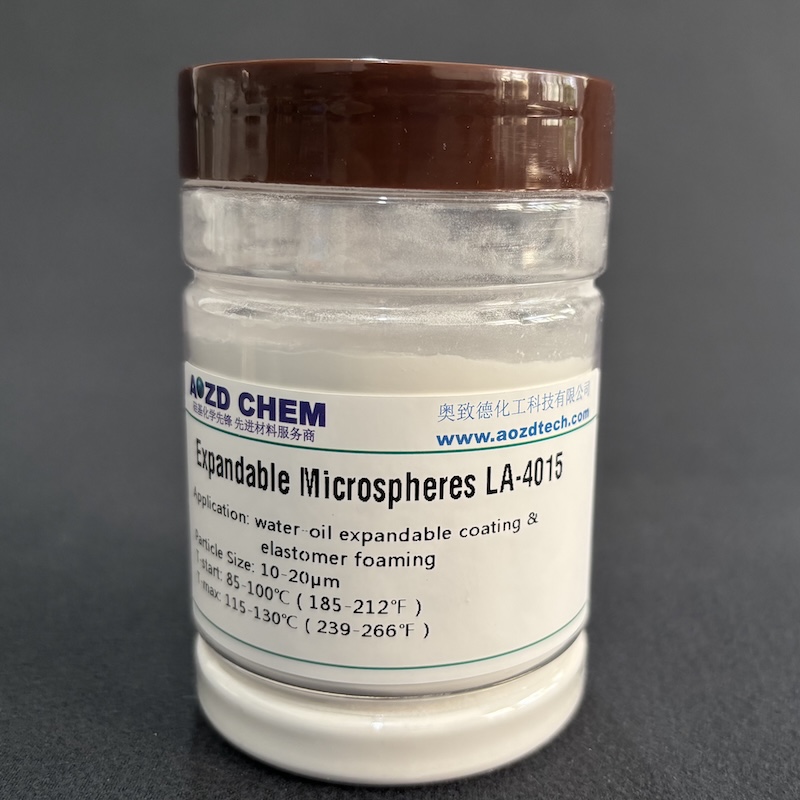
درک دقیق اینکه چرا میکروسفرهای قابل انبساط در داستان پلاستیکهای سبکوزن نقش محوری دارند، نیازمند بررسی هم شیمی و هم منطق تجاری است. رویکردهای سنتی کاهش چگالی—مانند فومسازی مکانیکی یا استفاده از پرکنندههای بیاثر—معایب شناختهشدهای در زمینههای کیفیت سطح، پیچیدگی فرآیند و یکنواختی محصول دارند. در مقابل، میکروسفرهای قابل انبساط مکانیزمی کنترلشده و همگن برای کاهش وزن ارائه میدهند که بهصورت تمیز و بدون اختلال در جریانهای تولیدی موجود ادغام میشود. این مقاله به بررسی علم اصلی عملکرد آنها، مزایای ساختاری که ایجاد میکنند و دلایلی میپردازد که بهسبب آنها این مواد انتخابی واقعاً استراتژیک برای هر عملیاتی هستند که هدف آن کاهش وزن باشد.
علم پشت میکروکرههای قابل گسترش
آنها چیست و چگونه کار میکنند
میکروسفرهای قابل انبساط، پوستههای کوچک و توخالی از جنس ترموپلاستیک هستند که معمولاً قبل از فعالسازی قطری بین ۱۰ تا ۴۰ میکرون دارند و حاوی گاز هیدروکربنی با نقطه جوش پایین میباشند. این پوسته معمولاً از کوپلیمری تشکیل شده است که از آکریلونیتریل، متاکریلونیتریل یا کلرید وینیلیدن ساخته شده و به دلیل ویژگیهای دمای انتقال شیشهای و مقاومت شیمیاییاش انتخاب میشود. هنگامی که در طول فرآیند ترکیببندی یا قالبگیری گرما اعمال میشود، پوسته نرم شده و فشار گاز داخلی افزایش مییابد؛ در نتیجه این کره تا ۴۰ تا ۶۰ برابر حجم اولیهاش منبسط میشود. نتیجه نهایی، واحد سلولی سبکوزن و پر از گازی است که بهصورت یکنواخت در سراسر ماتریس پلیمری پخش شده است.
این مکانیسم انبساط از عوامل شیمیایی حبابزا کاملاً متفاوت است که گاز را از طریق واکنش تجزیهشیمیایی بهصورت غیرقابلپیشبینی آزاد میکنند. در مورد میکروکرههای قابل انبساط، گاز از پیش درون پوستهٔ آنها محبوس شده است؛ بنابراین رویداد انبساط بسیار قابل کنترل بوده و مستقیماً با دمای فرآیند مرتبط است. مهندسان میتوانند درجاتی با دمای فعالسازی مشخص را انتخاب کنند تا با نمودار حرارتی پلیمر انتخابی خود—چه پلیاتیلن، چه پلیپروپیلن، چه EVA، چه PVC یا حتی لاستیکهای گرماسخت—تطابق داشته باشد. این قابلیت تنظیمپذیری وابسته به درجه، یکی از مهمترین ویژگیهای تجاری میکروکرههای قابل انبساط محسوب میشود.
پس از انبساط، پوستهها بدون تغییر درون ماتریس باقی میمانند. این نکته حیاتی است: سلولهای سبکوزنی که توسط میکروسفرهای قابل انبساط ایجاد میشوند، ساختارهای سلولی بسته هستند. برخلاف فومهای سلولی باز که رطوبت را جذب کرده و به مرور زمان استحکام ساختاری خود را از دست میدهند، ساختارهای میکروسلولی بسته از نفوذ آب مقاومت کرده، پایداری ابعادی خود را حفظ میکنند و به ویژگیهای جذب صوتی کمک میکنند. فیزیک فرآیند فومزدن سلولی بسته بخش عمدهای از دلیل ضروریشدن میکروسفرهای قابل انبساط در کاربردهای پلاستیکی سبکوزن و با عملکرد بالا را توضیح میدهد.
کاهش چگالی بدون قربانی کردن عملکرد
عامل تجاری اصلی استفاده از میکروسفرهای قابل انبساط، البته کاهش وزن است. بسته به سطح پرکنندگی و پلیمر پایه انتخابشده، فرمولاسیونکنندگان معمولاً میتوانند کاهش چگالیای در محدوده ۲۰ تا ۵۰ درصد نسبت به نمونههای بدون پرکننده یا جامد بهدست آورند. این سطح از سبکسازی اثرات عمیقی در مراحل بعدی دارد: کاهش مصرف مواد، کاهش هزینههای حملونقل و انطباق با اهداف نظارتی مانند محدودیتهای وزن خودرو یا تعهدات پایداری بستهبندی. ماهیت سلولبسته ساختار ریز این اطمینان را فراهم میکند که این مزایا با کاهش خواص مکانیکی جبران نشوند.
استحکام کششی، مدول انحناء و مقاومت ضربهای همگی تحت تأثیر سطح بارگذاری میکروسفرهای قابل انبساط قرار دارند، اما فرمولهکنندگان با تجربه میدانند که چگونه تعادل بهینهای را برقرار کنند. در سطوح متوسط بارگذاری، پوستههای منبسطشده میتوانند با عمل کردن بهعنوان گرههای تقویتکننده درون ماتریس، واقعاً به سختی مواد کمک کنند. این رفتار بهطور چشمگیری با فومسازی مکانیکی متعارف متفاوت است، جایی که مورفولوژی نامنظم سلولها اغلب منجر به نقاط ضعیف و عملکرد مکانیکی نامناسب و نامتجانس در سراسر مقطع قطعه میشود. توزیع یکنواخت و اندازه ثابت میکروسفرهای قابل انبساط، نقطه شروعی بسیار قابلپیشبینیتر را برای توسعهدهندگان محصول فراهم میکند.
چرا میکروسفرهای قابل انبساط عملکرد بهتری نسبت به روشهای جایگزین سبکسازی دارند
مقایسه با عوامل شیمیایی حبابزا
عوامل شیمیایی حبابزننده برای مدت طولانی برای وارد کردن گاز به پلاستیکها و لاستیکها استفاده میشدهاند، اما این عوامل محدودیتهای ذاتی دارند که ذرات ریزتوپهای قابل انبساط از آنها برخوردار نیستند. تجزیه یک عامل شیمیایی حبابزننده نهتنها گاز، بلکه محصولات جانبی شیمیایی نیز آزاد میکند که برخی از آنها میتوانند باعث تغییر رنگ زیرلایه، ایجاد مشکلات بو یا عمل کردن بهعنوان آلایندههای فرآیندی شوند. کنترل زمان آزادسازی گاز در طول قالبگیری تزریقی یا اکسترودر نیز بهطور مشهور دشوار است، بهویژه در هندسههای پیچیده که جبهه مذاب در زمانهای مختلف به نواحی مختلف قالب میرسد. این تغییرپذیری میتواند منجر به ساختار سلولی نامتجانس، نشانههای فرو رفتگی و عیوب سطحی قابل مشاهده شود.
میکروکرههای قابل انبساط این مشکلات را دور میزنند، زیرا گاز درون آنها بهصورت خودکفا محصور است. رویداد انبساط توسط نقطه نرمشدن پوسته فعال میشود، نه از طریق واکنش شیمیایی که باید با دقت بالا آغاز و متوقف شود. پس از اینکه فرآیندگران پنجره دمای مناسب برای درجه خاصی از میکروکرههای قابل انبساط را تنظیم کردند، فرآیند بهطور بسیار قابل تکراری انجام میشود. سازگانی بین دستهها بهبود مییابد، نرخ ضایعات کاهش مییابد و کیفیت پرداخت سطحی قطعات نهایی — که امری حیاتی در تزئینات خودرو و پوششهای الکترونیک مصرفی است — بهطور قابل توجهی از کیفیتی که روشهای شیمیایی حبابزایی معمولاً ارائه میدهند، بهتر است.
مزایا نسبت به پرکنندههای بیاثر و گلولههای شیشهای
برخی تولیدکنندگان با جایگزین کردن پرکنندههای معدنی متراکم با جایگزینهای سبکتر مانند میکروکرههای شیشهای توخالی یا کربنات کلسیم، به دنبال کاهش چگالی هستند. اگرچه میکروکرههای شیشهای توخالی چگالی را کاهش میدهند، اما ماهیت شکنندهی آنها باعث ایجاد آسیبپذیری در برابر بارهای ضربهای میشود. قطعات تولیدشده با بار بالای میکروکرههای شیشهای ممکن است در امتداد مرز بین میکروکره و ماتریس شکسته شوند و این امر کاربرد آنها را در کاربردهایی که مقاومت در برابر ضربه مشخصهی اصلی است، محدود میکند. میکروکرههای قابل انبساط، به دلیل ماهیت ترموپلاستیک خود، ذاتاً با ماتریس پلیمری اطراف سازگانتر هستند و چسبندگی بهتری در سطح مشترک نشان میدهند.
علاوه بر این، میکروکرههای قابل انبساط در عایقبندی حرارتی و صوتی به شیوههایی که پرکنندههای جامد صرفاً قادر به انجام آن نیستند، نقش دارند. گاز محبوس درون هر پوستهٔ منبسطشده، عایقی بسیار خوب است؛ بنابراین ساختارهای فومی که بر پایهٔ میکروکرههای قابل انبساط ساخته میشوند، رسانایی حرارتی کمتری نسبت به قطعات معادل جامد یا پر شده با شیشه دارند. در کاربردهای مربوط به ساختمانسازی و ساختوساز — مانند زیرلایههای کف، تختههای دیواری و عایقبندی لولهها — این مزیت عایقبندی، ارزش عملکردی واقعی را علاوه بر مزیت اصلی کاهش وزن ایجاد میکند. این یک ساختار مزیت ترکیبی است که پرکنندههای بیتأثیر قادر به تقلید آن نیستند.
مزایای کلیدی فرآورش میکروکرههای قابل انبساط در تولید پلاستیک
سازگاری با تجهیزات استاندارد فرآورش
یکی از قویترین استدلالهای عملی برای پذیرش میکروسفرهای قابل انبساط، سهولت یکپارچهسازی آنها در زیرساخت تولیدی موجود است. برخلاف فومسازی مکانیکی که نیازمند تجهیزات تخصصی مانند واحدهای تزریق گاز و هندسههای پیچهای اصلاحشده است، میکروسفرهای قابل انبساط را میتوان با حداقل تغییراتی در خطوط اکستروژن و قالبگیری تزریقی به کار برد. این میکروسفرها را میتوان بهصورت پیشمخلوط در رزین حامل مسترمیش (masterbatch) تهیه کرد و در فرآیند، دقیقاً مانند سایر افزودنیها تغذیه نمود؛ بنابراین پذیرش آنها برای تولیدکنندگانی که از تجهیزات استاندارد ترموپلاستیک استفاده میکنند، بسیار ساده خواهد بود.
سازگانی این تجهیزات پیامدهای تجاری مستقیمی دارد: سرمایهگذاری اولیه مورد نیاز برای انتقال به استراتژی کاهش وزن مبتنی بر میکروکرههای قابل انبساط بهمراتب کمتر از بسیاری از رویکردهای جایگزین است. فرآیندگران نیازی به راهاندازی خطوط تولید جدید یا آموزش مجدد اپراتورها بر روی ماشینآلات اساساً متفاوت ندارند. منحنی یادگیری قابل مدیریت است و آزمایشهای پایلوت معمولاً میتوانند روی تجهیزات موجود و با مقادیر کوچک از میکروکرههای قابل انبساط انجام شوند، پیش از اینکه اجرای کامل این استراتژی تصویب شود.
کنترل فرآیند و انعطافپذیری در ترکیببندی
میکروسفرهای قابل انبساط در مجموعهای از درجات مختلف موجود هستند که با پنجرههای دمای فعالسازی، نسبتهای حداکثر انبساط و شیمی پوستهٔ آنها از یکدیگر متمایز میشوند. این تنوع گسترده در محصولات، انعطافپذیری قابل توجهی به سازندگان فرمولها در تطبیق میکروسفرها با سیستمهای پلیمری خاص اعطا میکند. درجهای که برای فعالسازی در دمای پایین طراحی شده است، برای ترکیبات EVA و کاربردهای PVC نرم مناسب است، در حالی که درجات با دمای فعالسازی بالا برای ترموپلاستیکهای مهندسی که در دمای بالاتر از ۱۸۰ درجه سانتیگراد پردازش میشوند، مناسب هستند. امکان انتخاب درجهٔ مناسب بدین معناست که میکروسفرهای قابل انبساط افزودنیای با رویکرد «یک اندازه برای همه» نیستند—بلکه میتوان آنها را دقیقاً با نیازهای هر کاربردی تطبیق داد.
سطحهای بارگذاری بهطور یکسان قابل تنظیم هستند. فرمولسازان معمولاً با افزودن مقادیر کوچکی از میکروکرههای قابل انبساط — که اغلب در محدوده ۱ تا ۵ درصد وزنی است — شروع میکنند و سپس بر اساس چگالی مورد نظر، الزامات مکانیکی و رفتار فرآیندی، این مقدار را بهصورت بهینهشده افزایش میدهند. این رویکرد تدریجی خطر فرمولاسیون را کاهش داده و به تیمهای توسعه امکان میدهد تا پیش از انجام گسترش مقیاس، دادههای معناداری تولید کنند. برگشتپذیری این فرآیند در مرحله فرمولاسیون، پیش از هرگونه سرمایهگذاری بلندمدت، محیطی آزمایشی راحت و امن برای توسعهدهندگان محصول فراهم میکند که فناوریهای سبکسازی مخربتر این امکان را فراهم نمیکنند.
حوزههای کاربردی که در آنها میکروکرههای قابل انبساط بیشترین ارزش را ارائه میدهند
خودرو و حمل و نقل
گرایش segu صنعت خودروسازی به کاهش وزن خودروها جهت رعایت مقررات مصرف سوخت و انتشارات، گلولههای ریز توسعهپذیر را به مادهای استراتژیک مهم در کاربردهای داخلی و زیربدنه تبدیل کرده است. پانلهای درب، سقفهای داخلی، آستر صندوق عقب و زیرلایههای پنل ابزار همگی از ترکیب کاهش وزن و جذب نویز که گلولههای ریز توسعهپذیر فراهم میکنند، بهرهمند میشوند. این مزیت صوتی بهویژه در خودروهای الکتریکی (EV) ارزشمند است، جایی که عدم وجود صدای موتور باعث میشود انتقال صدا در فضای داخلی برای سرنشینان قابلاحساستتر شود و کاهش وزن بهطور مستقیم برد حرکتی خودرو را افزایش دهد.
میکروسفرهای قابل انبساط همچنین در پوششها و آببندکنندههای زیربدنه در زنجیره تأمین خودرو استفاده میشوند، جایی که به کاهش وزن و عایقبندی حرارتی قطعاتی که در معرض آشغالهای جادهای و شرایط دمایی شدید قرار دارند، کمک میکنند. سازگاری آنها با سیستمهای پوششدهی بر پایه آب، بهخوبی با جابجایی صنعت خودروسازی از فرمولاسیونهای مبتنی بر حلال همسو است؛ بنابراین میکروسفرهای قابل انبساط نهتنها برای قطعات پلاستیکی، بلکه برای اکوسیستم گستردهتر تولید خودرو نیز اهمیت دارند.
ساختوساز، بستهبندی و کاربردهای صنعتی
در صنعت ساختوساز، میکروکرههای قابل انبساط در زیرلایههای کف، چوب مصنوعی، ترکیبات بتن سبک و تختههای عایق ظاهر میشوند. ترکیب چگالی پایین و مقاومت حرارتی، این مواد را بهویژه برای محصولات ساختمانی مناسب میسازد که در آنها هم صرفهجویی در وزن و هم عملکرد انرژی توسط مقررات ساختمانی تنظیم میشوند. با اینکه صنایع ساختوساز در سراسر جهان به سمت مشخصات مواد پایدارتر حرکت میکنند، نقش میکروکرههای قابل انبساط در کاهش مقدار ماده ذاتی (Embodied Material) بدون افت در عملکرد حرارتی، از سوی معماران و متخصصان تعیین مشخصات فنی بهطور فزایندهای ارزشمند شناخته میشود.
در بستهبندی انعطافپذیر، میکروسفرهای قابل انبساط امکان تولید فیلمها و پوششهای حبابدار را فراهم میکنند که مصرف مواد را کاهش داده، در عین حال خواص سدکنندگی و کیفیت لامسه را حفظ مینمایند. در کاربردهای صنعتی که از اجزای شناورسازی دریایی تا آستینهای محافظ تجهیزات ورزشی متغیر است، میکروسفرهای قابل انبساط مکانیسم حبابزایی قابل اعتماد و یکنواختی ارائه میدهند که از نظر تکرارپذیری و کیفیت، عملکرد بهتری نسبت به سیستمهای شیمیایی مخلوطشده بهصورت دستی دارد. گسترهی وسیعی از بخشها که در آنها میکروسفرهای قابل انبساط بهطور فعال بهکار گرفته میشوند، خود گواهی بر همهجانبهبودن بنیادی این فناوری بهعنوان یک پلتفرم سبکسازی است.
سوالات متداول
میکروسفرهای قابل انبساط معمولاً در چه دمایی فعال میشوند؟
دمای فعالسازی میکروسفرهای قابل انبساط به درجهی انتخابشده بستگی دارد. درجات استاندارد معمولاً بین ۸۰ تا ۱۲۰ درجه سانتیگراد شروع به انبساط میکنند، در حالی که درجات با دمای بالا طوری طراحی شدهاند که در محدوده ۱۵۰ تا ۲۰۰ درجه سانتیگراد یا بالاتر انبساط یابند. فرآیندگران باید درجهای را انتخاب کنند که پنجرهی فعالسازی آن در محدودهی دمای فرآیند سیستم پلیمری انتخابشدهی آنها قرار گیرد تا انبساط کنترلشده و کامل در حین ترکیبسازی یا قالبگیری تضمین شود.
آیا میکروسفرهای قابل انبساط بر مقاومت مکانیکی قطعه نهایی پلاستیکی تأثیر میگذارند؟
در سطوح بارگذاری متوسط، تأثیر بر استحکام مکانیکی قابل کنترل است و اغلب با توجه به کاهش چگالی حاصلشده، قابل قبول میباشد. گلولههای ریز توسعهپذیر، مقاومت کششی و ازدیاد طول را تا حدی کاهش میدهند، اما توزیع یکنواخت و ساختار سلولبستهی آنها تمرکز تنش را به حداقل میرساند. فرمولاسیونکنندگان میتوانند سطوح بارگذاری را بهینهسازی کرده و افزودنیهای تقویتکنندهی مکمل مناسبی را انتخاب نمایند تا مشخصههای مکانیکی مورد نیاز برای کاربردهای سازهای یا نیمهسازهای پرتلاش حفظ شود.
آیا گلولههای ریز توسعهپذیر با سیستمهای آببنیاد و بدون حلال سازگان دارند؟
بله، میکروکرههای قابل انبساط با فرمولاسیونهای آببنیاد و بدون حلال سازگان هستند. این ویژگی آنها را برای استفاده در پوششها، چسبها و آببندکنندههای آببنیاد مناسب میسازد—کاربردهایی که در آنها عوامل متورمکننده سنتی مبتنی بر حلال از دیدگاه سلامت، ایمنی یا مقررات، دیگر قابل قبول نیستند. مکانیسم انبساط فیزیکی (نه شیمیایی) آنها بدین معناست که آنها هیچ واکنش شیمیایی فعالی را وارد سیستمهای حساس آببنیاد نمیکنند.
میکروکرههای قابل انبساط چگونه باید نگهداری و مورد استفاده قرار گیرند؟
میکروکرههای قابل انبساط باید در محیطی خنک و خشک، دور از منابع حرارتی، نور مستقیم خورشید و شعلههای باز نگهداری شوند. از آنجا که پوستههای این میکروکرهها حاوی پروپلانت هیدروکربنی هستند، در طول ذخیرهسازی یا کاربرد نباید در معرض دمایی بالاتر از آستانه فعالسازی خود قرار گیرند. بستهبندیهای تازه بازنشده باید در بازه زمانی توصیهشده توسط سازنده مصرف شوند و اپراتورها باید اقدامات احتیاطی استاندارد را برای کار با مواد پودری ریز — از جمله استفاده از تجهیزات حفاظتی مناسب برای دستگاههای تنفسی در عملیات اختلاط خشک — رعایت کنند.