Premium Leather Coating Chemicals - Advanced Protection Solutions for Enhanced Durability

All Categories

Get a Free Quote

Our representative will contact you soon.
Email
Name
Company Name
Whatsapp
Message
0/1000

leather coating chemicals

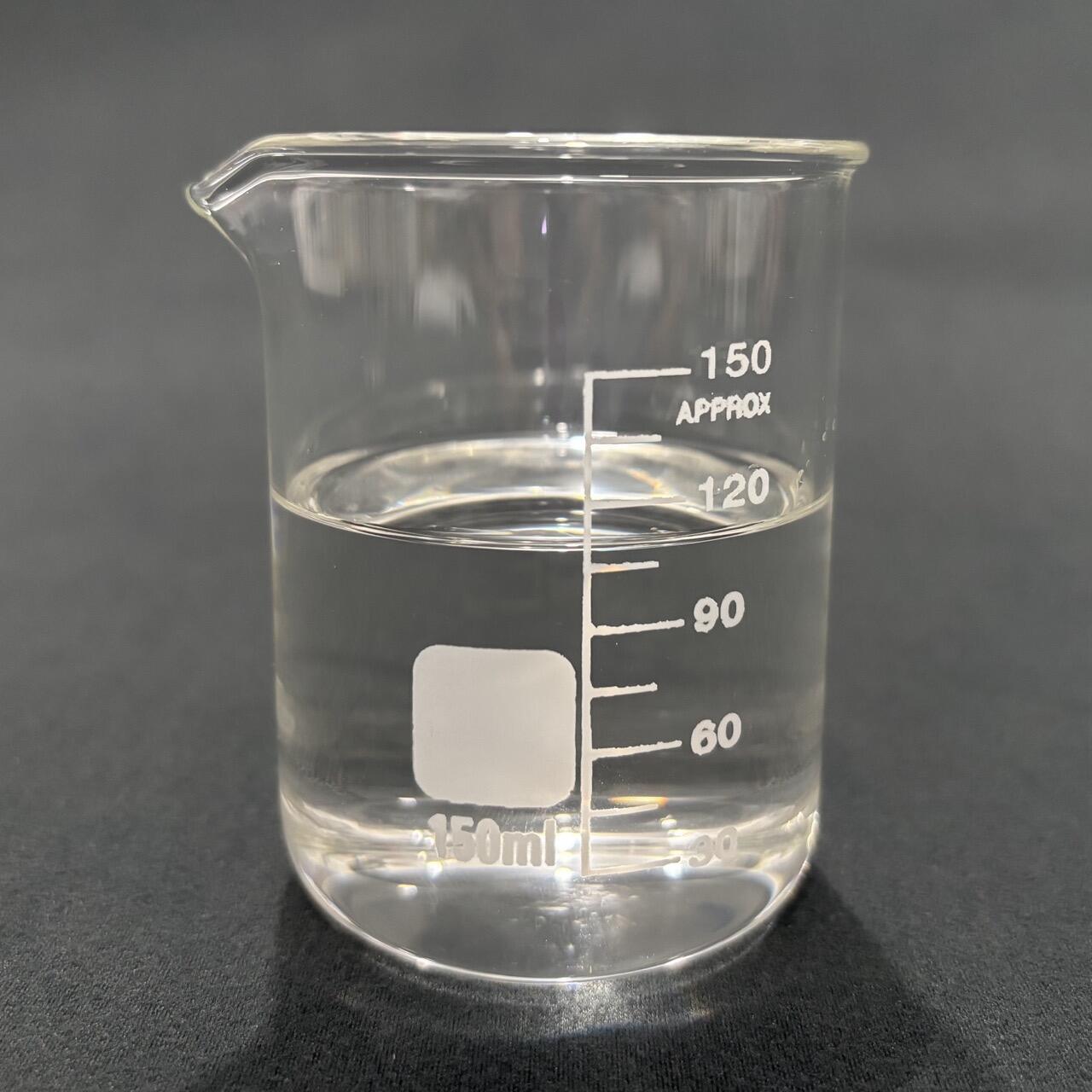
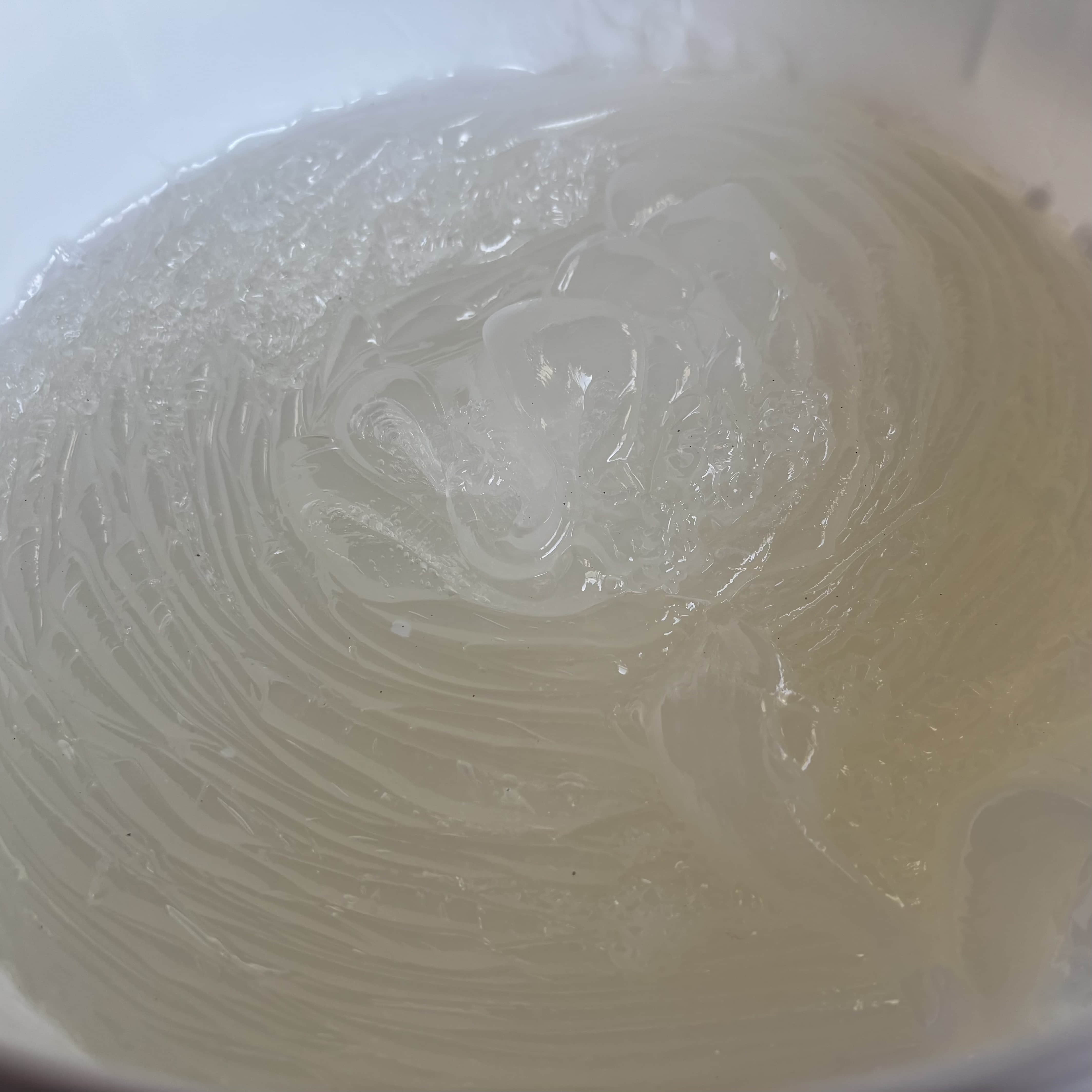
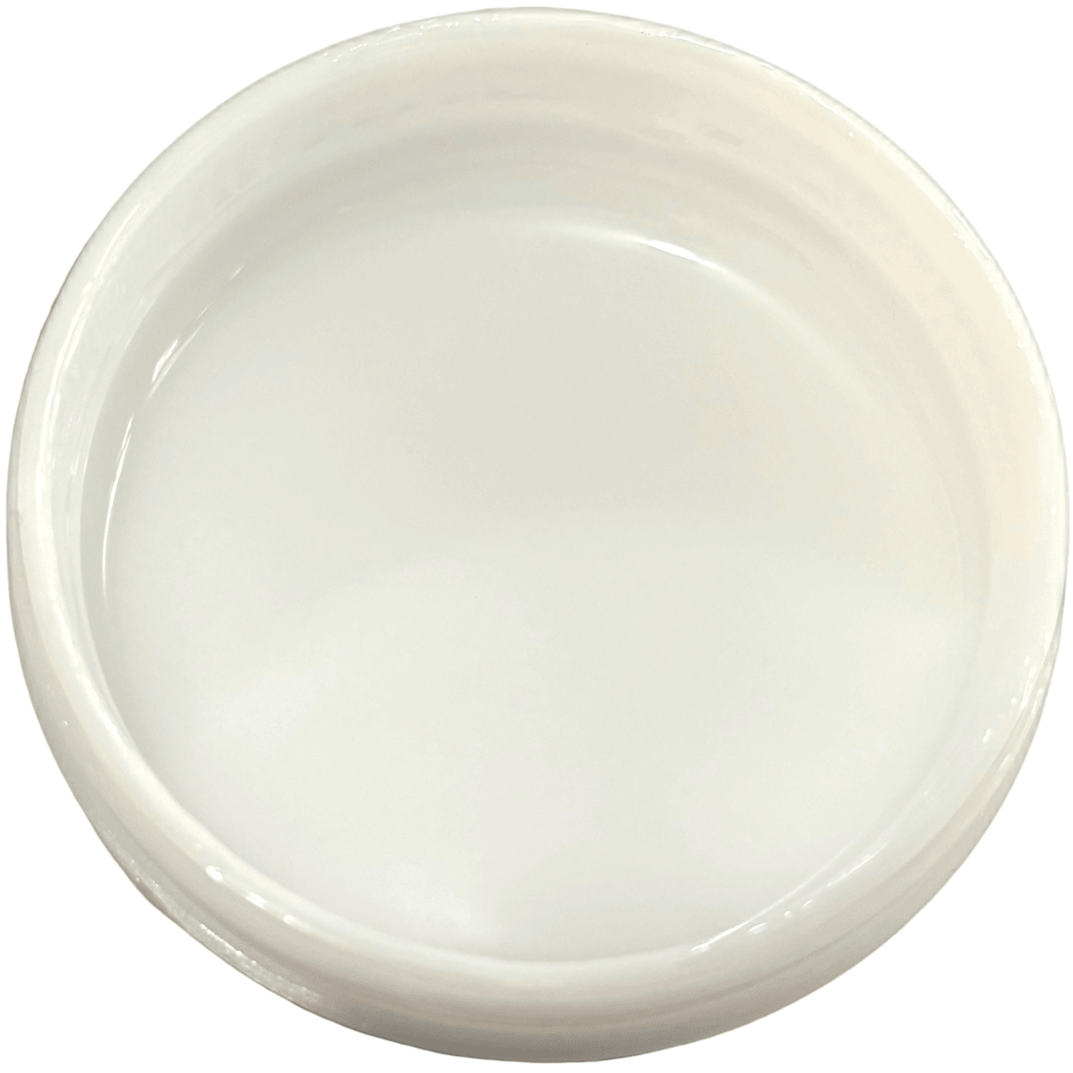
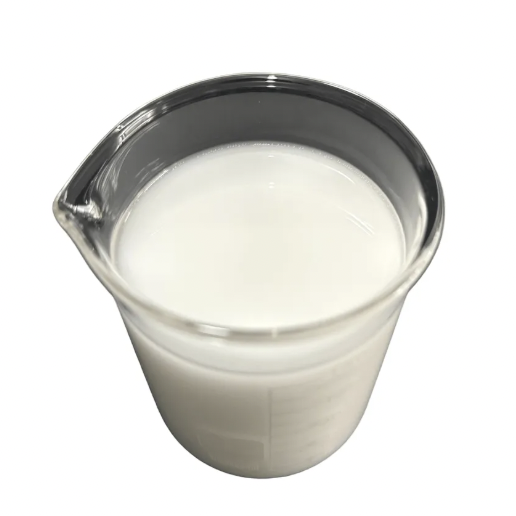
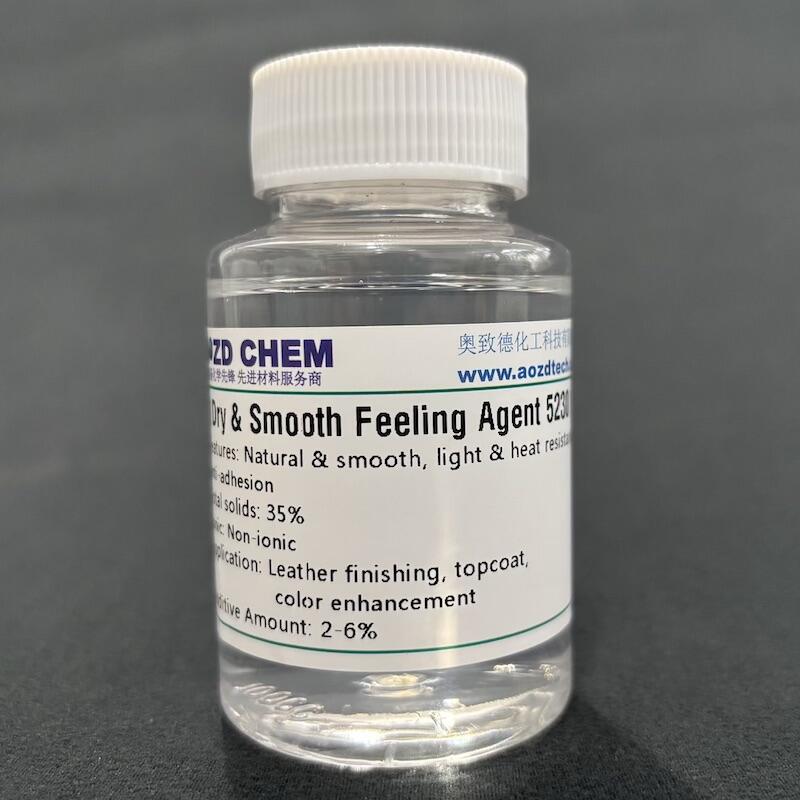
Leather coating chemicals represent a sophisticated category of specialized formulations designed to enhance the surface properties, durability, and aesthetic appeal of leather products. These advanced chemical compounds serve as protective barriers and enhancement agents that transform raw or processed leather into high-performance materials suitable for diverse commercial applications. The primary functions of leather coating chemicals encompass surface protection, water resistance enhancement, abrasion resistance improvement, color uniformity establishment, and texture modification. These formulations typically consist of polymer resins, crosslinking agents, pigments, additives, and specialized surfactants that work synergistically to create uniform, durable surface films. The technological features of modern leather coating chemicals include excellent adhesion properties, flexibility retention, chemical resistance, UV stability, and environmental compliance. Advanced formulations incorporate nanotechnology elements, bio-based components, and smart polymer systems that respond to environmental conditions. The application spectrum for leather coating chemicals spans automotive upholstery, furniture manufacturing, fashion accessories, footwear production, luggage fabrication, and industrial leather goods. Professional leather processors utilize spray application, roller coating, curtain coating, and immersion techniques to apply these chemicals effectively. Contemporary leather coating chemicals demonstrate superior performance characteristics including enhanced scratch resistance, improved cleanability, reduced maintenance requirements, and extended product lifespan. The chemical composition variations allow manufacturers to achieve specific performance targets such as flame retardancy, antimicrobial properties, anti-static behavior, and enhanced breathability. Quality leather coating chemicals undergo rigorous testing protocols to ensure consistency, safety, and performance reliability across different leather types and processing conditions.

New Product Releases

Leather coating chemicals deliver exceptional value through their ability to significantly extend product lifespan while reducing long-term maintenance costs. These specialized formulations create robust protective barriers that shield leather surfaces from everyday wear, environmental damage, and chemical exposure. The enhanced durability translates directly into cost savings for manufacturers and end-users alike, as treated leather products maintain their appearance and functionality far longer than untreated alternatives. Professional-grade leather coating chemicals provide superior stain resistance, making treated surfaces easier to clean and maintain. This practical benefit proves invaluable in high-traffic environments such as automotive interiors, commercial furniture, and public seating areas where regular cleaning is essential. The water-repellent properties of quality leather coating chemicals prevent moisture penetration that typically causes cracking, discoloration, and premature deterioration. Advanced formulations offer excellent color retention and UV protection, preventing fading and maintaining vibrant appearances even under intense sunlight exposure. The flexibility characteristics of modern leather coating chemicals ensure that treated surfaces remain supple and comfortable while maintaining their protective properties. This balance between protection and comfort creates superior user experiences across all applications. Manufacturing efficiency improves significantly when using leather coating chemicals, as these products enable faster production cycles and reduce rejection rates through consistent quality outcomes. The chemical resistance properties protect against oils, solvents, and other potentially damaging substances commonly encountered in industrial and consumer environments. Temperature stability ensures that leather coating chemicals maintain their protective properties across wide temperature ranges, from freezing conditions to high-heat environments. The antimicrobial properties available in specialized formulations provide additional hygiene benefits, particularly important in healthcare, hospitality, and food service applications. Environmental considerations have driven the development of low-VOC and eco-friendly leather coating chemicals that deliver outstanding performance while minimizing environmental impact. These sustainable solutions meet increasingly stringent regulatory requirements without compromising protection quality or application efficiency.

Practical Tips

How Vortex Spinning Oil Enhances Fiber Production

26

Nov

How Vortex Spinning Oil Enhances Fiber Production

Introduction Oils are essential in the textile manufacturing process, helping fibers move smoothly through machinery and ultimately producing better quality fabric. Of all the different types available, Vortex Spinning Oil has become something of a ...
View More
Unlocking Versatility: The Power of Silicone Emulsions in Industry

26

Nov

Unlocking Versatility: The Power of Silicone Emulsions in Industry

Understanding Silicone Emulsions Silicone emulsions basically consist of silicone polymers blended with water, making them pretty important across many different industries. We find these emulsions everywhere really, in everything from makeup produc...
View More
Top 10 FAQs: Everything You Need to Know About Expandable Microspheres

26

Nov

Top 10 FAQs: Everything You Need to Know About Expandable Microspheres

What Are Expandable Microspheres Expandable microspheres stand out as special materials basically made up of tiny hollow balls that get much bigger when they meet heat. What makes them work so well is their clever construction with a thin polymer sh...
View More
What Are the Best Practices for Applying Leather Additives

02

Dec

What Are the Best Practices for Applying Leather Additives

The leather industry relies heavily on various chemical formulations to enhance the quality, durability, and aesthetic appeal of finished products. Understanding the proper application techniques and selection criteria for leather additives can signi...
View More

Get a Free Quote

Our representative will contact you soon.
Email
Name
Company Name
Whatsapp
Message
0/1000

leather coating chemicals

Advanced Polymer Technology for Superior Protection

Advanced Polymer Technology for Superior Protection

The cutting-edge polymer technology embedded within premium leather coating chemicals represents a revolutionary advancement in surface protection science. These sophisticated polymer systems create molecular-level bonds with leather fibers, forming an integrated protective matrix that becomes an integral part of the material structure rather than simply coating the surface. The advanced crosslinking mechanisms ensure exceptional adhesion strength that withstands repeated stress, flexing, and environmental exposure without delamination or performance degradation. This technology utilizes carefully engineered polymer chains that maintain flexibility while providing robust protection against physical damage, chemical attack, and environmental factors. The molecular structure of these polymers allows for controlled permeability, enabling the leather to breathe naturally while blocking harmful substances and moisture. Smart polymer formulations adapt to changing environmental conditions, expanding and contracting with temperature variations to maintain consistent protection without cracking or peeling. The nanotechnology integration creates ultra-thin protective layers that preserve the natural texture and feel of leather while delivering industrial-strength protection. These polymer systems demonstrate exceptional resistance to abrasion, puncture, and tear forces that commonly damage untreated leather surfaces. The chemical crosslinking process creates a three-dimensional network that distributes stress evenly across the surface, preventing localized failure points that lead to premature wear. Advanced polymer technology enables the incorporation of specialized additives such as UV inhibitors, antimicrobial agents, and flame retardants without compromising the base protection properties. The long-term stability of these polymer systems ensures that protection levels remain consistent throughout the product lifecycle, maintaining performance standards even after years of heavy use. Quality control processes verify polymer molecular weight distribution, crosslink density, and adhesion strength to guarantee consistent performance across production batches.
Versatile Application Methods for Optimal Results

Versatile Application Methods for Optimal Results

The versatility of application methods available for leather coating chemicals provides manufacturers with unprecedented flexibility to optimize their production processes and achieve specific performance targets. Professional spray application systems deliver uniform coverage across complex three-dimensional surfaces, ensuring complete protection even in hard-to-reach areas such as seams, edges, and textured regions. Advanced spray technology incorporates electrostatic charging systems that improve transfer efficiency and reduce overspray, resulting in more economical chemical usage and superior surface coverage. Roller coating methods excel in high-volume production environments where consistent thickness and rapid application speeds are essential for meeting demanding production schedules. The controlled pressure and speed settings available in modern roller systems enable precise film thickness control, ensuring optimal protection levels while minimizing chemical consumption. Curtain coating represents the pinnacle of application technology for flat leather goods, delivering perfectly uniform coverage at high production speeds with minimal waste. This method creates seamless protective films without application marks or thickness variations that could compromise appearance or performance. Immersion techniques provide complete surface coverage for complex shapes and ensure penetration into surface irregularities that other methods might miss. The controlled immersion parameters allow for precise regulation of pickup rates and film thickness based on specific leather types and protection requirements. Brush application methods offer maximum control for specialty applications and repair work, enabling skilled operators to achieve custom effects and targeted protection in specific areas. Modern application equipment incorporates advanced monitoring systems that track chemical consumption, application rates, and environmental conditions to ensure consistent results and identify optimization opportunities. Temperature and humidity control systems maintain optimal application conditions regardless of external environmental factors, ensuring reliable coating performance and appearance quality. Automated application systems reduce labor costs and improve consistency while enabling 24-hour production capabilities that maximize equipment utilization and throughput.
Environmental Sustainability and Regulatory Compliance

Environmental Sustainability and Regulatory Compliance

Environmental sustainability has become a cornerstone of modern leather coating chemicals development, driving innovation toward formulations that deliver exceptional performance while minimizing ecological impact. Contemporary leather coating chemicals utilize bio-based raw materials derived from renewable sources, reducing dependence on petroleum-based components and supporting circular economy principles. These sustainable formulations demonstrate that environmental responsibility and high performance are not mutually exclusive, as bio-based polymers often exhibit superior flexibility and aging characteristics compared to traditional synthetic alternatives. Low-VOC formulations significantly reduce volatile organic compound emissions during application and curing processes, improving workplace air quality and reducing environmental pollution. Advanced chemical engineering has eliminated hazardous air pollutants and toxic substances without compromising protection effectiveness or durability standards. Water-based leather coating chemicals represent a major advancement in environmental sustainability, replacing solvent-based systems while maintaining superior adhesion, flexibility, and protection properties. These aqueous formulations reduce fire hazards, eliminate solvent disposal requirements, and create safer working environments for production personnel. Regulatory compliance extends beyond environmental considerations to include worker safety, product safety, and end-use safety standards established by international agencies. Comprehensive testing protocols verify that leather coating chemicals meet or exceed REACH regulations, CPSIA requirements, and other applicable safety standards. The development of halogen-free flame retardant systems demonstrates the industry commitment to eliminating potentially harmful substances while maintaining essential safety performance characteristics. Biodegradability testing ensures that leather coating chemicals break down safely at the end of product lifecycles, preventing long-term environmental accumulation. Life cycle assessment studies guide formulation improvements by identifying opportunities to reduce environmental impact throughout the entire product lifecycle from raw material sourcing through disposal. Recycling compatibility ensures that treated leather products can be processed through existing recycling systems without contamination or performance degradation.

Get a Free Quote

Our representative will contact you soon.
Email
Name
Company Name
Whatsapp
Message
0/1000