Expandable Microspheres Additives: Revolutionary Weight Reduction Technology for Modern Manufacturing

All Categories

Get a Free Quote

Our representative will contact you soon.
Email
Name
Company Name
Whatsapp
Message
0/1000

expandable microspheres additives

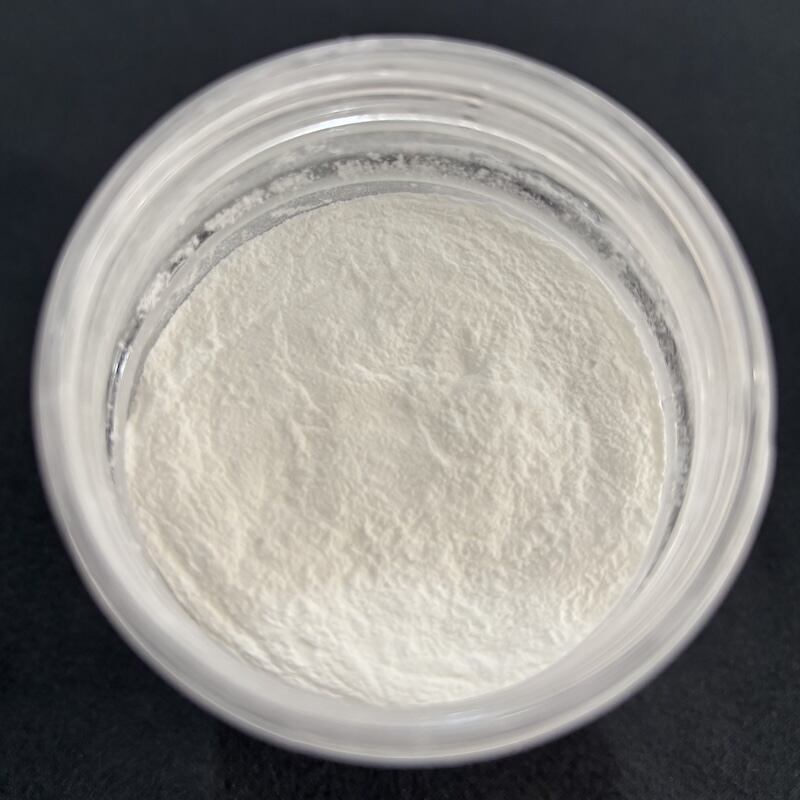
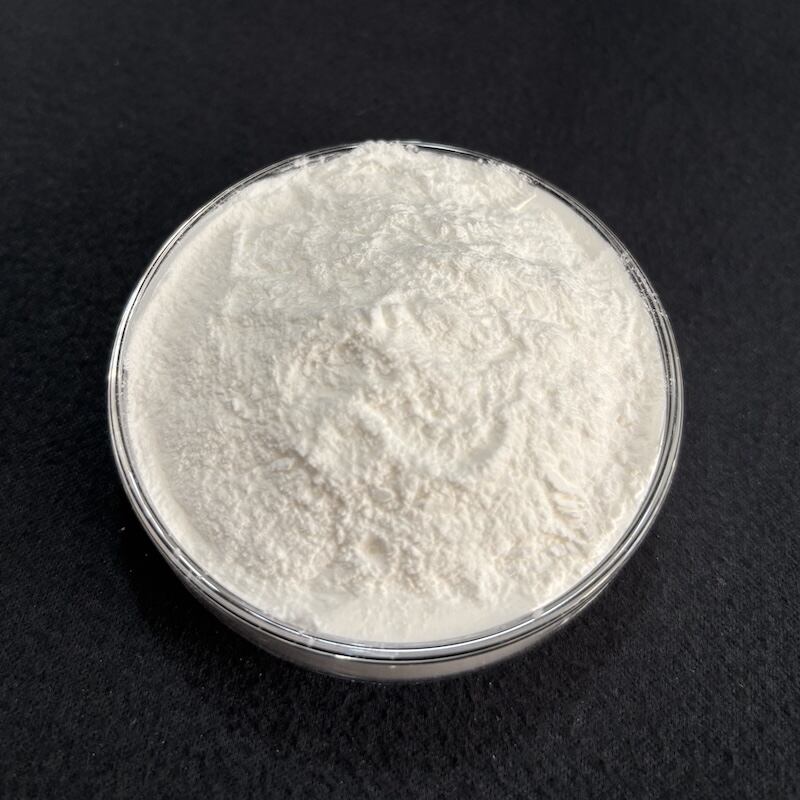
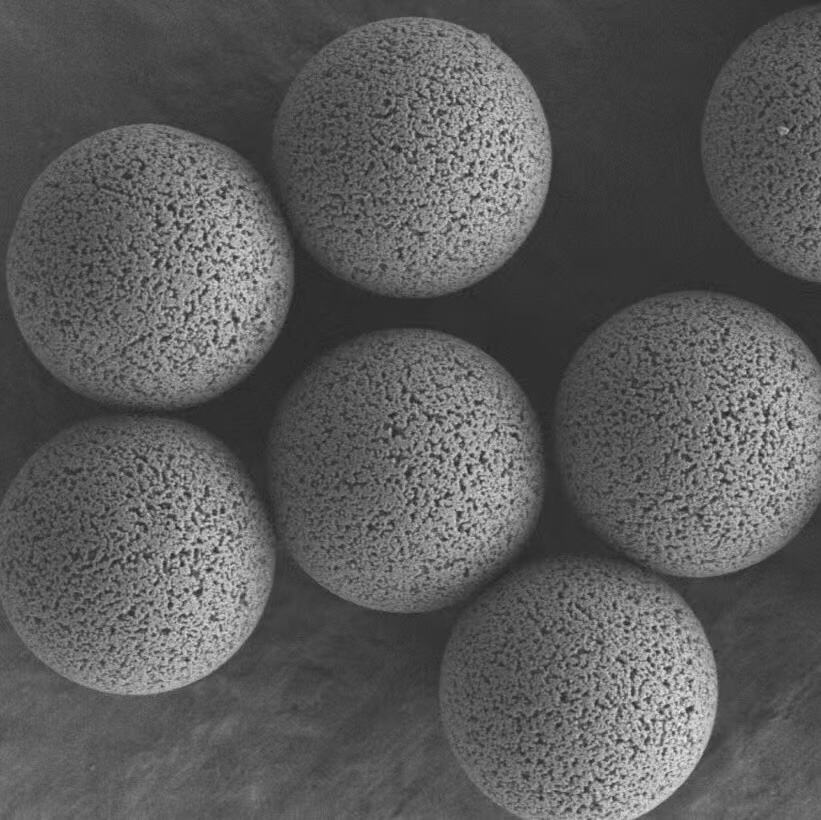
Expandable microspheres additives represent a revolutionary technology in modern materials science, offering unprecedented versatility across numerous industrial applications. These microscopic polymer shells contain hydrocarbon gases that expand when heated, creating lightweight cellular structures with remarkable properties. The core function of expandable microspheres additives lies in their ability to reduce density while maintaining structural integrity, making them invaluable in weight reduction applications. These spherical particles typically measure between 10 to 40 micrometers in diameter before expansion, growing up to five times their original size when activated by heat. The technological foundation of expandable microspheres additives involves thermoplastic shells filled with volatile blowing agents such as isobutane or isopentane. When subjected to temperatures between 80-200°C, the internal pressure increases, causing the polymer shell to soften and expand dramatically. This controlled expansion process enables manufacturers to achieve precise density reduction while preserving essential material characteristics. The applications of expandable microspheres additives span diverse industries including automotive, aerospace, construction, packaging, and consumer goods. In automotive manufacturing, these additives reduce vehicle weight without compromising safety standards, contributing to improved fuel efficiency and lower emissions. The construction industry utilizes expandable microspheres additives in insulation materials, lightweight concrete, and energy-efficient building components. Packaging applications benefit from the cushioning properties and reduced material costs associated with these innovative additives. The technological features of expandable microspheres additives include excellent thermal stability, chemical resistance, and compatibility with various polymer matrices. Their uniform particle size distribution ensures consistent performance and predictable expansion characteristics. Manufacturing processes can be precisely controlled to achieve specific density targets and mechanical properties tailored to individual application requirements.

New Product Recommendations

The primary advantage of expandable microspheres additives lies in their exceptional weight reduction capabilities without sacrificing material strength or performance characteristics. These innovative additives can reduce product weight by up to 25% while maintaining structural integrity, delivering significant cost savings in transportation and handling. Manufacturers benefit from reduced raw material consumption, as the expanded volume fills space that would otherwise require additional polymer content. This material efficiency translates directly into lower production costs and improved profit margins across manufacturing operations. Energy efficiency represents another compelling advantage of expandable microspheres additives, as lighter products require less energy for processing, transportation, and end-use applications. In automotive applications, weight reduction directly correlates with improved fuel economy and reduced carbon emissions, supporting environmental sustainability goals while meeting increasingly stringent regulatory requirements. The thermal insulation properties of expanded microspheres create additional energy savings in building and construction applications, reducing heating and cooling costs throughout the product lifecycle. Processing advantages include improved mold filling characteristics and reduced injection pressures during manufacturing. Expandable microspheres additives enable faster cycle times and lower processing temperatures, resulting in increased production efficiency and reduced energy consumption during manufacturing processes. The uniform expansion characteristics ensure consistent product quality with minimal dimensional variation, reducing waste and improving manufacturing yields. These additives also enhance surface finish quality by eliminating sink marks and improving dimensional stability in molded parts. Versatility stands as a major advantage, with expandable microspheres additives compatible with numerous polymer systems including polyolefins, styrenics, engineering plastics, and thermoset resins. This broad compatibility allows manufacturers to integrate these additives into existing production processes without significant equipment modifications or process changes. The additives maintain excellent chemical stability during processing and storage, ensuring reliable performance across various environmental conditions. Cost-effectiveness emerges through multiple benefit streams including material savings, processing improvements, and enhanced product performance. The initial investment in expandable microspheres additives generates returns through reduced material costs, improved manufacturing efficiency, and enhanced product differentiation in competitive markets. Quality improvements include better impact resistance, enhanced flexibility, and improved fatigue properties in many applications, extending product lifespan and reducing replacement costs for end users.

Latest News

Unlocking Potential: The Power of Additives in Modern Manufacturing

26

Nov

Unlocking Potential: The Power of Additives in Modern Manufacturing

Understanding Additives in Modern Manufacturing Additives play a vital role in modern manufacturing processes across various industries. They're basically substances mixed into materials to boost performance in ways the base material just can't do o...
View More
The Benefits of Using a Compact Leather Feel Modifier Solution

26

Nov

The Benefits of Using a Compact Leather Feel Modifier Solution

Why Use Compact Leather Feel Modifier Solutions Leather feel modifiers in compact form really make a difference when it comes to how leather products feel against the skin. These little treatments help create that rich, soft sensation people associa...
View More
What Are the Best Practices for Applying Leather Additives

02

Dec

What Are the Best Practices for Applying Leather Additives

The leather industry relies heavily on various chemical formulations to enhance the quality, durability, and aesthetic appeal of finished products. Understanding the proper application techniques and selection criteria for leather additives can signi...
View More
How Does Silicone Dispersion Improve Water Resistance in Coatings

02

Dec

How Does Silicone Dispersion Improve Water Resistance in Coatings

Water resistance stands as one of the most critical performance characteristics in modern coating applications across industries ranging from automotive to marine environments. Traditional coatings often struggle to maintain their protective properti...
View More

Get a Free Quote

Our representative will contact you soon.
Email
Name
Company Name
Whatsapp
Message
0/1000

expandable microspheres additives

Superior Weight Reduction Technology

Superior Weight Reduction Technology

The superior weight reduction technology of expandable microspheres additives revolutionizes product design and manufacturing across multiple industries by delivering substantial mass reduction without compromising essential performance characteristics. This breakthrough technology operates on the principle of controlled thermal expansion, where microscopic polymer shells containing volatile hydrocarbons expand when heated, creating millions of tiny air-filled cavities within the material matrix. The weight reduction achieved through expandable microspheres additives typically ranges from 10% to 25%, depending on the specific application and expansion parameters selected. This significant mass reduction directly translates into numerous downstream benefits including reduced transportation costs, improved handling characteristics, and enhanced product functionality. In automotive applications, every kilogram of weight reduction contributes to improved fuel efficiency and reduced emissions, supporting manufacturers in meeting increasingly stringent environmental regulations while enhancing vehicle performance. The aerospace industry particularly values this weight reduction technology, as lighter components directly impact fuel consumption and payload capacity in aircraft applications. The technology enables engineers to maintain critical structural properties while achieving weight targets that would be impossible through traditional material approaches. Manufacturing processes benefit from the reduced material density, as lighter components require less energy for processing and handling throughout production operations. The uniform distribution of expandable microspheres additives ensures consistent weight reduction across all product areas, eliminating the density variations that can occur with traditional foaming methods. Quality control becomes more predictable and reliable, as the expansion characteristics of these additives can be precisely controlled through temperature and processing parameter management. This weight reduction technology also enables the development of innovative product designs that were previously impossible due to weight constraints, opening new market opportunities and competitive advantages. The environmental benefits extend beyond immediate weight savings, as reduced material consumption contributes to sustainability goals while maintaining product durability and performance standards expected by consumers and industrial users.
Enhanced Processing Efficiency

Enhanced Processing Efficiency

Enhanced processing efficiency represents a fundamental advantage of expandable microspheres additives, transforming manufacturing operations through improved material flow, reduced processing pressures, and optimized cycle times. The unique properties of these additives create significant improvements in moldability and processability compared to traditional foaming agents and weight reduction methods. During injection molding operations, expandable microspheres additives reduce the viscosity of polymer melts, enabling better mold filling even in complex geometries with thin walls or intricate details. This improved flow characteristic reduces the injection pressure required to fill molds completely, resulting in lower energy consumption and reduced wear on processing equipment. The controlled expansion of microspheres during processing eliminates common molding defects such as sink marks, warpage, and dimensional instability that plague traditional manufacturing methods. Processing temperatures can often be reduced when using expandable microspheres additives, as the expansion energy assists in material flow and mold filling. Lower processing temperatures contribute to energy savings while reducing thermal degradation of heat-sensitive polymers and additives. Cycle times decrease significantly because the expanded structure cools more rapidly than solid materials, allowing faster part removal and increased production throughput. Tool life extends considerably due to reduced processing pressures and temperatures, minimizing wear and maintenance requirements for expensive molds and processing equipment. The uniform expansion characteristics of expandable microspheres additives create consistent part quality with minimal variation between production runs, reducing scrap rates and quality control costs. Surface finish quality improves dramatically as the controlled expansion eliminates surface irregularities and provides smooth, uniform appearances without secondary finishing operations. Processing flexibility increases substantially, as manufacturers can adjust expansion levels by controlling temperature profiles during processing, enabling single additives to serve multiple density requirements. Storage and handling benefits include excellent shelf stability and easy incorporation into existing compounding operations without specialized equipment or handling procedures. The processing efficiency gains translate directly into improved profitability through reduced energy costs, increased production capacity, and enhanced product quality consistency.
Versatile Application Compatibility

Versatile Application Compatibility

Versatile application compatibility distinguishes expandable microspheres additives as uniquely adaptable solutions suitable for an extraordinary range of industries, materials, and processing methods. This exceptional compatibility stems from carefully engineered polymer shell compositions that remain stable across diverse chemical environments while providing consistent expansion performance regardless of the host matrix material. The additives demonstrate outstanding compatibility with polyolefins including polyethylene and polypropylene, enabling weight reduction in packaging, automotive components, and consumer products without affecting material properties or processing parameters. Engineering plastics such as ABS, polycarbonate, and nylon benefit from the enhanced impact resistance and dimensional stability provided by expanded microspheres while maintaining critical mechanical properties required for demanding applications. Thermoset resins including polyurethanes, epoxies, and polyesters incorporate expandable microspheres additives seamlessly, creating lightweight composite structures with improved insulation properties and reduced material costs. The compatibility extends to various processing methods including injection molding, extrusion, compression molding, and casting operations, providing manufacturers with flexibility in production method selection. Temperature compatibility ranges from low-temperature expansion systems suitable for heat-sensitive materials to high-temperature variants designed for engineering plastics requiring elevated processing conditions. Chemical resistance properties ensure long-term stability in aggressive environments, making these additives suitable for industrial applications involving exposure to solvents, oils, and other challenging chemical conditions. Regulatory compliance represents another aspect of compatibility, with many expandable microspheres additives meeting food contact regulations, medical device standards, and automotive specifications required for commercial applications. Color stability and UV resistance characteristics maintain product appearance and performance in outdoor applications, expanding the potential market reach for manufacturers incorporating these additives. Processing equipment compatibility eliminates the need for specialized handling or mixing equipment, as standard compounding and processing machinery accommodate expandable microspheres additives without modification. The additives integrate seamlessly with existing colorant systems, stabilizer packages, and other functional additives commonly used in polymer formulations. International standard compliance ensures global market access while maintaining consistent performance characteristics across different regulatory environments and quality requirements demanded by diverse customer bases.

Get a Free Quote

Our representative will contact you soon.
Email
Name
Company Name
Whatsapp
Message
0/1000