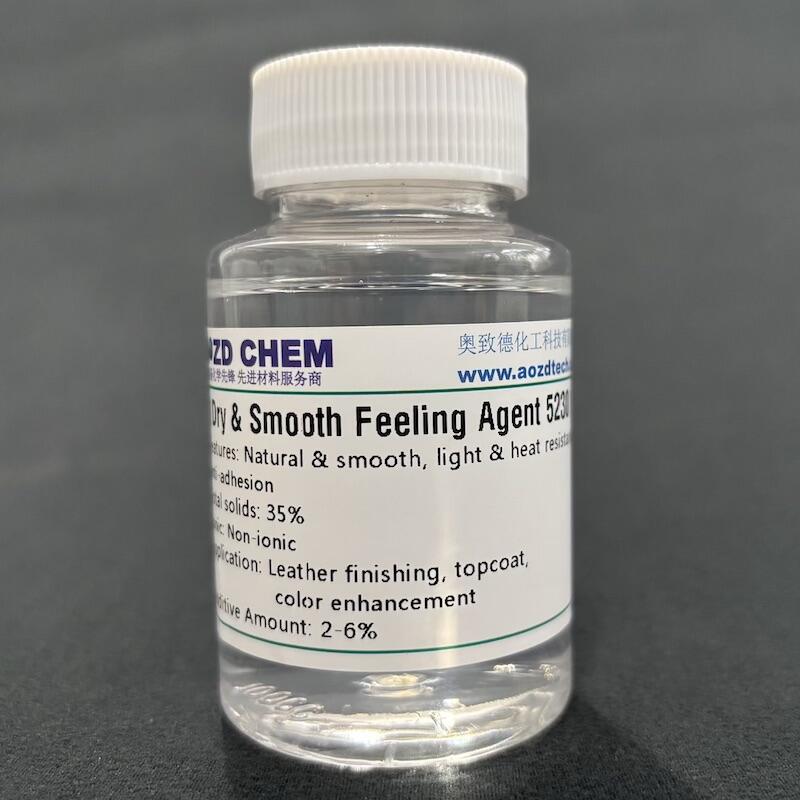
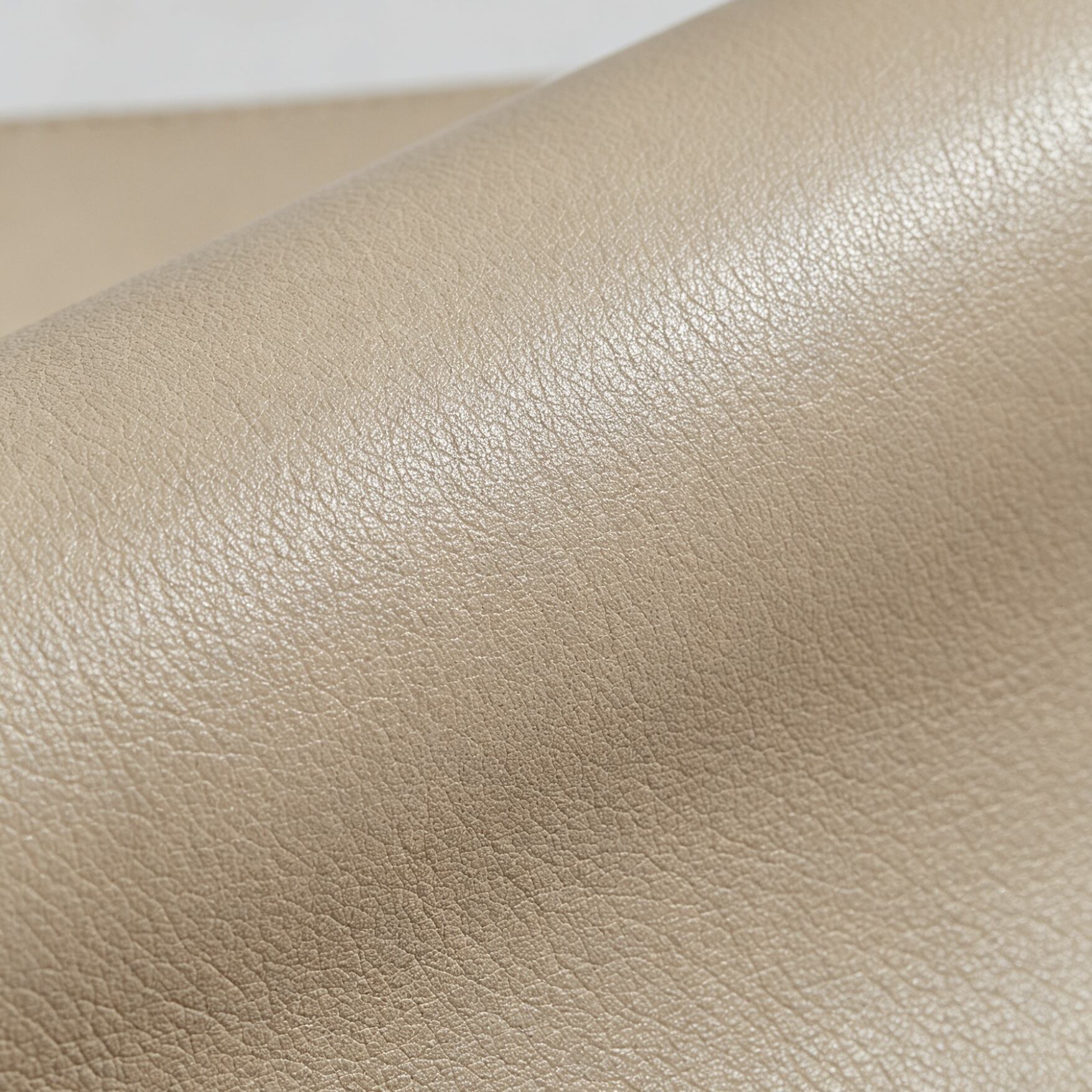
Premium Industrial Leather Chemicals - Advanced Solutions for Modern Leather Processing

All Categories

Get a Free Quote

Our representative will contact you soon.
Email
Name
Company Name
Whatsapp
Message
0/1000

industrial leather chemicals

Industrial leather chemicals represent a sophisticated collection of specialized formulations designed to transform raw hides into high-quality leather products through various processing stages. These advanced chemical solutions encompass a comprehensive range of products including tanning agents, dyes, finishing compounds, and auxiliary chemicals that work synergistically to achieve desired leather characteristics. The main functions of industrial leather chemicals involve preservation, tanning, dyeing, and finishing processes that convert perishable animal hides into durable, flexible, and aesthetically appealing leather materials. Modern industrial leather chemicals utilize cutting-edge technology to ensure consistent quality, environmental compliance, and enhanced performance characteristics. The technological features of these chemicals include pH stability, controlled penetration rates, excellent compatibility with different hide types, and optimized molecular structures that promote uniform distribution throughout the leather matrix. These formulations are engineered to work effectively across various temperature ranges and processing conditions, ensuring reliable results in diverse manufacturing environments. Applications of industrial leather chemicals span multiple industries including automotive, footwear, furniture, fashion accessories, and industrial goods manufacturing. In automotive applications, these chemicals produce leather with enhanced durability, UV resistance, and flame retardancy properties. The footwear industry relies on industrial leather chemicals to create flexible, breathable, and water-resistant leather materials. Furniture manufacturers utilize these chemicals to develop leather with superior stain resistance, color fastness, and long-term durability. The versatility of industrial leather chemicals allows manufacturers to customize leather properties according to specific end-use requirements, making them indispensable in modern leather production processes.

New Product Releases

Industrial leather chemicals offer numerous practical benefits that directly impact manufacturing efficiency and product quality for leather producers worldwide. These advanced formulations significantly reduce processing time by accelerating chemical reactions during tanning and finishing stages, allowing manufacturers to increase production throughput while maintaining consistent quality standards. The enhanced penetration properties of modern industrial leather chemicals ensure uniform treatment throughout the entire hide thickness, eliminating common defects such as uneven coloration, inconsistent texture, or weak spots that can compromise final product integrity. Cost-effectiveness represents another major advantage, as these chemicals optimize material utilization rates and reduce waste generation through improved process efficiency and better chemical uptake rates. Manufacturers experience lower overall production costs due to reduced chemical consumption, decreased energy requirements, and minimized rework incidents. Environmental compliance becomes achievable through specially formulated industrial leather chemicals that meet stringent regulatory standards while delivering superior performance characteristics. These eco-friendly formulations reduce harmful emissions, minimize water pollution, and support sustainable manufacturing practices without compromising leather quality or processing efficiency. Quality consistency emerges as a critical benefit, with industrial leather chemicals providing predictable results across different hide types, processing conditions, and production batches. This reliability enables manufacturers to maintain strict quality control standards and meet customer specifications consistently. Enhanced leather properties result from advanced chemical engineering, producing materials with improved tensile strength, flexibility, color retention, and resistance to environmental factors such as heat, moisture, and UV radiation. The user-friendly nature of modern industrial leather chemicals simplifies handling procedures, reduces training requirements, and minimizes safety risks through improved formulations and clearer application guidelines. Storage stability ensures longer shelf life and reduced inventory management challenges, while compatibility with existing equipment eliminates costly infrastructure upgrades. These chemicals also enable customization opportunities, allowing manufacturers to develop specialized leather grades for specific applications and market segments, thereby expanding their product portfolio and competitive positioning in diverse markets.

Latest News

How Vortex Spinning Oil Enhances Fiber Production

26

Nov

How Vortex Spinning Oil Enhances Fiber Production

Introduction Oils are essential in the textile manufacturing process, helping fibers move smoothly through machinery and ultimately producing better quality fabric. Of all the different types available, Vortex Spinning Oil has become something of a ...
View More
High-End Leather Feel Modifiers: Enhancing Product Appeal

26

Nov

High-End Leather Feel Modifiers: Enhancing Product Appeal

Understanding High-End Leather Feel Modifiers Leather feel modifiers for high end products are basically special treatments that get applied to leather goods to make them nicer to touch and look at overall. These treatments really bump up how good q...
View More
How Vortex Spinning Oil Transforms Traditional Textile Production

26

Nov

How Vortex Spinning Oil Transforms Traditional Textile Production

What is Vortex Spinning Oil Vortex Spinning Oil serves as a unique lubricant specifically made for those tricky vortex spinning machines. What sets it apart is how it cuts down on friction while making the whole yarn production process run smoother ...
View More
What Are the Effects of Vortex Spinning Oil on Yarn Smoothness?

08

Jan

What Are the Effects of Vortex Spinning Oil on Yarn Smoothness?

The textile manufacturing industry has witnessed remarkable advancements in spinning technologies, with vortex spinning emerging as a revolutionary method that significantly transforms yarn production. At the heart of this innovative process lies vor...
View More

Get a Free Quote

Our representative will contact you soon.
Email
Name
Company Name
Whatsapp
Message
0/1000

industrial leather chemicals

Advanced Chemical Formulation Technology

Advanced Chemical Formulation Technology

The sophisticated formulation technology behind industrial leather chemicals represents a breakthrough in leather processing science, incorporating years of research and development to create highly efficient, environmentally responsible solutions. These advanced formulations utilize proprietary molecular engineering techniques that optimize chemical interaction with protein structures in animal hides, ensuring maximum effectiveness while minimizing environmental impact. The technology employs carefully balanced pH systems that maintain optimal conditions throughout various processing stages, preventing unwanted chemical reactions that could compromise leather quality or processing efficiency. Modern industrial leather chemicals feature controlled-release mechanisms that provide sustained chemical activity over extended periods, reducing the need for multiple applications and improving overall process economics. The formulation technology incorporates advanced surfactant systems that enhance chemical penetration and distribution, ensuring uniform treatment even in thick or dense hide areas that traditionally posed processing challenges. These chemicals are engineered with built-in compatibility features that work seamlessly with different hide types, processing equipment, and environmental conditions, providing consistent results regardless of operational variables. The technology also includes innovative buffering systems that maintain chemical stability under varying temperature and humidity conditions, ensuring reliable performance across different geographic locations and seasonal variations. Quality control measures are integrated into the formulation process, with each batch undergoing rigorous testing to verify performance characteristics, environmental compliance, and safety parameters. This technological approach results in industrial leather chemicals that deliver superior performance while meeting increasingly stringent environmental regulations and sustainability requirements. The advanced formulation technology enables precise customization of chemical properties to match specific leather applications, from automotive upholstery requiring enhanced durability to fashion leather demanding exceptional color vibrancy and texture. These innovations position industrial leather chemicals as essential tools for modern leather manufacturers seeking competitive advantages through improved product quality, operational efficiency, and environmental stewardship.
Superior Process Efficiency and Cost Optimization

Superior Process Efficiency and Cost Optimization

Industrial leather chemicals deliver exceptional process efficiency through scientifically engineered formulations that streamline leather manufacturing operations while reducing overall production costs and resource consumption. These chemicals are specifically designed to accelerate chemical reactions during critical processing stages, significantly reducing cycle times and enabling manufacturers to achieve higher production volumes without compromising quality standards. The enhanced efficiency stems from optimized chemical kinetics that promote rapid but controlled reactions, ensuring complete hide transformation while preventing over-processing or chemical waste. Modern industrial leather chemicals feature improved penetration characteristics that ensure uniform chemical distribution throughout hide thickness, eliminating the need for extended processing times or additional chemical applications. This efficiency translates directly into cost savings through reduced chemical consumption, lower energy requirements, and decreased water usage during processing operations. The optimized formulations require smaller quantities to achieve desired results compared to traditional chemicals, resulting in lower raw material costs and reduced storage requirements. Process efficiency is further enhanced through compatibility with automated systems and modern processing equipment, enabling manufacturers to implement advanced production techniques that maximize throughput and minimize labor requirements. These chemicals also reduce downtime associated with equipment cleaning and maintenance by minimizing chemical residue buildup and preventing corrosion of processing machinery. Quality consistency achieved through superior process efficiency eliminates costly rework procedures and reduces waste generation, contributing to improved profit margins and environmental sustainability. The streamlined processing enabled by these chemicals allows manufacturers to respond quickly to market demands and customer requirements, providing competitive advantages in dynamic market conditions. Additionally, the reduced complexity of chemical handling and application procedures simplifies operator training and reduces the likelihood of processing errors that could impact product quality or safety. This comprehensive approach to process optimization makes industrial leather chemicals essential investments for manufacturers seeking to improve operational efficiency, reduce production costs, and maintain competitive positioning in the global leather market.
Environmental Sustainability and Regulatory Compliance

Environmental Sustainability and Regulatory Compliance

Environmental sustainability represents a fundamental advantage of modern industrial leather chemicals, which are specifically formulated to meet stringent environmental regulations while maintaining exceptional performance standards in leather processing applications. These advanced chemicals incorporate biodegradable components that break down safely in natural environments, reducing long-term environmental impact and supporting sustainable manufacturing practices throughout the leather industry. The formulation process emphasizes the elimination or significant reduction of harmful substances such as heavy metals, volatile organic compounds, and toxic additives that historically posed environmental challenges in leather production. Modern industrial leather chemicals utilize water-based systems wherever possible, reducing solvent emissions and improving workplace air quality while maintaining excellent processing performance. These environmentally conscious formulations support closed-loop water systems, enabling manufacturers to recycle and reuse process water, thereby reducing overall water consumption and minimizing wastewater discharge. Regulatory compliance is built into the chemical design process, ensuring that products meet or exceed requirements established by environmental protection agencies, occupational safety organizations, and industry regulatory bodies worldwide. This proactive approach to compliance reduces regulatory risks for manufacturers and facilitates market access in regions with strict environmental standards. The sustainable nature of these chemicals extends to packaging and transportation, with concentrated formulations reducing shipping volumes and packaging waste while maintaining product integrity and shelf life. Energy efficiency is enhanced through optimized reaction conditions that require lower processing temperatures and reduced heating requirements, contributing to overall carbon footprint reduction in leather manufacturing operations. These chemicals also support circular economy principles by enabling the processing of leather waste and by-products into valuable secondary materials, reducing overall waste generation and supporting resource conservation efforts. Manufacturers using environmentally sustainable industrial leather chemicals can leverage these benefits for marketing advantages, meeting consumer demands for responsibly produced goods and supporting corporate sustainability initiatives. The long-term cost benefits of environmental compliance include reduced regulatory fees, lower waste disposal costs, and improved brand reputation that can translate into market advantages and customer loyalty in increasingly environmentally conscious markets.

Get a Free Quote

Our representative will contact you soon.
Email
Name
Company Name
Whatsapp
Message
0/1000