Premium Leather Feel Modifiers Factory - Advanced Chemical Solutions for Synthetic Materials

All Categories

Get a Free Quote

Our representative will contact you soon.
Email
Name
Company Name
Whatsapp
Message
0/1000

leather feel modifiers factory

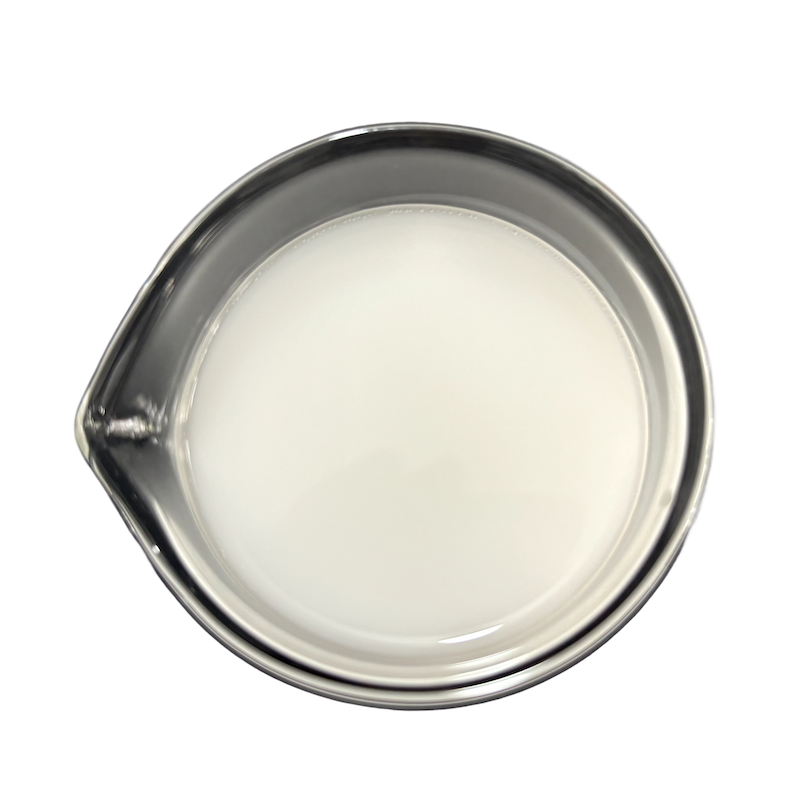
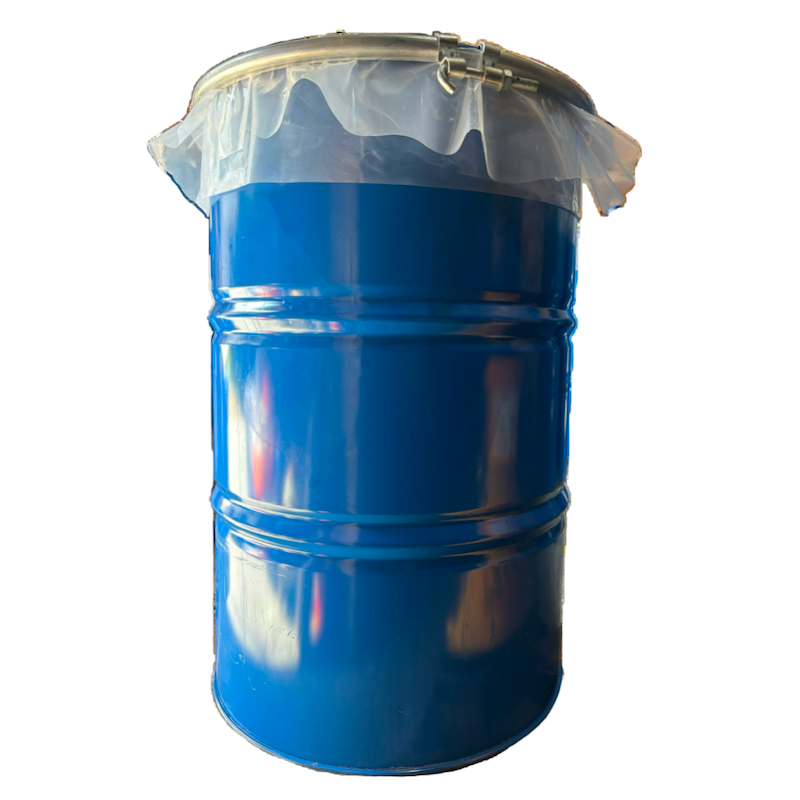
A leather feel modifiers factory represents a specialized manufacturing facility dedicated to producing chemical additives that transform synthetic materials into products with authentic leather-like tactile properties. These facilities operate as sophisticated production centers where polymer chemistry meets advanced material science, creating compounds that enhance surface texture, flexibility, and sensory appeal of various substrates. The primary function of a leather feel modifiers factory involves synthesizing specialized chemical formulations that modify the surface characteristics of materials such as plastics, textiles, and synthetic polymers. Through precise chemical engineering processes, these factories produce additives that can be incorporated during manufacturing or applied as post-treatment solutions to achieve desired leather-like qualities. The technological features of modern leather feel modifiers factory operations include state-of-the-art mixing equipment, temperature-controlled reaction vessels, and quality control laboratories equipped with advanced testing instruments. These facilities utilize computerized monitoring systems to ensure consistent product quality and maintain optimal production parameters throughout the manufacturing process. Automated batching systems guarantee precise ingredient proportions, while specialized filtration and purification equipment removes impurities to deliver high-grade final products. Applications for products from a leather feel modifiers factory span numerous industries including automotive interiors, furniture upholstery, fashion accessories, electronic device cases, and architectural materials. The automotive sector particularly benefits from these modifiers to create dashboard surfaces, seat covers, and interior trim components that provide premium tactile experiences without using genuine leather. Furniture manufacturers integrate these products into synthetic upholstery materials, achieving cost-effective alternatives that maintain aesthetic appeal and durability. The fashion industry employs leather feel modifiers for creating synthetic leather goods, handbags, shoes, and apparel that offer sustainable alternatives to traditional leather products while maintaining consumer appeal and market competitiveness.

New Product Recommendations

The leather feel modifiers factory delivers substantial cost savings compared to traditional leather processing, enabling manufacturers to reduce material expenses by up to sixty percent while maintaining product quality standards. These facilities eliminate the need for expensive hide procurement, lengthy tanning processes, and specialized leather treatment equipment, resulting in streamlined production workflows and reduced operational overhead. Manufacturing businesses benefit from consistent supply availability, avoiding the seasonal fluctuations and quality variations inherent in natural leather markets. The leather feel modifiers factory provides reliable delivery schedules and standardized product specifications that support predictable production planning and inventory management. Environmental sustainability represents another significant advantage, as these facilities reduce dependence on animal-derived materials while minimizing the chemical waste associated with traditional leather tanning processes. Modern leather feel modifiers factory operations implement eco-friendly manufacturing practices, utilizing water-based formulations and recyclable packaging materials that align with corporate sustainability initiatives. Quality consistency emerges as a paramount benefit, with factory-produced modifiers delivering uniform performance characteristics across production batches. This reliability enables manufacturers to maintain consistent product quality, reduce defect rates, and meet stringent industry standards without the variability inherent in natural materials. Customization capabilities allow the leather feel modifiers factory to develop specialized formulations tailored to specific application requirements, whether for automotive interiors requiring enhanced durability or fashion accessories demanding particular aesthetic qualities. Technical support services provided by these facilities include application guidance, troubleshooting assistance, and product optimization recommendations that help customers achieve optimal results in their manufacturing processes. Speed to market advantages become apparent through faster product development cycles, as synthetic alternatives can be formulated and tested more rapidly than sourcing and processing natural leather materials. The leather feel modifiers factory enables manufacturers to respond quickly to market trends, seasonal demands, and customer preferences without lengthy procurement delays. Scalability benefits ensure that production capacity can be adjusted efficiently to meet varying demand levels, supporting both small-batch specialty applications and high-volume manufacturing requirements. Storage and handling advantages include extended shelf life, reduced storage space requirements, and simplified inventory management compared to natural leather materials that require specific environmental conditions and careful handling procedures.

Tips And Tricks

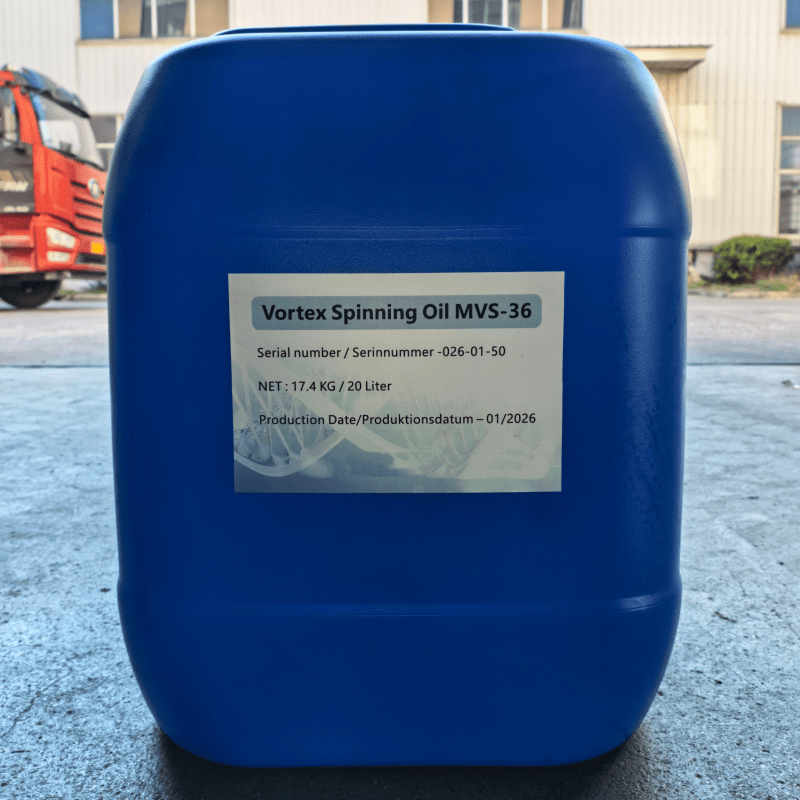
How Vortex Spinning Oil Enhances Fiber Production

26

Nov

How Vortex Spinning Oil Enhances Fiber Production

Introduction Oils are essential in the textile manufacturing process, helping fibers move smoothly through machinery and ultimately producing better quality fabric. Of all the different types available, Vortex Spinning Oil has become something of a ...
View More
What Are the Best Practices for Applying Leather Additives

02

Dec

What Are the Best Practices for Applying Leather Additives

The leather industry relies heavily on various chemical formulations to enhance the quality, durability, and aesthetic appeal of finished products. Understanding the proper application techniques and selection criteria for leather additives can signi...
View More
How Does Silicone Emulsion Interact with Other Leather Chemicals?

08

Jan

How Does Silicone Emulsion Interact with Other Leather Chemicals?

The leather industry relies on complex chemical interactions to achieve desired properties in finished products. Among the various chemicals used in leather processing, silicone emulsion has emerged as a crucial component that significantly impacts t...
View More
What Leather Additives Work Best with Pigmented Finishes?

08

Jan

What Leather Additives Work Best with Pigmented Finishes?

The leather industry relies heavily on specialized chemical formulations to achieve desired aesthetic and functional properties in finished products. When working with pigmented finishes, selecting appropriate leather additives becomes crucial for ac...
View More

Get a Free Quote

Our representative will contact you soon.
Email
Name
Company Name
Whatsapp
Message
0/1000

leather feel modifiers factory

Advanced Chemical Formulation Technology

Advanced Chemical Formulation Technology

The leather feel modifiers factory employs cutting-edge chemical formulation technology that represents the pinnacle of polymer science innovation in creating authentic tactile experiences. This sophisticated approach involves the synthesis of specialized polymer chains and surface-active compounds that interact with substrate materials at the molecular level to produce genuine leather-like sensations. The facility utilizes advanced reactor systems equipped with precise temperature controls, pressure monitoring, and automated ingredient dosing to ensure optimal chemical reactions occur consistently across production batches. Research and development laboratories within the leather feel modifiers factory continuously refine formulation chemistry to enhance performance characteristics such as durability, flexibility, and tactile authenticity. These laboratories employ advanced analytical instruments including spectroscopy equipment, rheometers, and surface tension analyzers to characterize product properties and validate performance standards. The formulation technology incorporates multiple chemical components including plasticizers that enhance flexibility, texturing agents that create surface topography, and stabilizers that ensure long-term performance stability. Quality control protocols verify that each batch meets stringent specifications for viscosity, adhesion properties, and tactile characteristics before product release. The leather feel modifiers factory invests significantly in maintaining technological leadership through ongoing equipment upgrades, staff training programs, and collaboration with academic institutions. This commitment to technological advancement ensures that customers receive products incorporating the latest innovations in material science and chemical engineering. The facility's capability to develop custom formulations for specific applications demonstrates the versatility and adaptability of their chemical formulation technology. Whether creating modifiers for high-temperature automotive applications or flexible textiles requiring enhanced durability, the technological infrastructure supports diverse product development requirements while maintaining consistent quality standards.
Comprehensive Quality Assurance Systems

Comprehensive Quality Assurance Systems

The leather feel modifiers factory implements comprehensive quality assurance systems that guarantee consistent product performance and customer satisfaction through rigorous testing protocols and continuous monitoring procedures. These systems encompass every aspect of the manufacturing process from raw material inspection to final product validation, ensuring that all output meets or exceeds established quality standards. Incoming raw materials undergo thorough analytical testing to verify composition, purity levels, and compatibility with production processes before being approved for use in manufacturing operations. The quality assurance framework includes in-process monitoring at critical control points throughout production, utilizing automated sampling systems and real-time analytical instruments to detect any deviations from specified parameters. Laboratory testing protocols evaluate multiple performance characteristics including adhesion strength, flexibility retention, thermal stability, and surface texture properties to ensure comprehensive product validation. The leather feel modifiers factory maintains accreditation to international quality management standards, demonstrating commitment to systematic quality control practices and continuous improvement initiatives. Traceability systems enable complete documentation of production history for each product batch, supporting customer requirements for quality documentation and regulatory compliance. Statistical process control methods analyze production data trends to identify potential quality issues before they impact product performance, enabling proactive corrective actions that maintain consistent output quality. Customer feedback integration processes capture field performance data and incorporate lessons learned into quality improvement initiatives, ensuring that product development efforts address real-world application challenges. The facility employs certified quality professionals who oversee all quality assurance activities and coordinate with production teams to implement corrective actions when needed. Regular internal audits and third-party assessments validate the effectiveness of quality systems and identify opportunities for enhancement. Training programs ensure that all personnel understand quality requirements and their role in maintaining product excellence throughout the manufacturing process.
Sustainable Manufacturing Practices

Sustainable Manufacturing Practices

The leather feel modifiers factory demonstrates exceptional commitment to sustainable manufacturing practices that minimize environmental impact while delivering high-performance products to customers across diverse industries. This comprehensive sustainability approach encompasses resource conservation, waste reduction, and eco-friendly product development that aligns with global environmental protection initiatives. Water-based formulation chemistry reduces volatile organic compound emissions compared to traditional solvent-based systems, contributing to improved air quality and reduced environmental footprint. The facility implements closed-loop water recycling systems that minimize freshwater consumption and prevent wastewater discharge that could impact local ecosystems. Energy efficiency initiatives include advanced heating and cooling systems, LED lighting throughout the facility, and optimized production scheduling to reduce overall energy consumption. The leather feel modifiers factory sources raw materials from suppliers committed to sustainable practices, ensuring that the entire supply chain supports environmental responsibility objectives. Waste minimization programs focus on reducing packaging materials, recycling production byproducts, and implementing lean manufacturing principles that eliminate unnecessary resource consumption. Green chemistry principles guide product development efforts, emphasizing the use of renewable feedstocks and biodegradable components where technically feasible without compromising product performance. Environmental management systems provide structured approaches to identifying, monitoring, and reducing environmental impacts associated with manufacturing operations. Regular environmental audits assess compliance with regulatory requirements and identify opportunities for additional sustainability improvements. The facility participates in industry sustainability initiatives and maintains certifications that validate environmental management practices. Employee training programs promote environmental awareness and encourage sustainable practices in daily operations. Carbon footprint reduction strategies include optimizing transportation logistics, supporting local supplier networks, and implementing renewable energy systems where practical. Life cycle assessment methodologies evaluate the environmental impact of products from raw material extraction through end-of-life disposal, informing product design decisions that minimize overall environmental impact. These sustainable manufacturing practices position the leather feel modifiers factory as a responsible industry leader while providing customers with environmentally conscious product solutions.

Get a Free Quote

Our representative will contact you soon.
Email
Name
Company Name
Whatsapp
Message
0/1000