Premium Leather Finishing Chemicals for Enhanced Durability - Advanced Protection Solutions

All Categories

Get a Free Quote

Our representative will contact you soon.
Email
Name
Company Name
Whatsapp
Message
0/1000

leather finishing chemicals for durability enhancement

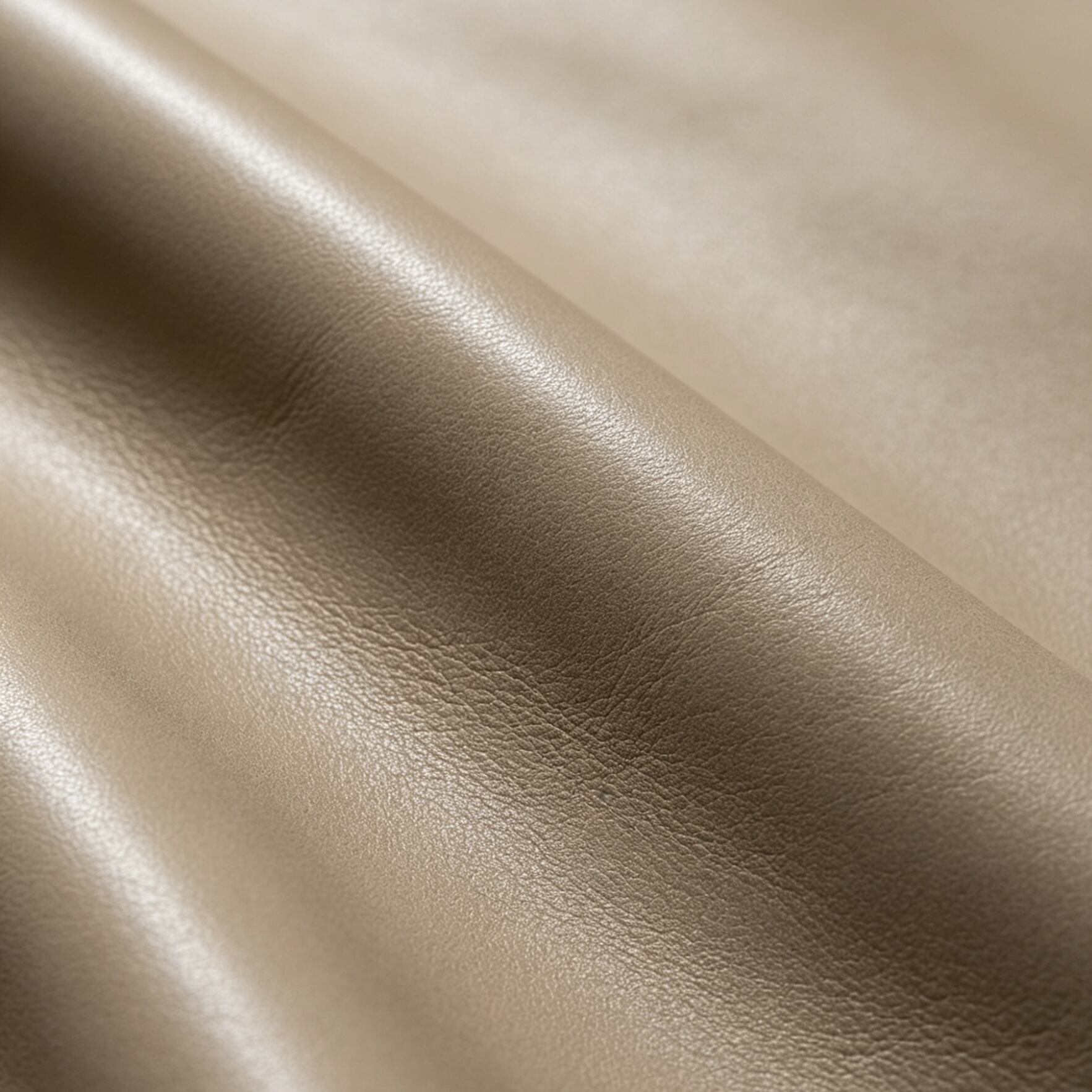
Leather finishing chemicals for durability enhancement represent a sophisticated category of specialized formulations designed to significantly improve the longevity and performance characteristics of leather products. These advanced chemical solutions work at the molecular level to strengthen leather fibers, creating protective barriers that resist environmental damage while maintaining the material's natural flexibility and appearance. The primary functions of leather finishing chemicals for durability enhancement include moisture resistance, UV protection, abrasion resistance, and chemical stability enhancement. These formulations typically contain polymer-based compounds, cross-linking agents, and protective additives that penetrate deep into leather structures to create lasting improvements. The technological features of modern leather finishing chemicals for durability enhancement incorporate nano-technology applications, allowing for deeper penetration and more effective bonding with leather proteins. These chemicals utilize advanced polymer chemistry to create flexible yet durable surface treatments that maintain breathability while providing superior protection. The application methods vary depending on the specific type of leather and intended use, ranging from spray applications to dip-coating processes. Industries utilizing leather finishing chemicals for durability enhancement include automotive manufacturing, furniture production, footwear manufacturing, and luxury goods creation. Automotive applications particularly benefit from these chemicals as they must withstand extreme temperature variations, UV exposure, and frequent use. Furniture manufacturers rely on these treatments to ensure upholstery maintains its appearance and functionality over extended periods. The footwear industry uses leather finishing chemicals for durability enhancement to create products that withstand daily wear while maintaining comfort and appearance. These chemicals also find applications in protective equipment manufacturing, where leather components must meet stringent safety standards while providing long-term reliability.

Popular Products

Leather finishing chemicals for durability enhancement offer numerous practical benefits that directly impact product performance and customer satisfaction. These specialized treatments extend the useful life of leather products by up to 300 percent compared to untreated materials, providing exceptional value for manufacturers and end-users alike. The enhanced durability translates into reduced replacement costs and improved customer satisfaction ratings across various applications. One significant advantage involves superior moisture resistance, which prevents water damage, staining, and bacterial growth that typically degrades leather quality over time. This moisture protection maintains the leather's structural integrity while preventing cracking, peeling, and discoloration that commonly occurs with exposure to humidity and liquid spills. The UV protection capabilities of leather finishing chemicals for durability enhancement prevent color fading and surface degradation caused by prolonged sun exposure, particularly important for automotive and outdoor furniture applications. These treatments maintain color vibrancy and surface texture integrity even under harsh environmental conditions. Temperature resistance represents another crucial advantage, allowing treated leather to withstand extreme heat and cold without becoming brittle or losing flexibility. This characteristic proves essential for automotive interiors that experience significant temperature fluctuations throughout different seasons. The improved abrasion resistance provided by leather finishing chemicals for durability enhancement reduces wear patterns and surface damage from regular use, maintaining the leather's aesthetic appeal and functional properties. This benefit particularly impacts high-traffic applications such as commercial furniture and heavy-duty work equipment. Cost-effectiveness emerges as a major advantage since the initial investment in leather finishing chemicals for durability enhancement results in substantial long-term savings through reduced maintenance requirements and extended replacement intervals. Manufacturing efficiency improves through consistent application processes that ensure uniform quality across production batches. Environmental benefits include reduced waste generation due to longer product lifecycles and decreased need for replacement materials. The chemicals also enhance stain resistance, making leather surfaces easier to clean and maintain, reducing the need for harsh cleaning chemicals that can damage untreated leather. Safety improvements result from enhanced fire resistance properties in many formulations, meeting stringent safety regulations while maintaining performance characteristics.

Latest News

Unlocking Potential: The Power of Additives in Modern Manufacturing

26

Nov

Unlocking Potential: The Power of Additives in Modern Manufacturing

Understanding Additives in Modern Manufacturing Additives play a vital role in modern manufacturing processes across various industries. They're basically substances mixed into materials to boost performance in ways the base material just can't do o...
View More
Top 10 FAQs: Everything You Need to Know About Expandable Microspheres

26

Nov

Top 10 FAQs: Everything You Need to Know About Expandable Microspheres

What Are Expandable Microspheres Expandable microspheres stand out as special materials basically made up of tiny hollow balls that get much bigger when they meet heat. What makes them work so well is their clever construction with a thin polymer sh...
View More
How Does Silicone Dispersion Improve Water Resistance in Coatings

02

Dec

How Does Silicone Dispersion Improve Water Resistance in Coatings

Water resistance stands as one of the most critical performance characteristics in modern coating applications across industries ranging from automotive to marine environments. Traditional coatings often struggle to maintain their protective properti...
View More
What Are the Effects of Vortex Spinning Oil on Yarn Smoothness?

08

Jan

What Are the Effects of Vortex Spinning Oil on Yarn Smoothness?

The textile manufacturing industry has witnessed remarkable advancements in spinning technologies, with vortex spinning emerging as a revolutionary method that significantly transforms yarn production. At the heart of this innovative process lies vor...
View More

Get a Free Quote

Our representative will contact you soon.
Email
Name
Company Name
Whatsapp
Message
0/1000

leather finishing chemicals for durability enhancement

Advanced Polymer Technology Integration

Advanced Polymer Technology Integration

The integration of advanced polymer technology in leather finishing chemicals for durability enhancement represents a revolutionary approach to leather treatment that fundamentally transforms material properties at the molecular level. This sophisticated technology utilizes specially formulated polymer chains that create a three-dimensional network within the leather structure, providing unprecedented protection and durability enhancement. The polymer matrix forms through controlled cross-linking reactions that occur during the curing process, creating a flexible yet robust protective layer that maintains the leather's natural characteristics while significantly improving its resistance to environmental factors. These advanced polymers demonstrate exceptional adhesion properties, ensuring long-lasting bonds with leather proteins that resist delamination even under extreme stress conditions. The technology incorporates smart polymer systems that respond to environmental changes, providing adaptive protection that adjusts to varying temperature and humidity conditions. This adaptive capability ensures consistent performance across diverse operating environments, from arctic conditions to tropical climates. The polymer integration process utilizes nano-scale particles that penetrate deep into leather pores, creating comprehensive protection throughout the material thickness rather than merely surface-level treatment. This deep penetration approach ensures that leather finishing chemicals for durability enhancement provide uniform protection that cannot be easily worn away through normal use. The polymer technology also enables the incorporation of additional functional properties such as antimicrobial protection, static electricity dissipation, and enhanced flame resistance without compromising the leather's flexibility or breathability. Manufacturing processes benefit from the controlled application characteristics of these polymer-based systems, allowing for precise treatment application that ensures consistent quality and performance across production batches. The polymer matrix creates a barrier against chemical contamination while maintaining permeability for moisture vapor transmission, preventing the buildup of condensation that could lead to bacterial growth or material degradation. This technology represents a significant advancement over traditional leather treatments, offering superior durability, longevity, and performance characteristics that meet the demanding requirements of modern applications.
Multi-Layer Protection System

Multi-Layer Protection System

The multi-layer protection system incorporated in leather finishing chemicals for durability enhancement creates a comprehensive defense mechanism that addresses multiple degradation pathways simultaneously, ensuring superior performance across diverse environmental conditions and use scenarios. This innovative approach utilizes a stratified treatment structure where each layer serves specific protective functions while working synergistically with adjacent layers to provide comprehensive material enhancement. The base layer focuses on deep penetration and protein stabilization, utilizing specialized chemicals that bond directly with collagen fibers to strengthen the leather's structural foundation. This foundational treatment prevents internal degradation processes that commonly lead to material failure over time. The intermediate layer provides barrier protection against moisture, chemicals, and contaminants, creating a selective membrane that allows beneficial vapor transmission while blocking harmful substances. This layer utilizes advanced membrane technology that maintains leather breathability while providing superior protection against liquid penetration and chemical attack. The surface layer delivers aesthetic protection and functional enhancement, including UV resistance, abrasion protection, and stain resistance properties that maintain the leather's appearance and tactile characteristics throughout its service life. This multi-layer approach ensures that leather finishing chemicals for durability enhancement provide redundant protection, meaning that if one layer experiences wear or damage, the remaining layers continue to provide effective protection. The system design allows for customization based on specific application requirements, enabling manufacturers to optimize protection characteristics for particular use cases such as automotive, furniture, or industrial applications. Each layer undergoes controlled curing processes that ensure proper adhesion and compatibility between adjacent layers, preventing delamination or separation that could compromise protection effectiveness. The multi-layer system also enables the incorporation of smart materials and responsive technologies that adapt to environmental conditions, providing dynamic protection that adjusts to changing circumstances. Quality control processes verify the integrity and uniformity of each layer, ensuring consistent performance across production batches and maintaining the high standards required for professional applications.
Sustainable Formulation Excellence

Sustainable Formulation Excellence

The sustainable formulation excellence of modern leather finishing chemicals for durability enhancement represents a paradigm shift toward environmentally responsible manufacturing practices while maintaining superior performance characteristics that meet or exceed traditional treatment standards. These innovative formulations utilize bio-based raw materials and renewable resources wherever possible, reducing dependence on petroleum-derived chemicals while delivering exceptional durability and protection properties. The development process incorporates life-cycle assessment principles that evaluate environmental impact from raw material extraction through end-of-life disposal, ensuring that the overall environmental footprint remains minimal throughout the product lifecycle. Advanced formulation chemistry enables the creation of low-VOC (volatile organic compound) systems that minimize air quality impact during application and curing processes, creating safer working environments for manufacturing personnel while reducing environmental emissions. The sustainable approach includes the development of water-based systems that eliminate the need for hazardous organic solvents, reducing fire hazards and health risks associated with traditional solvent-based treatments. These water-based leather finishing chemicals for durability enhancement demonstrate equivalent or superior performance compared to solvent-based alternatives while offering easier cleanup, reduced storage requirements, and simplified waste disposal procedures. The formulations incorporate recycled and renewable content wherever possible, utilizing post-consumer recycled materials and bio-based polymers that reduce reliance on virgin resources. Energy efficiency considerations influence formulation design, with many systems requiring lower curing temperatures and shorter processing times that reduce energy consumption during manufacturing. The sustainable approach extends to packaging design, utilizing recyclable containers and concentrated formulations that reduce transportation impacts and storage requirements. Biodegradability assessments ensure that chemical components break down safely in natural environments, preventing long-term accumulation and potential ecological damage. The formulation excellence includes compatibility with existing manufacturing equipment and processes, enabling manufacturers to adopt sustainable practices without requiring significant capital investments in new machinery or facility modifications. Quality performance metrics demonstrate that sustainable leather finishing chemicals for durability enhancement meet or exceed the performance standards of traditional formulations, ensuring that environmental responsibility does not compromise product quality or customer satisfaction.

Get a Free Quote

Our representative will contact you soon.
Email
Name
Company Name
Whatsapp
Message
0/1000