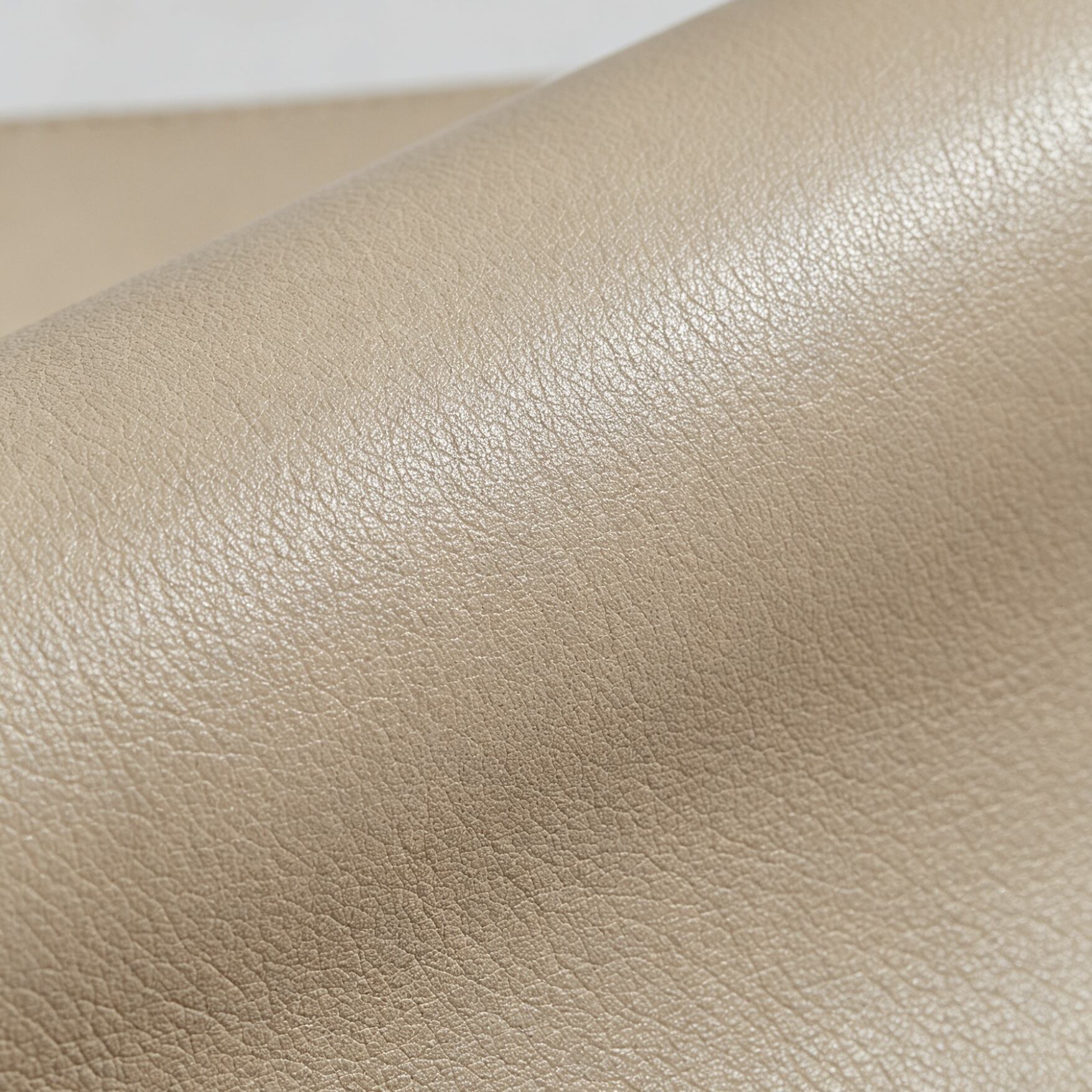
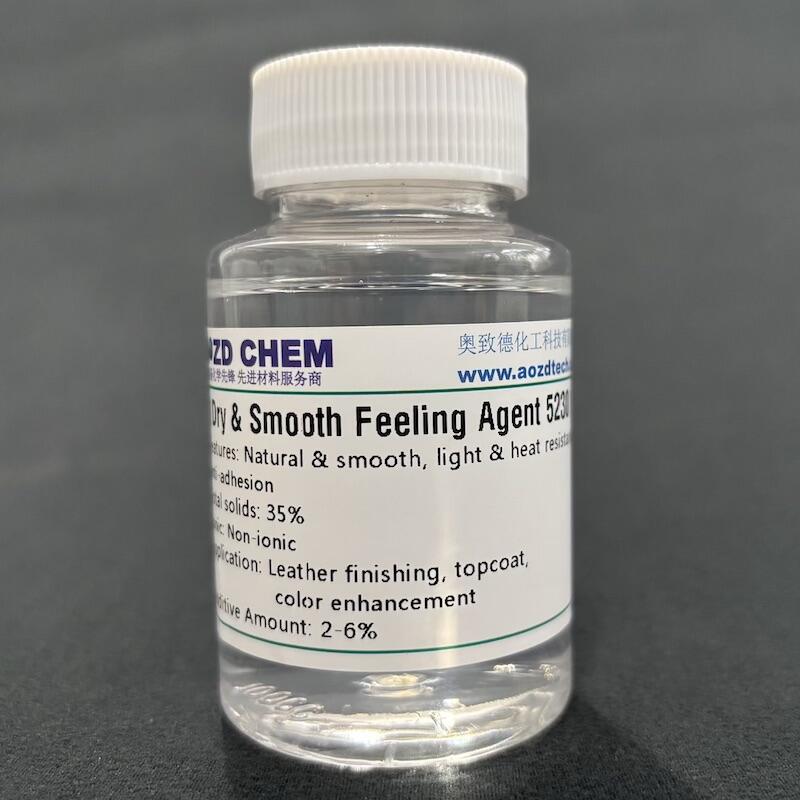
יעילות עיבוד משופרת וצמצום עלויות
יעילות עיבוד משופרת מהווה את היתרונות המרכזיים של כימיקלים מודרניים לעיבוד עור, מהפיכה בשיטת יצרני העור בגישתם לייצור עור תוך הגשת צמצום עלות מדיד. תרכובות כימיות מתקדמות אלו מפשטות את שלבי העיבוד המסורתיים על ידי האצת זמני התגובה ושיפור קצב חדירת הכימיקלים לאורך מבנה העור. מתקני הייצור חווים שיפור משמעותי בתפוקה, מכיוון שכימיקלים לעיבוד עור מקצרים את מחזורי העיבוד מימים למספר שעות ברוב היישומים. הקיצור בזمن מאפשר ליצרנים להגביר את קיבולת הייצור ללא השקעות נוספות בציוד, ומקסם את התשואה על התייצבות הקיימת. עלויות העבודה יורדות באופן משמעותי, מאחר שמערכות אוטומטיות יכולות לפקח ולשלוט ביישום הכימיקלים בצורה מדויקת יותר, ובכך מפחיתות את הצורך בהתערבות ידנית. עקביות באיכות משתפרת באופן דרמטי, מכיוון שכימיקלים אלו מסירים משתנים שגרמו בעבר לשינויים בין מנות, ומבטיחות תוצאות צפויות אשר עומדות בדרישות האיכות החמורות. יעילות אנרגטית מהווה עוד נקודת חיסכון קריטית, שכן כימיקלים מודרניים לעיבוד עור פועלים ביעילות בטמפרטורות נמוכות יותר, מה שמביא לצמצום עלויות החימום וצריכת האנרגיה לאורך מחזורי הייצור. צריכת המים יורדת בזכות יעילות כימית משופרת, ודורשת נפחים קטנים יותר להשגת התוצאה הרצויה, ובכך מייצרת פחות מים שנטו לטיפול. אופטימיזציה של צריכת הכימיקלים מתרחשת באמצעות תרכובות מדויקות שמספקות את האפקטיביות המירבית ליחידת מידה, מה שמביא לצמצום עלויות חומרי הגלם ודרישות האחסון. עלויות התיקון והתחזוקה יורדות, מאחר שתרכובות כימיות עדינות יותר גורמות לקורוזיה ולבליית ציוד עיבוד בדרגה נמוכה יותר, מה שמייקר את חיי המיכון ומפחית את תדירות ההחלפה. יצירת פסולת מינימלית, בזכות שיעורי ניצול כימיים משופרים, מה שמביא לצמצום עלויות הפתרון ועמלות התאמה לסביבה. גמישות בעיבוד מאפשרת ליצרנים להתאים את עצמם במהירות לסוגי עור שונים ולדרישות הלקוחות, ללא שינויים נרחבים בציוד או בשינוי מלאי הכימיקלים. יכולות ניטור בזמן אמת מאפשרות התאמות מיידיות לריכוזי הכימיקלים ולפרמטרי העיבוד, ומניעות את כשל המנות היקר ואת הסcenarios של עבודה חוזרת. שיפורים אלו ביעילות מצטברים עם הזמן, ויוצרים יתרונות תחרותיים משמעותיים לייצרנים המשקיעים בכימיקלים איכותיים לעיבוד עור, ומעמידים אותם במיקום טוב לרווחיות ארוכת טווח להצלחה בשוק.
 EN
EN