סוכן לתחושה של עור PU
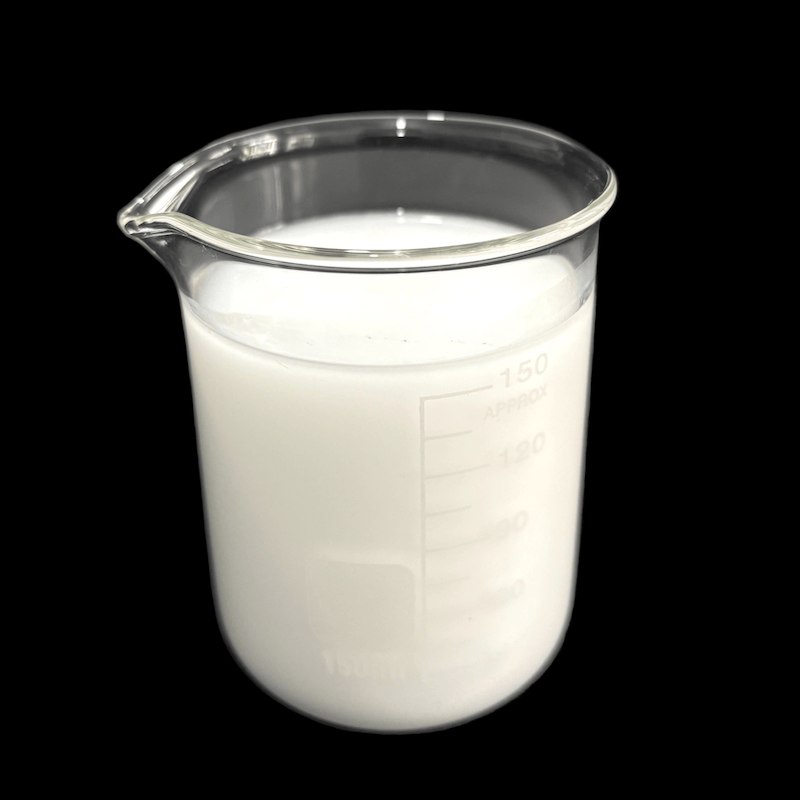
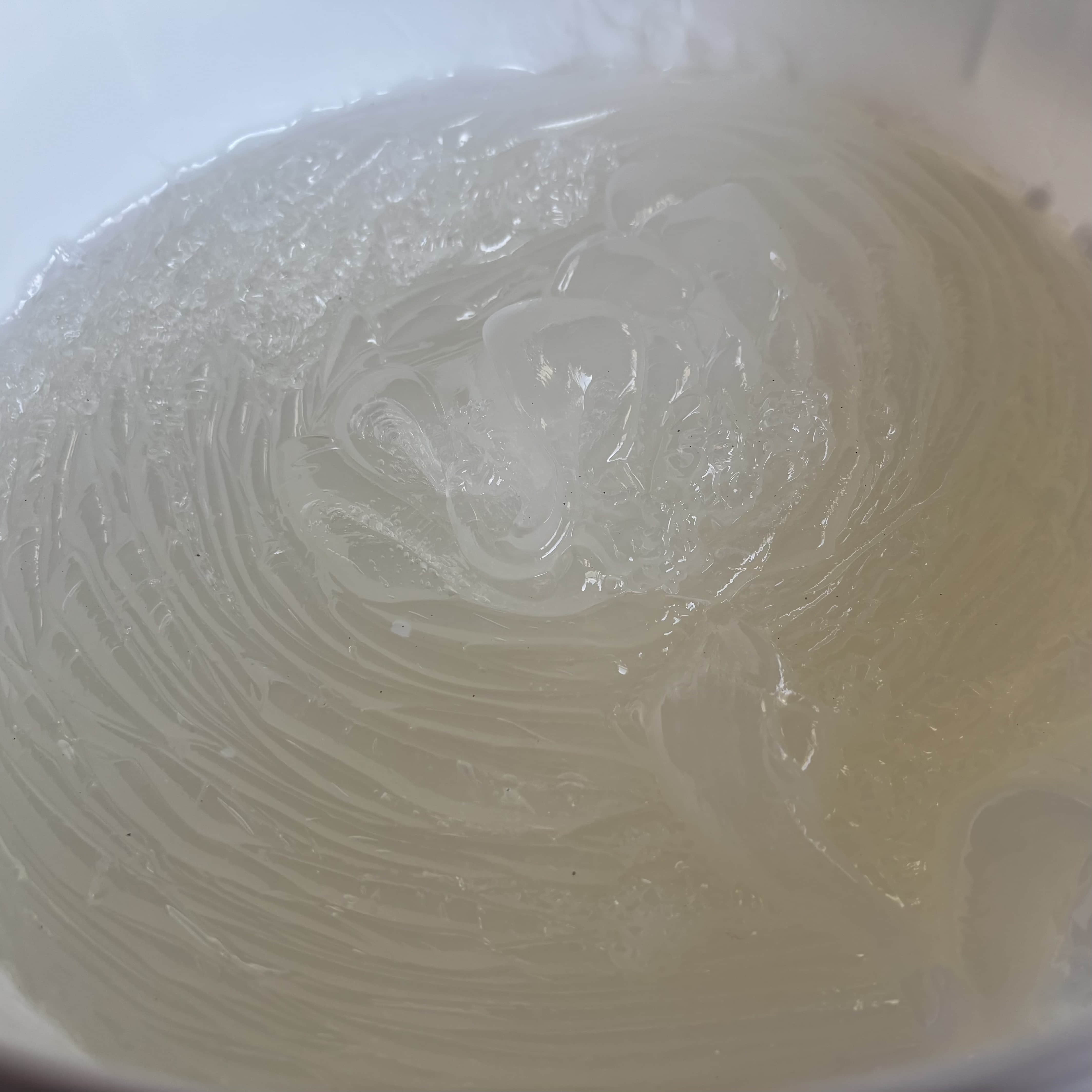
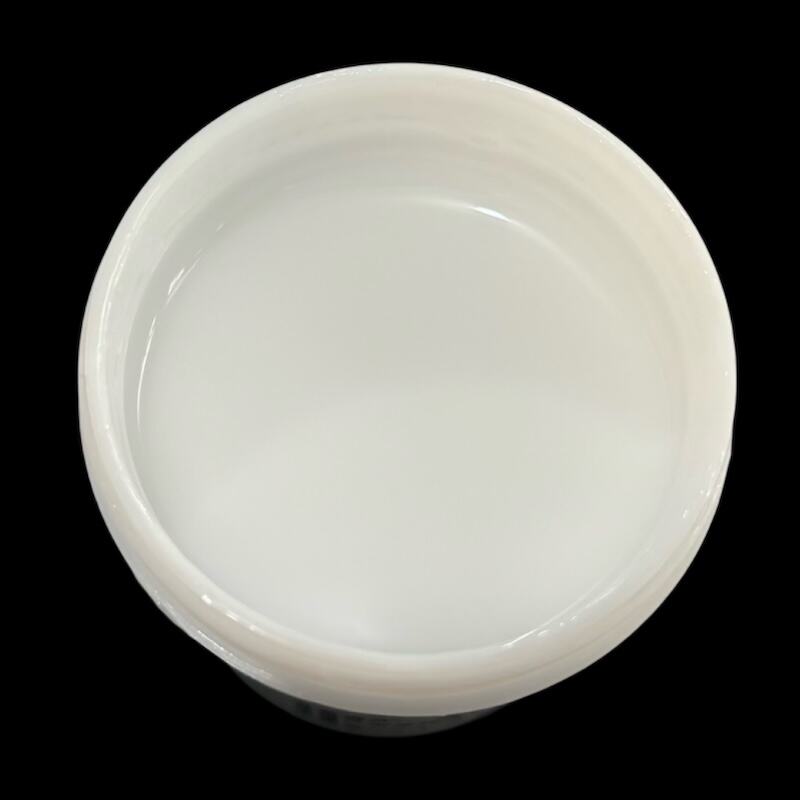
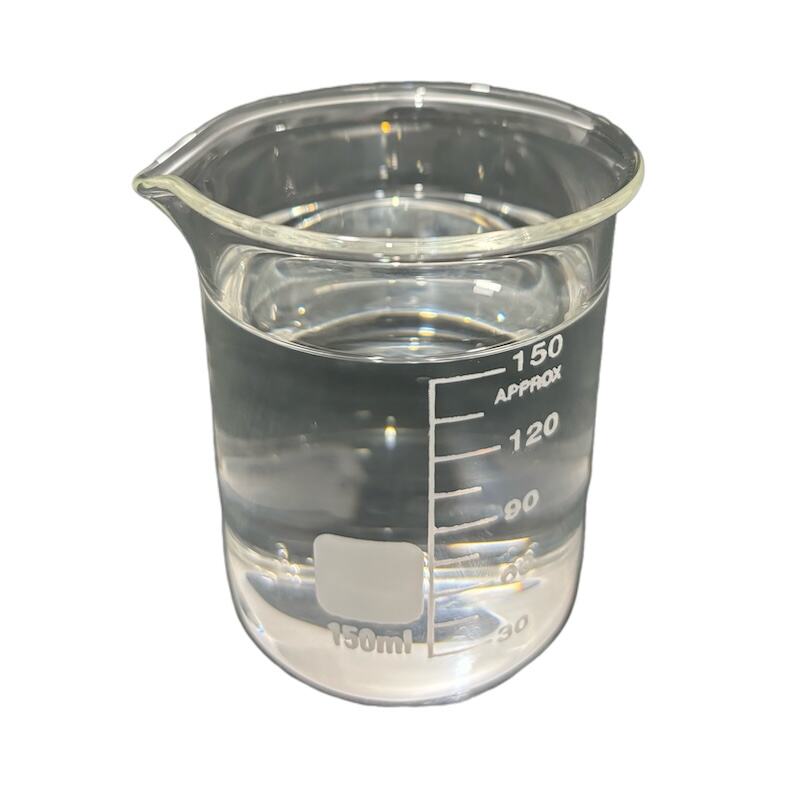
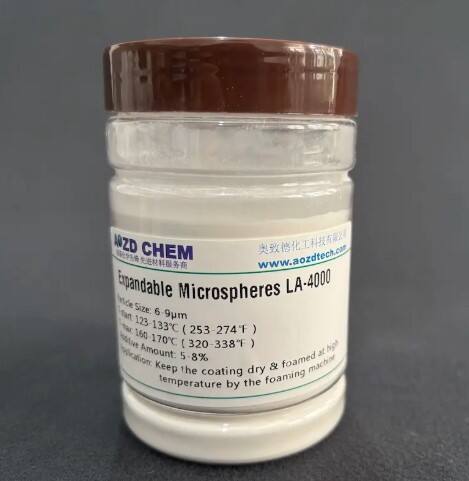
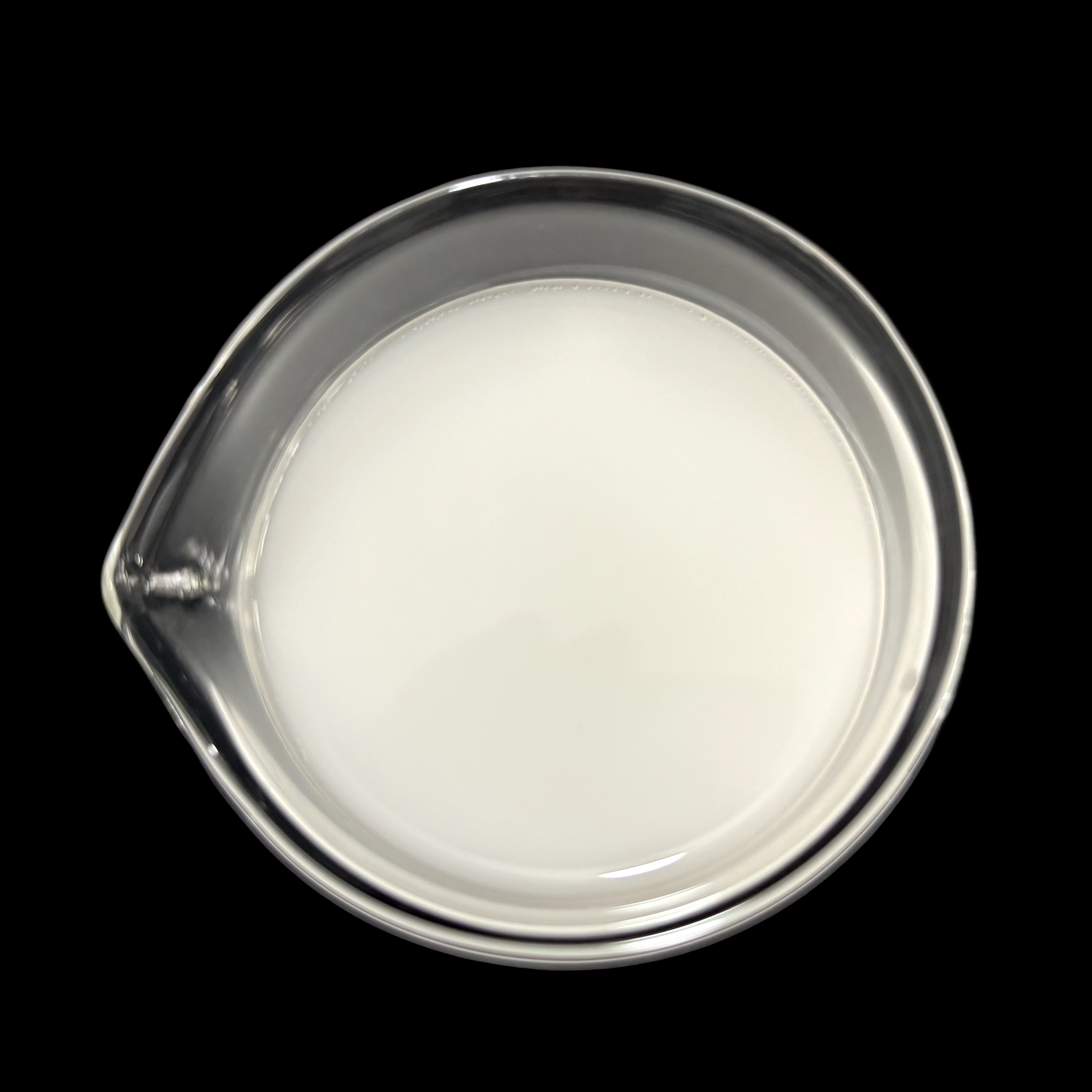
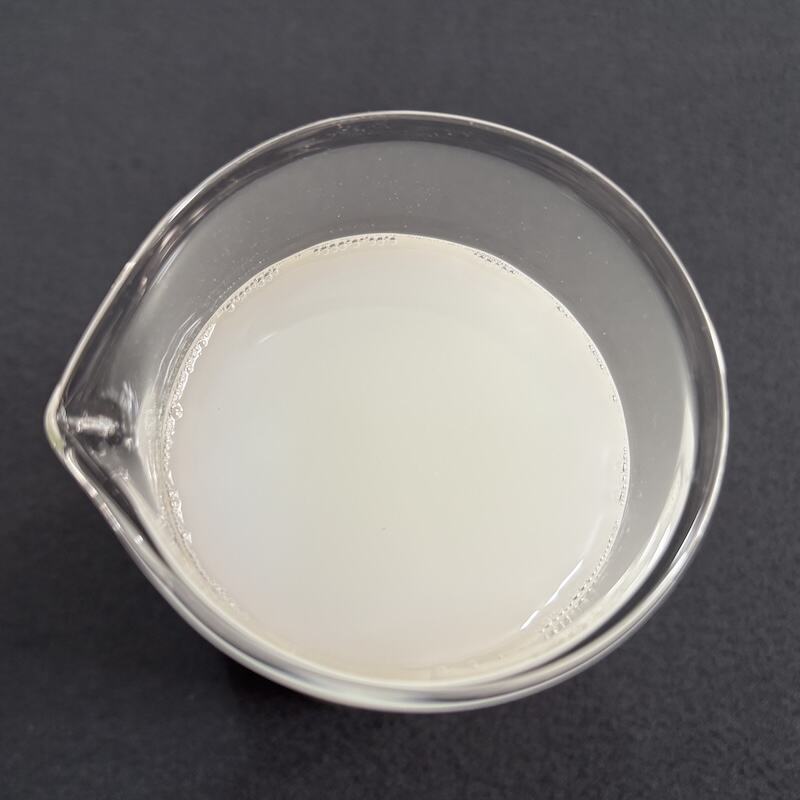
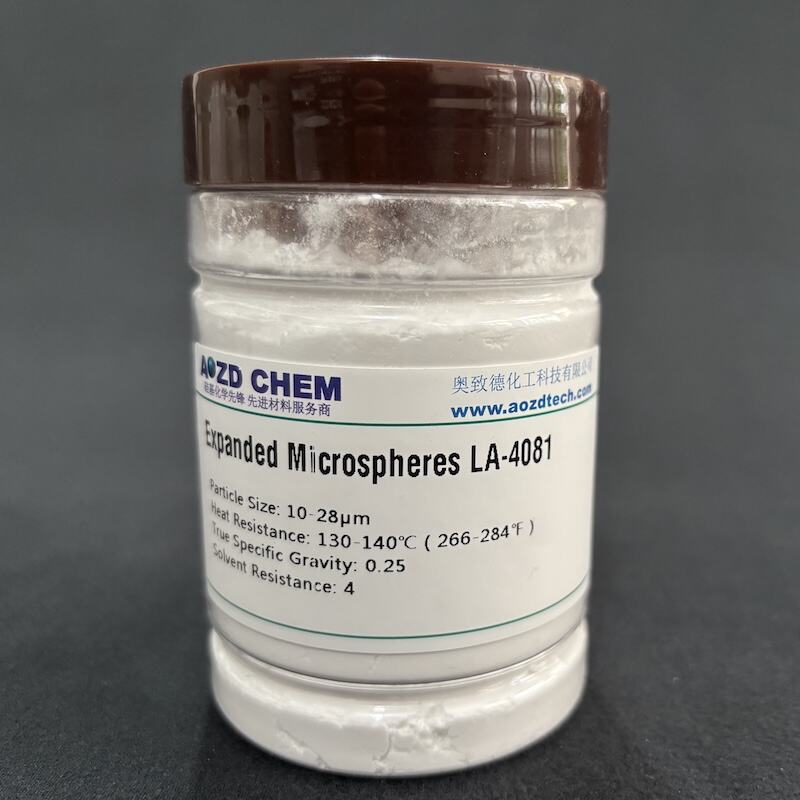
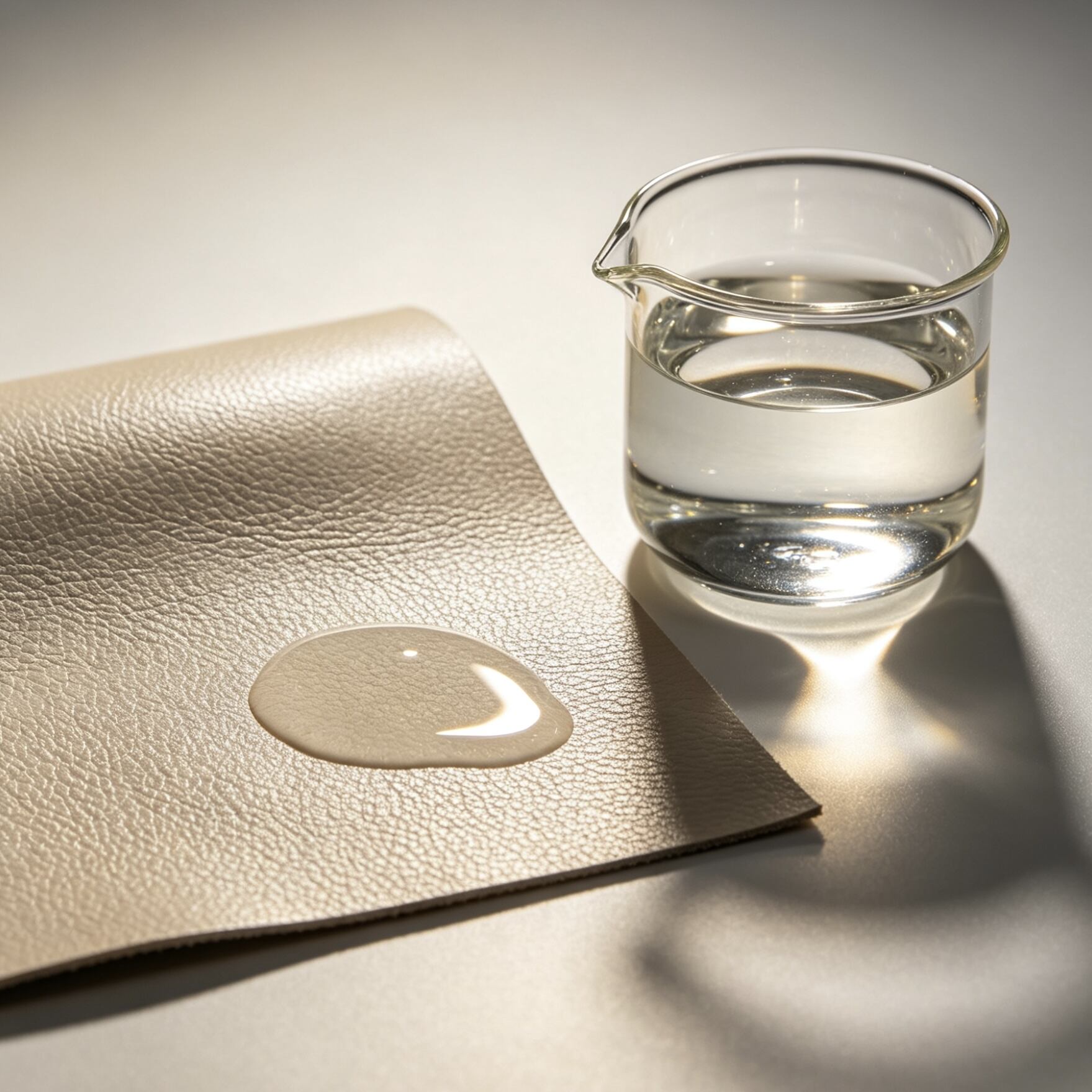
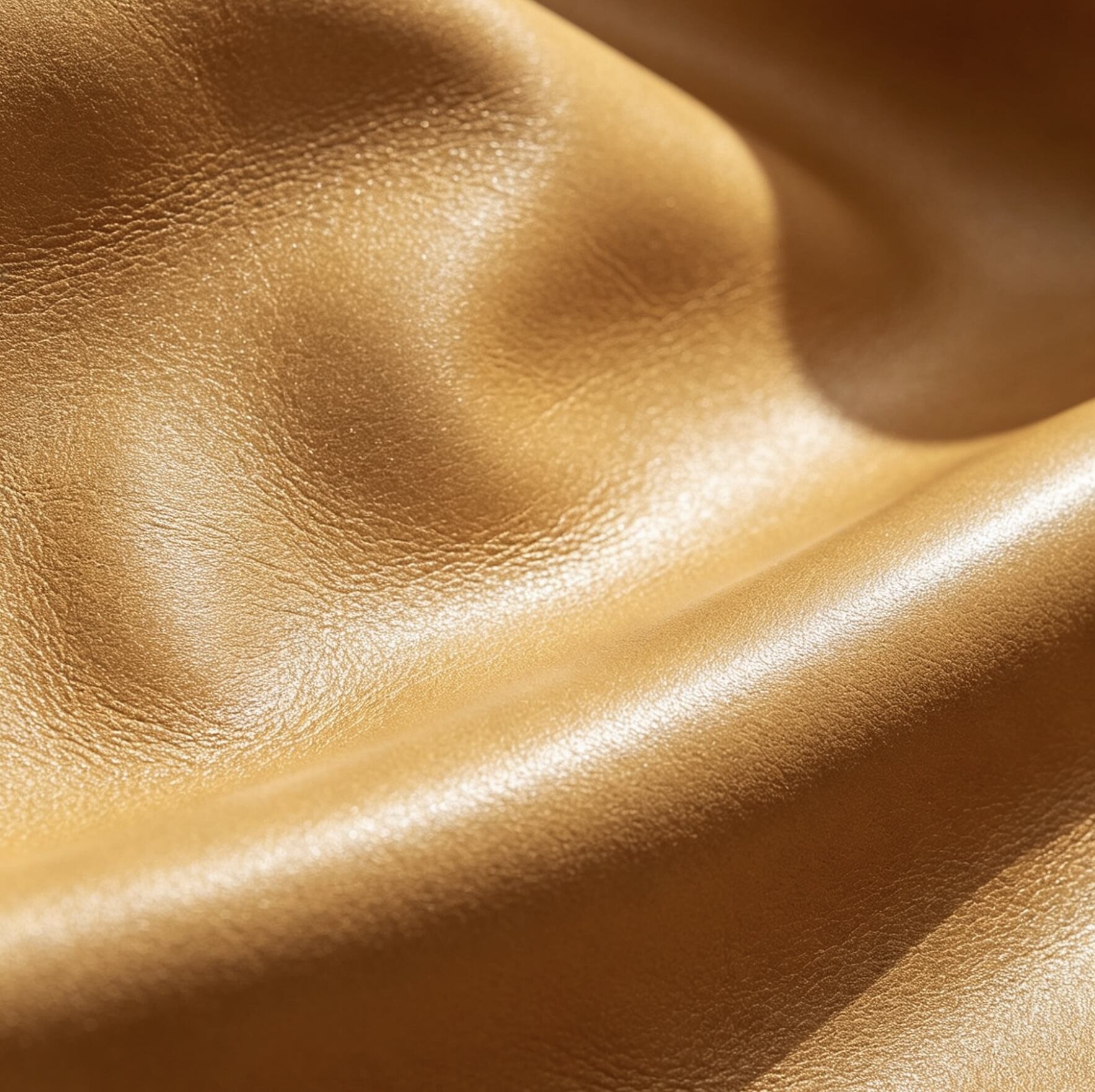
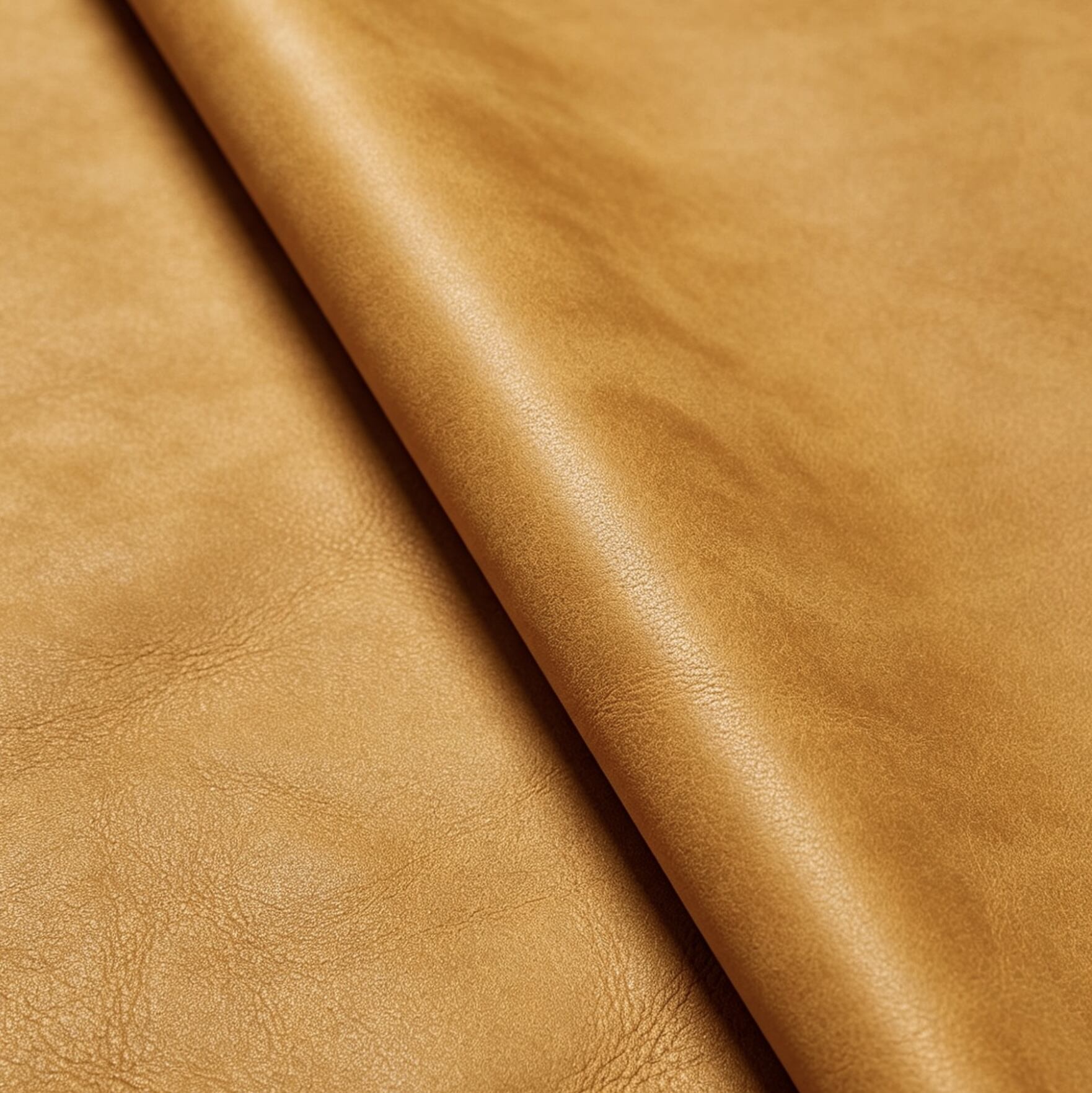
סוכן הרגש של עור PU מייצג התקדמות מהפכנית בטכנולוגיית ייצור עור סינתטי, שנועד לשפר את תכונות המגע ואת המשיכה האסתטית של מוצרי עור מלאכותיים מבוססי פוליורטן. תרכיב כימי מיוחד זה משמש כחלק קריטי בתהליך הייצור, ומאפשר למתמקים להשיג מרקמים ורגשות אותנטיים בדומה לעור, המחקים מקרוב עור חיות אמיתי. סוכן הרגש של עור פו עובד על ידי שינוי המאפיינים של פני השטח של חומרים סינתטיים במהלך הייצור, יצירת מרקמים ומדפוסים מיקרוסקופיים המחקים מבנים של גרגירים טבעיים. תרופות מודרניות כוללות כימיה פולימרית מתקדמת וננוטכנולוגיה כדי לספק ביצועים מעולים בכל מיני יישומים. הסוכן פועל באמצעות תהליך קשר מולקולרי מתוחכם המשלב בצורה חלקה עם תחתי פוליוריתן, מבטיח עמידות ארוכה ושיכפול מרקם עקבי. תכונות טכנולוגיות מפתח כוללות עמידות טמפרטורה, יציבות UV, תכונות דביקה מצוינות שמשמרות שלמות בתנאי סביבה מגוונים. תהליך ההכנה כולל שילובים מאוזנים היטב של חומרים פעילים, פלסטיקייטרים, וחומרים משפרים את הרקמה, שעובדים סינרגיסטית כדי לייצר השפעות מגע רצויות. יישומי הייצור מקיפים תעשיות רבות, כולל טלית רכב, ייצור רהיטים, אביזרי אופנה וייצור נעליים. אמצעי בקרת איכות מבטיחים ביצועים עקביים מסט לסט, בעוד שיקולים סביבתיים הובילו לפיתוח תרופות ידידותיות לסביבה המפחיתה את פליטות תרכובות אורגניות נעות. סוכן הרגש של עור PU מספק גם גמישות מוגברת ועמידות לקרע, משתרעת את חיי המוצר באופן משמעותי בהשוואה לחומרים סינתטיים לא מטופלים. גרסאות מתקדמות כוללות תכונות אנטי מיקרוביות ויכולות עמידות לקלקל, מוסיפות ערך למשתמשים סופיים ביישומים תובעניים. גמישות העיבוד מאפשרת התאמה אישית של עומק מרקם, דפוסי גרגר ומאפייני משטח כדי לענות על דרישות עיצוב ספציפיות במקטעים שונים של השוק.

 EN
EN