Premium Leather Finishing Chemicals for Abrasion Resistance - Advanced Protection Solutions

All Categories

Get a Free Quote

Our representative will contact you soon.
Email
Name
Company Name
Whatsapp
Message
0/1000

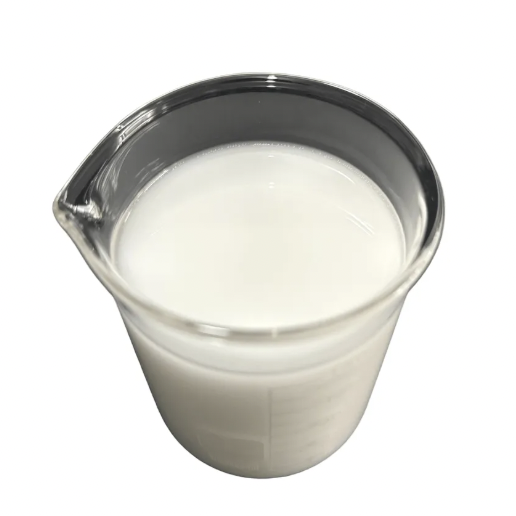
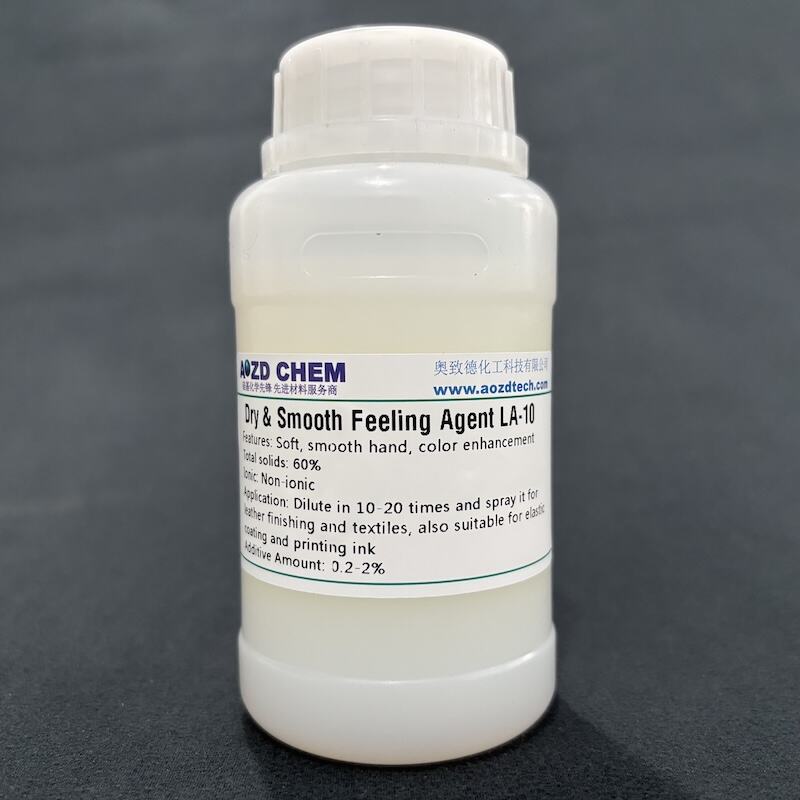
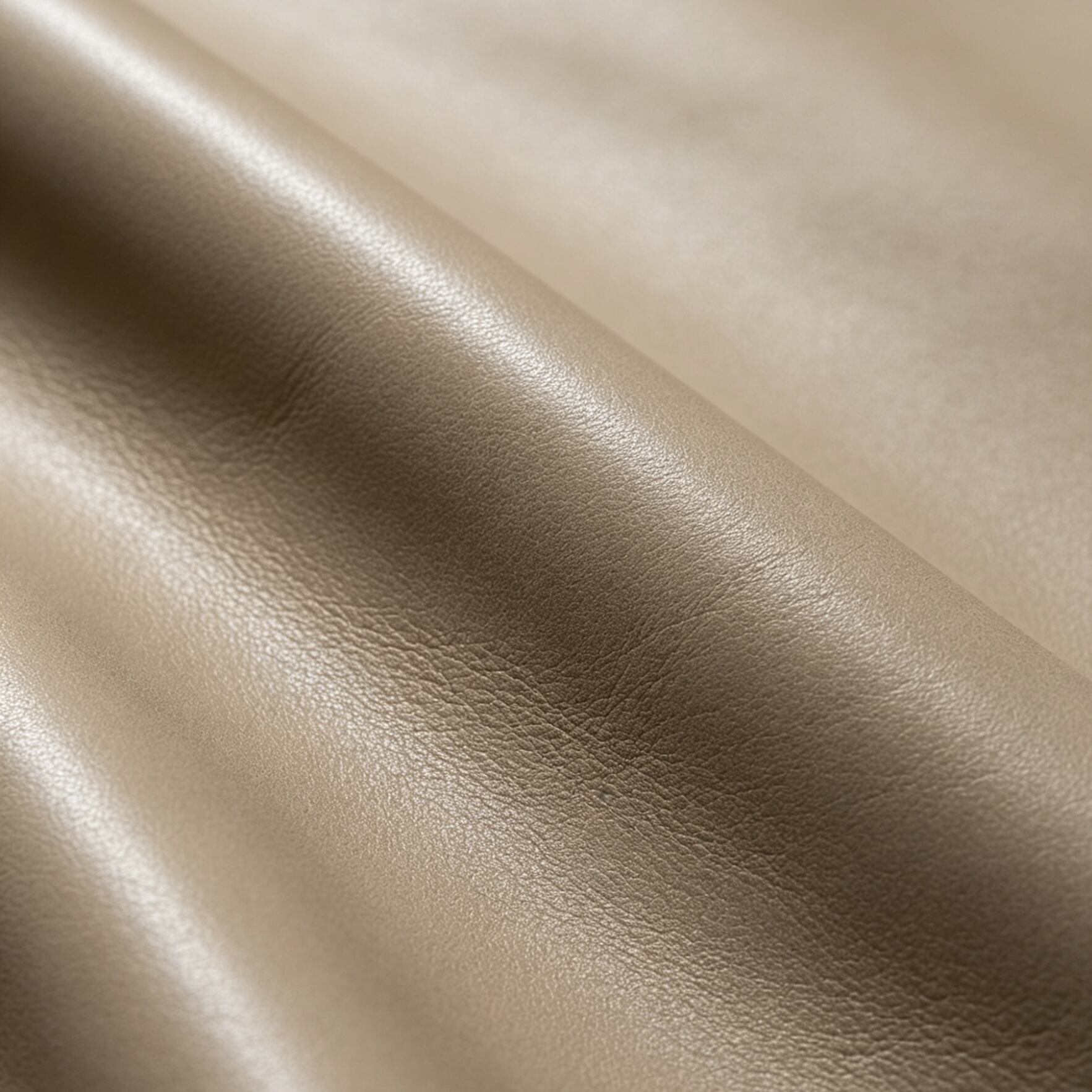
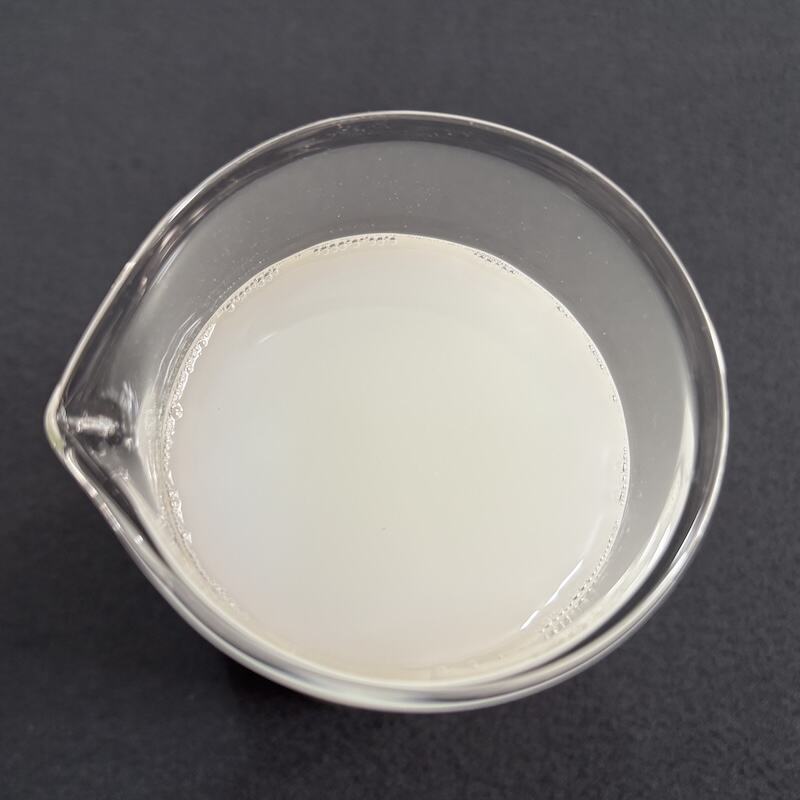
leather finishing chemicals for abrasion resistance

Leather finishing chemicals for abrasion resistance represent a critical category of specialized formulations designed to enhance the durability and longevity of leather products. These advanced chemical solutions serve as protective barriers that significantly improve leather's ability to withstand mechanical wear, friction, and surface damage. The primary function of these finishing chemicals involves creating a resilient surface layer that maintains the leather's aesthetic appeal while providing superior protection against daily wear and tear. Modern leather finishing chemicals for abrasion resistance incorporate sophisticated polymer technologies, including polyurethane dispersions, acrylic copolymers, and silicone-modified resins that form flexible yet durable protective films. These formulations are engineered to penetrate the leather surface while creating a protective barrier that resists scuffing, scratching, and general abrasion damage. The technological features of these chemicals include excellent adhesion properties, flexibility to accommodate leather movement, and resistance to cracking or peeling under stress. Advanced formulations offer water resistance, stain protection, and UV stability alongside abrasion resistance. The application process typically involves spray, brush, or roller application methods, allowing for uniform coverage across various leather surfaces. These chemicals find extensive applications across multiple industries, including automotive leather interiors, furniture upholstery, footwear manufacturing, handbags and accessories, sports equipment, and industrial leather goods. In automotive applications, leather finishing chemicals for abrasion resistance protect seat surfaces from daily entry and exit friction. Furniture manufacturers utilize these chemicals to ensure upholstered leather maintains its appearance despite regular use. The footwear industry relies on these formulations to protect high-wear areas like toe caps and heel counters. Fashion accessory manufacturers apply these chemicals to maintain the pristine appearance of luxury leather goods subjected to handling and environmental exposure.

New Product Releases

Leather finishing chemicals for abrasion resistance deliver numerous practical benefits that directly impact product performance and customer satisfaction. These specialized formulations significantly extend the lifespan of leather products by creating a protective barrier that prevents premature wear and deterioration. The enhanced durability translates into substantial cost savings for manufacturers and end-users alike, as leather goods maintain their functionality and appearance for extended periods. One major advantage involves improved surface protection against daily friction and mechanical stress. These chemicals create a resilient layer that absorbs impact and distributes wear forces evenly across the leather surface, preventing localized damage that typically occurs in high-contact areas. This protection maintains the leather's original texture and appearance, preserving its commercial value throughout its service life. The flexibility of modern leather finishing chemicals for abrasion resistance ensures that treated leather retains its natural feel and movement characteristics. Unlike rigid protective coatings that can crack or peel, these advanced formulations flex with the leather, maintaining protection even during repeated bending and stretching. This flexibility proves particularly valuable in applications like footwear and automotive seating where leather experiences constant movement. Enhanced stain resistance represents another significant advantage, as these chemicals often incorporate hydrophobic properties that repel liquids and prevent stain penetration. This feature simplifies maintenance and cleaning procedures while preserving the leather's appearance. The chemicals also provide UV protection, preventing color fading and surface degradation when exposed to sunlight. Manufacturing efficiency improves through simplified application processes and reduced rejection rates due to surface defects. Quality control becomes more predictable as treated leather exhibits consistent performance characteristics. Customer satisfaction increases significantly as products maintain their aesthetic appeal and functional performance throughout their intended lifespan. The versatility of leather finishing chemicals for abrasion resistance allows manufacturers to customize protection levels based on specific application requirements, optimizing both performance and cost-effectiveness for different market segments.

Latest News

The Benefits of Using a Compact Leather Feel Modifier Solution

26

Nov

The Benefits of Using a Compact Leather Feel Modifier Solution

Why Use Compact Leather Feel Modifier Solutions Leather feel modifiers in compact form really make a difference when it comes to how leather products feel against the skin. These little treatments help create that rich, soft sensation people associa...
View More
What Makes Silicone Emulsion Environmentally Safer

02

Dec

What Makes Silicone Emulsion Environmentally Safer

Environmental sustainability has become a critical consideration for manufacturers across industries, driving demand for safer chemical alternatives. Traditional emulsions often contain volatile organic compounds and harsh solvents that pose risks to...
View More
What Are the Best Practices for Applying Leather Additives

02

Dec

What Are the Best Practices for Applying Leather Additives

The leather industry relies heavily on various chemical formulations to enhance the quality, durability, and aesthetic appeal of finished products. Understanding the proper application techniques and selection criteria for leather additives can signi...
View More
What Are the Environmental Concerns About Leather Chemicals?

08

Jan

What Are the Environmental Concerns About Leather Chemicals?

The leather industry has long been scrutinized for its environmental impact, particularly regarding the use of leather chemicals in processing and manufacturing. These chemicals, while essential for transforming raw hides into durable leather product...
View More

Get a Free Quote

Our representative will contact you soon.
Email
Name
Company Name
Whatsapp
Message
0/1000

leather finishing chemicals for abrasion resistance

Advanced Polymer Technology for Maximum Surface Protection

Advanced Polymer Technology for Maximum Surface Protection

The cornerstone advantage of modern leather finishing chemicals for abrasion resistance lies in their sophisticated polymer technology that delivers unparalleled surface protection. These advanced formulations utilize cutting-edge polymer chemistry, combining polyurethane dispersions with acrylic copolymers and specialized cross-linking agents to create an exceptionally durable protective layer. The polymer matrix forms a molecular bond with the leather surface, creating a seamless integration that maintains the material's natural characteristics while providing superior protection against mechanical wear. This technology represents a significant advancement over traditional surface treatments that merely coat the leather surface without achieving true integration. The polymer network structure distributes stress forces across the entire treated area, preventing concentrated wear points that typically lead to premature failure. Advanced cross-linking mechanisms ensure that the protective layer maintains its integrity even under extreme conditions, including temperature fluctuations, humidity changes, and repeated mechanical stress. The technology incorporates nano-scale particles that fill microscopic surface irregularities, creating an ultra-smooth finish that further reduces friction and wear potential. These leather finishing chemicals for abrasion resistance utilize smart polymer technology that responds to environmental conditions, maintaining optimal flexibility in cold temperatures while providing enhanced protection in high-stress situations. The molecular structure allows for self-healing properties where minor surface scratches can partially recover over time. Quality control testing demonstrates that leather treated with these advanced polymer formulations shows 300-400% improvement in abrasion resistance compared to untreated leather. The technology also enables customizable protection levels through varying application concentrations and multiple coating layers, allowing manufacturers to optimize performance for specific applications while maintaining cost efficiency. This advanced polymer approach ensures long-term durability that translates into significant value for both manufacturers and end-users seeking premium leather protection solutions.
Versatile Application Methods for Enhanced Manufacturing Efficiency

Versatile Application Methods for Enhanced Manufacturing Efficiency

Leather finishing chemicals for abrasion resistance excel through their exceptional application versatility, offering manufacturers multiple efficient methods to achieve optimal surface protection across diverse production environments. The formulations are specifically engineered to accommodate spray application systems, brush techniques, roller coating methods, and automated production lines, ensuring seamless integration into existing manufacturing processes. This versatility eliminates the need for specialized equipment investments while maintaining consistent quality results across different application approaches. Spray application methods provide uniform coverage for complex leather shapes and large surface areas, making them ideal for automotive interior components and furniture manufacturing. The chemicals maintain proper viscosity characteristics that prevent over-spray while ensuring complete coverage in recessed areas and around edges. Brush application techniques offer precise control for detailed work and small-batch production, allowing craftsmen to apply varying coverage levels based on specific wear patterns and aesthetic requirements. Roller coating methods deliver exceptional efficiency for flat leather goods and continuous production processes, enabling high-volume manufacturing with consistent film thickness and coverage uniformity. These leather finishing chemicals for abrasion resistance demonstrate excellent compatibility with various leather types, including full-grain, top-grain, and corrected grain leather surfaces. The formulations adapt to different tanning processes and leather preparations without compromising adhesion or performance characteristics. Temperature tolerance during application allows for production flexibility, with effective results achievable across normal workshop temperature ranges. Fast curing times reduce production bottlenecks while maintaining quality standards, enabling manufacturers to achieve higher throughput without sacrificing protection quality. The chemicals also demonstrate excellent shelf stability, reducing waste and inventory management challenges. Quality assurance becomes more manageable through predictable application characteristics and consistent performance outcomes. This application versatility translates into reduced training requirements for production staff and simplified quality control procedures, ultimately delivering enhanced manufacturing efficiency and cost-effectiveness for leather processors seeking reliable abrasion resistance solutions.
Multi-Industry Performance Benefits with Long-Term Value Creation

Multi-Industry Performance Benefits with Long-Term Value Creation

The exceptional performance characteristics of leather finishing chemicals for abrasion resistance deliver substantial benefits across multiple industries, creating long-term value through enhanced product durability and customer satisfaction. In the automotive sector, these chemicals protect leather seating surfaces from the constant friction generated by passenger entry and exit, maintaining the luxurious appearance that consumers expect from premium vehicles. The protection extends beyond surface wear to include resistance against seat belt buckle scratches, key damage, and general daily use that typically degrades untreated leather surfaces. Automotive manufacturers report significant reductions in warranty claims related to leather wear when utilizing these advanced finishing chemicals. The furniture industry benefits enormously from enhanced durability in high-traffic commercial environments and residential applications where leather upholstery faces continuous use. These leather finishing chemicals for abrasion resistance enable furniture manufacturers to offer extended warranties while maintaining profit margins, as the enhanced durability reduces replacement and repair costs. Hotels, restaurants, and office environments particularly value the extended service life that translates into lower furniture replacement frequencies and reduced maintenance expenses. In footwear manufacturing, the chemicals provide critical protection for high-wear areas including toe caps, heel counters, and flex points that experience repeated stress during normal walking activities. Athletic footwear benefits significantly from enhanced durability during sports activities, while dress shoes maintain their professional appearance despite daily office wear. Fashion accessory manufacturers utilize these formulations to protect luxury handbags, briefcases, and travel goods that face handling, storage, and transportation stresses. The protection preserves brand reputation by ensuring products maintain their premium appearance throughout their intended lifespan. Industrial applications benefit from enhanced chemical resistance and mechanical protection in work environments where leather goods face harsh conditions. These multi-industry applications demonstrate the versatility and value proposition of leather finishing chemicals for abrasion resistance, providing manufacturers with competitive advantages through enhanced product performance, reduced warranty costs, and improved customer satisfaction that drives repeat business and brand loyalty across diverse market segments.

Get a Free Quote

Our representative will contact you soon.
Email
Name
Company Name
Whatsapp
Message
0/1000