Premium Leather Processing Chemicals - Advanced Solutions for Superior Quality & Efficiency

All Categories

Get a Free Quote

Our representative will contact you soon.
Email
Name
Company Name
Whatsapp
Message
0/1000

leather processing chemicals

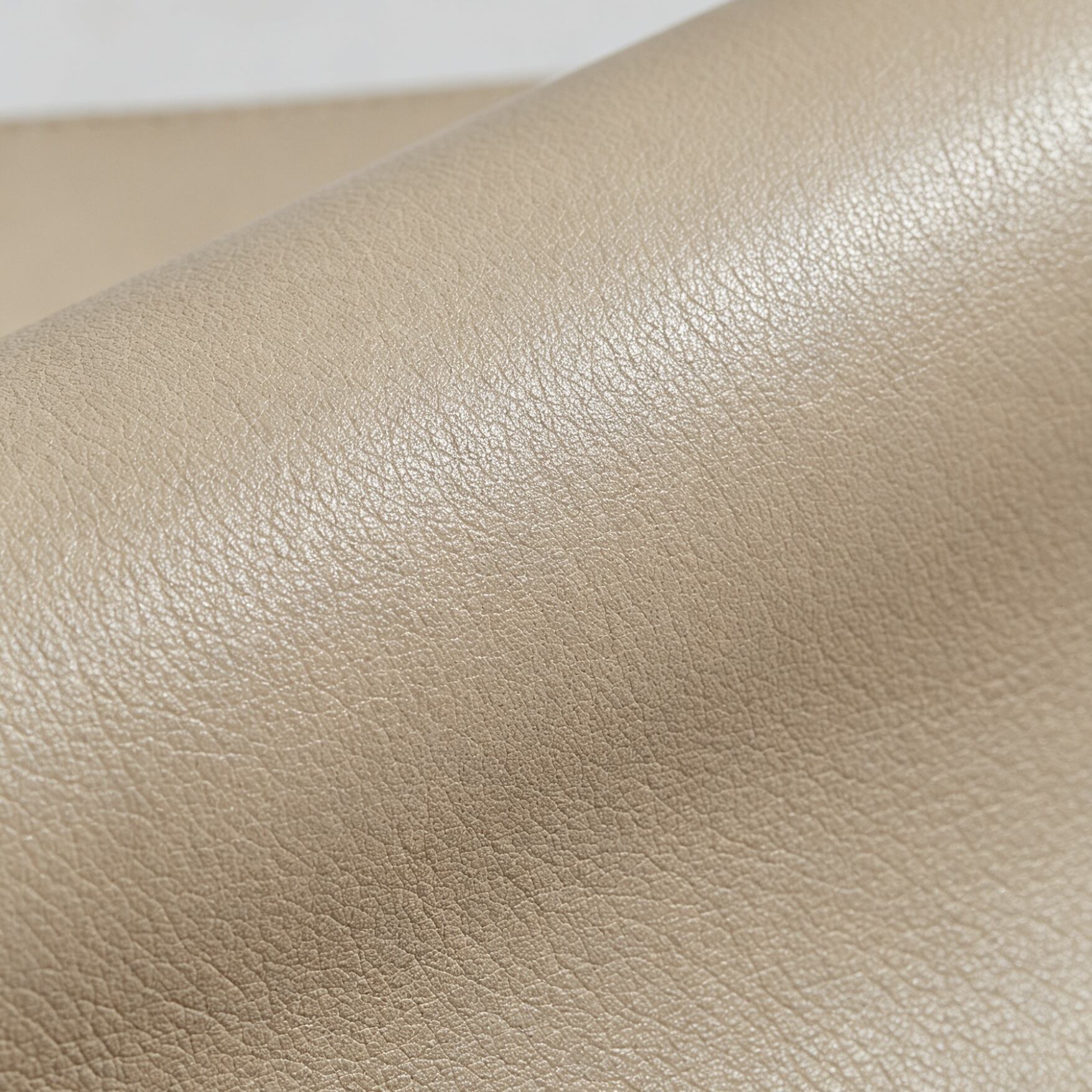
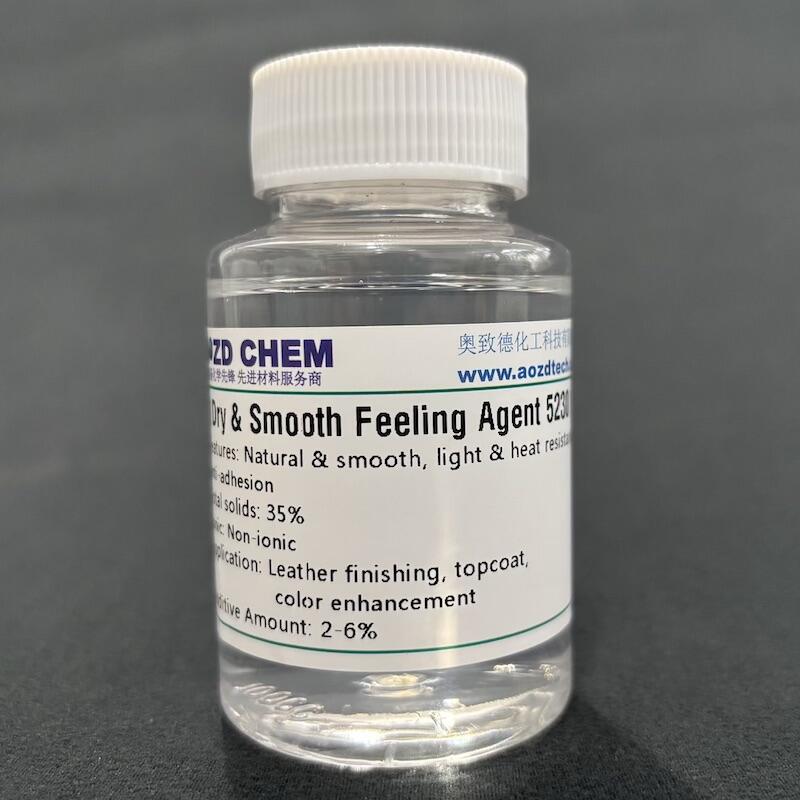
Leather processing chemicals represent a comprehensive range of specialized compounds designed to transform raw animal hides into high-quality leather products. These chemicals serve multiple critical functions throughout the complex leather manufacturing process, from initial preparation to final finishing. The main functions of leather processing chemicals include beamhouse operations, where they facilitate hair removal, liming, and deliming processes. During tanning stages, these chemicals enable the conversion of collagen fibers into stable leather through chromium tanning, vegetable tanning, or synthetic tanning methods. Post-tanning operations utilize leather processing chemicals for dyeing, fat liquoring, and surface treatments that enhance durability and appearance. Technological features of modern leather processing chemicals incorporate advanced formulations that improve processing efficiency while reducing environmental impact. These chemicals demonstrate excellent penetration properties, ensuring uniform distribution throughout hide structures. Temperature stability allows them to perform effectively across various processing conditions, while pH buffering capabilities maintain optimal chemical environments. Many leather processing chemicals now feature biodegradable compositions that align with sustainable manufacturing practices. Applications span diverse leather types including garment leather, upholstery leather, automotive leather, and footwear leather. Each application requires specific chemical formulations tailored to achieve desired characteristics such as softness, strength, water resistance, or flame retardancy. The leather processing chemicals industry continues evolving with innovations in nanotechnology integration, smart chemical systems that respond to processing conditions, and eco-friendly alternatives to traditional chemicals. Quality control measures ensure consistent performance across different hide types and processing equipment. Modern leather processing chemicals also support automation in manufacturing facilities, enabling precise dosing and monitoring systems that optimize chemical usage while maintaining product quality standards.

New Product Recommendations

Leather processing chemicals deliver substantial cost savings for manufacturers by optimizing production efficiency and reducing waste generation during manufacturing processes. These chemicals minimize processing time significantly, allowing facilities to increase throughput while maintaining consistent quality standards across production batches. Energy consumption decreases when using advanced leather processing chemicals because they work effectively at lower temperatures compared to traditional alternatives. This reduction in energy requirements translates directly to lower operational costs and improved profit margins for leather manufacturers. Quality improvements represent another major advantage, as modern leather processing chemicals produce more uniform results with enhanced consistency. The chemicals ensure better penetration into hide fibers, creating stronger bonds that increase finished leather durability and longevity. Color fastness improves dramatically when using specialized dyeing chemicals, preventing color bleeding and fading issues that commonly affect inferior chemical formulations. Environmental benefits make leather processing chemicals increasingly attractive to manufacturers facing stricter regulations. Many formulations now contain biodegradable components that break down naturally after use, reducing environmental impact and disposal costs. Water treatment becomes easier when using environmentally conscious chemicals, as they produce fewer harmful byproducts requiring extensive treatment before discharge. Worker safety improves significantly with modern leather processing chemicals that eliminate or reduce toxic components found in older formulations. These safer alternatives protect employees from harmful exposure while maintaining processing effectiveness. Reduced ventilation requirements and lower personal protective equipment costs further enhance workplace conditions. Versatility allows leather processing chemicals to work across multiple leather types and processing methods, eliminating the need for specialized chemicals for each application. This flexibility reduces inventory requirements and simplifies chemical management systems. Storage stability extends shelf life, reducing waste from expired chemicals and improving inventory turnover. Consistent performance across different environmental conditions ensures reliable results regardless of seasonal temperature or humidity variations. Customer satisfaction increases when manufacturers use high-quality leather processing chemicals because finished products exhibit superior characteristics including improved texture, appearance, and durability that meet consumer expectations.

Practical Tips

How Vortex Spinning Oil Enhances Fiber Production

26

Nov

How Vortex Spinning Oil Enhances Fiber Production

Introduction Oils are essential in the textile manufacturing process, helping fibers move smoothly through machinery and ultimately producing better quality fabric. Of all the different types available, Vortex Spinning Oil has become something of a ...
View More
Choosing the Right Additives for Your Project

26

Nov

Choosing the Right Additives for Your Project

Understanding the Role of Additives in Projects Additives really make a difference when it comes to boosting how well things perform and last longer in all sorts of applications. These little helpers get used throughout different sectors to tweak st...
View More
What Are the Best Practices for Applying Leather Additives

02

Dec

What Are the Best Practices for Applying Leather Additives

The leather industry relies heavily on various chemical formulations to enhance the quality, durability, and aesthetic appeal of finished products. Understanding the proper application techniques and selection criteria for leather additives can signi...
View More
How Does Silicone Dispersion Improve Water Resistance in Coatings

02

Dec

How Does Silicone Dispersion Improve Water Resistance in Coatings

Water resistance stands as one of the most critical performance characteristics in modern coating applications across industries ranging from automotive to marine environments. Traditional coatings often struggle to maintain their protective properti...
View More

Get a Free Quote

Our representative will contact you soon.
Email
Name
Company Name
Whatsapp
Message
0/1000

leather processing chemicals

Enhanced Processing Efficiency and Cost Reduction

Enhanced Processing Efficiency and Cost Reduction

Enhanced processing efficiency stands as the cornerstone benefit of modern leather processing chemicals, revolutionizing how manufacturers approach leather production while delivering measurable cost reductions. These advanced chemical formulations streamline traditional processing steps by accelerating reaction times and improving chemical penetration rates throughout hide structures. Manufacturing facilities experience significant productivity gains as leather processing chemicals reduce processing cycles from days to hours in many applications. The accelerated timeline allows manufacturers to increase production capacity without additional equipment investments, maximizing return on existing infrastructure. Labor costs decrease substantially because automated systems can monitor and control chemical applications more precisely, reducing manual intervention requirements. Quality consistency improves dramatically as these chemicals eliminate variables that traditionally caused batch-to-batch variations, ensuring predictable outcomes that meet strict quality specifications. Energy efficiency represents another critical cost-saving aspect, as modern leather processing chemicals operate effectively at lower temperatures, reducing heating costs and energy consumption throughout production cycles. Water usage decreases through improved chemical efficiency, requiring smaller volumes to achieve desired results while generating less wastewater requiring treatment. Chemical consumption optimization occurs through precise formulations that deliver maximum effectiveness per unit, reducing raw material costs and storage requirements. Maintenance costs decline because gentler chemical formulations cause less corrosion and wear on processing equipment, extending machinery lifespan and reducing replacement frequency. Waste generation minimizes through improved chemical utilization rates, reducing disposal costs and environmental compliance expenses. Processing flexibility allows manufacturers to adapt quickly to different hide types and customer specifications without extensive equipment modifications or chemical inventory changes. Real-time monitoring capabilities enable immediate adjustments to chemical concentrations and processing parameters, preventing costly batch failures and rework scenarios. These efficiency improvements compound over time, creating substantial competitive advantages for manufacturers who invest in high-quality leather processing chemicals while positioning them for long-term profitability and market success.
Superior Quality and Durability Enhancement

Superior Quality and Durability Enhancement

Superior quality enhancement through advanced leather processing chemicals transforms ordinary hides into exceptional leather products that exceed industry standards and customer expectations. These sophisticated chemical formulations penetrate deeply into hide structures, creating uniform chemical bonds that strengthen leather at the molecular level while preserving natural flexibility and comfort characteristics. Color vibrancy and consistency achieve remarkable levels through specialized dyeing chemicals that ensure even distribution and long-lasting colorfastness, preventing premature fading and color bleeding that diminish leather product value. Surface treatments utilizing premium leather processing chemicals create protective barriers that resist staining, moisture penetration, and abrasion damage while maintaining natural leather breathability and tactile properties. Tensile strength improvements result from optimized tanning processes that cross-link collagen fibers more effectively, producing leather with enhanced tear resistance and structural integrity suitable for demanding applications. Grain pattern preservation becomes achievable through careful chemical selection that maintains natural hide characteristics while eliminating defects and inconsistencies that compromise appearance quality. Flexibility retention ensures finished leather maintains suppleness throughout its service life, preventing cracking and stiffness that typically develop in poorly processed materials. Chemical treatments enhance leather's resistance to environmental factors including UV radiation, temperature extremes, and humidity fluctuations that typically cause deterioration over time. Antimicrobial properties integrated into modern leather processing chemicals prevent bacterial and fungal growth, extending product lifespan while maintaining hygiene standards crucial for consumer applications. Finishing chemicals create smooth, consistent surfaces that accept additional treatments uniformly, enabling manufacturers to achieve specific texture and appearance requirements. Hand-feel optimization through specialized fat liquoring chemicals produces leather with desired softness, fullness, and tactile characteristics that enhance user experience and product appeal. Quality control becomes more predictable as standardized chemical formulations eliminate variables that previously caused processing inconsistencies, enabling manufacturers to guarantee specific performance characteristics. These quality improvements translate directly to increased customer satisfaction, reduced warranty claims, and enhanced brand reputation that drives long-term business success and market positioning in competitive leather markets.
Environmental Sustainability and Regulatory Compliance

Environmental Sustainability and Regulatory Compliance

Environmental sustainability represents the most forward-thinking advantage of modern leather processing chemicals, addressing growing concerns about ecological impact while ensuring full compliance with increasingly stringent environmental regulations worldwide. Biodegradable formulations break down naturally after use, eliminating persistent chemical residues that traditionally accumulated in soil and water systems, thereby reducing long-term environmental liability for manufacturing facilities. Water pollution reduction occurs through chemical designs that minimize heavy metal content and toxic byproducts, simplifying wastewater treatment processes while reducing treatment costs and environmental discharge fees. Carbon footprint minimization results from energy-efficient chemical processes that operate at lower temperatures and require shorter processing times, contributing to overall greenhouse gas reduction goals that many manufacturers must achieve. Renewable resource integration allows modern leather processing chemicals to incorporate plant-based and bio-derived components, reducing dependence on petroleum-based chemicals while supporting sustainable supply chain initiatives. Waste stream reduction benefits emerge as improved chemical efficiency generates less sludge and solid waste requiring disposal, minimizing landfill contributions and associated disposal costs. Air quality improvements result from reduced volatile organic compound emissions, creating healthier work environments while meeting air quality regulations that affect manufacturing permits and community relations. Closed-loop processing becomes possible with chemicals designed for recovery and reuse, enabling manufacturers to implement circular economy principles that reduce raw material consumption and waste generation. Regulatory compliance simplification occurs as environmentally conscious leather processing chemicals help manufacturers meet REACH, RoHS, and other international standards without compromising product quality or processing efficiency. Third-party certifications become more attainable when using sustainable chemicals, enabling manufacturers to access premium markets that require environmental credentials such as eco-labels and green building certifications. Supply chain sustainability extends throughout the chemical manufacturing process, with suppliers increasingly adopting responsible sourcing practices and transparent environmental reporting that supports customer sustainability goals. Long-term cost benefits emerge as environmental compliance becomes more expensive for facilities using traditional chemicals, while sustainable alternatives provide protection against future regulatory changes and associated compliance costs that could significantly impact profitability and operational continuity in evolving regulatory environments.

Get a Free Quote

Our representative will contact you soon.
Email
Name
Company Name
Whatsapp
Message
0/1000