Premium Leather Chemicals for Surface Treatment - Enhanced Protection and Durability Solutions

All Categories

Get a Free Quote

Our representative will contact you soon.
Email
Name
Company Name
Whatsapp
Message
0/1000

leather chemicals for surface treatment

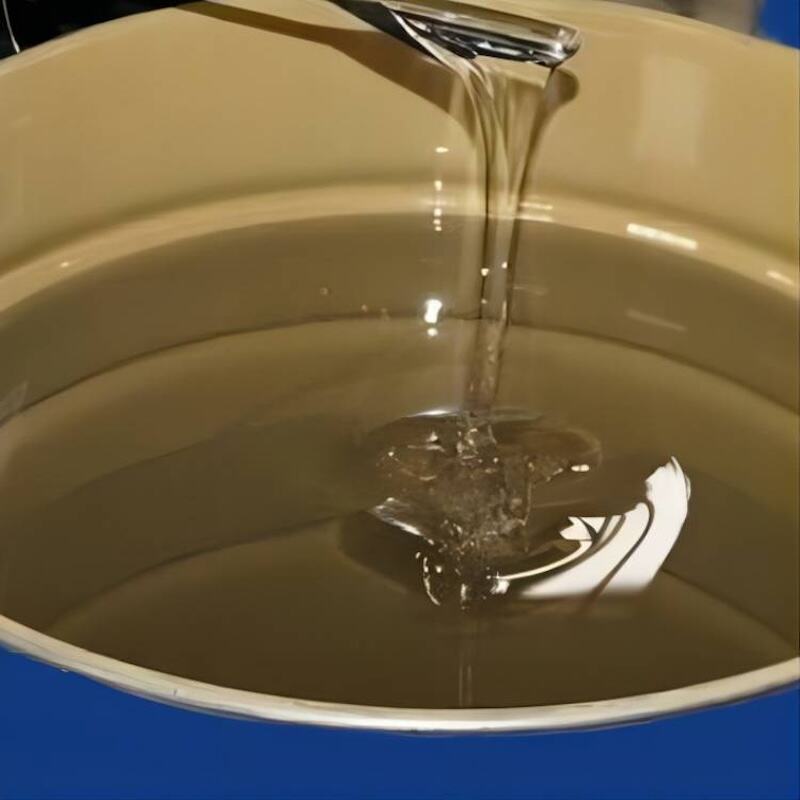
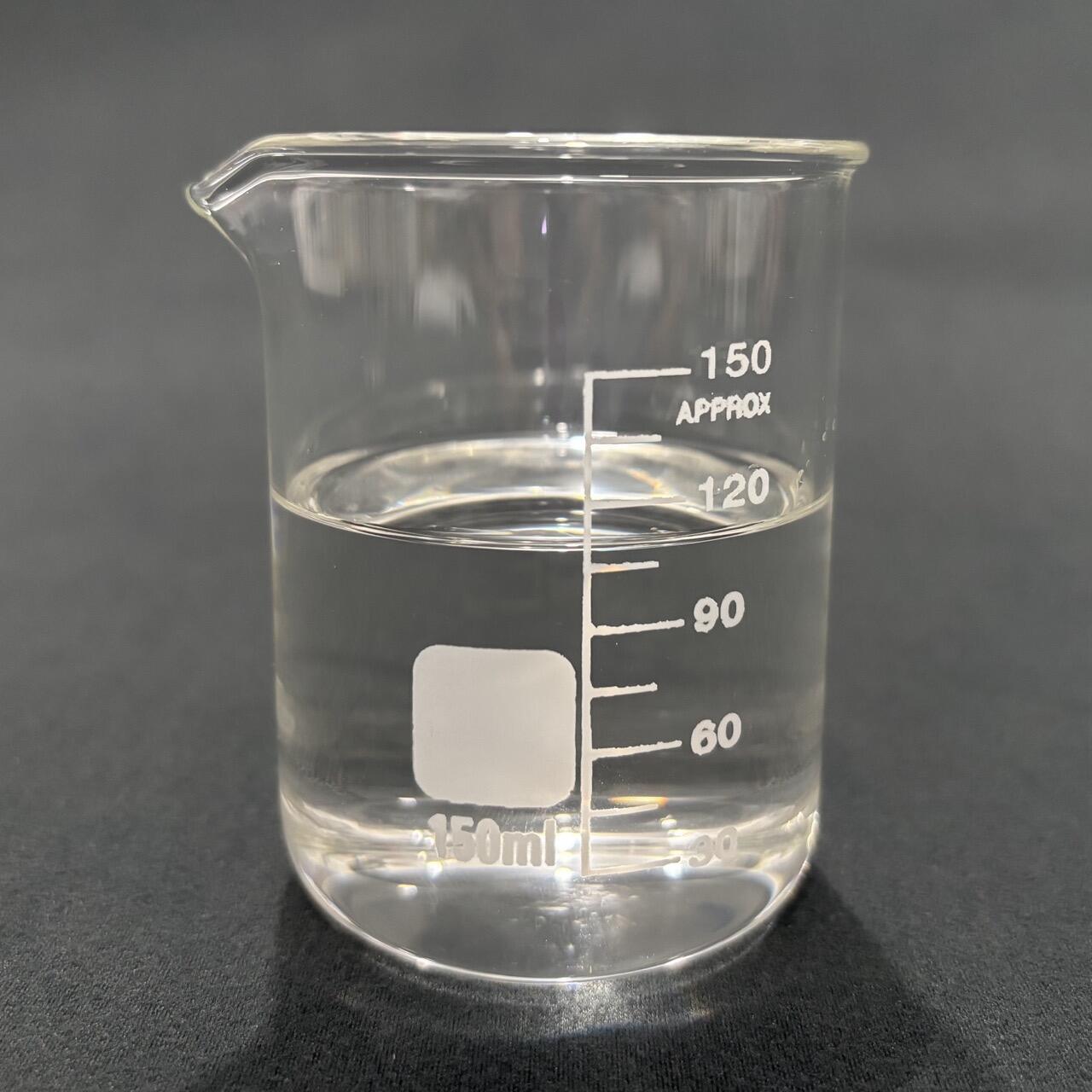
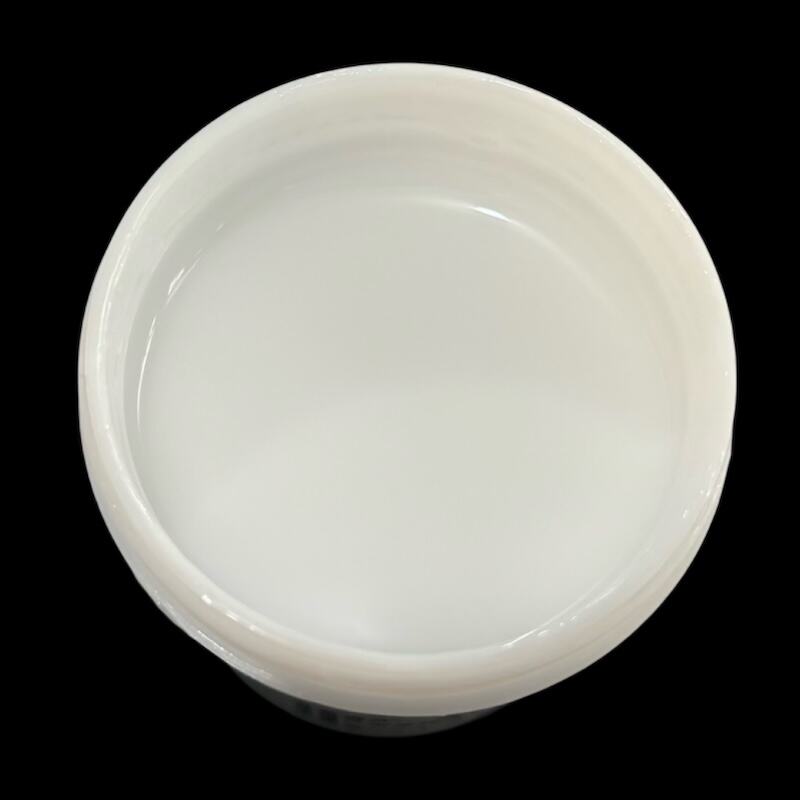
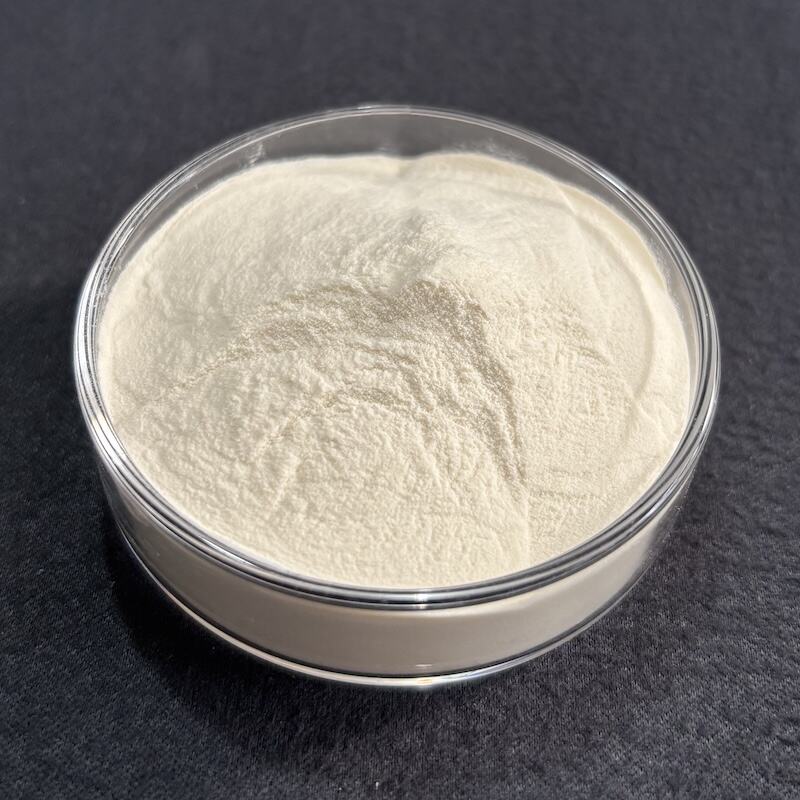
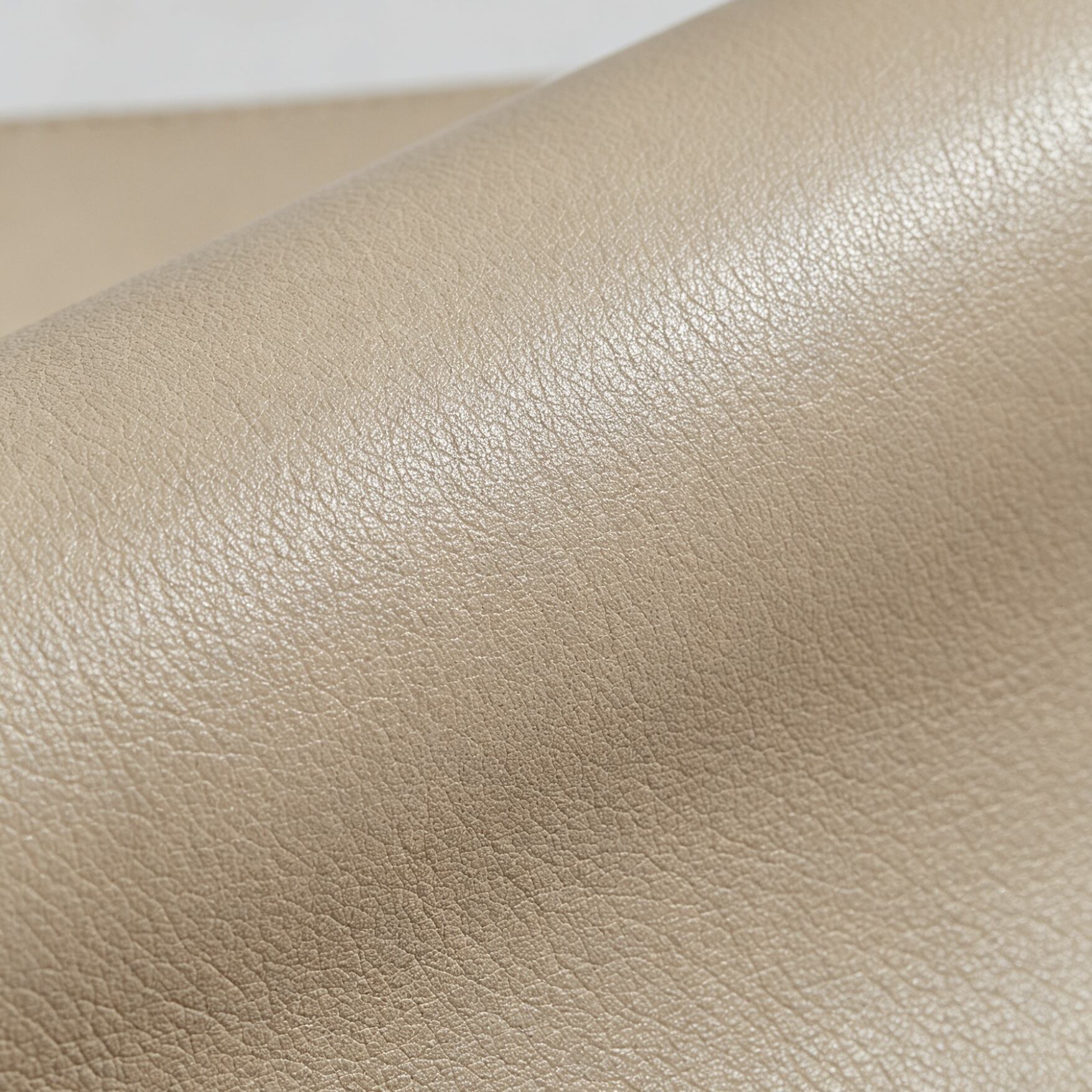
Leather chemicals for surface treatment represent a specialized category of chemical formulations designed to enhance, protect, and modify the surface characteristics of leather materials. These innovative chemical solutions play a crucial role in the modern leather processing industry, offering manufacturers the ability to achieve superior surface properties while maintaining the natural qualities that make leather desirable. The primary functions of leather chemicals for surface treatment encompass surface protection, aesthetic enhancement, durability improvement, and performance optimization. These chemicals create protective barriers that shield leather from environmental factors such as moisture, UV radiation, stains, and general wear. The technological features of these surface treatment chemicals include advanced polymer formulations, nano-particle integration, and specialized binding agents that ensure deep penetration and long-lasting effectiveness. Modern leather chemicals for surface treatment utilize cutting-edge chemistry to deliver consistent results across various leather types, from full-grain to corrected grain surfaces. Applications span numerous industries including automotive upholstery, furniture manufacturing, fashion accessories, footwear production, and luxury goods. The automotive sector particularly benefits from these treatments as they provide enhanced resistance to temperature fluctuations and UV exposure common in vehicle interiors. In furniture applications, leather chemicals for surface treatment offer superior stain resistance and easy maintenance properties. Fashion and footwear industries utilize these chemicals to achieve specific aesthetic effects while ensuring longevity. The treatment process typically involves careful application using spray systems, roller coating, or immersion methods, depending on the specific leather type and desired outcome. Quality control measures ensure uniform distribution and optimal penetration of the leather chemicals for surface treatment, resulting in consistent performance across entire production batches.

New Product Releases

The advantages of leather chemicals for surface treatment extend far beyond basic protection, delivering measurable benefits that directly impact both manufacturers and end-users. These specialized chemicals significantly extend the lifespan of leather products by creating robust protective layers that resist cracking, fading, and deterioration. Manufacturers benefit from reduced warranty claims and enhanced customer satisfaction as treated leather maintains its appearance and functionality for extended periods. The enhanced durability translates into cost savings for consumers who experience longer-lasting products requiring less frequent replacement. Leather chemicals for surface treatment also provide superior stain resistance, making leather products more practical for everyday use. This benefit proves particularly valuable in high-traffic applications such as automotive seating and commercial furniture where spills and soiling are common. The easy-clean properties enabled by these treatments reduce maintenance requirements and associated costs. UV protection represents another significant advantage, as leather chemicals for surface treatment contain specialized compounds that block harmful ultraviolet radiation. This protection prevents color fading and surface degradation, maintaining the aesthetic appeal of leather products even with prolonged sun exposure. Temperature resistance capabilities allow treated leather to withstand extreme conditions without compromising structural integrity or appearance. The flexibility enhancement provided by these chemicals prevents cracking and ensures leather remains supple throughout its service life. Water repellency features protect against moisture damage while maintaining breathability, a critical balance for comfort and durability. Manufacturing efficiency improves as leather chemicals for surface treatment often reduce processing time and simplify finishing procedures. Quality consistency becomes achievable as these chemicals provide predictable results across different leather batches. Environmental benefits emerge through reduced need for frequent replacements and lower maintenance chemical usage. Cost-effectiveness manifests through decreased production waste and improved yield rates. The versatility of modern leather chemicals for surface treatment allows customization for specific applications, ensuring optimal performance across diverse industries and use cases.

Tips And Tricks

Top 10 FAQs: Everything You Need to Know About Expandable Microspheres

26

Nov

Top 10 FAQs: Everything You Need to Know About Expandable Microspheres

What Are Expandable Microspheres Expandable microspheres stand out as special materials basically made up of tiny hollow balls that get much bigger when they meet heat. What makes them work so well is their clever construction with a thin polymer sh...
View More
What Makes Silicone Emulsion Environmentally Safer

02

Dec

What Makes Silicone Emulsion Environmentally Safer

Environmental sustainability has become a critical consideration for manufacturers across industries, driving demand for safer chemical alternatives. Traditional emulsions often contain volatile organic compounds and harsh solvents that pose risks to...
View More
What Are the Effects of Vortex Spinning Oil on Yarn Smoothness?

08

Jan

What Are the Effects of Vortex Spinning Oil on Yarn Smoothness?

The textile manufacturing industry has witnessed remarkable advancements in spinning technologies, with vortex spinning emerging as a revolutionary method that significantly transforms yarn production. At the heart of this innovative process lies vor...
View More
How Does Silicone Emulsion Interact with Other Leather Chemicals?

08

Jan

How Does Silicone Emulsion Interact with Other Leather Chemicals?

The leather industry relies on complex chemical interactions to achieve desired properties in finished products. Among the various chemicals used in leather processing, silicone emulsion has emerged as a crucial component that significantly impacts t...
View More

Get a Free Quote

Our representative will contact you soon.
Email
Name
Company Name
Whatsapp
Message
0/1000

leather chemicals for surface treatment

Advanced Protective Barrier Technology

Advanced Protective Barrier Technology

The most significant breakthrough in leather chemicals for surface treatment lies in advanced protective barrier technology that revolutionizes how leather surfaces resist environmental damage and wear. This sophisticated technology employs multi-layered molecular structures that create an invisible shield across the leather surface while preserving the natural texture and breathability that consumers expect. The protective barrier formation begins at the molecular level, where specialized polymer chains cross-link to form a durable network that bonds chemically with the leather fibers. This chemical bonding ensures that the protection becomes an integral part of the leather rather than merely a surface coating that can peel or wear away over time. The advanced barrier technology incorporates nano-scale particles that fill microscopic pores and irregularities in the leather surface, creating a smooth, uniform protective layer that enhances both appearance and performance. Unlike traditional treatments that may alter the leather's natural feel, these leather chemicals for surface treatment maintain tactile properties while delivering superior protection. The barrier effectively repels liquids, preventing penetration that could cause staining, swelling, or degradation of the leather structure. Oil and grease resistance becomes particularly important in automotive and furniture applications where contact with various substances is inevitable. The technology also provides exceptional resistance to abrasion, reducing surface wear that typically occurs through repeated use and contact. Temperature stability ensures the protective barrier remains effective across extreme conditions, from freezing temperatures to high-heat environments common in vehicle interiors. UV-blocking compounds integrated within the barrier prevent photodegradation, maintaining color vibrancy and preventing the brittleness that often develops in untreated leather exposed to sunlight. The breathability factor remains crucial as the barrier allows moisture vapor transmission while blocking liquid water, ensuring comfort in applications involving direct human contact. This selective permeability prevents the clammy feeling associated with completely impermeable coatings. Maintenance becomes simplified as the smooth barrier surface resists dirt accumulation and enables easy cleaning with mild detergents. The longevity of this protection translates into significant cost savings over the leather product's lifetime, making leather chemicals for surface treatment with advanced barrier technology a valuable investment for both manufacturers and consumers.
Enhanced Color Retention and Aesthetic Preservation

Enhanced Color Retention and Aesthetic Preservation

Color retention and aesthetic preservation represent critical aspects where leather chemicals for surface treatment deliver exceptional value through innovative chromatic stabilization technology. The challenge of maintaining vibrant colors and rich textures in leather products has driven the development of sophisticated chemical formulations that lock in dyes and pigments while protecting against fading factors. These advanced surface treatments work by creating molecular bonds with colorants already present in the leather, effectively encapsulating them within a protective matrix that shields against UV radiation, oxidation, and chemical exposure. The chromatic stabilization process begins with penetrating agents that carry protective compounds deep into the leather structure, ensuring comprehensive color protection throughout the material thickness rather than just surface-level treatment. Light-fastness improvements achieved through these leather chemicals for surface treatment are measurable and significant, often extending color life by several years compared to untreated leather. The technology addresses multiple fading mechanisms simultaneously, including photo-oxidation caused by UV exposure, thermal degradation from heat cycling, and chemical bleaching from exposure to cleaning agents or environmental pollutants. Color enhancement properties of modern surface treatments actually improve the visual appeal of leather by increasing depth and richness of existing colors while maintaining natural variations that give leather its characteristic appearance. The treatment process preserves the subtle color gradations and natural markings that make each piece of leather unique while ensuring consistent color stability across production batches. Metallic and special-effect finishes benefit particularly from these protective treatments, as they maintain their luster and visual impact over extended periods. The aesthetic preservation extends beyond color to include texture maintenance, ensuring that surface treatments enhance rather than mask the natural grain patterns that define quality leather. Gloss level control becomes possible through selective application of leather chemicals for surface treatment, allowing manufacturers to achieve specific aesthetic targets from high-gloss patent leather effects to natural matte finishes. The anti-aging properties of these treatments prevent the yellowing and discoloration that commonly affect untreated leather over time. Stain resistance contributes to aesthetic preservation by preventing permanent discoloration from spills and environmental exposure. Easy restoration capabilities allow treated leather to return to its original appearance through simple cleaning procedures, maintaining aesthetic value throughout the product lifecycle.
Improved Flexibility and Durability Performance

Improved Flexibility and Durability Performance

The mechanical performance enhancement delivered by leather chemicals for surface treatment represents a fundamental advancement in leather technology, particularly in areas of flexibility retention and durability improvement that directly impact product longevity and user satisfaction. Modern surface treatment formulations incorporate plasticizing agents and flexibility enhancers that prevent the brittleness and cracking commonly associated with aging leather, ensuring that treated materials maintain their supple characteristics throughout extended use cycles. The molecular mechanism involves integration of flexible polymer chains within the leather structure, creating a reinforcing network that distributes stress across the material surface and prevents localized failure points that typically initiate cracking. This enhanced flexibility proves crucial in applications involving repeated flexing, such as automotive seating, footwear, and furniture upholstery where constant movement and pressure changes challenge the material integrity. Durability improvements manifest through increased tensile strength and tear resistance, as leather chemicals for surface treatment create cross-linked structures that reinforce the natural fiber matrix. The treatment process addresses common failure modes including surface abrasion, edge cracking, and structural fatigue that occur through normal use patterns. Compression set resistance becomes particularly important in seating applications where repeated loading and unloading cycles can cause permanent deformation in untreated materials. The enhanced mechanical properties extend to improved puncture resistance, reducing the likelihood of damage from sharp objects or excessive localized pressure. Dimensional stability improvements prevent unwanted stretching or shrinkage that can occur with temperature and humidity changes, maintaining proper fit and appearance in finished products. The fatigue resistance provided by these treatments enables leather products to withstand millions of flex cycles without developing stress fractures or surface deterioration. Cold weather performance receives significant enhancement through flexibility preservation at low temperatures, preventing the brittleness that makes untreated leather prone to cracking in freezing conditions. Heat resistance improvements ensure that mechanical properties remain stable at elevated temperatures common in automotive interiors and direct sunlight exposure. The surface smoothness achieved through proper treatment reduces friction and wear during use, contributing to extended service life. Impact resistance increases as the treated leather surface better absorbs and distributes sudden forces without sustaining permanent damage. Quality assurance becomes more predictable as leather chemicals for surface treatment provide consistent mechanical performance across different hide sources and processing variations. Manufacturing benefits include reduced rejection rates and improved process control, as treated leather exhibits more uniform handling characteristics during fabrication and finishing operations.

Get a Free Quote

Our representative will contact you soon.
Email
Name
Company Name
Whatsapp
Message
0/1000