Low Viscosity Silicone Fluid - Superior Performance Solutions for Industrial Applications

All Categories

Get a Free Quote

Our representative will contact you soon.
Email
Name
Company Name
Whatsapp
Message
0/1000

low viscosity silicone fluid

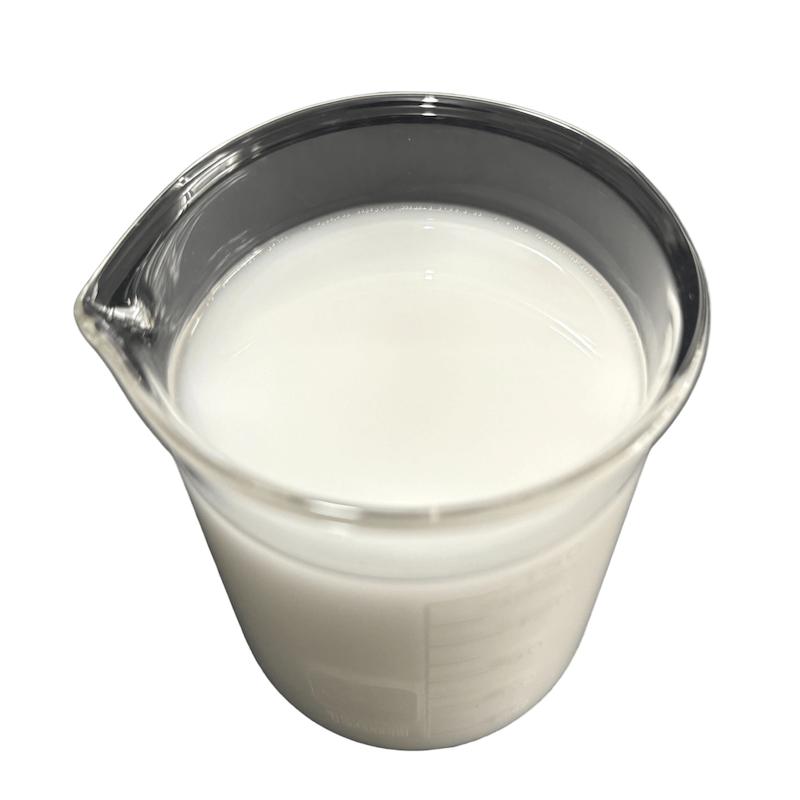
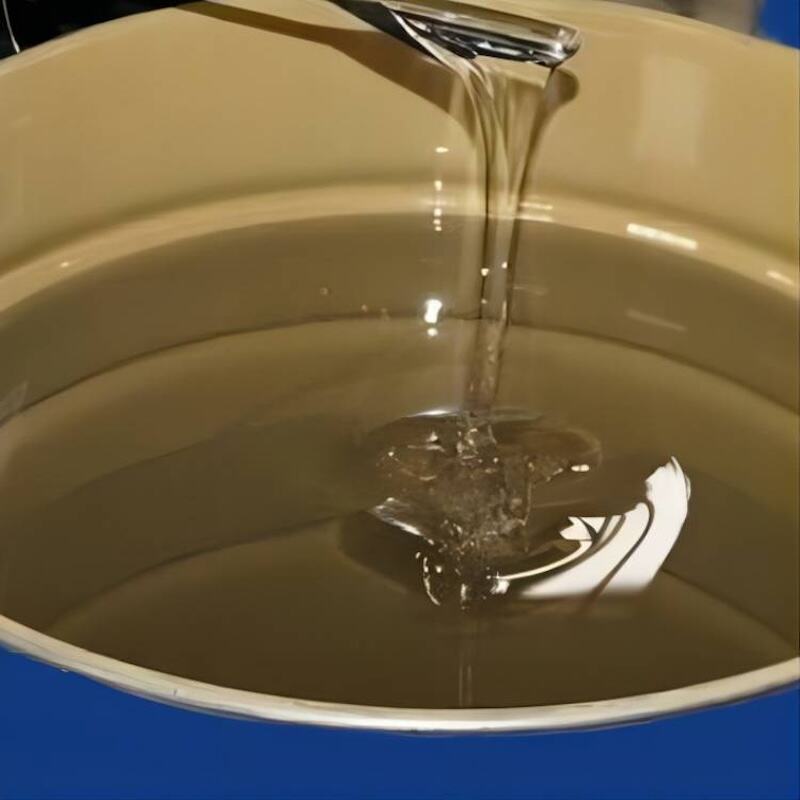
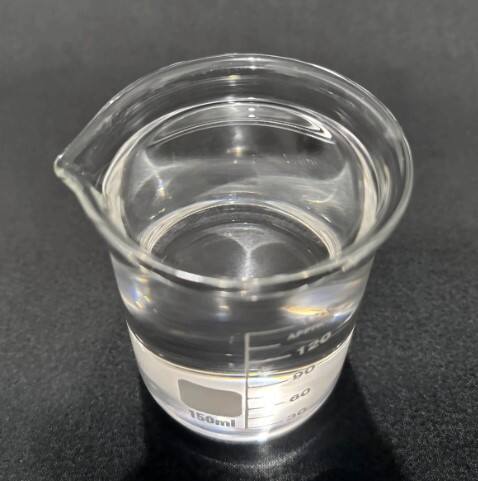
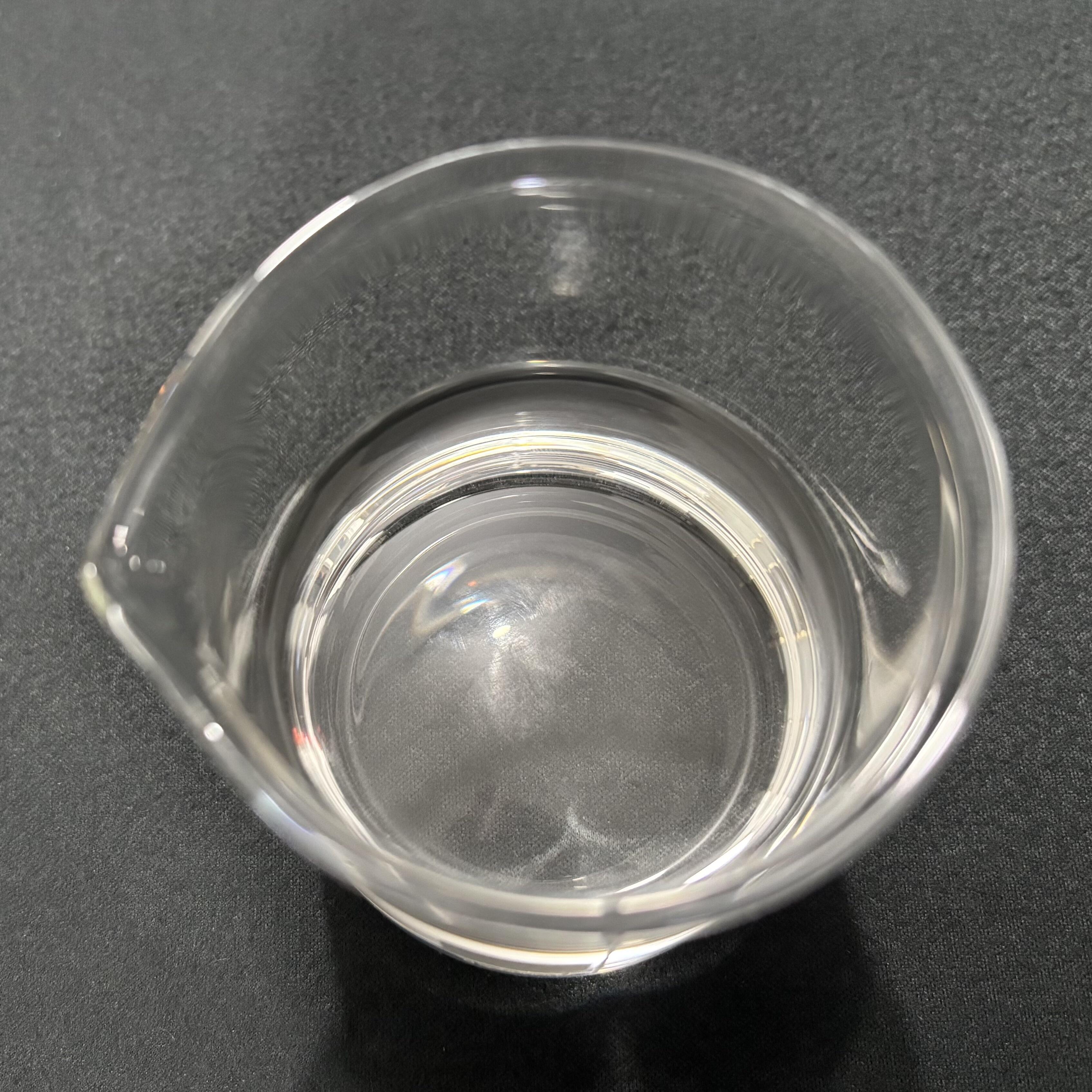
Low viscosity silicone fluid represents a specialized category of synthetic polymers that offers exceptional performance characteristics across diverse industrial applications. This advanced material consists of polydimethylsiloxane chains with carefully controlled molecular weights, resulting in fluid properties that deliver superior flow characteristics and thermal stability. The low viscosity silicone fluid maintains its consistency across extreme temperature ranges, from sub-zero conditions to elevated operating environments exceeding 200°C. Its unique molecular structure provides outstanding chemical resistance, making it ideal for demanding applications where conventional lubricants fail. The technological features of low viscosity silicone fluid include exceptional oxidation resistance, minimal volatility, and superior dielectric properties that make it valuable in electronic applications. These fluids demonstrate remarkable hydrophobic characteristics, repelling water and moisture while maintaining their lubricating properties. The main functions encompass lubrication, heat transfer, damping, and surface treatment applications. Manufacturing processes utilize advanced distillation and purification techniques to achieve precise viscosity specifications, ensuring consistent performance across batches. Quality control measures include rigorous testing for purity, viscosity stability, and thermal degradation resistance. The applications span automotive, aerospace, electronics, medical devices, textile processing, and industrial machinery sectors. In automotive applications, low viscosity silicone fluid serves as differential oil, shock absorber fluid, and coupling fluid for viscous drive systems. Electronics manufacturing relies on these fluids for heat dissipation in transformers and capacitors, while medical applications utilize their biocompatibility for surgical instruments and implantable devices. The versatility of low viscosity silicone fluid makes it indispensable for modern manufacturing processes requiring reliable, long-lasting performance under challenging operating conditions.


New Product Recommendations

Low viscosity silicone fluid offers compelling advantages that directly translate to cost savings and improved performance for users across various industries. The primary benefit lies in its exceptional temperature stability, maintaining consistent viscosity and performance characteristics from -65°C to 250°C without degradation or thickening. This temperature resilience eliminates the need for frequent fluid changes, reducing maintenance costs and downtime significantly. Users experience extended service intervals compared to conventional petroleum-based fluids, often achieving three to five times longer operational life. The chemical inertness of low viscosity silicone fluid provides superior compatibility with rubber seals, gaskets, and plastic components, preventing swelling, cracking, or deterioration that commonly occurs with traditional fluids. This compatibility reduces replacement costs for system components and prevents costly leaks or failures. The fluid's low surface tension enables superior wetting and penetration properties, ensuring complete coverage of moving parts and hard-to-reach areas within mechanical systems. This characteristic improves lubrication efficiency and reduces wear rates on critical components. Environmental benefits include reduced waste generation due to extended service life and lower disposal costs. The fluid's low toxicity profile enhances workplace safety, requiring minimal personal protective equipment during handling and reducing health risks for workers. Manufacturing processes benefit from improved product quality when low viscosity silicone fluid is used as a release agent or processing aid, resulting in fewer defects and higher yields. The thermal conductivity properties facilitate efficient heat transfer in cooling applications, reducing energy consumption and improving system efficiency. Electrical applications benefit from excellent dielectric strength and arc resistance, preventing equipment failures and extending service life of transformers and capacitors. The moisture resistance prevents corrosion and oxidation in sensitive equipment, maintaining performance reliability over extended periods. Processing advantages include easy pumping and handling characteristics, reducing energy requirements for circulation systems and simplifying maintenance procedures.

Tips And Tricks

How Vortex Spinning Oil Enhances Fiber Production

26

Nov

How Vortex Spinning Oil Enhances Fiber Production

Introduction Oils are essential in the textile manufacturing process, helping fibers move smoothly through machinery and ultimately producing better quality fabric. Of all the different types available, Vortex Spinning Oil has become something of a ...
View More
How Expandable Microspheres Revolutionize Material Science

26

Nov

How Expandable Microspheres Revolutionize Material Science

Understanding Expandable Microspheres in Material Science Expandable microspheres consist of tiny polymer particles capable of expanding when heated. When this happens, it creates materials that weigh less while still providing good insulation again...
View More
Choosing the Right Additives for Your Project

26

Nov

Choosing the Right Additives for Your Project

Understanding the Role of Additives in Projects Additives really make a difference when it comes to boosting how well things perform and last longer in all sorts of applications. These little helpers get used throughout different sectors to tweak st...
View More
How Does Silicone Dispersion Improve Water Resistance in Coatings

02

Dec

How Does Silicone Dispersion Improve Water Resistance in Coatings

Water resistance stands as one of the most critical performance characteristics in modern coating applications across industries ranging from automotive to marine environments. Traditional coatings often struggle to maintain their protective properti...
View More

Get a Free Quote

Our representative will contact you soon.
Email
Name
Company Name
Whatsapp
Message
0/1000

low viscosity silicone fluid

Superior Temperature Performance and Thermal Stability

Superior Temperature Performance and Thermal Stability

The exceptional temperature performance of low viscosity silicone fluid sets it apart from conventional alternatives, delivering consistent reliability across extreme operating conditions that would cause traditional fluids to fail. This remarkable thermal stability stems from the strong silicon-oxygen backbone structure that resists thermal breakdown and maintains molecular integrity even under prolonged exposure to elevated temperatures. Unlike petroleum-based fluids that thicken dramatically in cold conditions or thin excessively when heated, low viscosity silicone fluid maintains its designed viscosity characteristics across a temperature span exceeding 300°C. This stability translates to predictable system performance regardless of environmental conditions, ensuring machinery operates smoothly whether in arctic conditions or high-temperature industrial environments. The thermal oxidation resistance prevents the formation of sludge, varnish, or corrosive by-products that typically plague conventional lubricants, eliminating the need for frequent system cleaning and component replacement. Users benefit from reduced maintenance scheduling complexity, as the fluid performs consistently without seasonal adjustments or temperature-specific formulations. Manufacturing facilities operating in varying climatic conditions can standardize on a single fluid grade, simplifying inventory management and reducing procurement costs. The heat transfer capabilities remain stable over time, ensuring cooling systems maintain their efficiency throughout the fluid's service life. This thermal performance advantage proves particularly valuable in applications such as automotive differentials, where temperature fluctuations are extreme, or in electronic cooling systems where thermal runaway must be prevented. The long-term thermal stability also contributes to environmental sustainability by reducing fluid consumption and waste generation, as systems require fewer fluid changes over their operational lifetime. Quality assurance testing confirms that low viscosity silicone fluid retains its critical properties after thousands of hours of thermal cycling, providing users with confidence in long-term system reliability and performance consistency.
Enhanced Chemical Compatibility and Material Protection

Enhanced Chemical Compatibility and Material Protection

Low viscosity silicone fluid demonstrates exceptional chemical compatibility that protects system components while maintaining performance integrity across diverse operating environments. This compatibility advantage stems from the chemically inert nature of silicone molecules, which resist reaction with metals, elastomers, plastics, and other materials commonly found in mechanical systems. Unlike aggressive petroleum solvents or synthetic fluids that can cause seal swelling, plastic degradation, or metal corrosion, low viscosity silicone fluid actually helps preserve component integrity over extended service periods. The fluid's neutral pH and absence of reactive additives prevent galvanic corrosion between dissimilar metals, a common failure mode in mixed-material assemblies. Elastomeric seals and gaskets maintain their flexibility and sealing properties when exposed to low viscosity silicone fluid, preventing the hardening, cracking, or dimensional changes that lead to system leaks. Plastic components retain their mechanical properties without stress cracking or chemical attack, ensuring long-term reliability in applications using polymer housings or components. The compatibility extends to protective coatings and surface treatments, allowing the fluid to be used in systems with specialized finishes without causing delamination or degradation. This chemical stability reduces the total cost of ownership by extending component service life and reducing unplanned maintenance events. System designers benefit from simplified material selection, as they need not specify exotic or expensive materials to achieve chemical compatibility. The fluid's resistance to hydrolysis ensures performance stability in humid environments or applications where water contamination might occur. Cleaning and decontamination procedures are simplified because low viscosity silicone fluid does not leave harmful residues or react with cleaning agents. Manufacturing processes benefit from reduced contamination risks, as the fluid will not adversely affect downstream assembly operations or quality control procedures. The biocompatibility characteristics make it suitable for applications in food processing, pharmaceutical manufacturing, and medical device applications where material safety is paramount. Long-term storage stability eliminates concerns about fluid degradation during extended inventory periods.
Exceptional Flow Characteristics and Application Versatility

Exceptional Flow Characteristics and Application Versatility

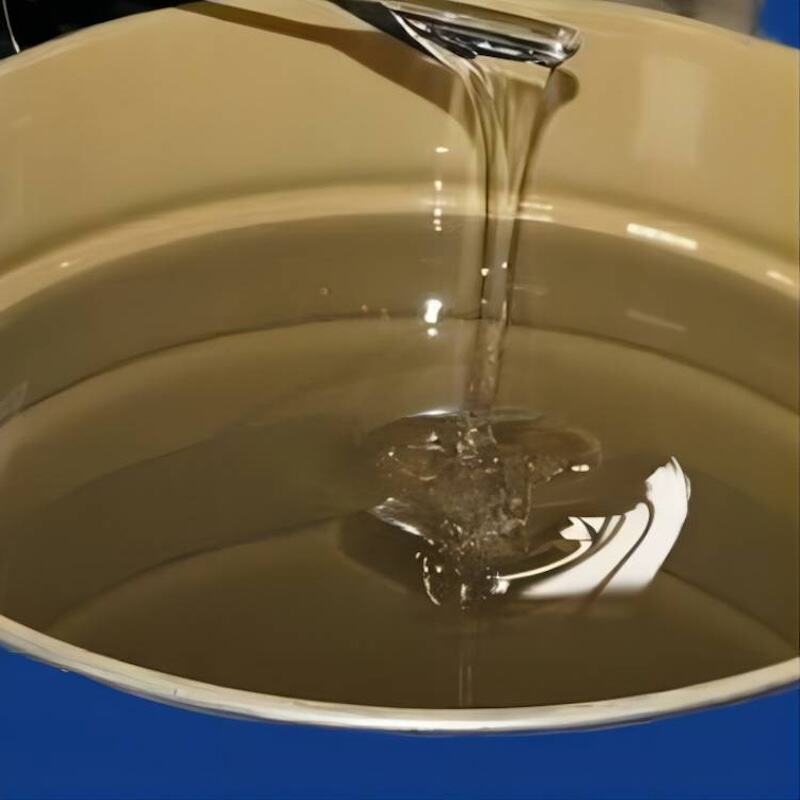
The exceptional flow characteristics of low viscosity silicone fluid enable superior performance across a wide range of applications, providing users with a versatile solution that adapts to diverse operational requirements. The carefully engineered molecular structure creates a fluid with optimal rheological properties, including high fluidity at low temperatures, excellent pumpability, and superior penetration into tight clearances and complex geometries. These flow characteristics ensure complete wetting of surfaces and uniform distribution throughout systems, maximizing lubrication effectiveness and heat transfer efficiency. The low pour point enables system startup in cold environments without pre-heating requirements, reducing energy consumption and eliminating warm-up delays. Pumping systems operate more efficiently due to the fluid's favorable viscosity-temperature relationship, requiring less energy to maintain circulation and reducing wear on pump components. The excellent penetration properties allow low viscosity silicone fluid to reach areas that conventional fluids cannot access, providing protection to components that might otherwise experience inadequate lubrication. Surface tension characteristics promote uniform spreading and adherence, ensuring complete coverage of vertical surfaces and overhead applications without dripping or runoff. These properties make the fluid ideal for applications ranging from precision instrument damping to large-scale industrial heat transfer systems. Manufacturing processes benefit from consistent flow behavior that enables precise metering and application control, improving product quality and reducing waste. The fluid's stability under shear stress prevents viscosity breakdown during high-speed mixing or pumping operations, maintaining performance characteristics throughout processing cycles. Spray and atomization applications achieve superior droplet formation and distribution patterns, enhancing coating uniformity and transfer efficiency. The versatility extends to compatibility with various application methods, including brush, spray, dip coating, or automated dispensing systems. Quality control benefits include predictable behavior during testing and measurement procedures, ensuring accurate process control and product specifications. Environmental advantages include reduced energy requirements for heating and circulation systems, contributing to improved operational efficiency and reduced carbon footprint. The consistent flow properties also facilitate equipment cleaning and maintenance procedures, allowing complete system drainage and reducing cleaning time requirements.

Get a Free Quote

Our representative will contact you soon.
Email
Name
Company Name
Whatsapp
Message
0/1000