Premium Silicone Fluid for Textile - Enhanced Softness, Protection & Efficiency

All Categories

Get a Free Quote

Our representative will contact you soon.
Email
Name
Company Name
Whatsapp
Message
0/1000

silicone fluid for textile

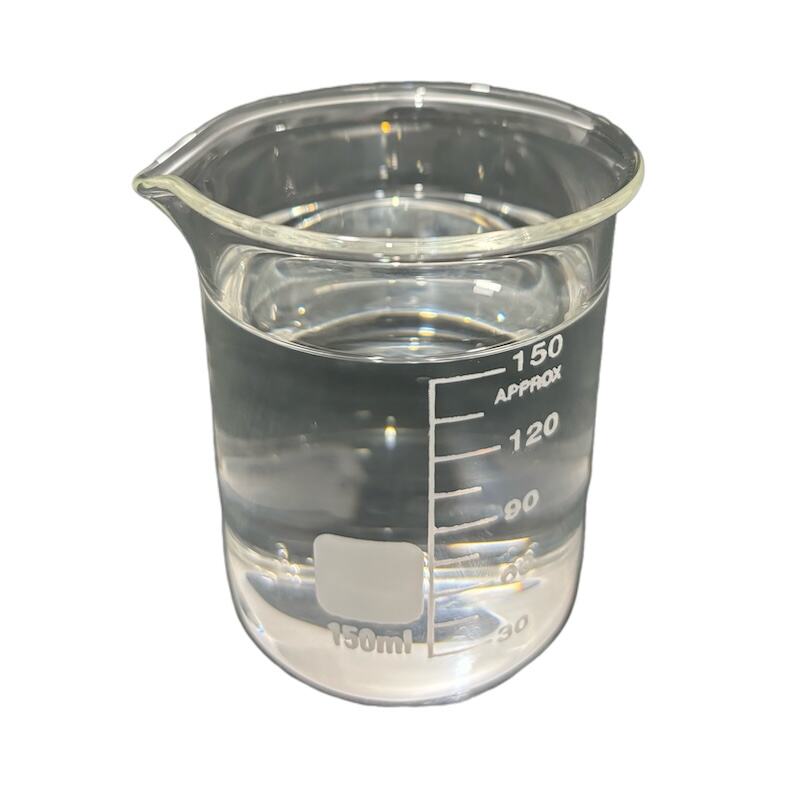
Silicone fluid for textile represents a revolutionary chemical treatment solution that transforms fabric properties through advanced molecular engineering. This specialized finishing agent penetrates textile fibers to create exceptional softness, smoothness, and enhanced durability. The silicone fluid for textile works by forming a microscopic protective layer around individual fibers, fundamentally altering their surface characteristics while maintaining breathability and natural texture. Modern textile manufacturers rely on this innovative treatment to achieve premium quality results across various fabric types, from cotton and polyester to blends and synthetic materials. The primary functions of silicone fluid for textile include providing superior hand feel, reducing friction between fibers, and creating water-repellent properties. This treatment significantly improves fabric drape, reduces wrinkle formation, and enhances color retention over multiple wash cycles. Technological features of silicone fluid for textile encompass low-temperature application compatibility, excellent dispersion properties, and minimal environmental impact. The formulation demonstrates remarkable stability under varying pH conditions and maintains consistent performance across different processing equipment. Applications span numerous textile sectors including apparel manufacturing, home furnishing production, and technical textile development. Fashion brands utilize silicone fluid for textile to create luxurious garments with enhanced comfort and aesthetic appeal. Home textile manufacturers apply this treatment to bedding, curtains, and upholstery fabrics to improve longevity and user experience. Industrial textile applications benefit from the protective qualities of silicone fluid for textile in producing filtration materials, automotive fabrics, and outdoor gear. The versatility of silicone fluid for textile extends to specialized applications such as medical textiles, where biocompatibility and antimicrobial properties are crucial. Processing efficiency improves significantly when incorporating silicone fluid for textile into standard finishing procedures, reducing energy consumption and processing time while delivering consistent quality results across large-scale production runs.


New Product Releases

The advantages of silicone fluid for textile create compelling value propositions for manufacturers seeking to elevate their product quality and market competitiveness. Cost-effectiveness emerges as a primary benefit, as silicone fluid for textile reduces production expenses through streamlined processing and decreased rejection rates. Manufacturers experience lower energy costs since silicone fluid for textile enables efficient processing at reduced temperatures, cutting utility expenses while maintaining superior results. The treatment enhances fabric durability, extending product lifespan and reducing customer complaints, which translates to improved brand reputation and customer loyalty. Quality consistency becomes achievable with silicone fluid for textile, as the treatment provides uniform results across different fabric batches, eliminating quality variations that plague traditional finishing methods. Production flexibility increases dramatically when using silicone fluid for textile, allowing manufacturers to process diverse fabric types using standardized procedures and equipment settings. Time savings represent another significant advantage, as silicone fluid for textile reduces processing cycles and eliminates multiple treatment steps typically required with conventional finishing agents. Environmental benefits position companies favorably in sustainability-conscious markets, as silicone fluid for textile generates minimal waste and requires fewer chemical inputs compared to alternative treatments. Worker safety improves substantially since silicone fluid for textile formulations contain fewer hazardous components, reducing occupational health risks and insurance costs. Market differentiation becomes possible through the unique properties that silicone fluid for textile imparts to finished products, enabling premium pricing and expanded market reach. Supply chain advantages emerge from the stability and shelf life of silicone fluid for textile, reducing inventory management complexities and storage costs. Customer satisfaction increases measurably when products treated with silicone fluid for textile demonstrate superior performance characteristics, leading to repeat purchases and positive word-of-mouth marketing. Processing equipment longevity extends when using silicone fluid for textile due to reduced corrosion and buildup, minimizing maintenance costs and production downtime. The versatility of silicone fluid for textile allows manufacturers to serve multiple market segments with a single treatment solution, simplifying operations and reducing inventory requirements while maximizing return on investment through increased production efficiency and enhanced product value.

Tips And Tricks

How Expandable Microspheres Revolutionize Material Science

26

Nov

How Expandable Microspheres Revolutionize Material Science

Understanding Expandable Microspheres in Material Science Expandable microspheres consist of tiny polymer particles capable of expanding when heated. When this happens, it creates materials that weigh less while still providing good insulation again...
View More
Unlocking Versatility: The Power of Silicone Emulsions in Industry

26

Nov

Unlocking Versatility: The Power of Silicone Emulsions in Industry

Understanding Silicone Emulsions Silicone emulsions basically consist of silicone polymers blended with water, making them pretty important across many different industries. We find these emulsions everywhere really, in everything from makeup produc...
View More
How to Troubleshoot Common Issues with Silicone Emulsions

26

Nov

How to Troubleshoot Common Issues with Silicone Emulsions

Understanding Silicone Emulsions and Their Common Issues Silicone emulsions blend silicone oils with water to create stable formulas that find their way into all sorts of industries from makeup to medicine and paint jobs. What makes these emulsions ...
View More
What Makes Silicone Emulsion Environmentally Safer

02

Dec

What Makes Silicone Emulsion Environmentally Safer

Environmental sustainability has become a critical consideration for manufacturers across industries, driving demand for safer chemical alternatives. Traditional emulsions often contain volatile organic compounds and harsh solvents that pose risks to...
View More

Get a Free Quote

Our representative will contact you soon.
Email
Name
Company Name
Whatsapp
Message
0/1000

silicone fluid for textile

Revolutionary Softness Enhancement Technology

Revolutionary Softness Enhancement Technology

The softness enhancement capability of silicone fluid for textile represents a breakthrough in textile finishing technology that fundamentally changes how fabrics feel and perform. This advanced treatment creates an unprecedented level of softness that customers immediately notice and appreciate, setting treated fabrics apart from conventionally finished alternatives. The molecular structure of silicone fluid for textile enables deep penetration into fiber matrices, creating lasting softness that withstands repeated washing and wear cycles. Unlike traditional softening agents that merely coat fabric surfaces, silicone fluid for textile bonds with fiber molecules to create permanent softness enhancement that maintains its effectiveness throughout the product's lifespan. This revolutionary approach eliminates the common problem of diminishing softness after multiple washes, ensuring consistent customer satisfaction and product performance. The technology behind silicone fluid for textile softness enhancement involves precise molecular engineering that optimizes fiber flexibility while maintaining structural integrity. Manufacturers using silicone fluid for textile report significant increases in customer satisfaction scores and reduced returns related to fabric hand feel complaints. The softness achieved through silicone fluid for textile treatment exceeds industry standards and consumer expectations, enabling premium product positioning and higher profit margins. Testing laboratories confirm that fabrics treated with silicone fluid for textile maintain their enhanced softness for over 100 wash cycles, far exceeding the performance of conventional softening treatments. This durability translates to long-term value for consumers and sustained competitive advantage for manufacturers. The softness enhancement from silicone fluid for textile also improves fabric drape and reduces static buildup, creating additional benefits that customers value. Market research indicates that consumers consistently prefer products treated with silicone fluid for textile in blind touch tests, demonstrating the tangible quality improvement this treatment provides. The revolutionary softness enhancement technology enables manufacturers to transform ordinary fabrics into premium products that command higher prices and generate superior customer loyalty through exceptional tactile experiences.
Superior Water Resistance and Protection

Superior Water Resistance and Protection

The water resistance capabilities of silicone fluid for textile deliver exceptional protection that extends fabric lifespan while maintaining breathability and comfort. This superior protection technology creates a microscopic barrier that repels water and other liquids while allowing air circulation and moisture vapor transmission. Unlike conventional water-repellent treatments that create stiff, plastic-like surfaces, silicone fluid for textile maintains natural fabric characteristics while providing robust protection against moisture, stains, and environmental contaminants. The advanced molecular design of silicone fluid for textile ensures that water beads and rolls off treated surfaces without penetrating fiber structures, preventing damage from moisture exposure and reducing maintenance requirements. This protection extends beyond water resistance to include oil and stain repellency, making treated fabrics ideal for applications where cleanliness and appearance are critical. Performance testing demonstrates that silicone fluid for textile maintains its protective properties even after extensive washing and wear, providing long-lasting value that justifies premium pricing. The breathable protection offered by silicone fluid for textile prevents the clammy, uncomfortable feeling associated with traditional waterproof treatments, making it suitable for apparel and home textiles where comfort is paramount. Outdoor gear manufacturers particularly value the superior protection of silicone fluid for textile, as it enables the production of high-performance products that keep users dry and comfortable in challenging conditions. The protection technology also extends to UV resistance, helping fabrics maintain their color and structural integrity when exposed to sunlight and weather. Industrial applications benefit from the chemical resistance properties of silicone fluid for textile, which protect fabrics from degradation in harsh environments and extend service life significantly. The superior protection offered by silicone fluid for textile reduces warranty claims and customer complaints related to fabric deterioration, improving manufacturer profitability and brand reputation. Easy care characteristics result from the protective properties of silicone fluid for textile, as treated fabrics release stains more readily and require less aggressive cleaning, reducing garment care costs and extending product life.
Enhanced Processing Efficiency and Cost Reduction

Enhanced Processing Efficiency and Cost Reduction

The processing efficiency improvements achieved through silicone fluid for textile implementation generate substantial cost savings and operational benefits that directly impact manufacturer profitability and competitiveness. This enhanced efficiency stems from the unique formulation properties of silicone fluid for textile that enable streamlined production processes, reduced energy consumption, and minimized waste generation. Manufacturing facilities report up to 30% reduction in processing time when switching to silicone fluid for textile, as the treatment integrates seamlessly with existing equipment and eliminates multiple finishing steps previously required with conventional treatments. The thermal efficiency of silicone fluid for textile allows processing at lower temperatures, reducing energy costs while maintaining superior treatment quality and consistency. Equipment maintenance requirements decrease significantly when using silicone fluid for textile due to reduced buildup and corrosion, extending machinery lifespan and minimizing production downtime. The stability of silicone fluid for textile formulations reduces batch-to-batch variations, improving quality control and reducing rejection rates that impact production efficiency and material costs. Storage and handling advantages emerge from the shelf stability and concentrated nature of silicone fluid for textile, reducing inventory space requirements and transportation costs while simplifying supply chain management. Worker productivity increases when using silicone fluid for textile because of simplified application procedures and reduced safety precautions compared to traditional finishing chemicals. The efficiency gains from silicone fluid for textile enable manufacturers to process higher volumes with existing equipment capacity, improving return on investment and facility utilization rates. Quality assurance processes become more efficient with silicone fluid for textile due to consistent treatment results that require less testing and inspection, reducing quality control costs and accelerating production cycles. Environmental compliance costs decrease when using silicone fluid for textile because of reduced waste generation and lower emission levels, minimizing regulatory compliance expenses and potential penalties. The processing efficiency of silicone fluid for textile also enables flexible production scheduling, allowing manufacturers to respond quickly to market demands and customer requirements without compromising quality or increasing costs, ultimately strengthening their competitive position in the textile market.

Get a Free Quote

Our representative will contact you soon.
Email
Name
Company Name
Whatsapp
Message
0/1000