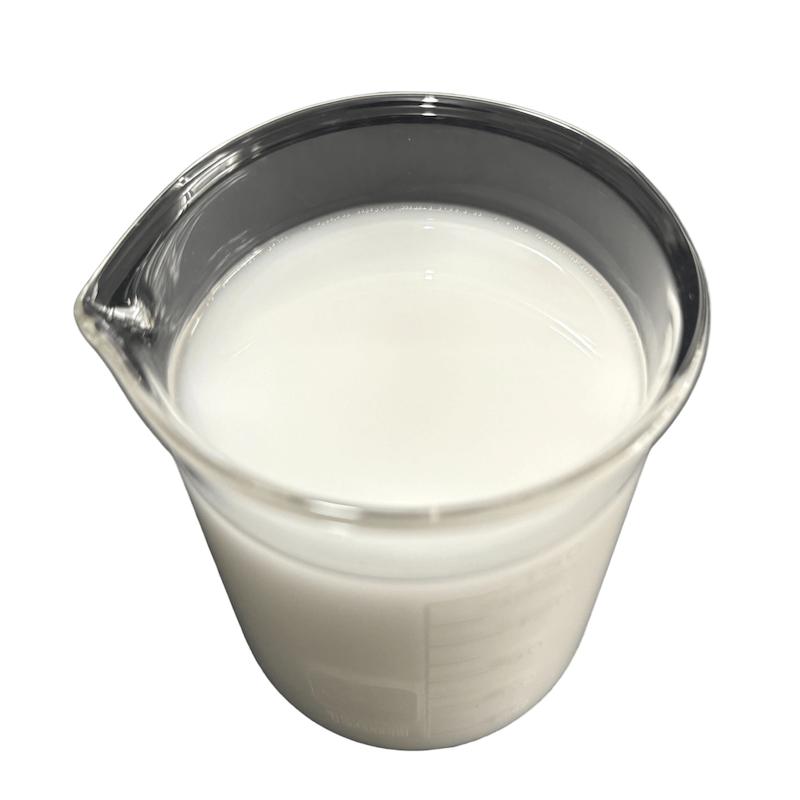
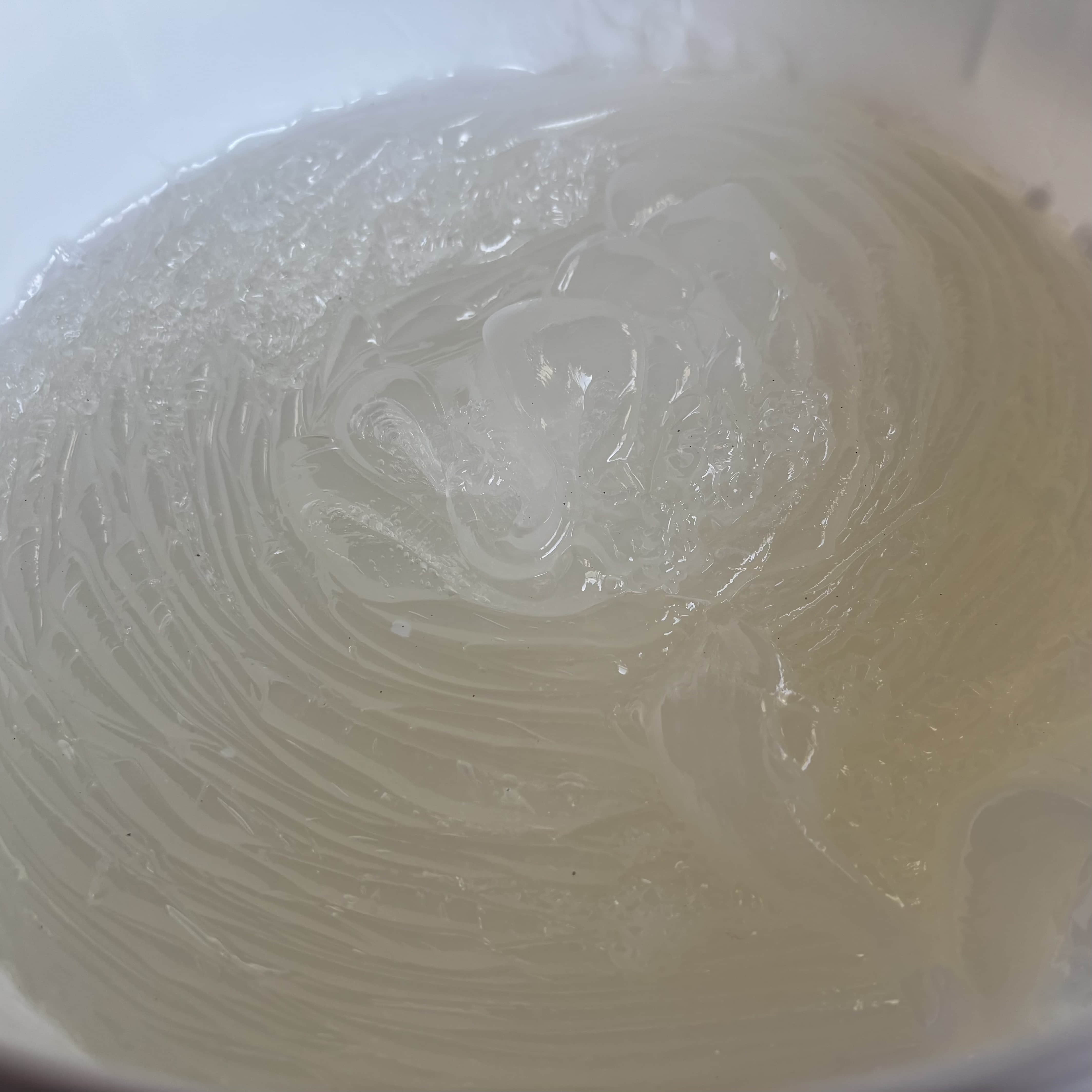
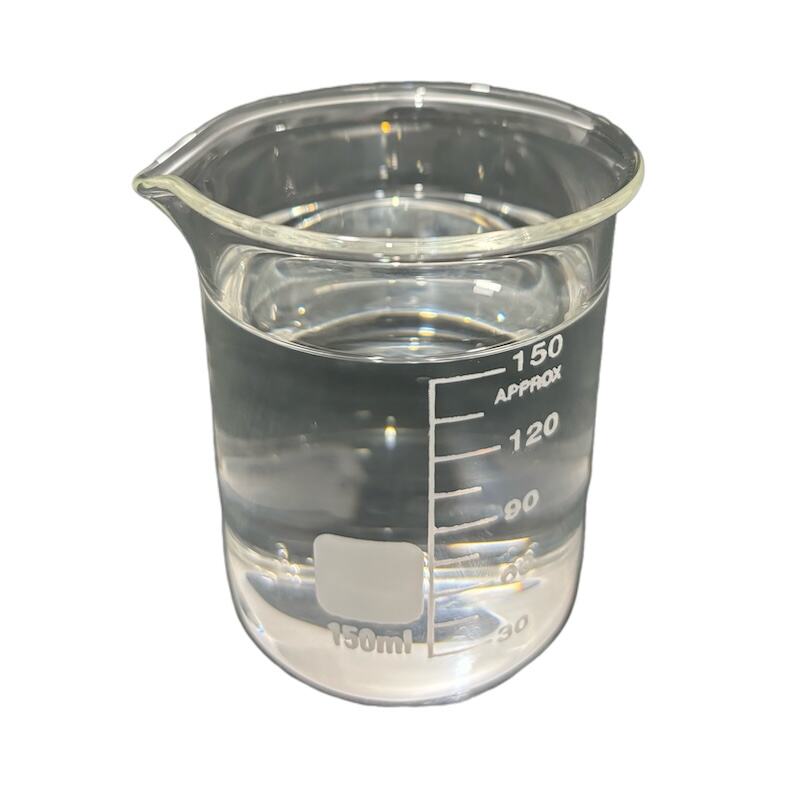
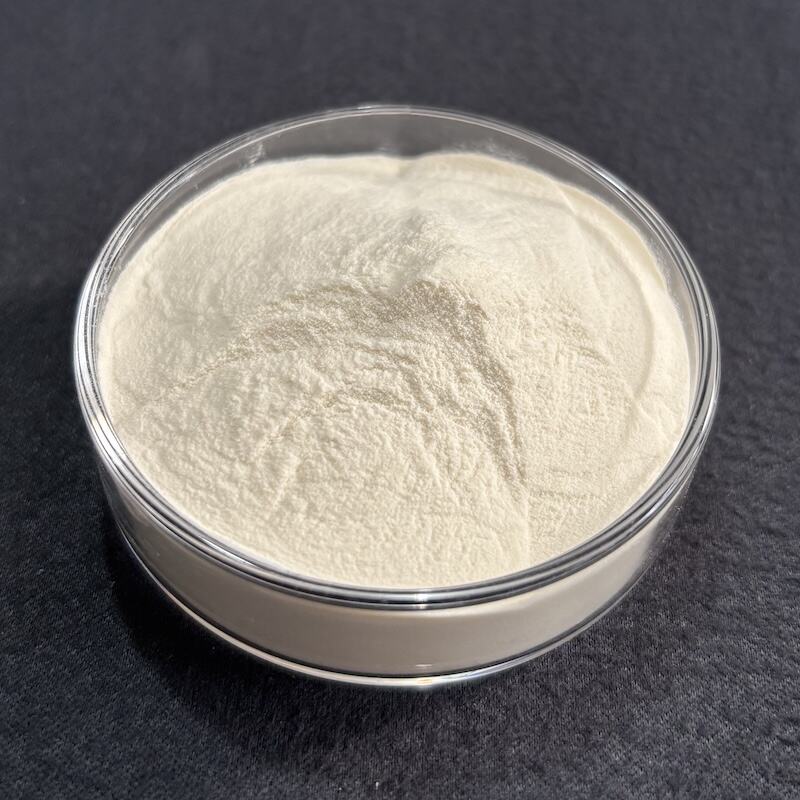
Premium Silicone Fluid for Lubrication - Advanced Synthetic Lubricants for Industrial Applications

All Categories

Get a Free Quote

Our representative will contact you soon.
Email
Name
Company Name
Whatsapp
Message
0/1000

silicone fluid for lubrication

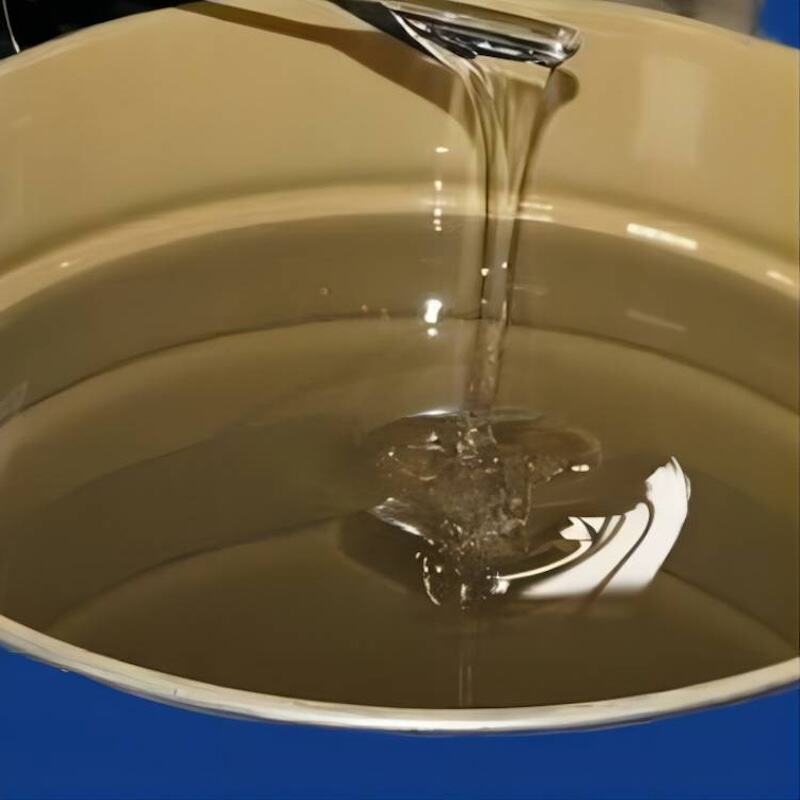
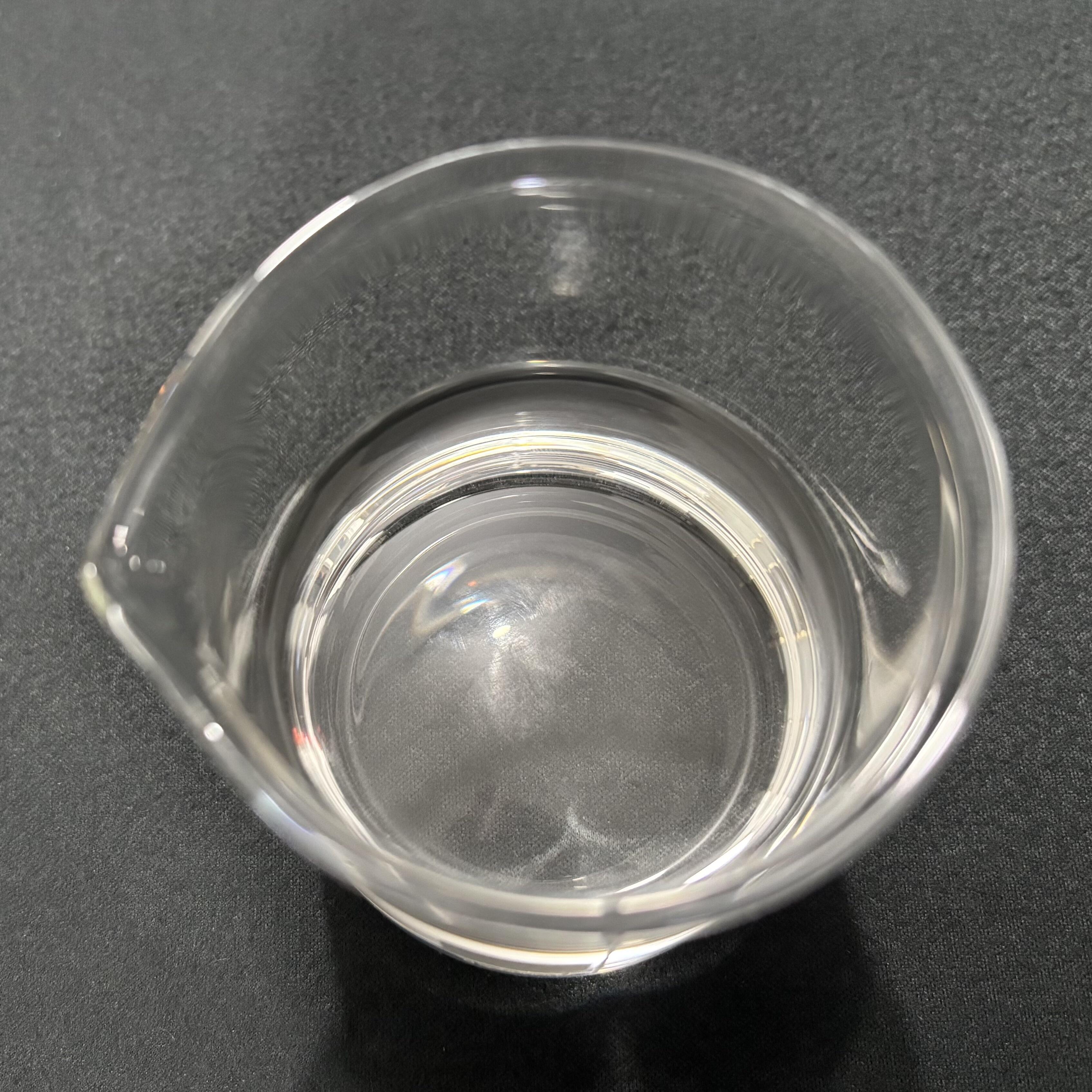
Silicone fluid for lubrication represents a revolutionary advancement in industrial and automotive maintenance solutions. This specialized synthetic lubricant combines the unique molecular structure of silicone polymers with advanced engineering to deliver exceptional performance across diverse operating conditions. Unlike conventional petroleum-based lubricants, silicone fluid for lubrication maintains its viscosity and protective properties across extreme temperature ranges, making it indispensable for critical applications where traditional oils fail. The main functions of silicone fluid for lubrication include reducing friction between moving parts, preventing wear and corrosion, sealing gaps to prevent contamination, and providing long-lasting protection in harsh environments. Its technological features stem from the silicon-oxygen backbone that forms the molecular foundation, creating a stable compound resistant to thermal degradation and oxidation. This chemical stability ensures that silicone fluid for lubrication retains its effectiveness over extended periods, reducing maintenance frequency and operational costs. The fluid exhibits excellent dielectric properties, making it suitable for electrical applications where conventional lubricants might cause short circuits or component damage. Applications span numerous industries including automotive manufacturing, aerospace engineering, medical device production, food processing equipment, and precision instrumentation. In automotive systems, silicone fluid for lubrication serves in brake systems, power steering mechanisms, and weatherstripping applications. Aerospace applications utilize this lubricant for landing gear systems, flight control mechanisms, and cabin pressurization components where reliability is paramount. Medical equipment manufacturers rely on silicone fluid for lubrication in surgical instruments, diagnostic machinery, and prosthetic devices due to its biocompatibility and chemical inertness. The food processing industry benefits from food-grade formulations that meet stringent safety regulations while providing superior lubrication for conveyor systems, packaging machinery, and processing equipment. Manufacturing operations utilize silicone fluid for lubrication in precision bearings, hydraulic systems, and automated assembly lines where consistent performance directly impacts product quality and production efficiency.


New Product Recommendations

The advantages of silicone fluid for lubrication extend far beyond basic friction reduction, offering tangible benefits that directly impact operational efficiency and cost savings. Temperature stability stands as the most significant advantage, with silicone fluid for lubrication maintaining consistent viscosity from negative forty degrees Celsius to over two hundred degrees Celsius. This wide operational range eliminates the need for seasonal lubricant changes and reduces equipment downtime in extreme environments. Users experience immediate cost savings through extended service intervals, as silicone fluid for lubrication resists thermal breakdown that typically requires frequent oil changes in conventional systems. The chemical inertness of this lubricant provides exceptional compatibility with rubber seals, plastic components, and metal surfaces without causing swelling, cracking, or degradation. This compatibility reduces replacement costs for seals and gaskets while maintaining system integrity over extended periods. Moisture resistance represents another crucial advantage, as silicone fluid for lubrication repels water and prevents the formation of harmful emulsions that compromise lubrication effectiveness. Equipment operates more reliably in humid conditions, reducing corrosion risks and maintaining protective film integrity on critical surfaces. The low volatility characteristic means minimal lubricant loss through evaporation, resulting in consistent fluid levels and reduced replenishment requirements. This stability translates to predictable maintenance schedules and lower total cost of ownership. Electrical insulation properties make silicone fluid for lubrication ideal for applications involving electrical components, preventing short circuits while providing necessary lubrication. Manufacturing facilities benefit from reduced fire hazards due to the higher flash point compared to petroleum-based alternatives. The non-toxic nature of food-grade formulations allows safe use in food processing environments without contamination concerns. Cleaning and maintenance become simpler as silicone fluid for lubrication resists attracting dirt and debris, keeping systems cleaner and reducing filtration requirements. Environmental benefits include biodegradable formulations that meet increasingly strict environmental regulations. The superior film strength creates durable protective barriers that extend component life, reducing replacement costs and minimizing waste. These advantages combine to deliver measurable improvements in equipment reliability, operational efficiency, and total cost of ownership across diverse industrial applications.

Practical Tips

How Vortex Spinning Oil Enhances Fiber Production

26

Nov

How Vortex Spinning Oil Enhances Fiber Production

Introduction Oils are essential in the textile manufacturing process, helping fibers move smoothly through machinery and ultimately producing better quality fabric. Of all the different types available, Vortex Spinning Oil has become something of a ...
View More
Top 10 FAQs: Everything You Need to Know About Expandable Microspheres

26

Nov

Top 10 FAQs: Everything You Need to Know About Expandable Microspheres

What Are Expandable Microspheres Expandable microspheres stand out as special materials basically made up of tiny hollow balls that get much bigger when they meet heat. What makes them work so well is their clever construction with a thin polymer sh...
View More
What Are the Best Practices for Applying Leather Additives

02

Dec

What Are the Best Practices for Applying Leather Additives

The leather industry relies heavily on various chemical formulations to enhance the quality, durability, and aesthetic appeal of finished products. Understanding the proper application techniques and selection criteria for leather additives can signi...
View More
What Are the Effects of Vortex Spinning Oil on Yarn Smoothness?

08

Jan

What Are the Effects of Vortex Spinning Oil on Yarn Smoothness?

The textile manufacturing industry has witnessed remarkable advancements in spinning technologies, with vortex spinning emerging as a revolutionary method that significantly transforms yarn production. At the heart of this innovative process lies vor...
View More

Get a Free Quote

Our representative will contact you soon.
Email
Name
Company Name
Whatsapp
Message
0/1000

silicone fluid for lubrication

Exceptional Temperature Performance and Thermal Stability

Exceptional Temperature Performance and Thermal Stability

The exceptional temperature performance of silicone fluid for lubrication sets it apart from conventional lubricants through its ability to maintain consistent viscosity and protective properties across extreme temperature variations. This remarkable characteristic stems from the unique silicon-oxygen molecular backbone that remains stable under thermal stress, preventing the viscosity changes that plague petroleum-based lubricants. In practical applications, this means equipment operates smoothly whether exposed to arctic conditions or high-heat industrial environments. Manufacturing facilities using silicone fluid for lubrication report significant reductions in equipment failures during seasonal temperature fluctuations, as the lubricant maintains its protective film integrity regardless of ambient conditions. The thermal stability prevents oxidation and thermal degradation that typically occur in conventional lubricants when exposed to elevated temperatures, eliminating the formation of harmful deposits and sludge. This stability translates to extended drain intervals, with some applications experiencing service life improvements of three to five times compared to traditional lubricants. Equipment manufacturers increasingly specify silicone fluid for lubrication in applications where temperature extremes are expected, recognizing that consistent lubrication performance directly impacts component longevity and system reliability. The automotive industry benefits particularly from this temperature stability in brake systems, where silicone fluid for lubrication maintains consistent pedal feel and braking performance across varying weather conditions. Aerospace applications leverage this thermal stability in flight systems where altitude changes create extreme temperature variations that would compromise conventional lubricants. The economic impact of this thermal stability extends beyond reduced maintenance costs to include improved productivity through reduced downtime and enhanced equipment reliability, making silicone fluid for lubrication an investment in operational efficiency.
Superior Chemical Compatibility and Material Protection

Superior Chemical Compatibility and Material Protection

The superior chemical compatibility of silicone fluid for lubrication provides unprecedented protection for diverse materials commonly found in modern equipment and machinery. Unlike petroleum-based lubricants that can cause rubber seals to swell, crack, or deteriorate, silicone fluid for lubrication exhibits excellent compatibility with elastomers, plastics, and metal components. This compatibility prevents costly seal failures and component degradation that often plague systems using conventional lubricants. Engineering teams appreciate how silicone fluid for lubrication maintains the flexibility and sealing properties of rubber components while providing necessary lubrication, eliminating the compromise between lubrication effectiveness and seal longevity. The chemical inertness prevents reactions with system materials, ensuring that protective coatings, gaskets, and seals retain their original properties throughout extended service periods. Manufacturing operations benefit from reduced inventory costs as silicone fluid for lubrication works effectively across multiple equipment types without material compatibility concerns. The non-corrosive nature protects metal surfaces from oxidation and galvanic corrosion, particularly important in multi-metal systems where dissimilar materials might otherwise interact destructively. Quality control departments report fewer material failures and longer component life when silicone fluid for lubrication replaces conventional alternatives. This chemical compatibility extends to electrical components, where the dielectric properties prevent electrical conductivity while maintaining lubrication effectiveness around motors, generators, and control systems. Food processing equipment benefits from formulations that meet FDA requirements while providing chemical compatibility with food-contact surfaces and cleaning agents. The long-term cost benefits include reduced component replacement frequency, lower maintenance labor requirements, and improved system reliability through enhanced material protection, making silicone fluid for lubrication a strategic choice for equipment preservation.
Enhanced Environmental Safety and Regulatory Compliance

Enhanced Environmental Safety and Regulatory Compliance

The enhanced environmental safety profile of silicone fluid for lubrication addresses growing regulatory requirements while providing superior performance characteristics that benefit both operations and ecological systems. Modern formulations incorporate biodegradable components that break down naturally without accumulating in soil or water systems, meeting stringent environmental regulations across multiple industries. Companies using silicone fluid for lubrication demonstrate environmental responsibility while maintaining operational excellence, satisfying both regulatory compliance and corporate sustainability goals. The low toxicity profile reduces workplace safety concerns, eliminating the need for extensive protective equipment and specialized handling procedures required with many petroleum-based alternatives. Safety managers appreciate how silicone fluid for lubrication minimizes exposure risks for maintenance personnel while delivering superior lubrication performance. The higher flash point reduces fire hazards in industrial environments, providing additional safety margins in applications involving heat sources or electrical equipment. Spill cleanup becomes less problematic as silicone fluid for lubrication typically exhibits lower environmental impact and easier remediation compared to conventional lubricants. Manufacturing facilities report simplified waste disposal procedures and reduced environmental compliance costs when switching to environmentally-friendly silicone fluid for lubrication formulations. The food-grade versions meet strict FDA and USDA requirements, allowing safe use in food processing environments without contamination concerns or regulatory violations. International operations benefit from formulations that comply with European REACH regulations and other global environmental standards, simplifying multinational manufacturing coordination. The environmental benefits extend to reduced carbon footprint through extended service intervals and improved equipment efficiency, supporting corporate sustainability initiatives. Emergency response procedures become streamlined as silicone fluid for lubrication presents lower environmental risks during accidental releases. These safety and environmental advantages position silicone fluid for lubrication as the preferred choice for forward-thinking organizations balancing operational performance with environmental stewardship and regulatory compliance requirements.

Get a Free Quote

Our representative will contact you soon.
Email
Name
Company Name
Whatsapp
Message
0/1000